
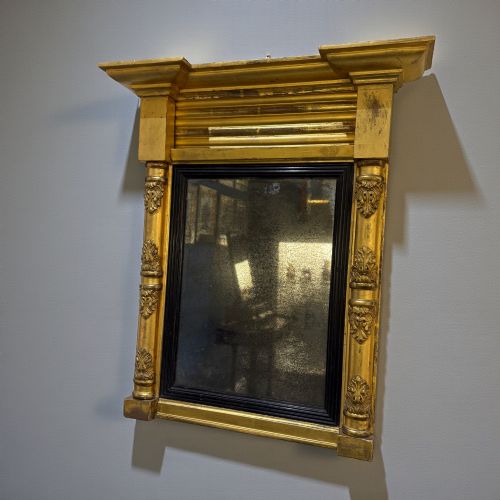
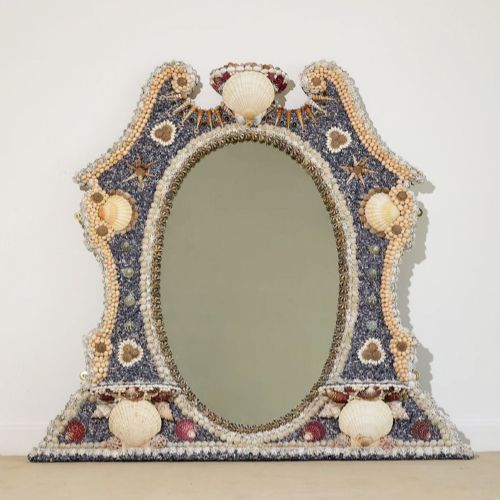
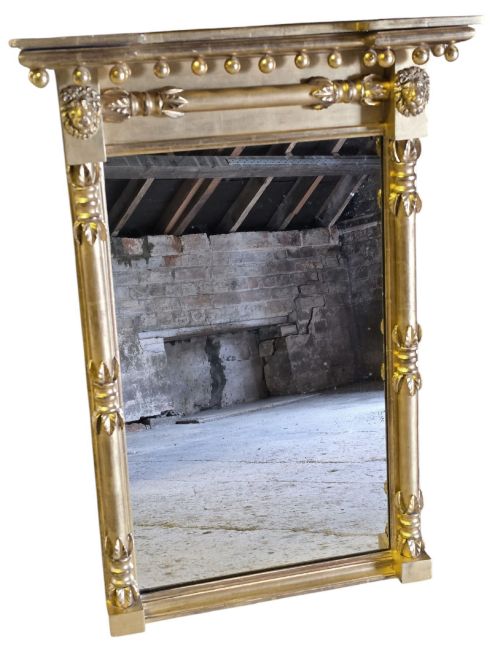
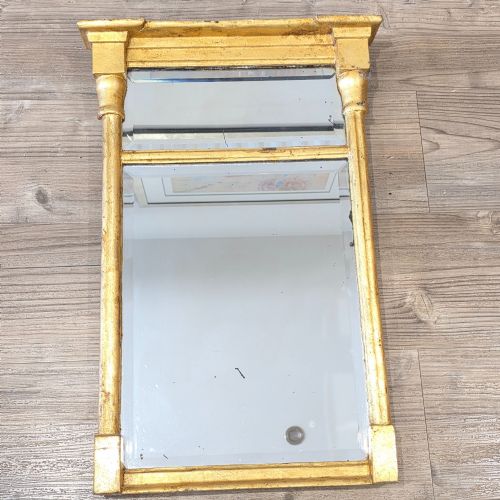


Georgian Architectural Mirror
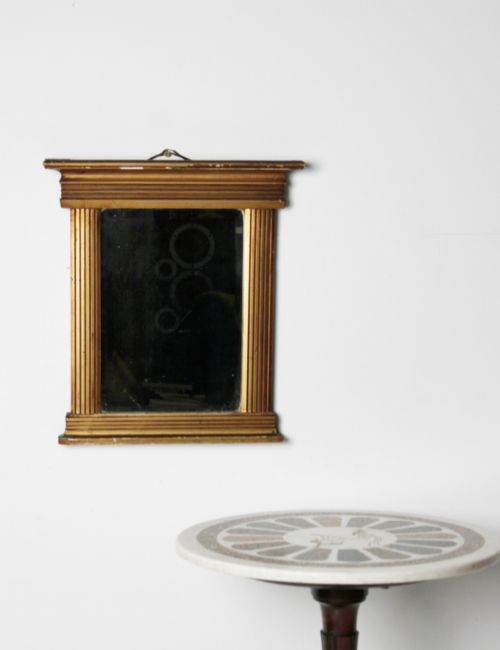
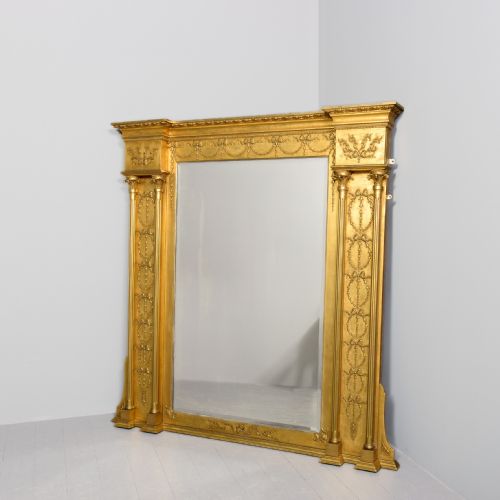
A georgian architectural mirror brings classical proportion and depth to a room, structured with pediments, columns, or Palladian frames.
Georgian Architectural Mirror
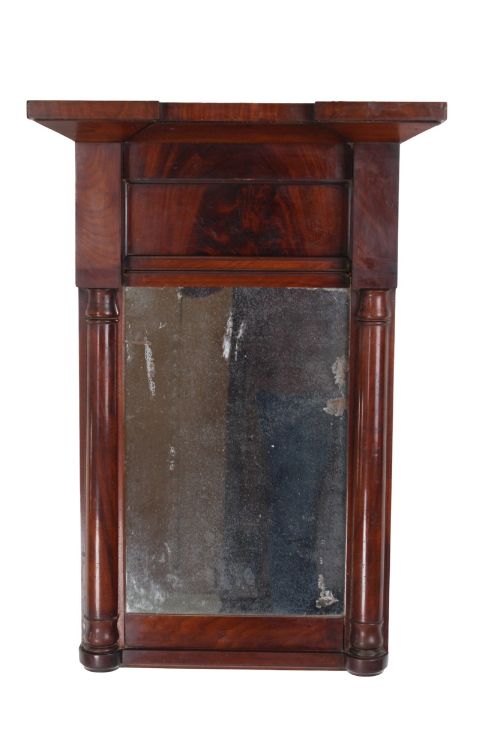
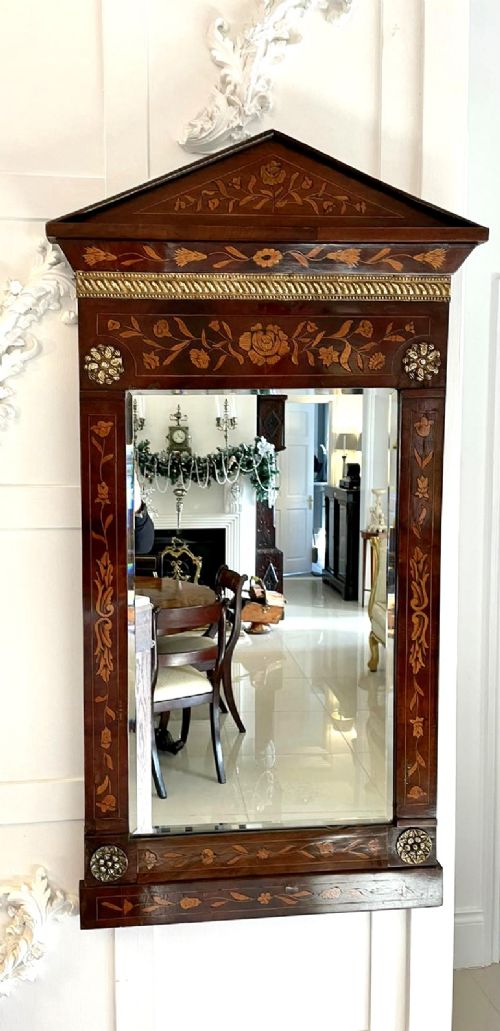
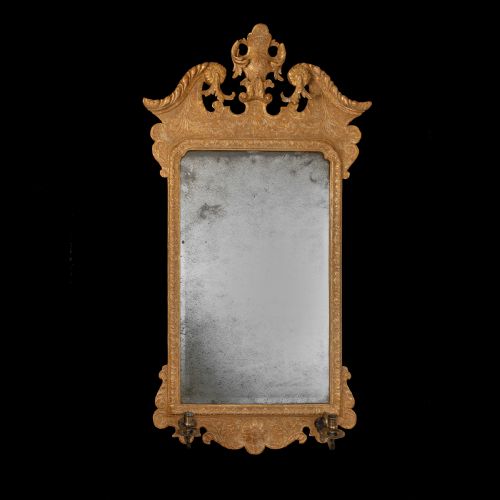
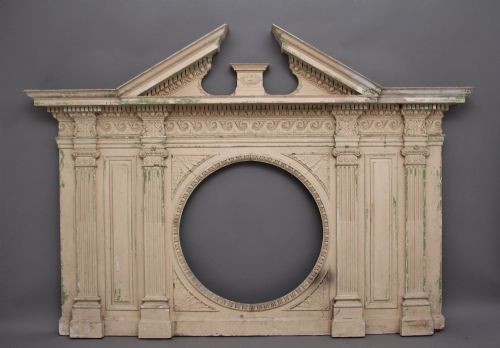
A georgian architectural mirror draws its design vocabulary from classical buildings, using architectural elements such as pediments, friezes, and column or pilaster frames. When you search for a georgian architectural mirror, you encounter pieces intended to order and reflect light within a grand interior, often designed to hang above a mantelpiece or between windows.
The selections span the eighteenth century and the nineteenth century, taking forms such as overmantel mirrors, pier mirrors, trumeau mirrors, and wall mirrors. You will frequently find styles ranging from George II and Regency to neoclassical interpretations, alongside later nineteenth-century revivals.
Materials vary across the evidence from giltwood, gesso, and painted pine to mahogany, walnut, and mirror glass. Pieces may include decorative carved details like Vitruvian scrolls, parcel gilt accents, Dutch marquetry inlay, or column frames.
Materials and construction
Makers constructed the primary frames of a georgian architectural mirror using solid timbers such as mahogany, walnut, or pine, frequently shaped with mouldings or inlaid with marquetry. Carpenters and joiners built sturdy wooden carcasses to support the weight of heavy glass plates and elaborate decorative framing.
Carvers applied layers of gesso directly onto the timber base to build up low-relief ornamentation, which they then gilded with gold leaf or finished with paint. Giltwood and parcel gilt finishes required precise application of size and gold leaf over prepared gesso surfaces to achieve a luminous metallic sheen.
Mirrors often retain original glass plates, which display the characteristic slight imperfections and depth of antique float or cylinder glass. Frames incorporated structural elements like column sides, classical pediments, and carved architectural mouldings fixed securely to the main wooden body.
Listings feature periods from the eighteenth century to the late nineteenth century, including George II, Regency, and neoclassical styles.
Judging quality in architectural mirrors
The distinction between ordinary and exceptional examples rests on the crispness and depth of the carved gesso and wooden ornament. Sharply chiselled mouldings, well-defined classical details, and balanced proportions separate superior works from simpler production pieces.
The integrity of the surface finish plays a central role in assessing a mirror, particularly the preservation of original gilding and painted decoration. Original mirror plates showing genuine age add considerably to the character and authenticity of the piece.
The Georgian Architectural Mirror Glossary
- Pier mirror
- A tall mirror designed specifically to hang on the wall space between two windows. These pieces often reflect additional light back into a room.
- Overmantel mirror
- A wide mirror intended to be positioned directly above a fireplace mantel. They frequently span the width of the hearth and repeat architectural motifs from the room.
- Gesso
- A plaster-like mixture applied to wood frames to create a smooth surface for carving or gilding. It allows for intricate, sharp relief decoration.
- Parcel gilt
- A framing technique where selected areas are highlighted with gold leaf while other parts show natural wood or paint. This creates contrast across the architectural mouldings.
- Palladian
- A classical architectural style derived from Andrea Palladio, featuring symmetrical facades, pediments, and balanced proportions. Mirrors in this style mimic miniature classical buildings.
- Trumeau mirror
- A decorative wall mirror combined with a painted panel or carved artwork in the upper section. They were popular for integrating into wall panelling.
Georgian Architectural Mirror: Frequently Asked Questions
Where should I hang a large overmantel mirror?
An overmantel mirror traditionally sits directly above a fireplace mantelpiece, anchored securely to the wall to support its weight. It acts as the visual focal point of the wall, reflecting light and the opposite side of the room.
Ensure the width of the mirror aligns with or sits slightly narrower than the mantel shelf below it for proper visual balance.
What is a pier mirror used for?
A pier mirror was designed to hang on the narrow wall space, known as a pier, situated between two windows. By placing the mirror there, eighteenth-century rooms maximised the reflection of natural daylight.
Today, these vertical mirrors work well in hallways, narrow entryways, or between pieces of furniture where a wide mirror would not fit.
How do I identify a Regency architectural mirror?
Regency mirrors often incorporate bold classical motifs inspired by ancient Rome and Greece, including column frames, reeded mouldings, and convex or triptych glass plates. You will frequently see giltwood finishes, ebonised details, and structured architectural cornices.
Check for construction methods typical of the early nineteenth century, such as machine-sawn timber elements alongside traditional hand-carving.
What does parcel gilt mean on a mirror frame?
Parcel gilt describes a finish where only specific portions of a wooden frame are covered in gold leaf, leaving the rest as exposed walnut, mahogany, or painted pine. This technique highlights carved details like mouldings or floral motifs against a darker wooden background.
It provides a restrained contrast rather than full, heavy gilding across the entire surface.