





Georgian Air Twist Stem
Georgian air twist stem glassware offers remarkable 18th-century clarity and form, capturing the essence of historical drinking vessels.

Georgian Air Twist Stem
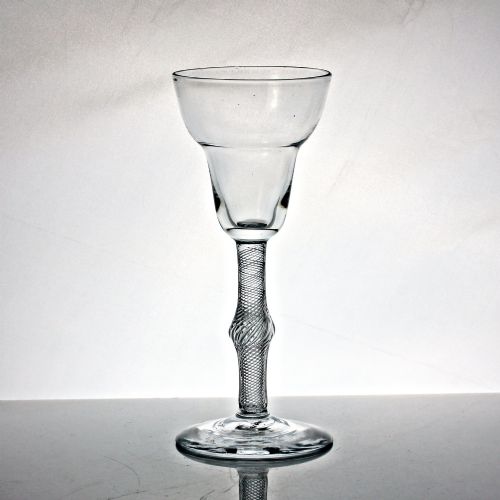
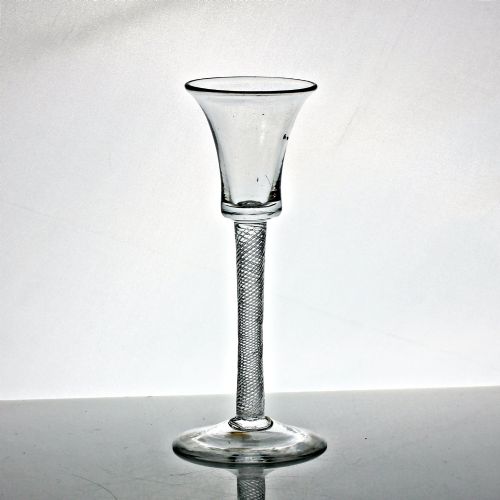
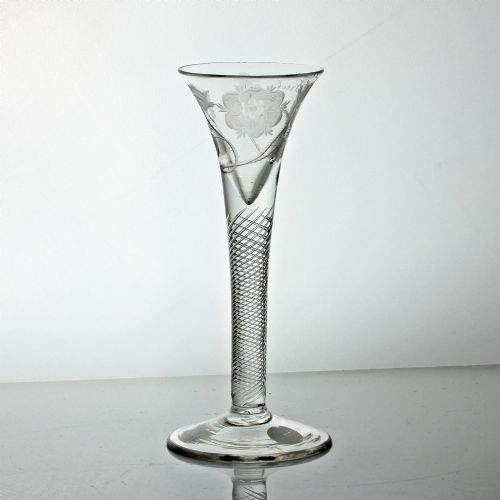
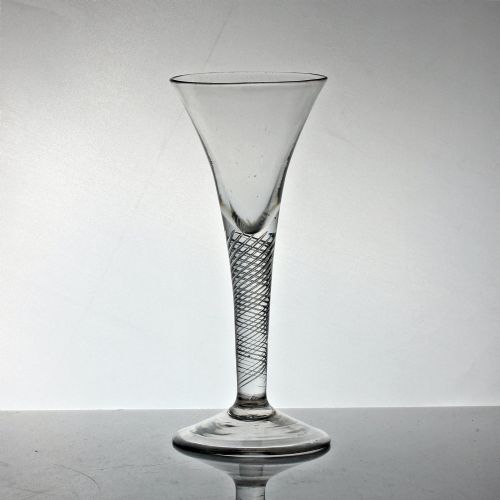
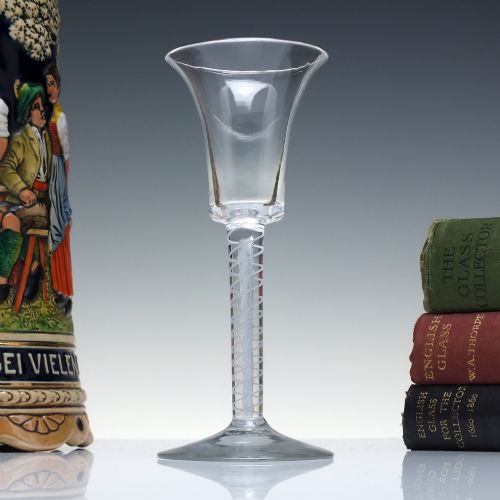
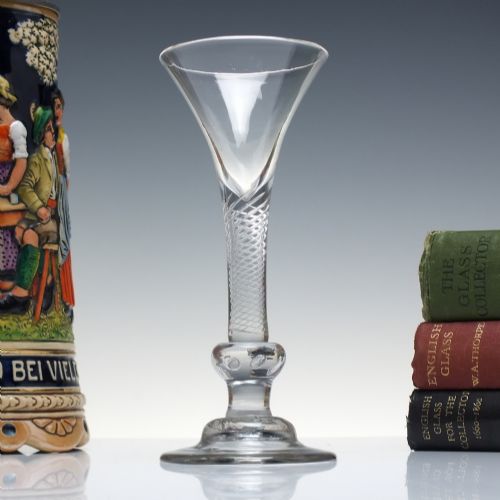
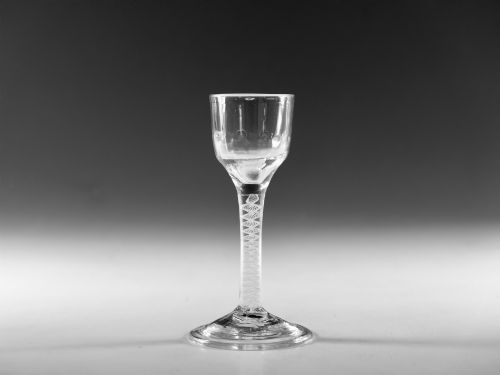
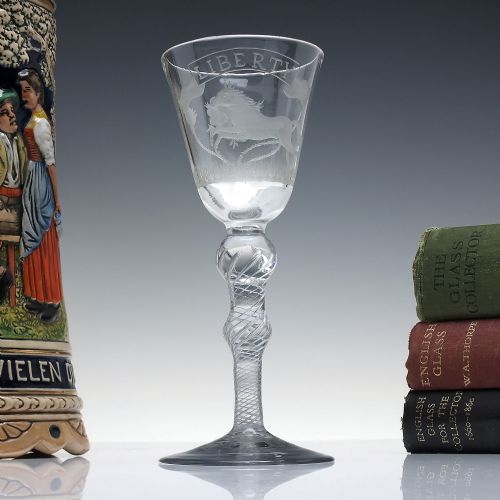
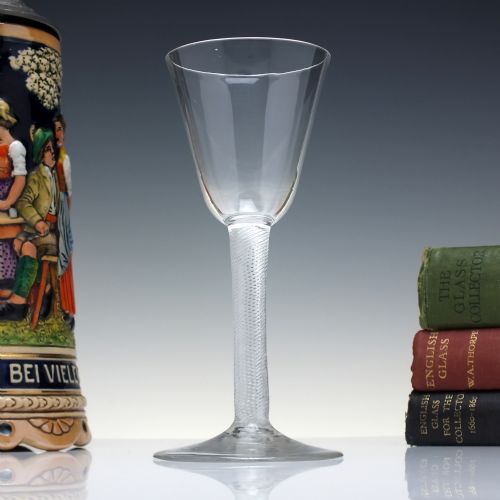
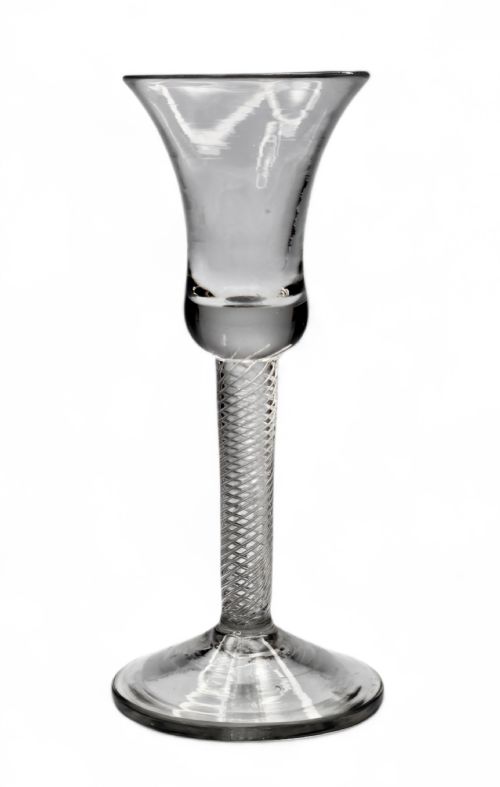
When you search for georgian air twist stem, you encounter drinking vessels originating primarily from the eighteenth century, alongside later revival pieces. These objects take the form of wine glasses, champagne flutes, ale glasses, and cordial glasses.
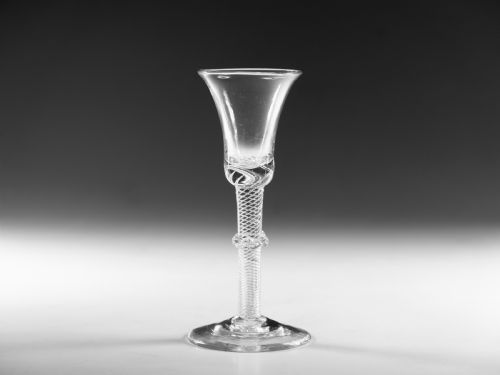
The most common examples on this page are eighteenth-century wine glasses and flutes, often featuring drawn or ribbed bowls atop slender stems enclosing elongated air bubbles. You also find composite stems and mixed twist variations from the same period.
Historical pieces sit alongside twentieth-century revivals, notably tall wine flutes produced around nineteen thirty. Both categories serve the same decorative and collectible function in a modern dining setting.
What varies in quality
Clarity and purity of the glass set individual examples apart, with superior pieces showing exceptional brilliance without cloudiness. The execution of the internal twist dictates visual appeal, demanding precision and symmetry from the glassblower.
Current listings feature pieces spanning the eighteenth century, the year nineteen thirty, and the Georgian revival period.
The Georgian Air Twist Stem Glossary
- Air twist
- A stem containing elongated internal air bubbles drawn into spirals during manufacture. This technique creates a delicate thread-like pattern inside the glass.
- Composite stem
- A stem combining two or more distinct construction methods, such as an air twist section joined with a knop or plain glass segment. These designs show considerable ingenuity by the glassmaker.
- Ogee bowl
- A bell-shaped bowl with an S-profile curving out at the rim and in at the base. This form appears frequently on mid-eighteenth-century drinking glasses.
- Fluted bowl
- A bowl decorated with vertical channels or ribs moulded into the lower portion. This adds texture and catches the light effectively.
- Domed foot
- A foot raised centrally into a dome shape before sloping down to the rim. It provides extra stability and visual prominence to the stem.
Georgian Air Twist Stem: Frequently Asked Questions
How do I clean my air twist glass?
Wash historic glassware by hand in warm soapy water using a soft cloth, avoiding sudden temperature changes.
Dry them immediately with a lint-free cloth to prevent water spots and preserve the clarity of the lead glass.
Can I still drink from these glasses?
Yes, many collectors enjoy using eighteenth-century and revival glasses for special occasions or quiet evening drinks.
Handle them with care, holding them by the stem rather than the bowl to protect the fragile glass.
What is a mixed twist stem?
A mixed twist combines an air twist formation with opaque white glass threads inside the same stem.
This hybrid technique became popular during the mid-eighteenth century and offers a striking visual contrast.
How do I distinguish eighteenth-century pieces from later revivals?
Examine the wear patterns on the underside of the foot, known as pontil marks, and check for the characteristic weight of lead glass.
Twentieth-century revivals often display greater uniformity and lack the subtle irregularities found in period items.