





George V Silver Container
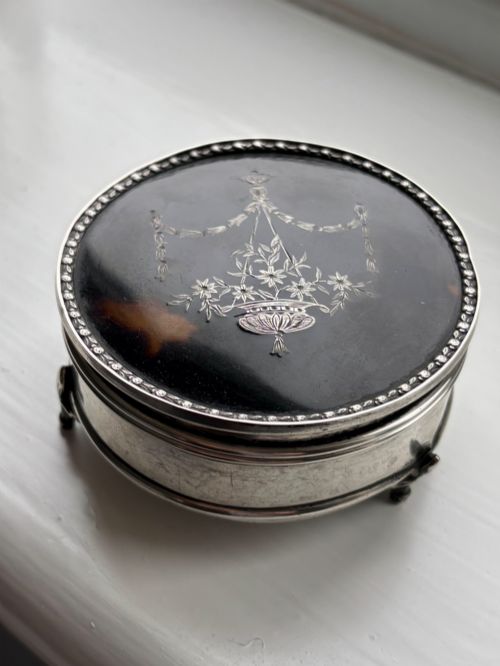
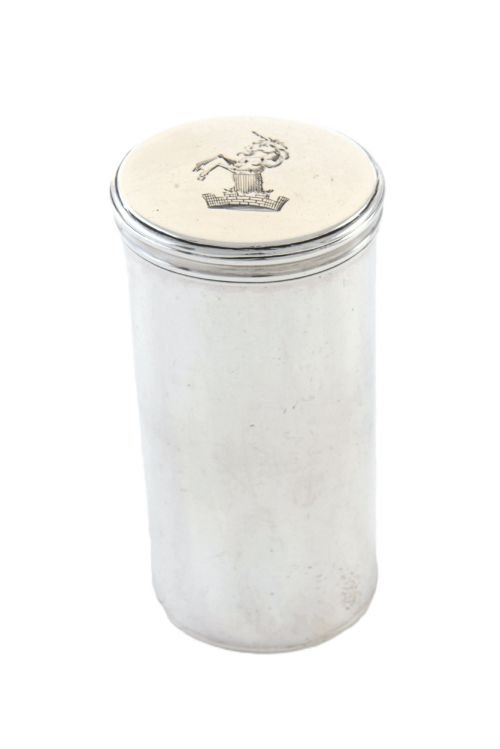
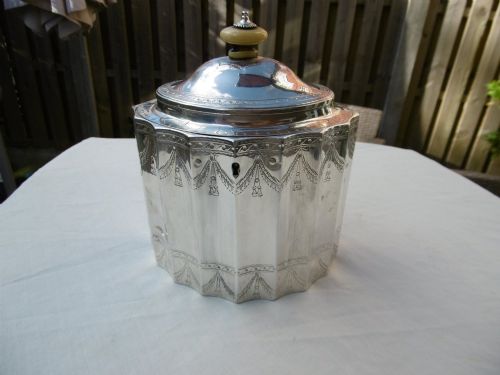
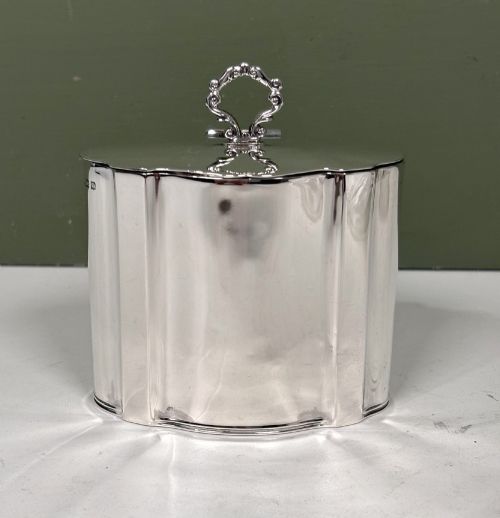
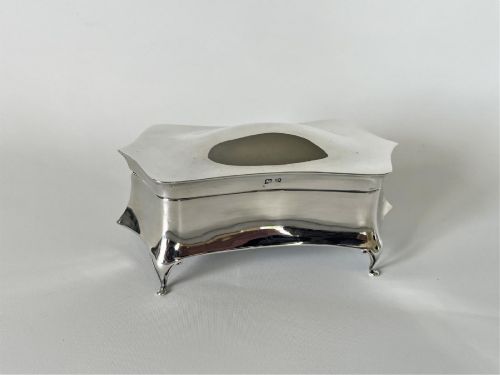
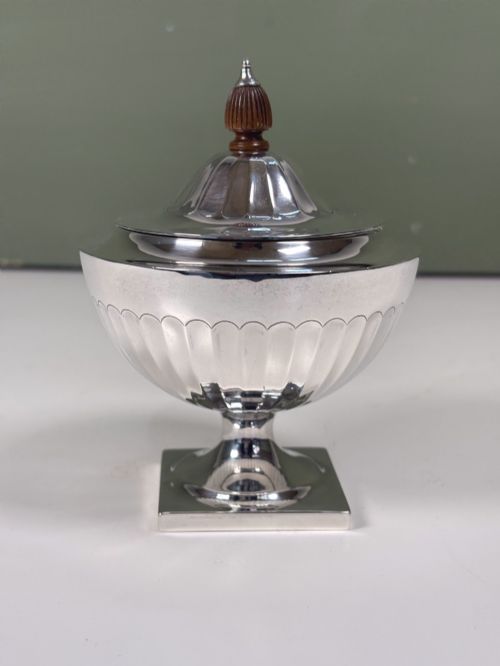
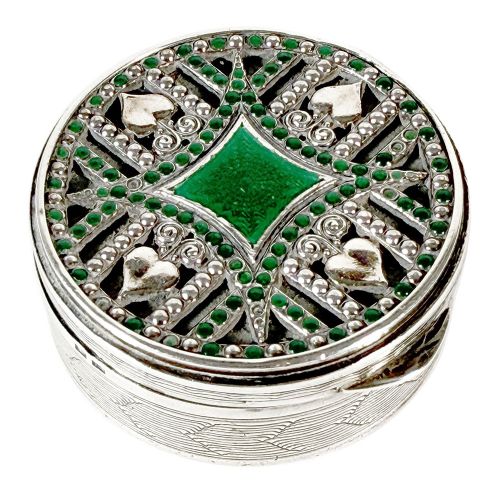
These pieces of george v silver container encompass solid silver tea caddies, trinket boxes, sovereign cases, and dressing table boxes.
George V Silver Container
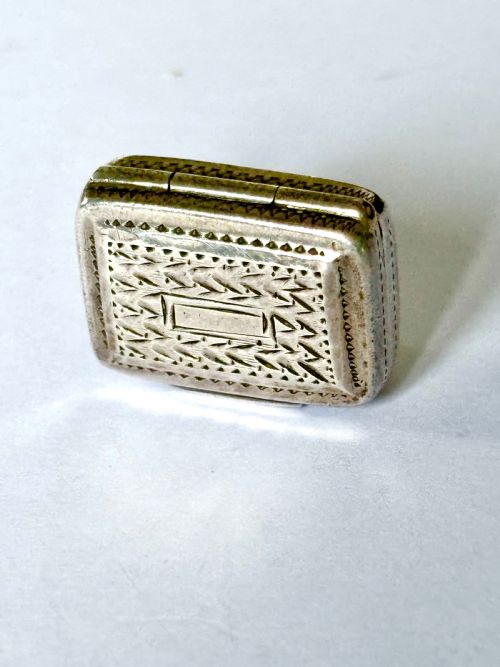
When you search for a george v silver container, you encounter a variety of small domestic vessels produced during the early twentieth century alongside earlier Georgian examples. Tea caddies, trinket boxes, sovereign cases, stamp boxes, and scent flasks form the core of this selection.
The George V pieces on this page sit alongside items from the Edwardian and Georgian periods, including the eighteenth century. Makers utilised sterling silver, solid silver, faux tortoiseshell, bone, wood, enamel, and ebony to fashion these items.
Tea caddies and dressing table boxes represent the larger domestic forms, while pill boxes, sovereign cases, and nutmeg graters provide smaller pocket formats. The stylistic influences range from George V and Edwardian to Art Nouveau and Art Deco.
What varies in quality
The standard of a george v silver container rests upon the crispness of the hallmarks, the weight of the metal, and the precision of the hinged mechanisms. Pieces by notable silversmiths demonstrate superior execution in their chasing, engraving, and structural joints.
The inclusion of contrasting materials, such as enamel, glass liners, or faux tortoiseshell panels, distinguishes more elaborate boxes from plain utilitarian vessels. The retention of original internal fittings and undamaged decorative surfaces elevates the standing of an individual piece.
Ollivant and Botsford·Robert Hennell·Paul Storr·Mappin and Webb·George Adam Scheid·William Eaton·John Bettridge·Henry Williamson Ltd·Elkington and Company
The George V Silver Container Glossary
- Sterling silver
- A silver alloy containing 92.5 percent pure silver by mass and 7.5 percent other metals, usually copper. This standard alloy provides the durability required for domestic boxes and containers.
- Hallmark
- An official stamp applied by an assay office to indicate the purity of the metal, the maker, and the year of production. British silver bears marks that trace its origin to cities including London and Birmingham.
- Vinaigrette
- A small ornamental box featuring an internal pierced grille, designed to hold a sponge soaked in aromatic vinegar. These portable containers date from the Georgian period onward.
- Caddy
- A small box or jar used for storing tea leaves, often fitted with a locking lid to protect expensive dry goods. Eighteenth-century and George V examples frequently appear in silver.
- Sovereign case
- A small pocket container engineered to hold gold sovereign coins securely. These cases often feature sprung lids and suspension rings for attachment to watch chains.
George V Silver Container: Frequently Asked Questions
What is a george v silver container used for?
These silver vessels served various domestic and personal functions, from storing dry tea leaves in caddies to housing stamps, trinkets, pills, and sovereign coins. Dressing table boxes kept personal ornaments tidy, while scent flasks and mustard pots held liquids and condiments.
Today, collectors utilise these containers on dressing tables, desks, or in cabinet displays. Their compact sizes make them practical for holding modern small items while retaining their historical character.
How do I date a silver box?
Dating a silver box relies primarily on the assay office hallmarks stamped into the metal. These marks include date letters that correspond to specific years of production for cities like London, Birmingham, and Sheffield.
Stylistic indicators also help determine the era, distinguishing George V and Edwardian designs from earlier Georgian or Art Nouveau pieces. Comparing the decorative motifs against known historical periods confirms the age.
Are these containers made of solid silver?
Many of the items listed are fashioned from solid or sterling silver, conforming to the British standard of purity. Silversmiths used this precious metal for the bodies, lids, and mounts of tea caddies, sovereign cases, and pill boxes.
Some pieces incorporate secondary materials such as wood interiors, glass liners, bone, or faux tortoiseshell panels. These combinations provided structural stability and aesthetic contrast for dressing table accessories.
What styles appear in these silver boxes?
The pieces span several distinct design movements, including traditional Georgian, George III, and the later George V aesthetic. Edwardian interpretations also emerge alongside revival styles like Georgian Revival.
Decorative elements draw upon Art Nouveau and Art Deco vocabularies, featuring enamel work, ebonised wood, and clean geometric lines. Novelty forms, such as fish-shaped vinaigrettes or pagoda mustard pots, show playful craftsmanship.