
George III Period Furniture
When you handle george iii period furniture, you touch timber selected for grain and worked by hands that shaped the domestic interior.
George III Period Furniture
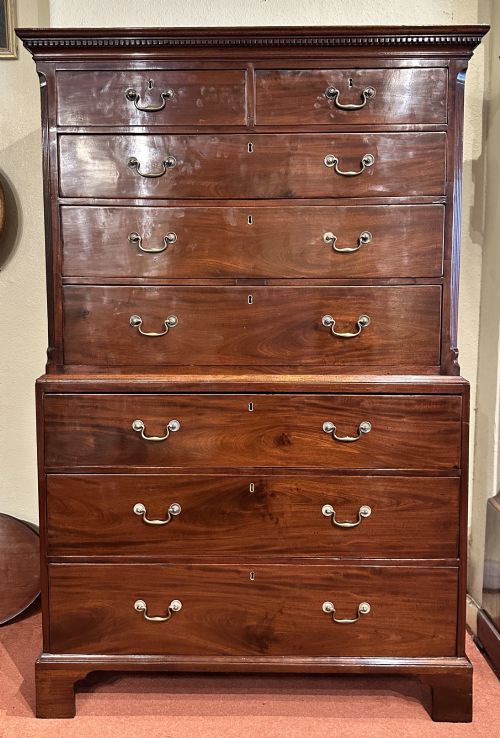
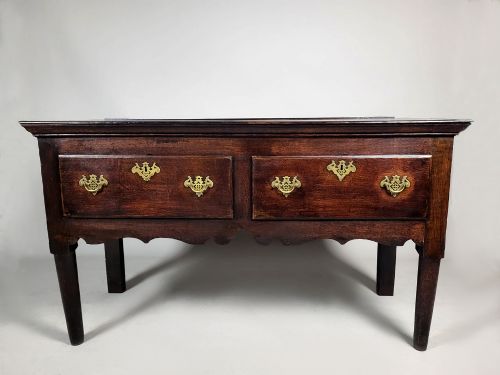
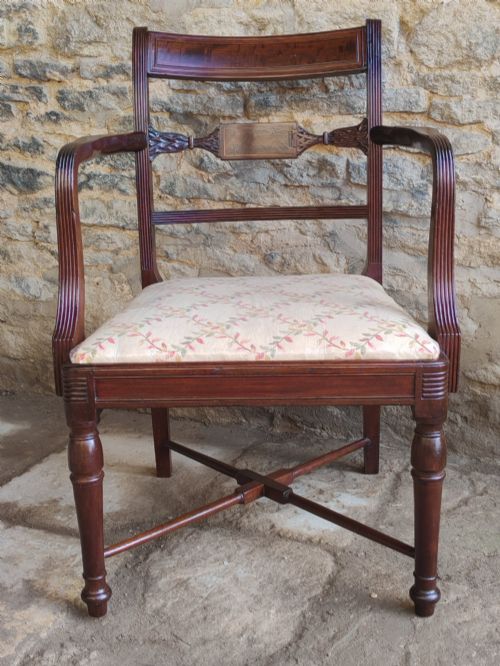
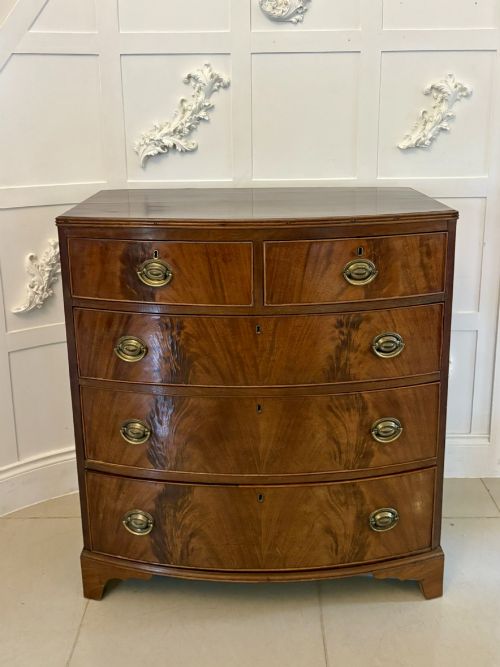
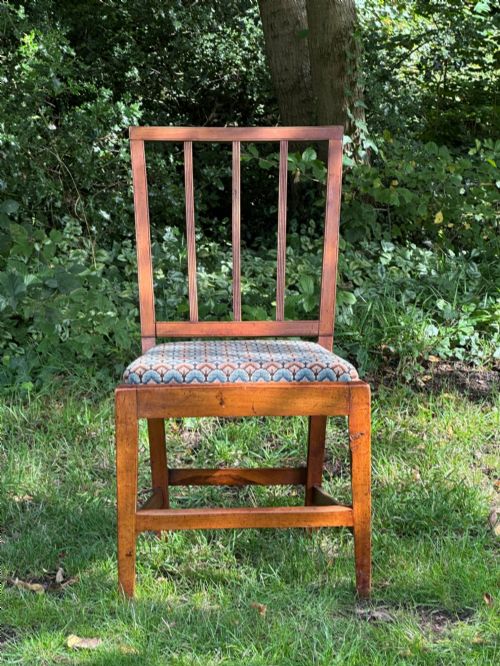
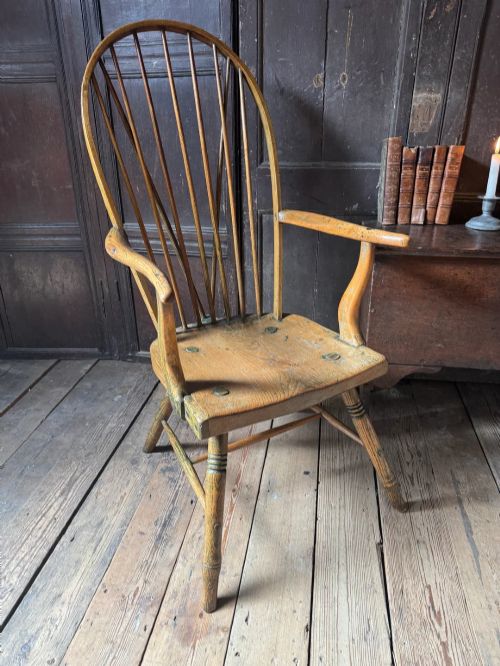
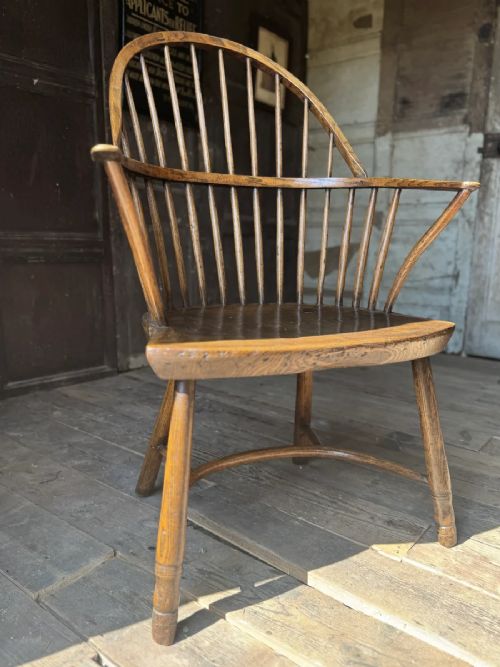
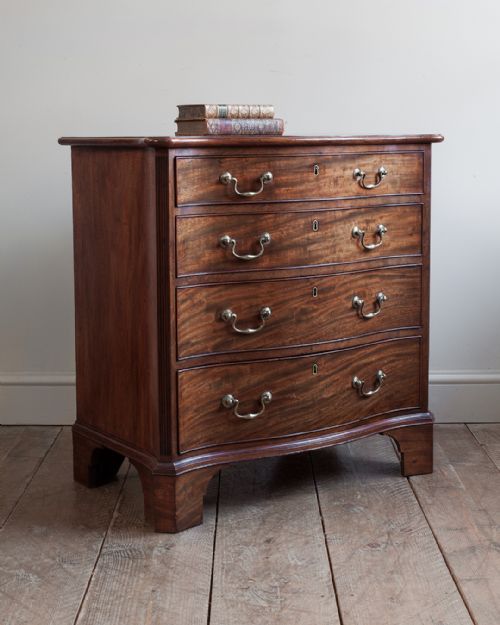
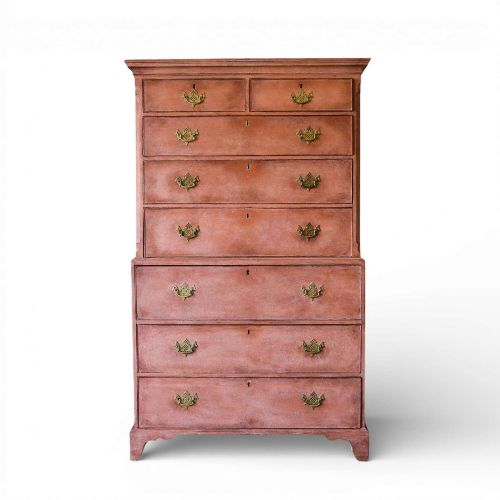
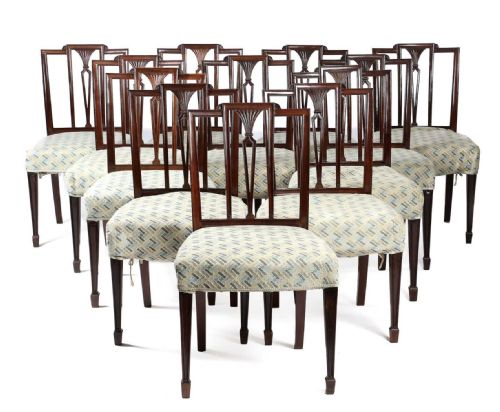
When buyers search for george iii period furniture, they encounter pieces originating from the eighteenth and early nineteenth centuries, spanning cabinetwork and seating. The selection runs from formal dining chairs and serpentine chests of drawers in figured mahogany to country house oak dressers and elm Windsor armchairs.
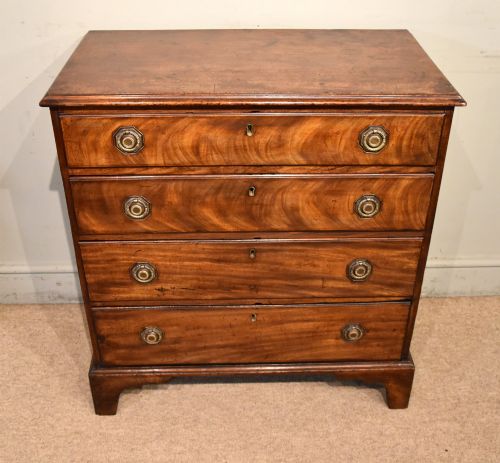
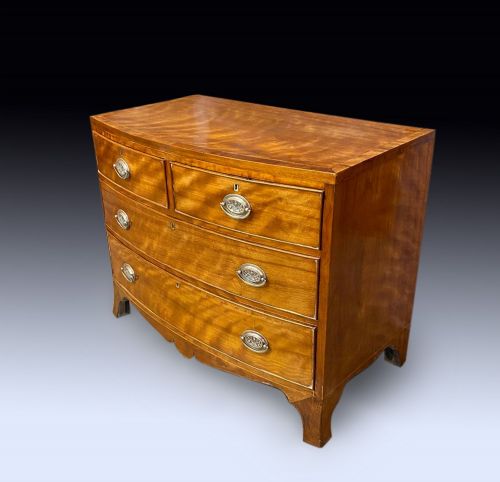
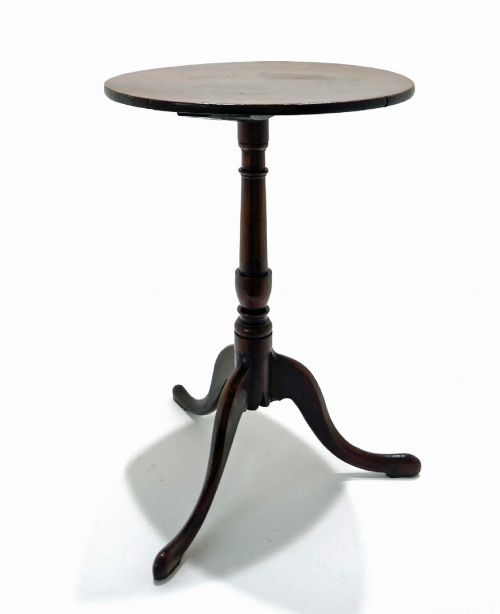
The version most likely to appear on this page is the mahogany chest of drawers, alongside dining chairs and occasional tables. These forms bridge urban workshop design and regional vernacular traditions, utilising native and imported timbers.
How they were made
Cabinetmakers constructed carcases and tabletops using solid mahogany, oak, and elm, often applying satinwood veneers and burr yew highlights to prominent surfaces. Brass handles, escutcheons, and castors provided functional and decorative accents.
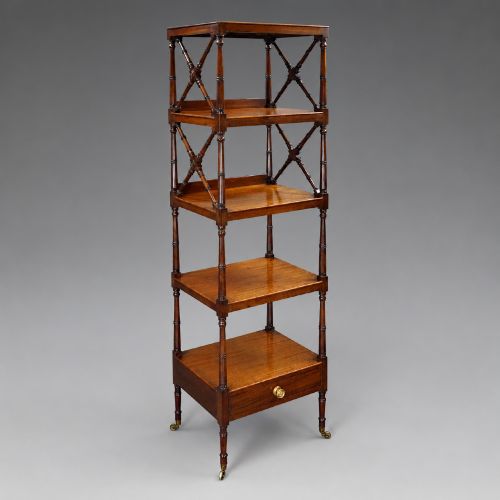
Joinery relied on traditional dovetailing for drawer construction and mortise and tenon joints for frames. Turning and fretwork shaped columns, stretchers, and splats on chairs and tables.
Some chests of drawers hide sliding trays and secretaire drawers designed to keep secret correspondence out of sight.
What varies in quality
The grade of timber dictates visual depth, separating plain boards from figured mahogany, burr elm, and burr yew with rich grain movement. Selection of secondary woods inside drawer linings indicates the care taken by the maker.
Proportion and execution of detail govern the success of a piece, from crisp frets on mirrors to the fluidity of carved chair splats. Integration of original brasses and untouched surface patination elevate surviving examples.
The George III Period Furniture Glossary
- Bow front
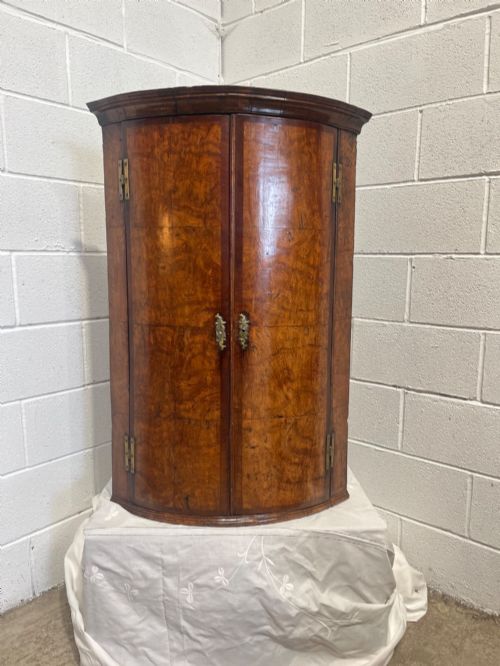
- A convex curved cabinet front popular in the late eighteenth century. It softens the corners of chests and commodes.
- Serpentine
- A front configuration shaped with a central convex curve flanked by concave sections. This profile demands advanced cabinetmaking skill.
- Pembroke table
- A small table with hinged drop leaves on two opposing sides. It usually includes a single drawer and slender legs.
- Dumb waiter
- A tiered revolving stand used in dining rooms to hold dishes without servants present. Pieces often feature multiple graduating circular trays.
- Crinoline stretcher
- An arched metal or wooden brace connecting the legs of windsor chairs. It strengthens the lower framework.
George III Period Furniture: Frequently Asked Questions
How do I identify a genuine piece?
Examine the construction methods visible inside drawers and on the underside, looking for hand-cut dovetails and timber shrinkage consistent with age.
Compare the secondary woods and surface patination against known period examples to confirm authenticity.
What woods were commonly used?
Mahogany served as the primary timber for formal urban cabinetwork throughout the period. Regional makers relied on native oak, elm, ash, and birch.
Satinwood and burr veneers appeared on high-status decorative surfaces by the late eighteenth century.
How do I care for wooden surfaces?
Keep pieces away from direct heat sources and strong sunlight to prevent timber splitting and fading. Maintain stable indoor humidity levels.
Apply occasional traditional wax polish to nourish the grain and protect the surface finish.
Were these pieces made in sets?
Dining chairs were produced in sets for formal households, though surviving numbers vary due to dispersion over time. Tables and case furniture generally stood as single standalone items.
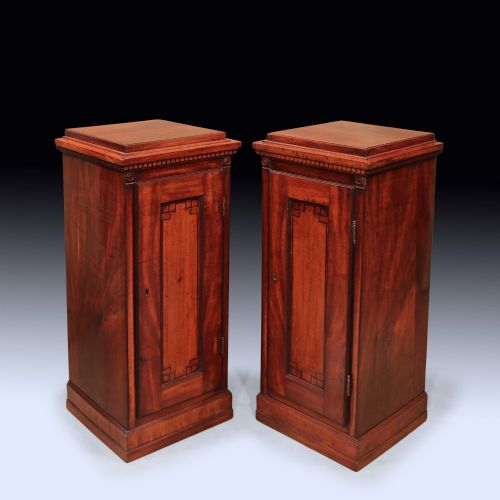
Matching pairs of pedestal cupboards or commodes were commissioned for balanced room layouts.