

George III Pedestal Stand
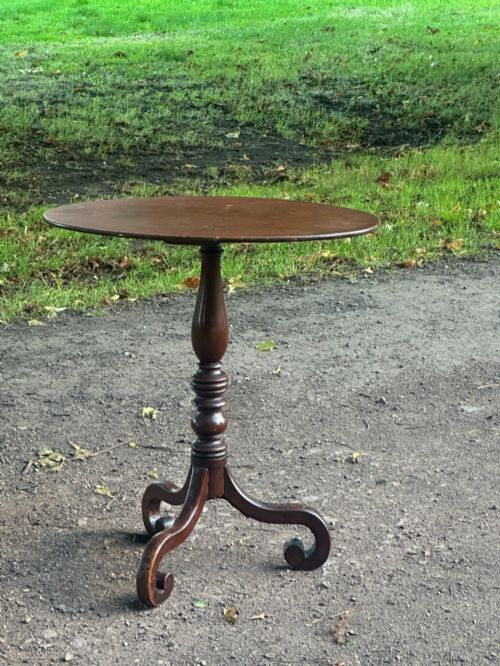
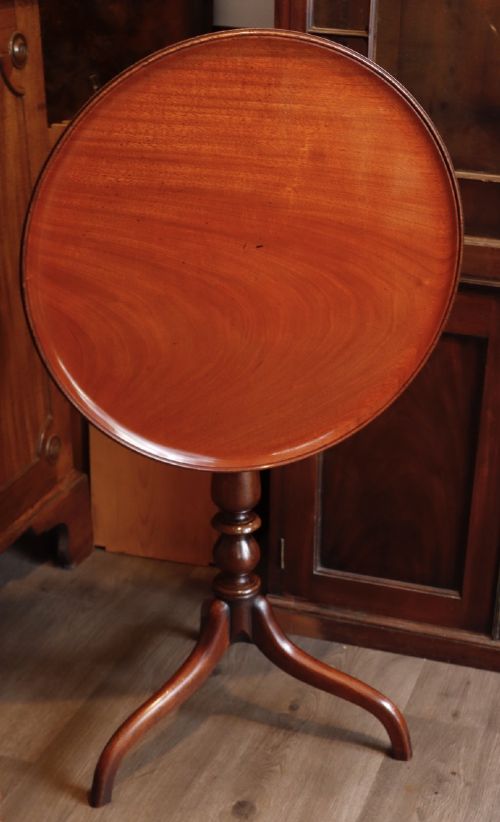
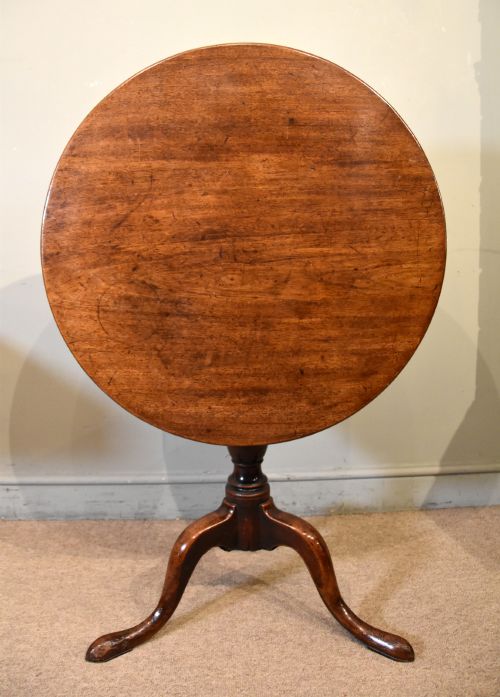
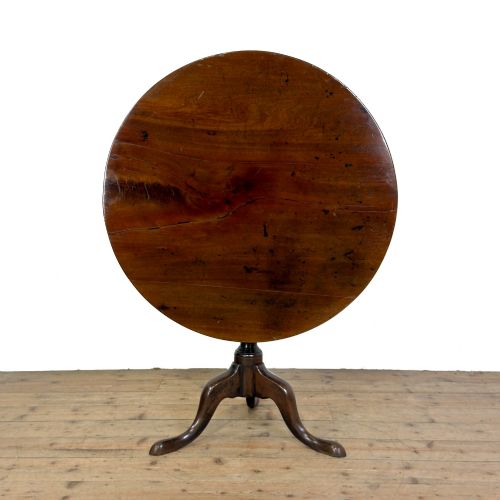
A george iii pedestal stand brings useful surface space and architectural proportion to a room, most often appearing as a mahogany tripod or wine table.
George III Pedestal Stand
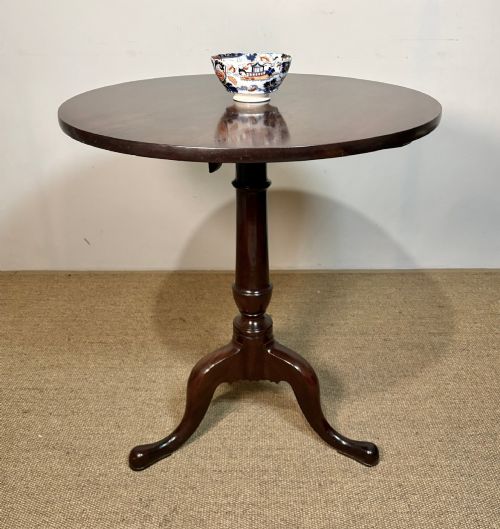
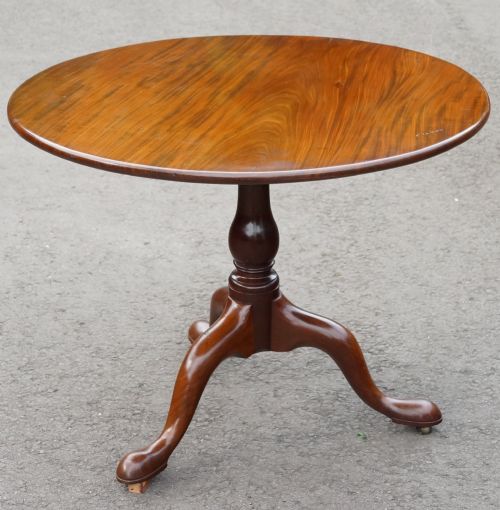
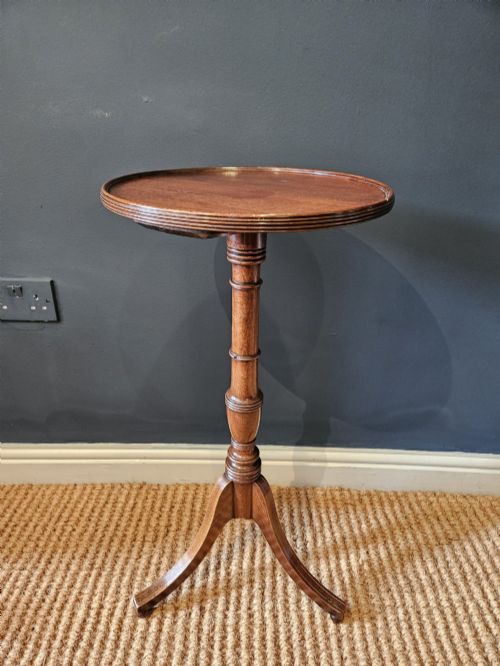
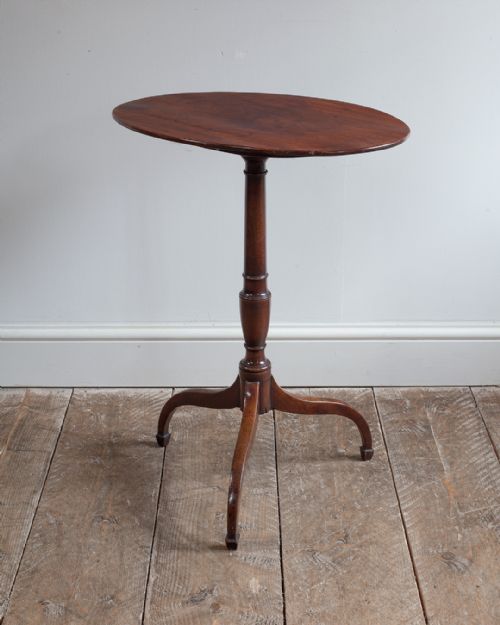
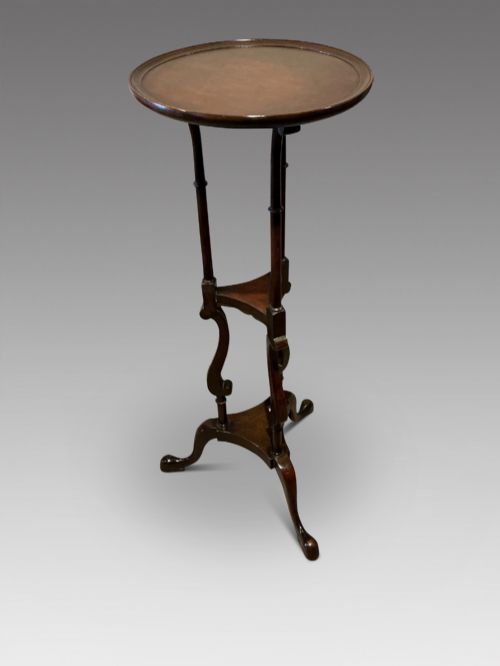
A george iii pedestal stand encompasses versatile forms such as tripod tables, wine tables, candle stands, occasional tables, and torcheres from the eighteenth century and the Georgian period. These pieces function as small movable tables designed for holding lamps, drinks, or small decorative items.
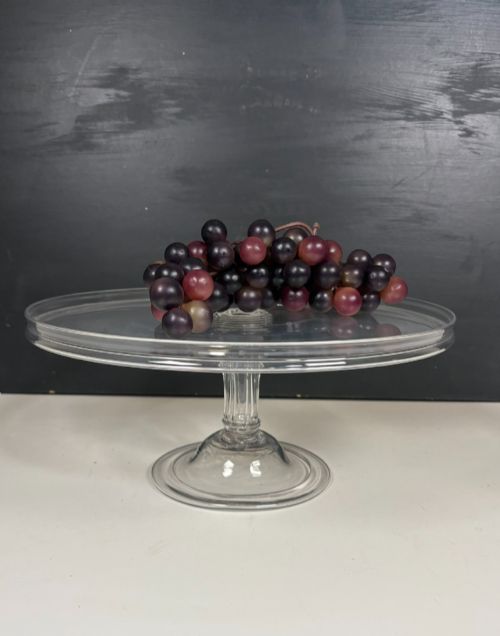
Mahogany forms the dominant material across the selection, accompanied by occasional examples in oak, satinwood, walnut, and glass tazza pieces. The predominant style is Georgian, alongside George III Neoclassical, Regency, and Chippendale Revival interpretations.
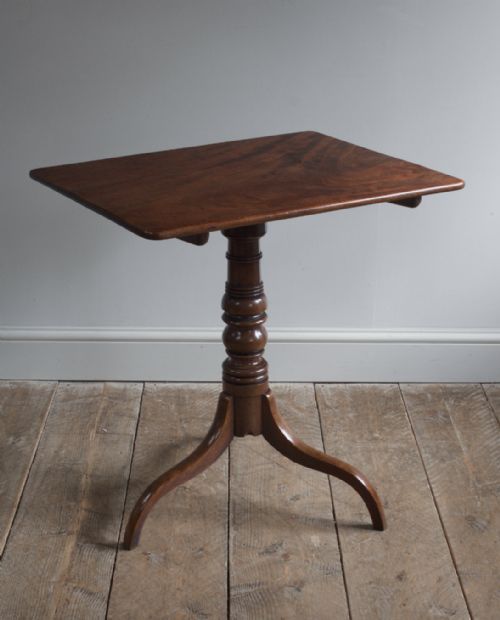
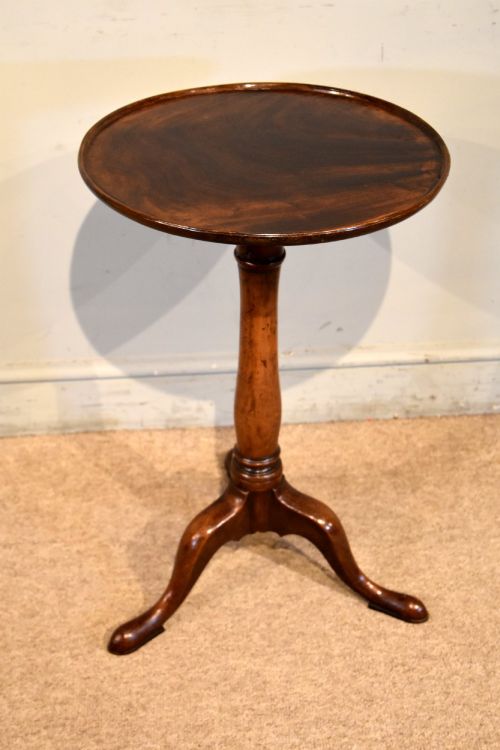
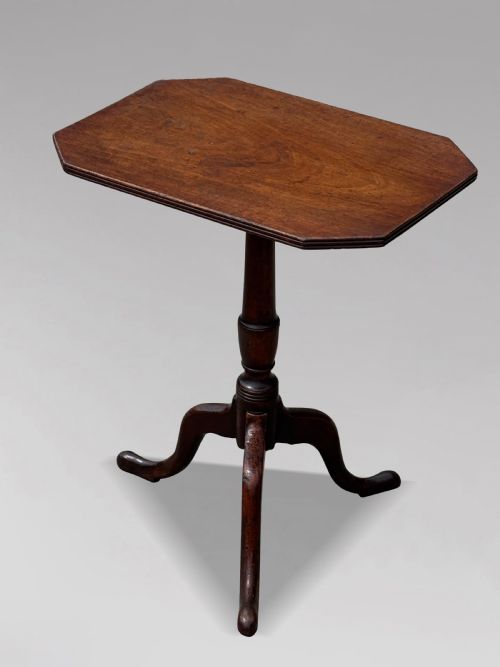
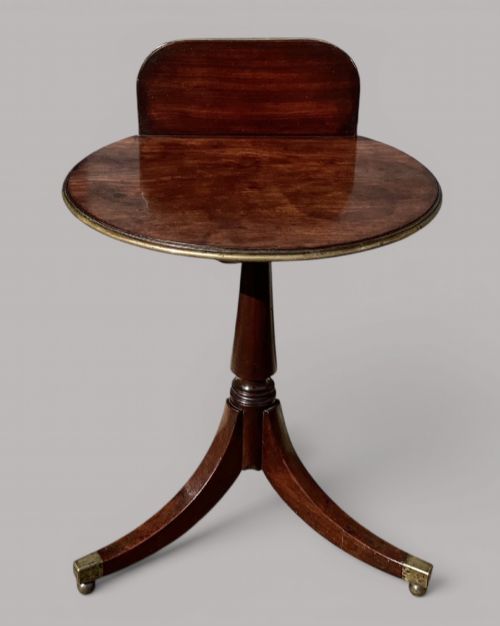
The most common survival on this page is the tripod table, often featuring a circular or oval top supported by a central pillar and three legs. Vernacular pieces, snap-top variants, and kettle stands also appear among the listed items.
How they were made
Cabinetmakers constructed these stands predominantly from solid mahogany or oak, sometimes incorporating satinwood or walnut veneers and marquetry inlay. Timber selection prioritised grain pattern and stability for the central pillar and slender legs.
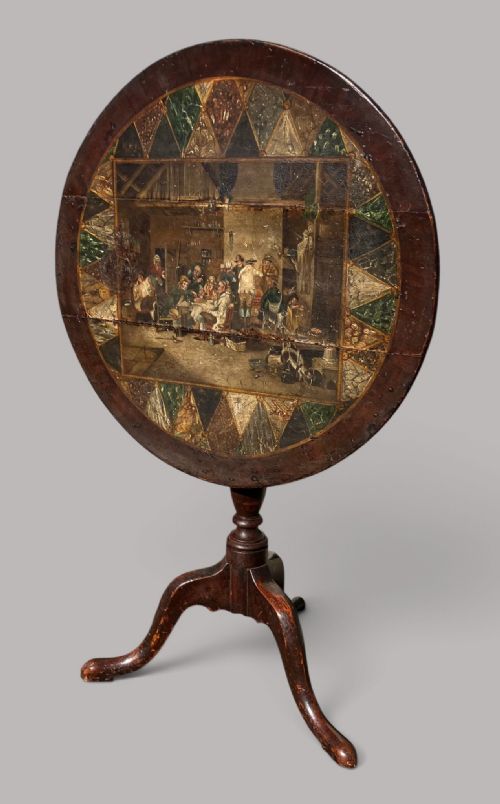
Joinery techniques included tilt-top mechanisms using brass catches, clever turning for pedestals, and sturdy jointing where the three legs meet the central column. Surfaces received hand polishing or traditional painted finishes, as seen in naive vernacular examples.
George III Pedestal Stand Retail Price Guide 2026
Typical asking prices for george iii pedestal stand among the pieces listed under this phrase on Sellingantiques today, from the lower quarter to the upper quarter. They describe what is for sale here now, not the wider market.
What varies in quality
The refinement of the timber and the crispness of the turning on the pedestal column distinguish standard examples from finer pieces. Superior items display well-figured mahogany grain, balanced proportions, and careful attention to the shaping of the tripod legs.
Subtleties in the joinery and the presence of original mechanisms, such as snap-top catches or brass fittings, elevate a piece. Vernacular examples derive their interest from honest construction and original surfaces, such as naive paintwork, rather than high-style cabinetmaking.
The George III Pedestal Stand Glossary
- Tripod table
- A small freestanding table supported by a central pillar resting on three legs. This form dominates the george iii pedestal stand category.
- Tilt-top
- A hinged tabletop mechanism that allows the surface to fold vertical when not in use. This saves floor space in smaller period rooms.
- Kettle stand
- A small low table designed to hold a hot water kettle for tea service. They often feature square tops and slender proportions.
- Torchere
- A tall decorative stand or pedestal meant to support a candle or lamp. These vertical pieces elevate light sources within a room.
- Tazza
- A shallow saucer-shaped vessel or pedestal plate raised on a central foot. Glass examples appear within this grouping.
George III Pedestal Stand: Frequently Asked Questions
What rooms suit a george iii pedestal stand?
These compact stands work well beside armchairs, sofas, or in corners where surface space is limited. Their small footprint allows them to hold drinks, lamps, or books without crowding the floor.
Because many feature tilt-top mechanisms, they can fold flat and stand against a wall when extra floor space is needed in a room.
How do I identify a tripod table?
A tripod table relies on a central turned pedestal supported by three radiating feet, giving it stability on uneven floors. The top is frequently round or oval, and sometimes attached to a birdcage or tilt mechanism.
They emerged as popular portable furniture during the Georgian period for dining rooms, drawing rooms, and parlours.
What is the difference between a candle stand and a wine table?
Candle stands were originally built with small tops specifically to hold wax candles for task lighting before electric lamps existed. Wine tables similarly offered a compact surface to hold glasses and bottles during social evenings.
In modern usage, the terms often overlap as both describe small circular or oval occasional tables on pedestals.
Are these stands sturdy enough for daily use?
Most pieces were built by period cabinetmakers using dense hardwoods like mahogany and oak, making them structurally robust for everyday placement. The three-legged design naturally accommodates uneven historical floorboards without rocking.
Care should be taken with tilt mechanisms and slender leg joints when moving them between rooms.