



George III Oak Furniture
George iii oak furniture brings honest, hardworking timber into the domestic interior with a directness that later periods rarely match.
George III Oak Furniture
George iii oak furniture encompasses domestic utility pieces produced across the Georgian era, ranging from robust dressers and lowboys to chests of drawers and country house armchairs. These forms reflect both provincial practicality and considered cabinetmaking, serving everyday needs in rural and urban households alike.
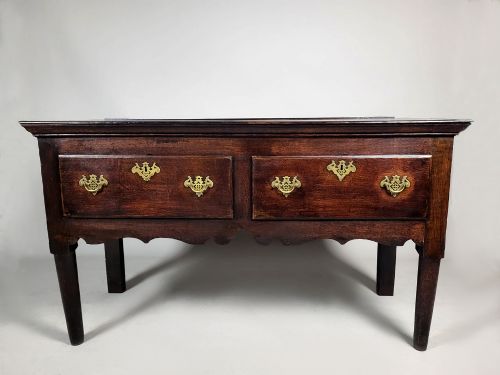
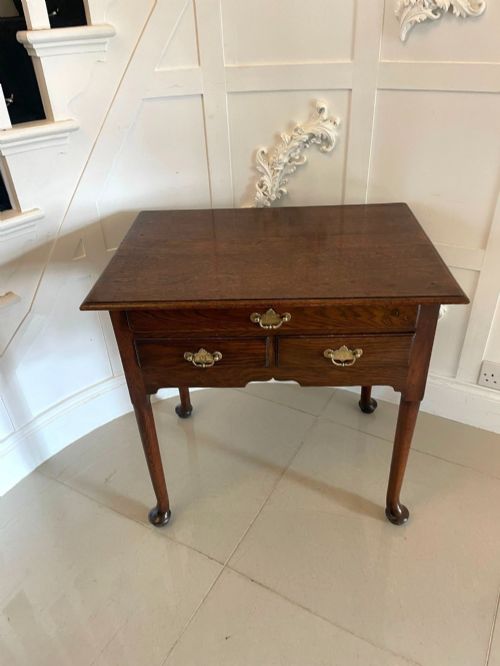
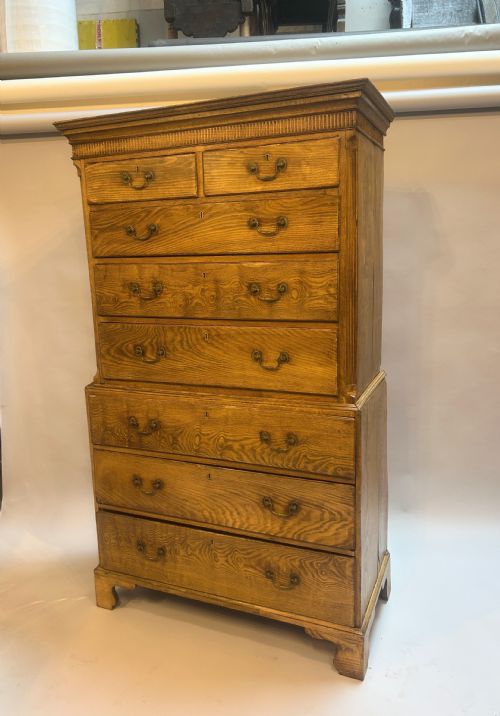
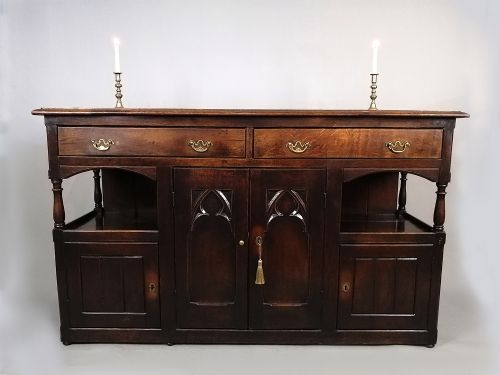
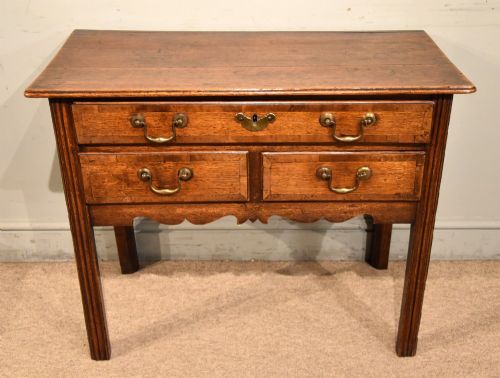
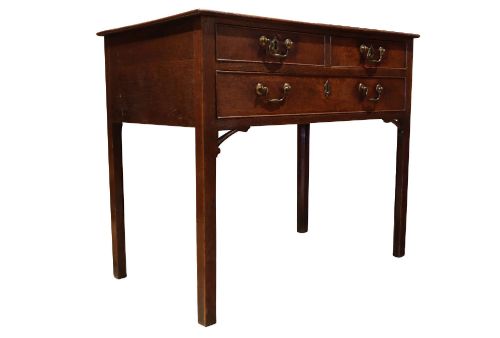
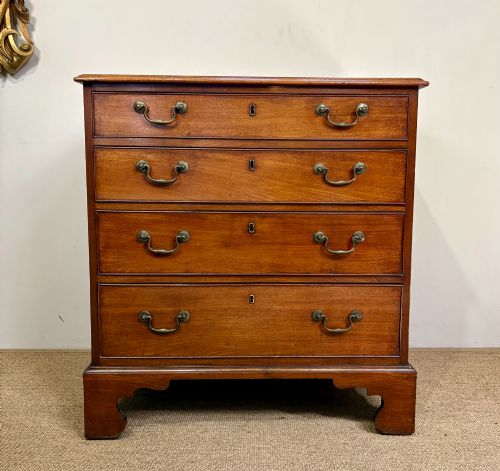
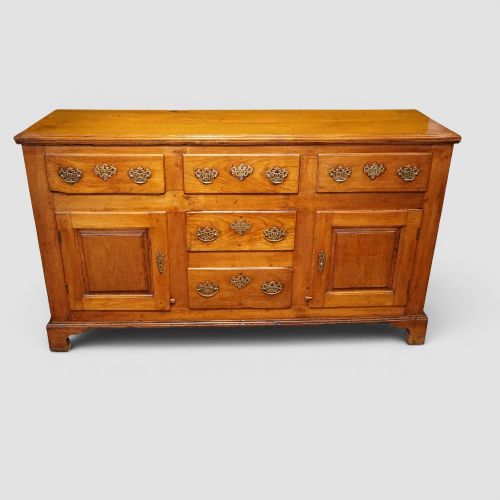
The version most commonly encountered on this page is the utilitarian storage or serving piece, such as an oak lowboy, a potboard dresser base, or a chest of drawers. These utilitarian forms rely on sturdy construction and practical timber choices rather than superficial ornamentation.
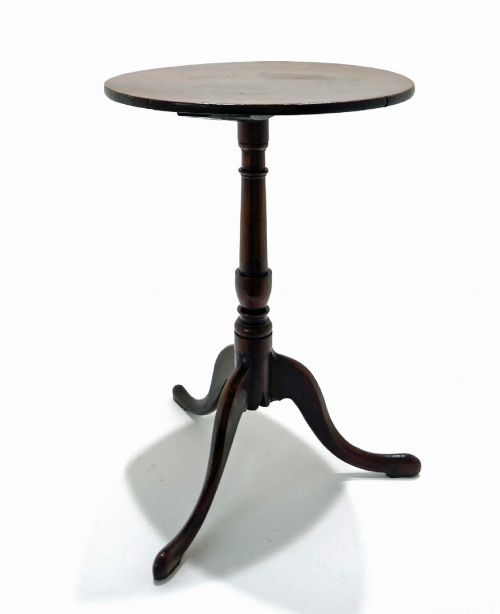
Regional variations also surface frequently within these listings, notably Welsh oak pieces such as cricket tables, bacon settles, and traditional cupboards like the cwpwrdd deuddarn. Such items introduce distinct local forms built to address specific domestic habits of the eighteenth century.
Materials and construction
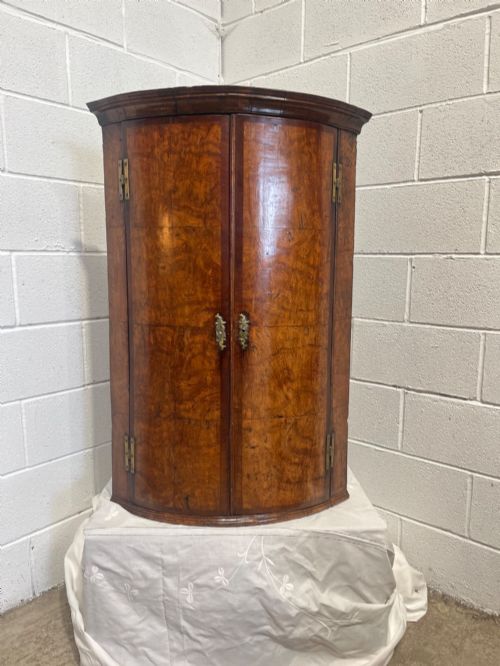
The primary material across these pieces is solid oak, frequently supplemented by secondary timbers such as fruitwood, elm, and burr oak for contrast or structural strength. Cabinetmakers selected these domestic hardwoods for their resilience and distinctive grain patterns.
Construction relies heavily on traditional joinery methods suited to solid timber, pairing exposed structural elements with fitted brasses for handles and escutcheons. Occasional pieces also integrate iron fittings or glass panels where function requires.
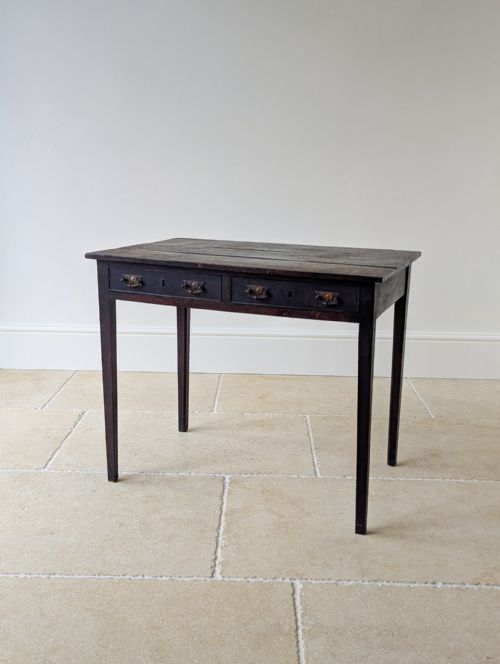
Listings feature oak alongside fruitwood, elm, and burr oak, spanning forms from lowboys and dressers to bacon settles and cricket tables.
Distinctions in quality
Quality in these pieces is dictated by the selectivity of the timber and the integrity of the original surfaces, where retained patination and untouched brasses elevate a piece significantly. Finer examples display thoughtful grain matching and deliberate proportion rather than mere utility.
Regional vernacular items demonstrate quality through the sureness of their construction and the cleverness of local design adaptations, such as turned legs on cricket tables or robust framing on potboard dressers. The best work balances unpretentious strength with a clear harmony of form.
The George III Oak Furniture Glossary
- Lowboy
- A small side table featuring one or more rows of drawers beneath the working surface, frequently used as a dressing table or general side table.
- Dresser base
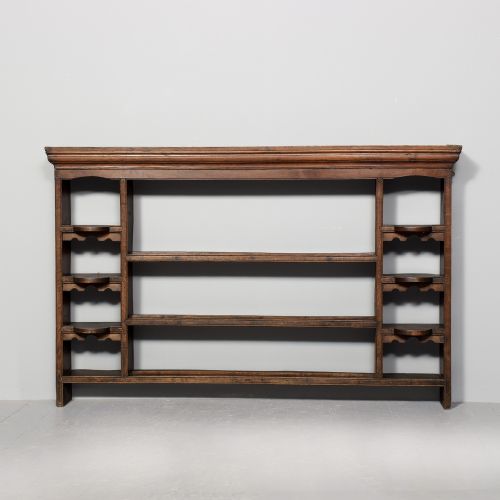
- The lower section of a kitchen or dining room storage unit, often fitted with drawers and cupboards below an open potboard or paired with an upper wall rack.
- Cricket table
- A small three-legged occasional table with a round top, prized for its inherent stability on uneven farmhouse floors.
- Bacon settle
- A high-backed wooden seat incorporating an enclosed storage compartment traditionally utilised for curing and hanging meat.
- Cwpwrdd deuddarn
- A traditional Welsh two-part press cupboard designed for household linen and provisions.
George III Oak Furniture: Frequently Asked Questions
What defines george iii oak furniture?
These pieces comprise domestic furnishings made from British hardwoods during the reign of George iii, spanning the second half of the eighteenth century and the early years of the nineteenth.
They bridge the gap between heavy seventeenth-century traditions and the lighter, more refined classical styles that followed.
How do I care for antique oak?
Solid oak benefits from consistent indoor humidity and occasional applications of traditional beeswax to nourish the dry timber.
Avoid placing pieces near direct heat sources to prevent the solid wood from splitting or warping over time.
Were these pieces made in cities or the country?
The inventory includes both urban cabinetmaker production and sturdy provincial or country house workshops.
Regional pieces often display unique local building traditions, such as the distinctive form of Welsh dressers and cricket tables.
How can I tell if the brasses are original?
Original brass handles and escutcheons generally leave characteristic ghost impressions on the timber and match the oxidation patterns of the surrounding wood.
Later replacements often utilise existing fixing holes but may sit differently within the grain or display brighter, less patinated metal.