
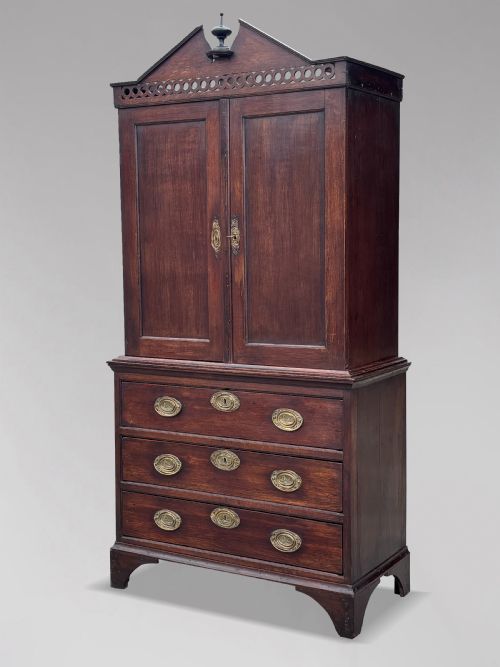

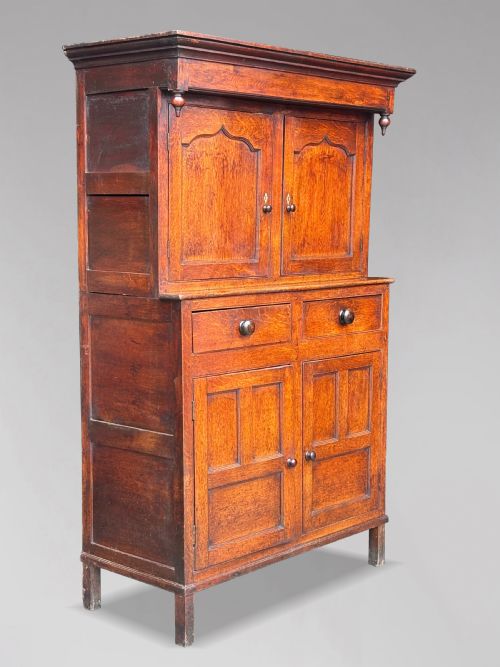

George III Oak Drawers
George iii oak drawers bring sturdy 18th-century provincial craftsmanship and rich timber grain into modern rooms.
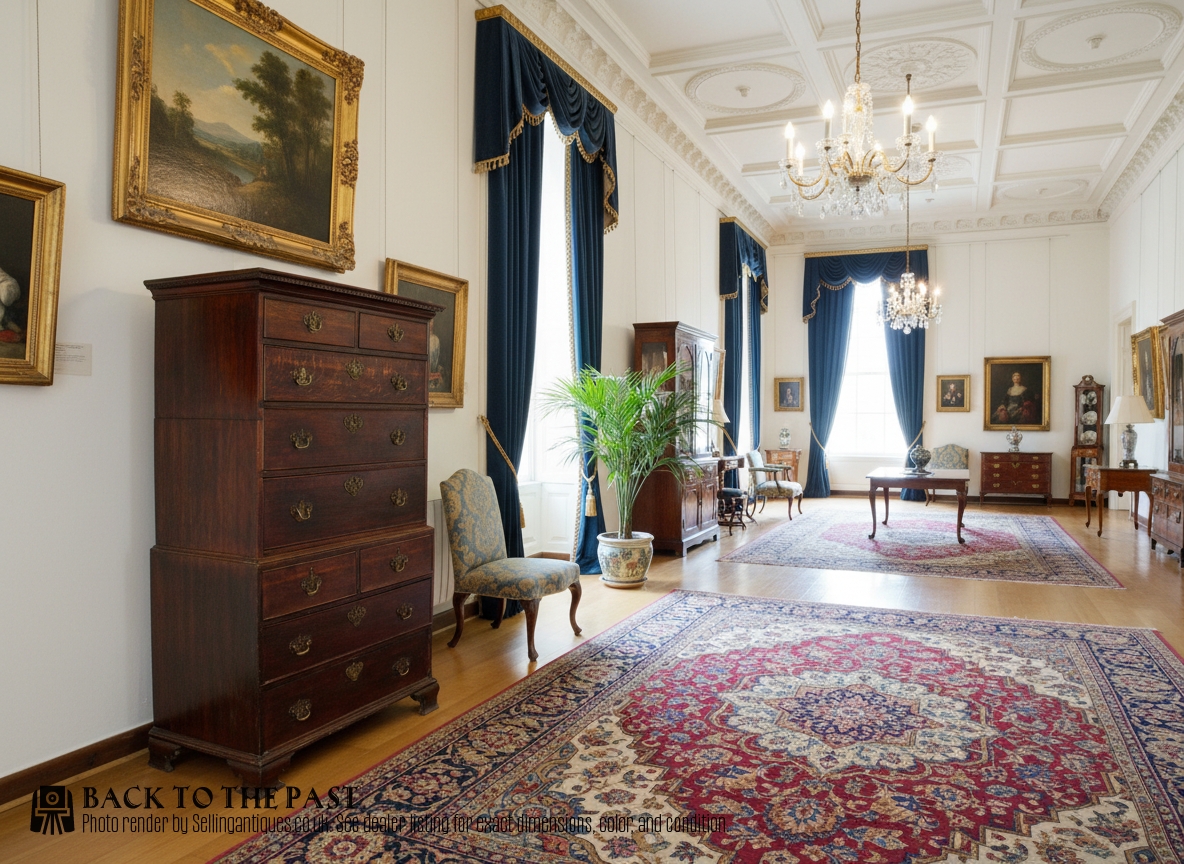
George III Oak Drawers
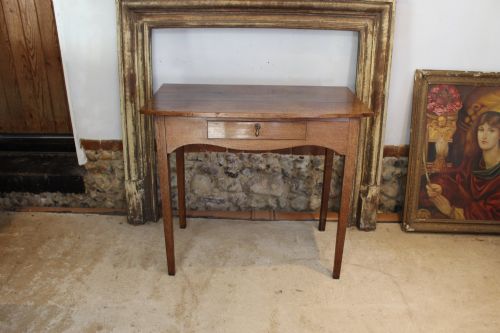
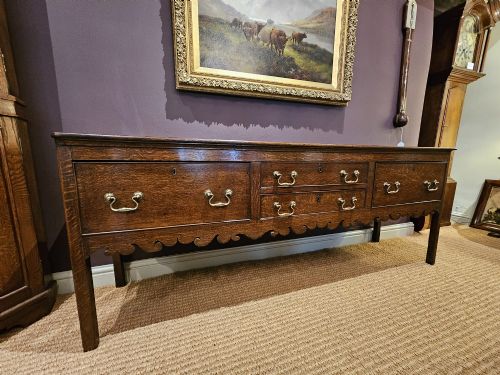
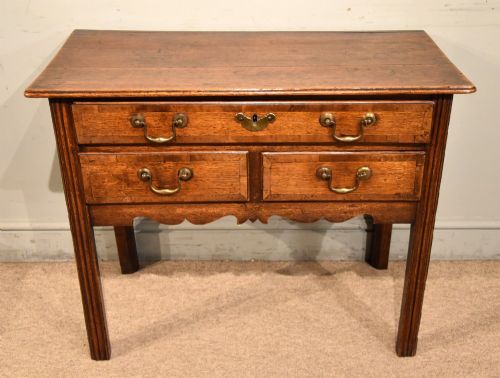
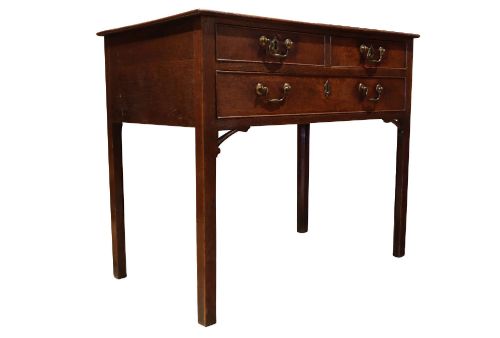
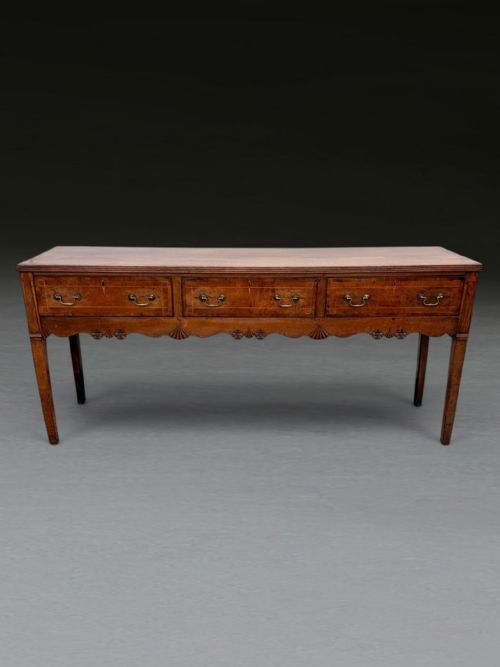
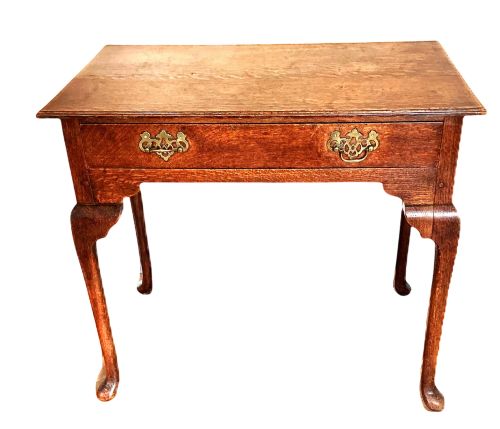
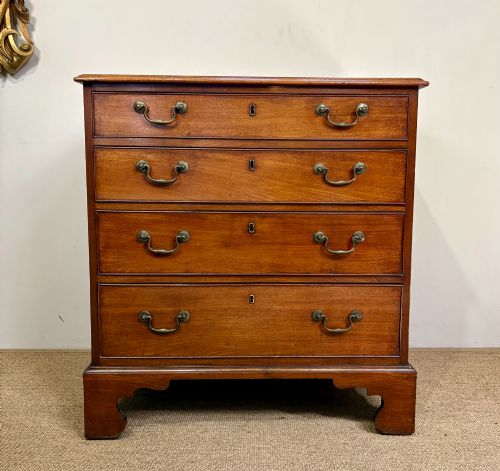
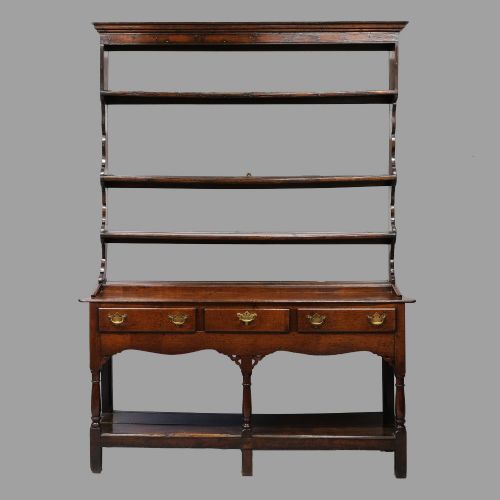
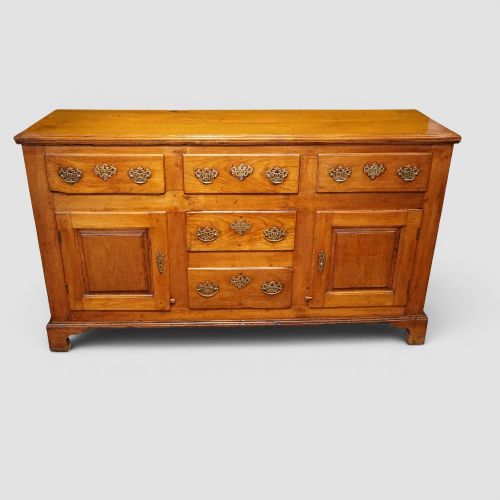
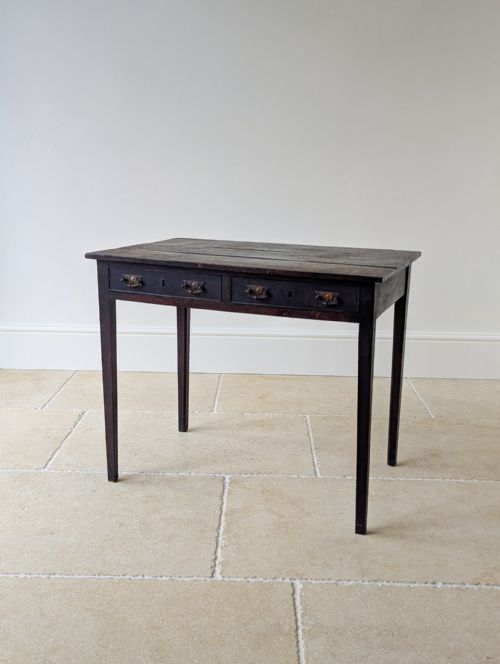
When searching for george iii oak drawers, buyers encounter a robust array of storage pieces dating from the Georgian period through the end of the eighteenth century. Chests of drawers dominate the selection, appearing alongside dressers, lowboys, side tables, and linen presses.
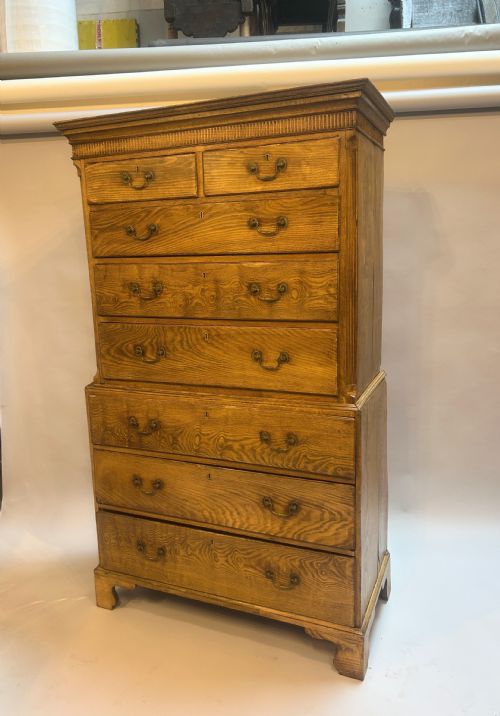
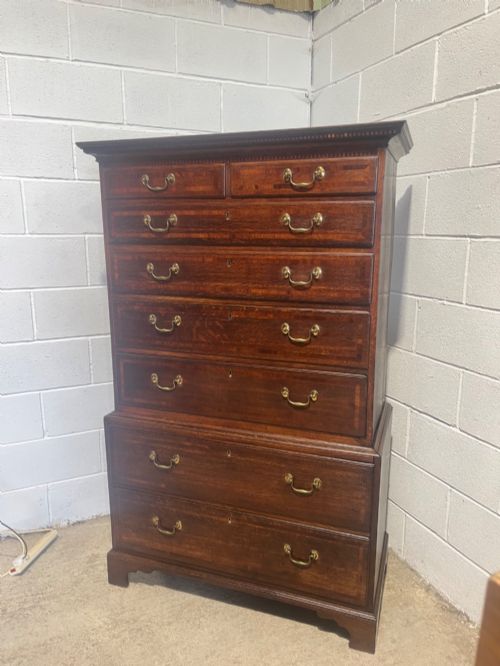
The version most frequently met on this page is the straightforward chest of drawers constructed in solid oak, often featuring graduated drawers and period handles. Alongside these standard chests, larger case pieces such as tallboys, chests on chests, and mule chests surface regularly.
Provincial workshops produced many of these utilitarian forms for country houses and domestic interiors. Buyers also find hybrid pieces combining oak structures with mahogany crossbanding or fruitwood details, reflecting the diverse cabinet-making practices of the era.
How they were made
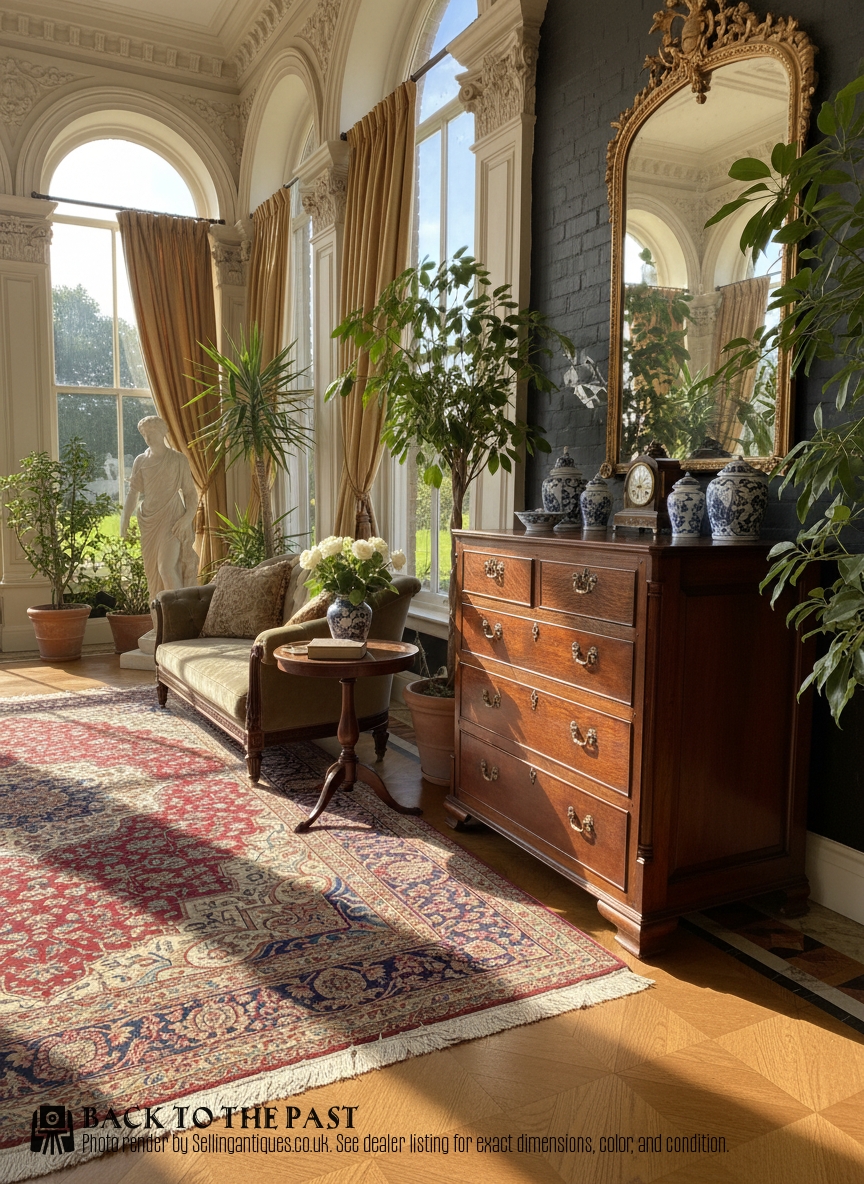
Cabinet makers built these pieces using solid oak for primary frames and drawer linings, frequently incorporating secondary woods like mahogany and fruitwood for decorative banding or secondary panels. Drawers were typically constructed with hand-cut dovetails and oak bases to withstand daily use.
Hardware played an integral role in construction, with original brasses, swing handles, and occasionally inset nameplates securing the drawer fronts. Workshops applied traditional joining techniques, sometimes including specialised mechanisms such as screw presses for linen storage or potboard bases on dressers.
Listings feature 18th-century oak and mahogany alongside inlay, fruitwood, and iron details.
What varies in quality
The distinction between standard domestic items and finer pieces rests upon timber selection and surface finishing. Master craftsmen utilised well-figured oak boards and sophisticated crossbanding in mahogany or fruitwood, whereas utilitarian pieces relied on plainer, straight-grained timber.
Proportion and scale dictate the desirability of surviving examples, with smaller proportions and diminutive country house chests commanding particular attention from collectors. The survival of original hardware, such as swing handles and brass escutcheons, separates unaltered examples from heavily restored pieces.
The George III Oak Drawers Glossary
- Lowboy
- A small oak or mahogany side table featuring one or more rows of drawers, commonly used as a dressing table or side surface in 18th-century rooms. These tables often stand on slender cabriole or straight legs.
- Mule chest
- A storage chest combining a blanket box compartment with one or more drawers built into the base. This form bridges the traditional chest and the modern chest of drawers.
- Crossbanding
- A decorative technique where narrow strips of veneer, such as mahogany, are applied to the borders of drawer fronts or tabletops with the grain running perpendicular to the main panel. It creates a contrasting visual frame.
- Chest on chest
- A tall storage furniture type consisting of a larger chest of drawers positioned beneath a slightly narrower upper chest, also known as a tallboy. This configuration maximises vertical storage capacity.
- Potboard dresser
- A traditional dining room or kitchen base unit featuring open shelving or a lower board shelf beneath the main counter surface. These sturdy oak pieces served utilitarian storage purposes in country houses.
George III Oak Drawers: Frequently Asked Questions
How do I date george iii oak drawers?
Dating relies upon examining construction methods, drawer linings, and hardware styles across the piece. Hand-cut dovetails, oak secondary timbers, and proportions typical of the late 18th century help establish the period.
Changes in handle design and moulding profiles further narrow down the manufacturing decade between the Georgian accession and the early 1800s.
Were these drawers used in bedrooms?
These pieces served multiple domestic functions across different rooms in 18th-century houses. Chests and tallboys provided primary clothing storage in private bedchambers.
Smaller variants like lowboys and side tables functioned in hallways, parlours, or dressing rooms for general storage and personal grooming.
What is a mule chest?
A mule chest combines a traditional lidded blanket box with functional drawers built into the lower section. This design evolved to allow easy access to linens without disturbing items stacked on top.
Examples listed in the archive show various configurations, including pieces later converted into cupboard doors above the drawers.
How should I care for antique oak furniture?
Maintaining these pieces involves keeping them away from direct heat sources and extreme humidity fluctuations to prevent wood splitting. Regular dusting with a soft, dry cloth preserves the natural finish of the timber.
Applying traditional wax polish occasionally helps nourish the aged oak surface without building up synthetic residues.