
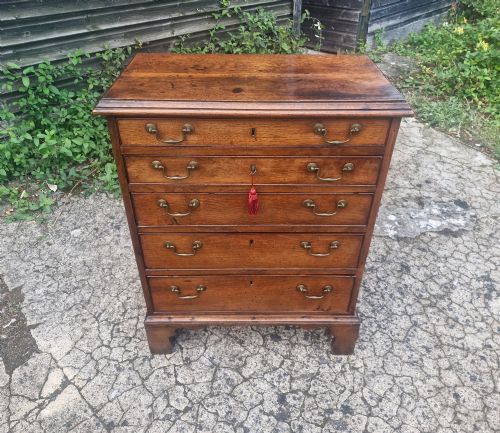
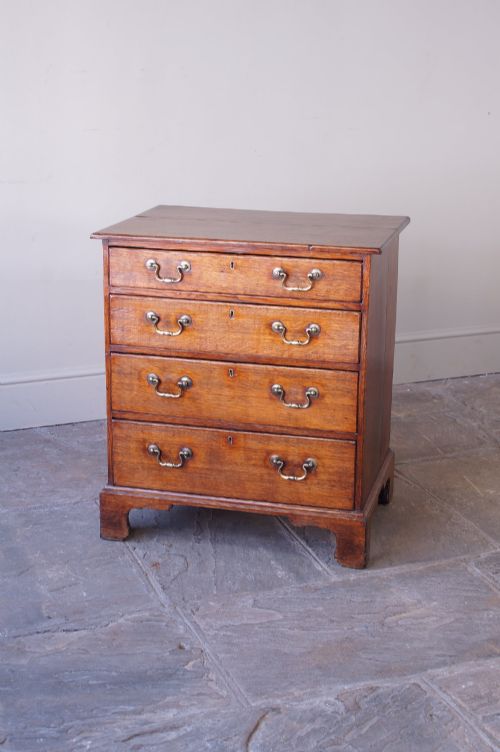
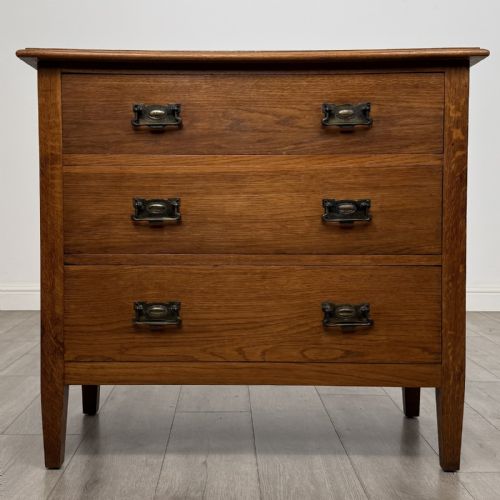
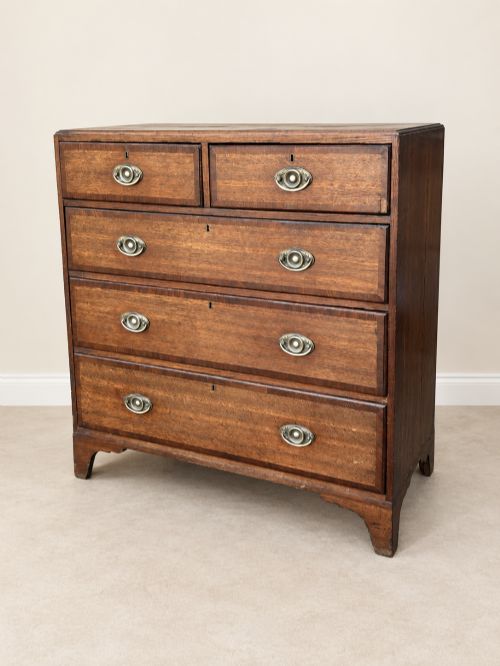
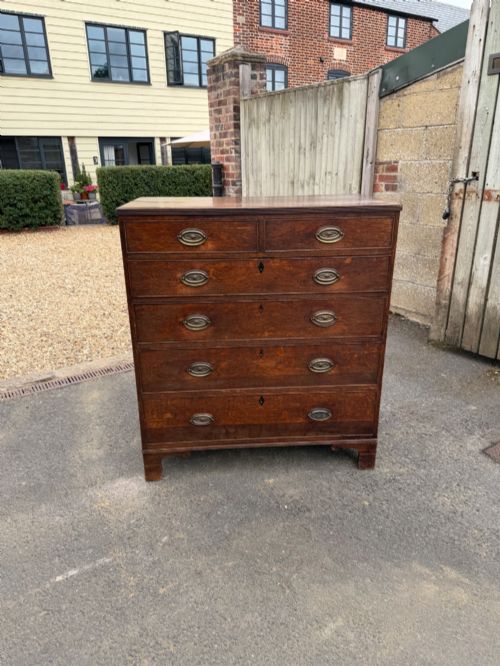
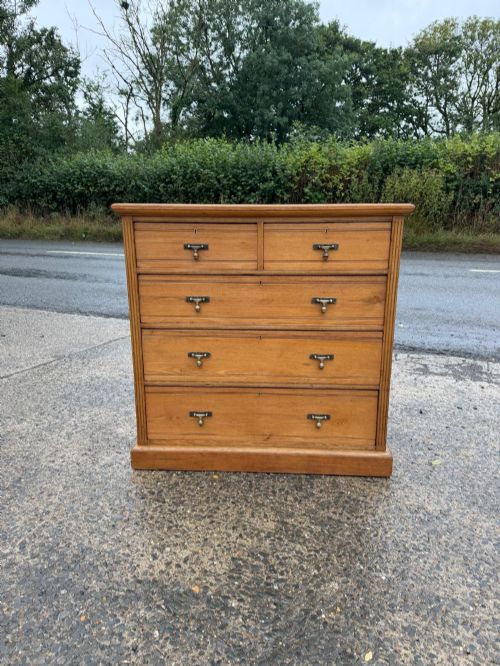
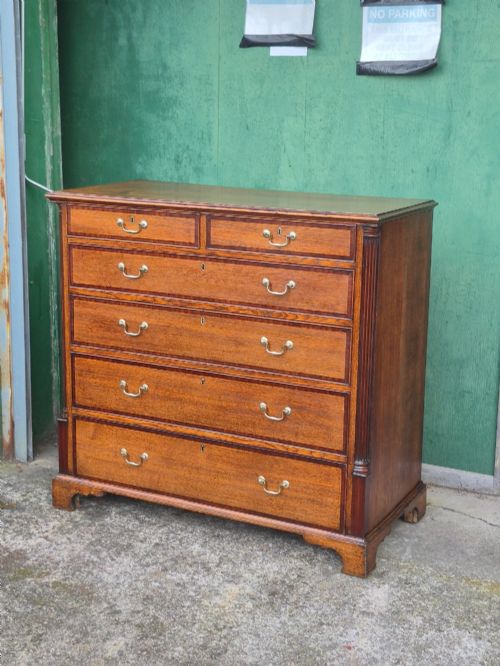
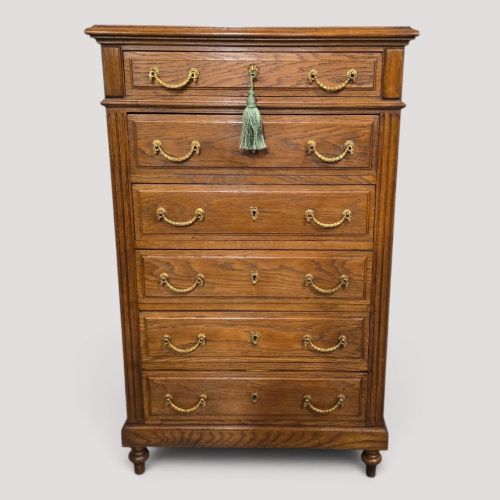
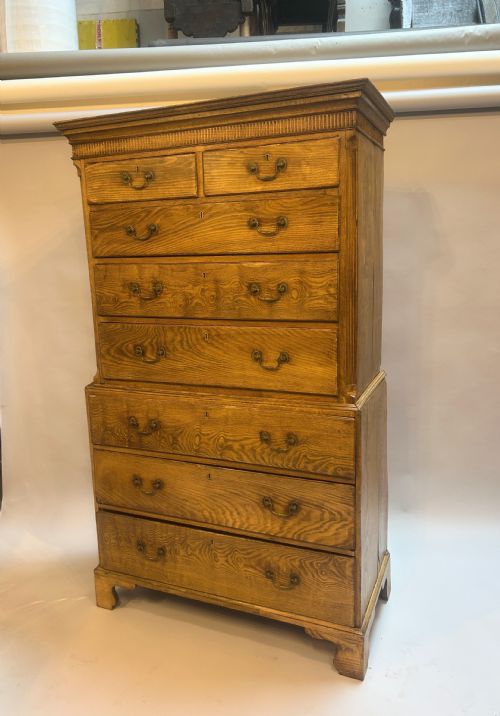
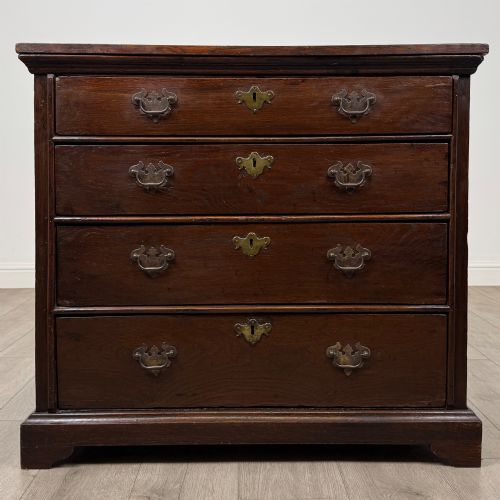
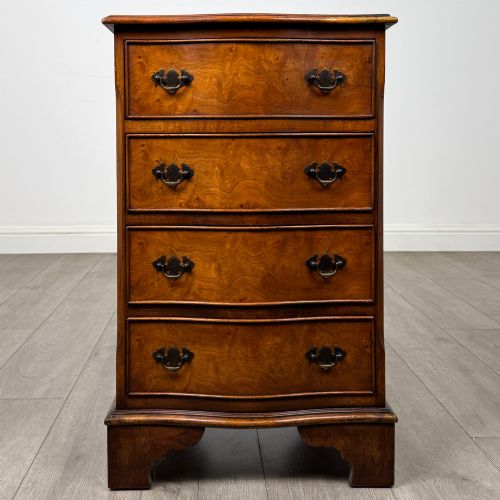
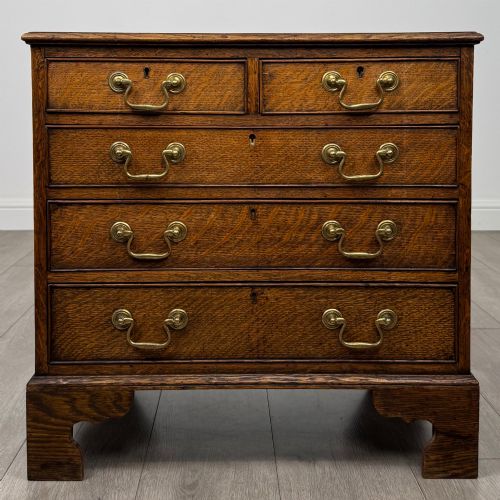
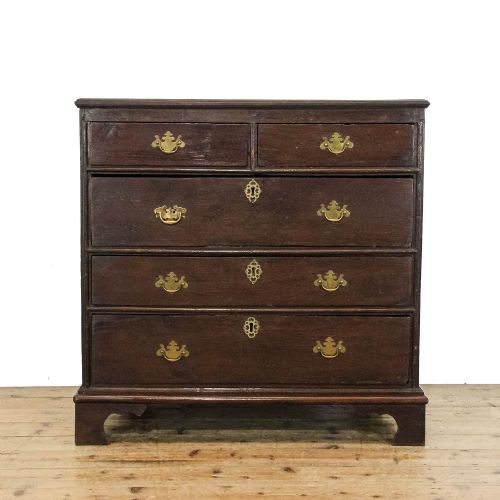
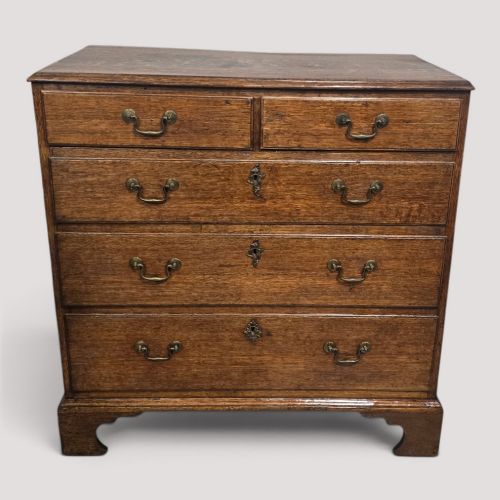
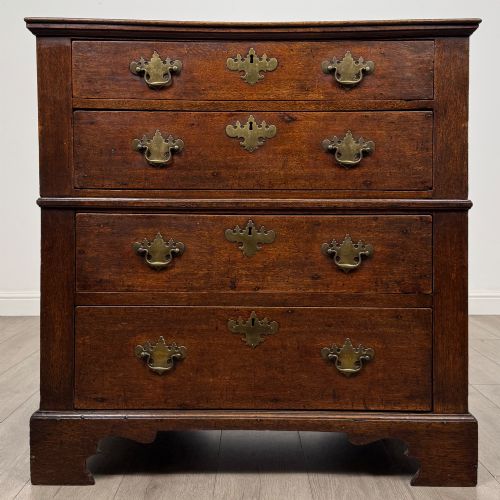
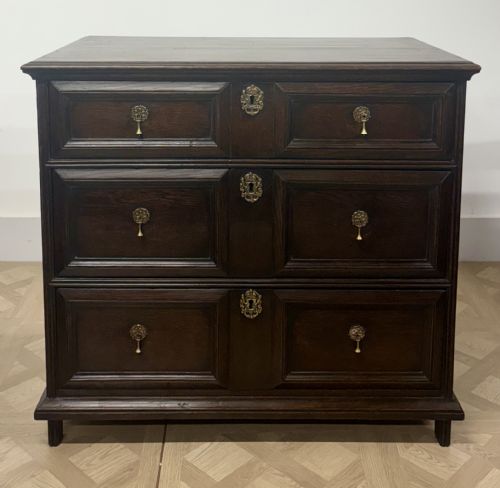
Brass Handle Oak Tallboy
A brass handle oak tallboy brings vertical storage and timber grain into a room, offering deep drawer capacity across 17th-century to Georgian periods.
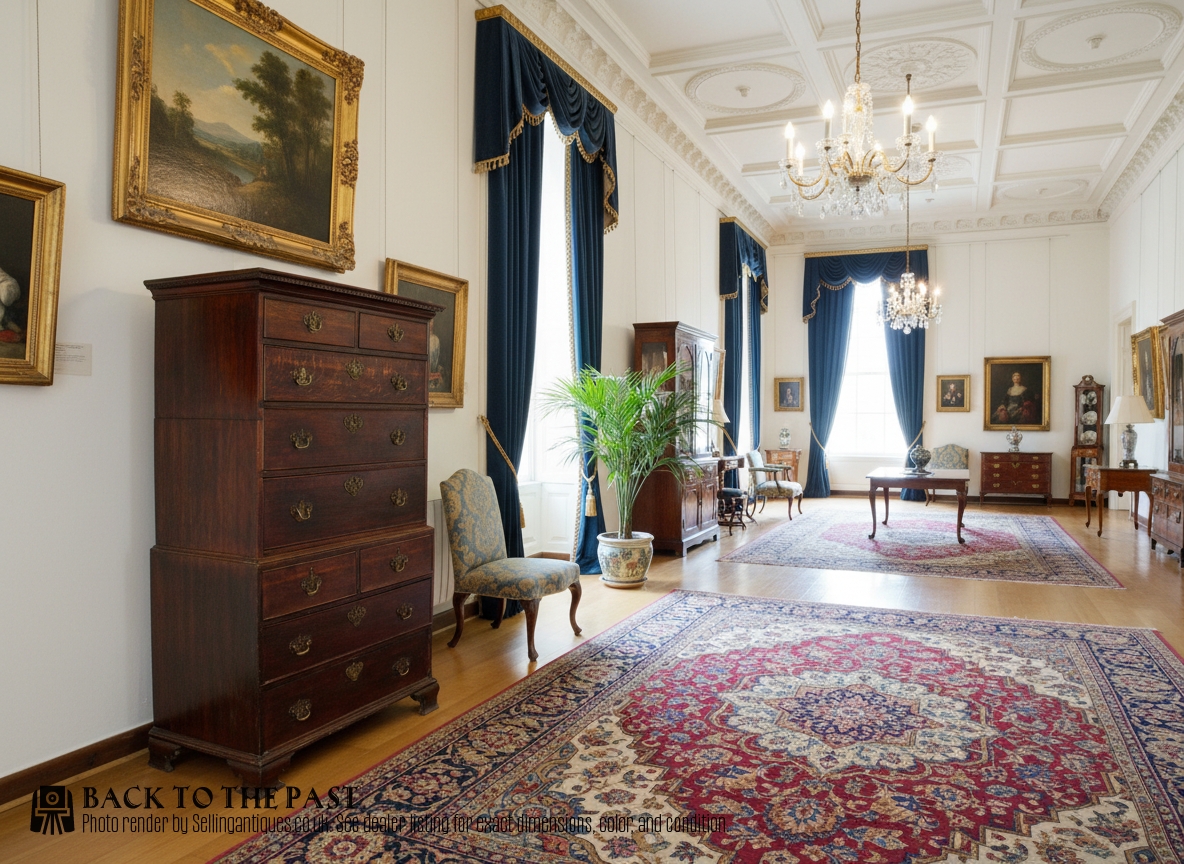
Brass Handle Oak Tallboy
A brass handle oak tallboy combines the height of stacked drawer sections with the sturdy grain of early timber, originating in periods such as the 17th century and the Georgian era. These pieces function primarily as tall chests of drawers or chests on stands, designed to maximise vertical storage while occupying a modest floor footprint.
Buyers encountering this search phrase find variations ranging from Charles II geometric moulded designs to George III taller two-part forms. Oak forms the primary carcass, often complemented by elm, walnut or mahogany crossbanding, fitted with functional brass drop handles or oval pulls.
Materials and construction
Cabinet makers constructed these tall forms using solid oak timbers, frequently joined with hand-cut dovetails for the drawer boxes and pegged mortise and tenon frames. Secondary woods like fruitwood or elm appear in internal linings, whilst decorative surfaces utilise oyster veneer and fruitwood inlay.
Mounts and handles consist of cast brass, secured through the drawer fronts with original backplates and pins. Surface finishes rely on wax polishes built up over centuries, highlighting the natural figuring of the timber without heavy modern varnishes.
Listings feature oak alongside walnut, elm, and fruitwood inlay across periods spanning the 17th century to the Edwardian era.
Distinctions in quality
The standard of a tallboy rests largely on the integrity of its timber surfaces, the retention of original brass hardware, and the crispness of any applied mouldings or crossbanding. Pieces retaining their original feet and unblemished drawer linings command greater interest from collectors.
Subtle details such as the presence of oyster veneering, burr elm panels, or geometric mouldings elevate certain examples above standard vernacular chests. The depth of the natural patina developed on the oak over centuries separates finer provincial or metropolitan pieces from later adaptations.
The Brass Handle Oak Tallboy Glossary
- Tallboy
- A tall chest of drawers, often built in two stacked sections or as a chest on a stand. It provides high-capacity vertical storage.
- Crossbanding
- A decorative border of veneer laid perpendicular to the grain of the main drawer front. It typically employs walnut or mahogany against an oak background.
- Oyster Veneer
- Thin circular slices cut from branch wood, arranged to create repetitive patterns. This technique appeared frequently on late 17th-century cabinet work.
- Geometric Moulding
- Raised wooden mouldings applied to drawer fronts in repeating patterns. They are characteristic of Charles II and William and Mary periods.
Brass Handle Oak Tallboy: Frequently Asked Questions
How do I place a tallboy in a room?
A tallboy requires minimal floor space due to its vertical proportions, making it suitable for bedrooms or hallways where wall space is restricted.
Ensure the piece is anchored securely if placed near heavy traffic, and keep it away from direct heat sources to protect the historic timber.
How do I care for antique oak furniture?
Maintain the finish by applying a natural beeswax polish occasionally and buffing gently with a soft cloth. Avoid using modern silicone sprays or liquid cleaners.
Keep the room at a stable humidity level to prevent the oak timber and any veneered sections from splitting or warping over time.
Are the brass handles usually original?
Original brass handles are retained on some examples, whilst others may feature replacements fitted during past centuries of use. Look for matching hole patterns and appropriate patination on the metal.
Replacement hardware does not diminish the practical utility of the chest, though original mounts add interest for period authorities.