
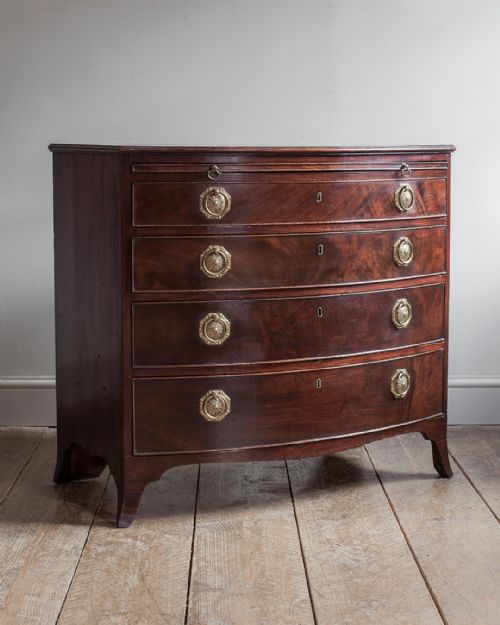
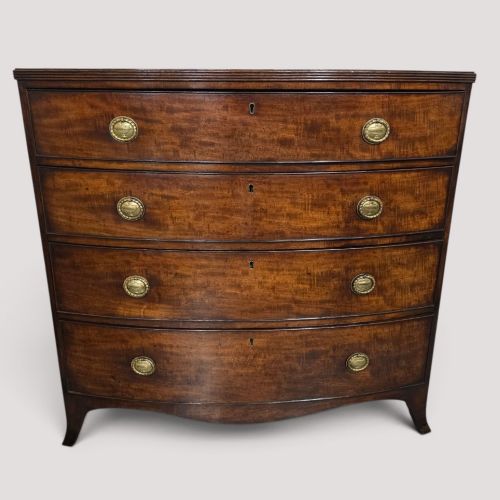
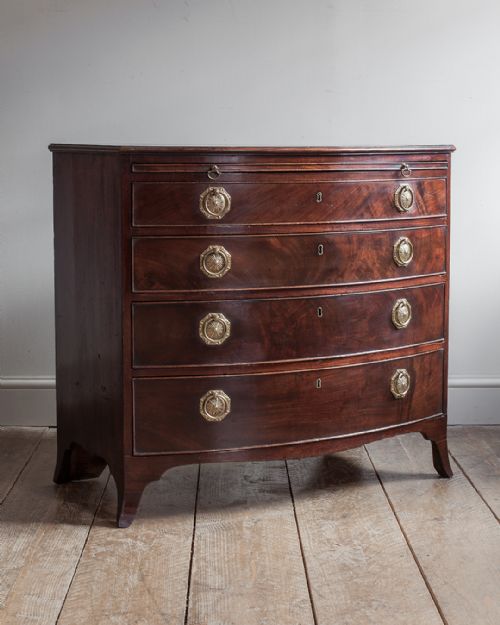
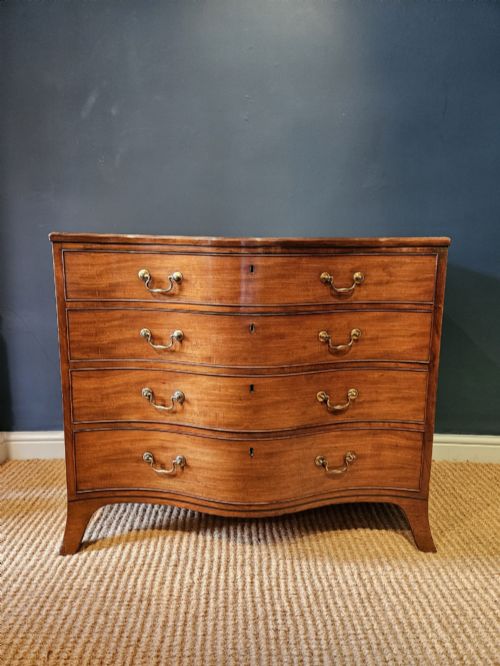
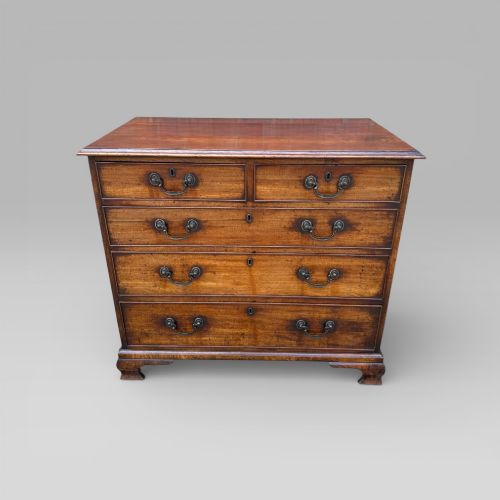
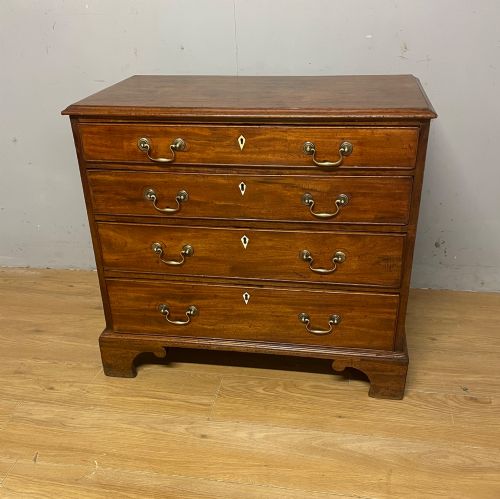
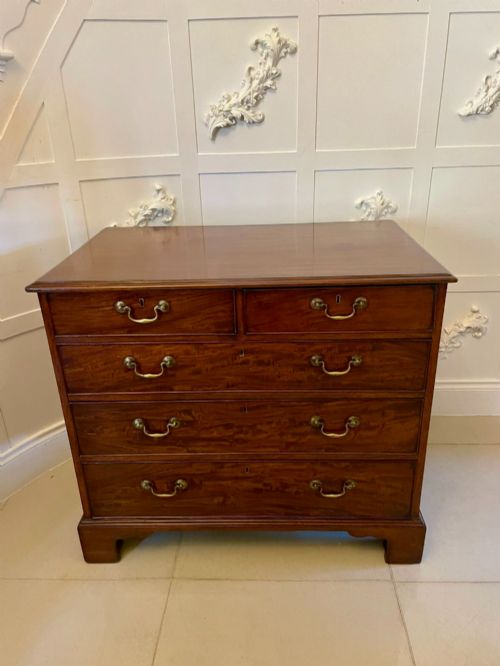
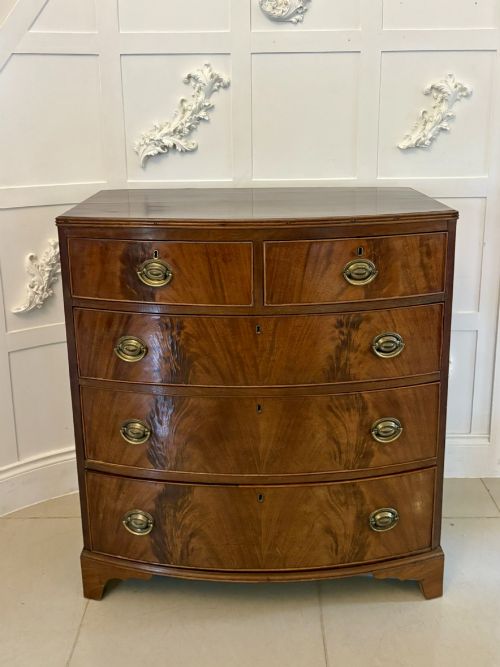
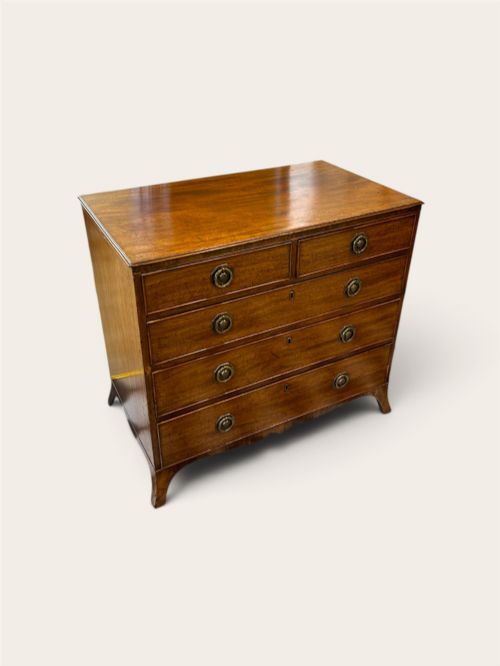
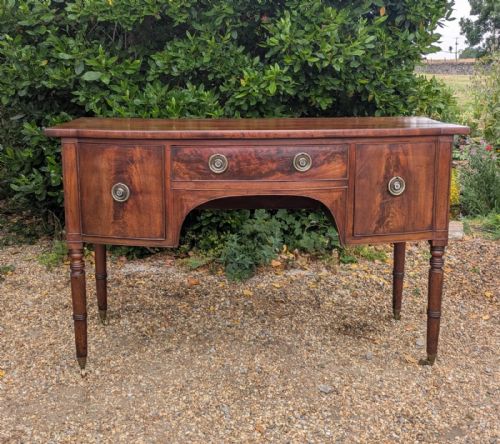

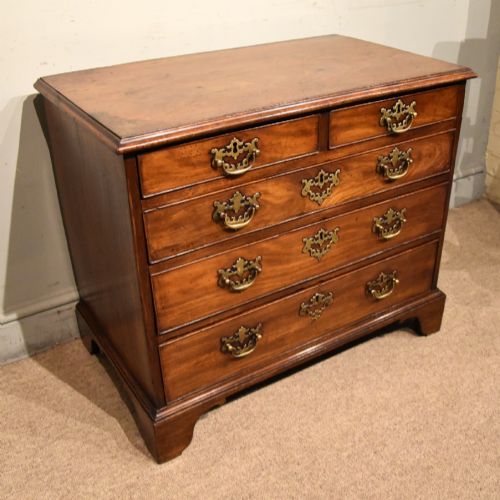
George III Mahogany Dresser
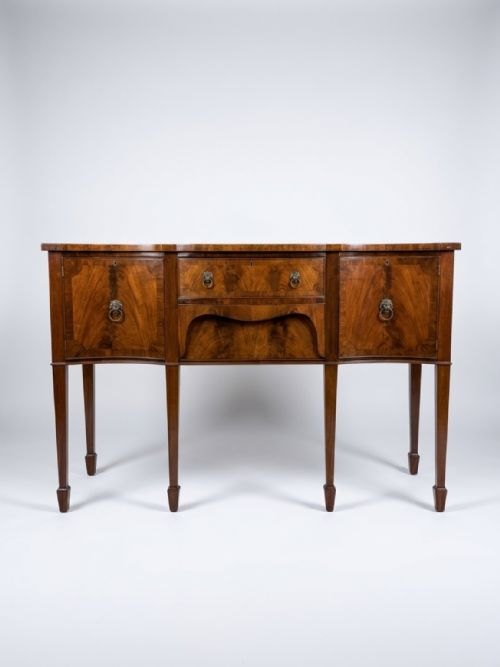
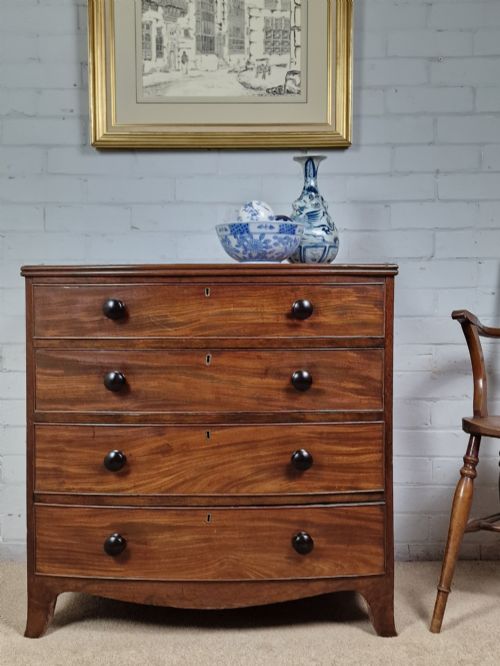
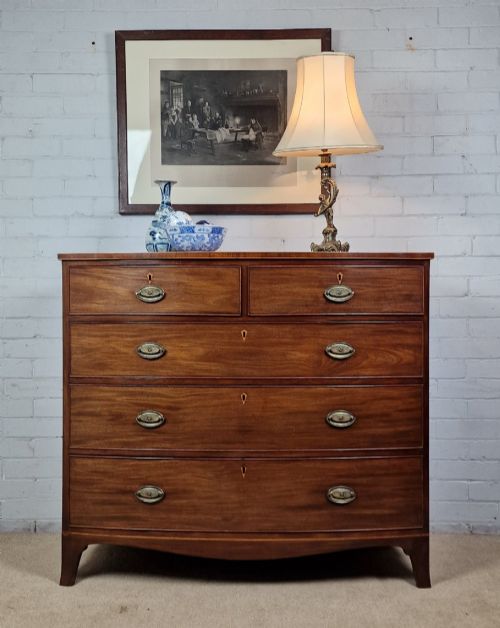
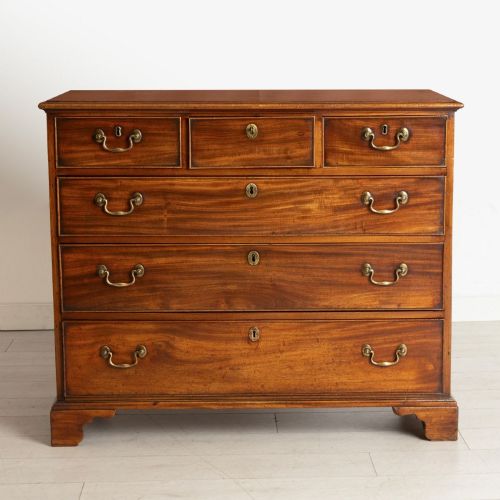
A george iii mahogany dresser brings substantial timber and period proportion into a room, offering deep drawers and sturdy storage.
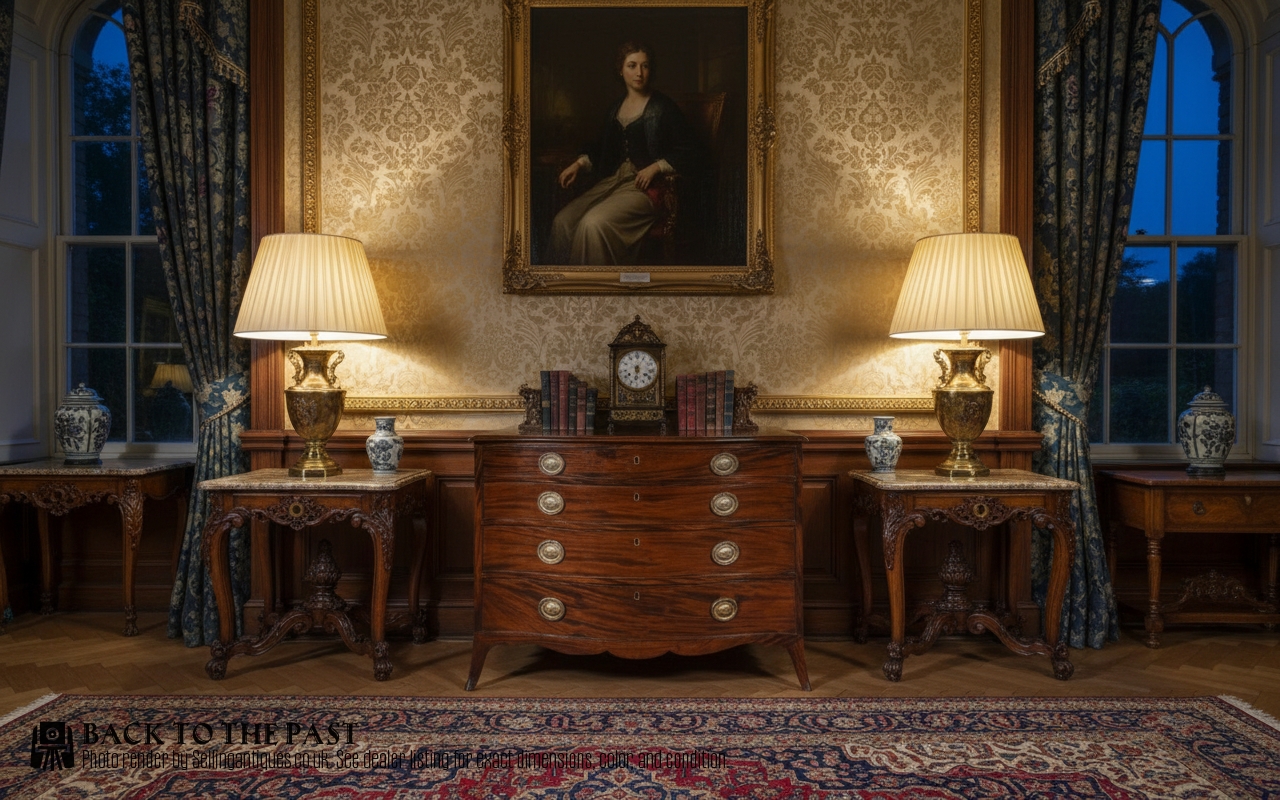
George III mahogany dresser forms and periods
A george iii mahogany dresser combines formal Georgian cabinetmaking with practical domestic storage, appearing in both serpentine and straight-front formats. Buyers encounter pieces spanning the eighteenth century, the broader Georgian era, and the nineteenth century.
The inventory includes standard chests of drawers as well as oak and mahogany dresser bases, Cheshire dresser sideboard cupboard bases, and chest on OG feet configurations. These pieces originate from regional workshops and period cabinetmakers working in solid timbers.
Smaller proportions appear alongside multi-drawer layouts holding five or six drawers, reflecting the varied domestic demands of the period. Each form relies on clean architectural lines and functional storage depth rather than excessive surface ornament.
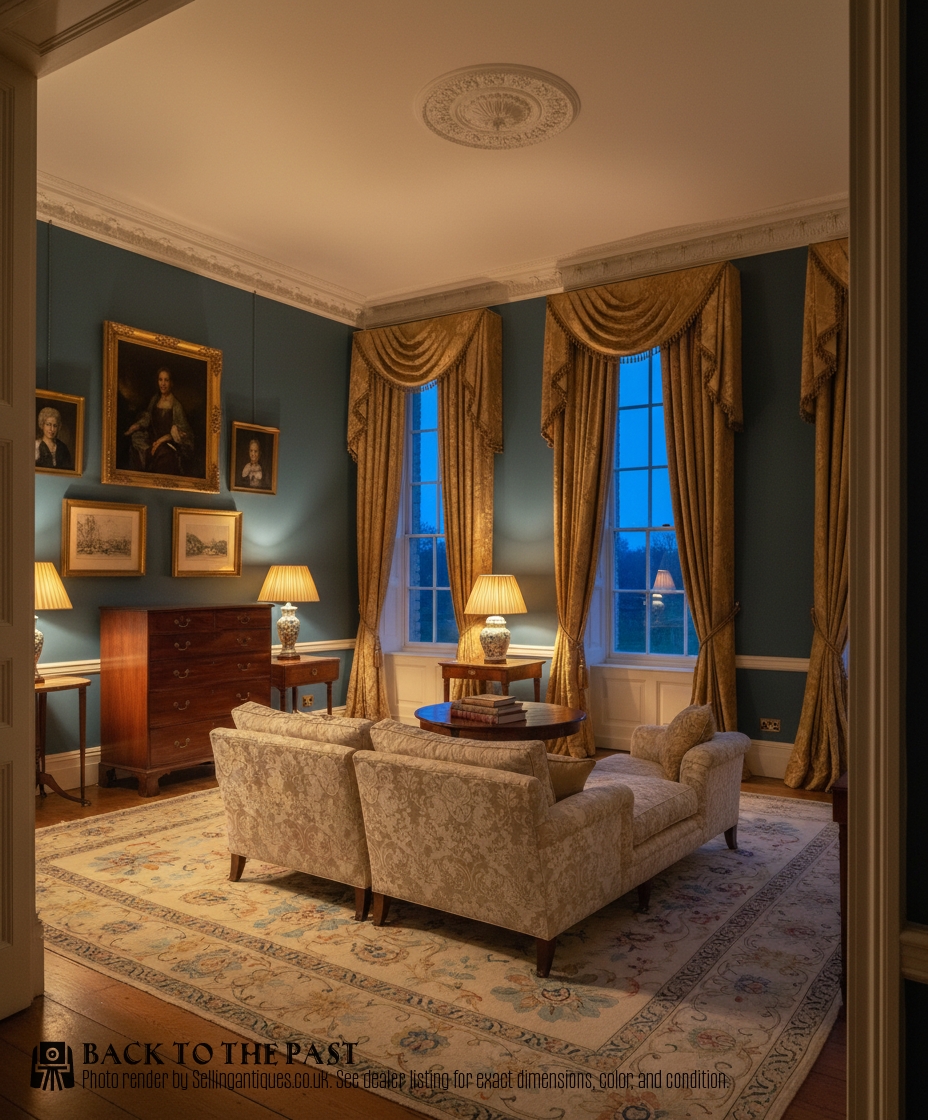
Materials and construction methods
Cabinetmakers built these pieces primarily using mahogany and oak, often combining structural oak carcases with figured mahogany drawer fronts and secondary pine elements. Brass hardware such as swing handles and escutcheons secures the drawer configuration.
Joinery techniques include hand-cut dovetails for drawer construction and sturdy framing to support heavy timber tops and bracket or OG feet. Regional variations in workshop practice influence whether a piece takes the form of a dresser base or a chest of drawers.
Retail Price Guide 2026
Typical UK retail prices for george iii mahogany dresser, calculated from the Sellingantiques database of over a million retail prices indexed since 2003. This retail price guide relies exclusively on Sellingantiques data; no external sources or auction records are used, so the figures do not describe the wider market.
The listings on this site feature pieces from the 18th Century, Georgian era, and 19th Century, constructed in mahogany, oak, brass, and pine.
Quality factors in period furniture
The standard of a piece rests on the figure and grain of the mahogany timbers, the crispness of the serpentine shaping, and the integrity of the structural joinery. Finer examples display carefully matched drawer veneers and well-proportioned OG feet.
Secondary wood selection and the retention of original brass hardware contribute to a piece's historical weight and visual balance. Subtle details in moulding and edge profiling separate standard utility pieces from more ambitious cabinet work.
The George III Mahogany Dresser Glossary
- Dresser base
- A low sideboard or cupboard unit designed for storage, typically featuring multiple drawers and lower cupboards without upper shelving.
- Serpentine
- A curved front profile that undulates outward at the centre and inward at the sides, requiring considerable skill from the cabinetmaker.
- OG feet
- An ogee bracket foot featuring an S-shaped profile that curves outward at the top and inward at the base.
- Cheshire dresser
- A regional vernacular form originating from northwest England, combining oak framing with mahogany drawer construction.
Frequently Asked Questions
What is a george iii mahogany dresser?
A george iii mahogany dresser is an eighteenth or nineteenth-century storage piece constructed from solid timber, combining deep drawer capacity with period cabinetmaking.
These items range from dresser bases with cupboard storage to serpentine chests of drawers built during the Georgian era.
How do I identify a period piece?
Identification relies on examining the timber grain, hand-cut dovetail joinery, and structural materials such as oak and pine hidden within the carcase.
Period characteristics also include traditional brass hardware, proportioned bracket or OG feet, and regional construction traits.
Where were these dressers made?
These pieces originate from English workshops and regional cabinetmakers active during the Georgian period and subsequent nineteenth-century eras.
Regional styles, such as Cheshire dresser bases, reflect local woodworking traditions and the availability of oak and imported mahogany.
How do I care for mahogany furniture?
Maintenance involves keeping the timber away from direct heat sources and sudden humidity changes to prevent wood movement or splitting.
Polishing should be done sparingly with traditional wax to maintain the natural lustre of the mahogany surface.