

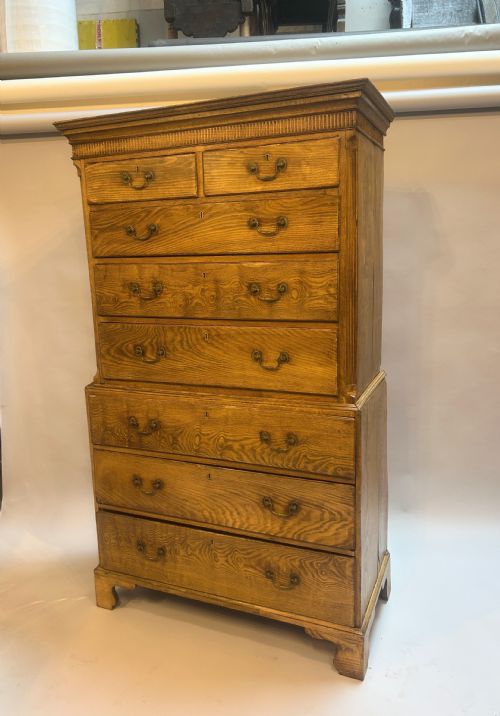
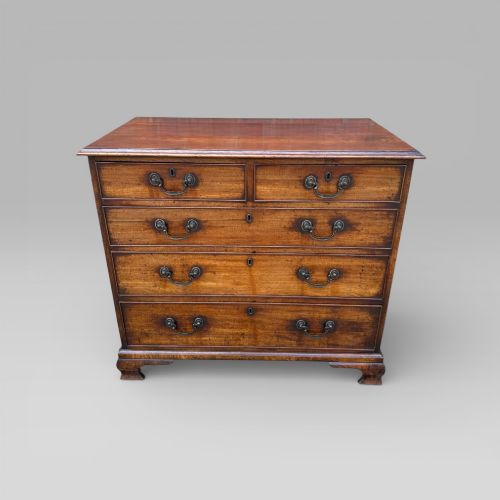
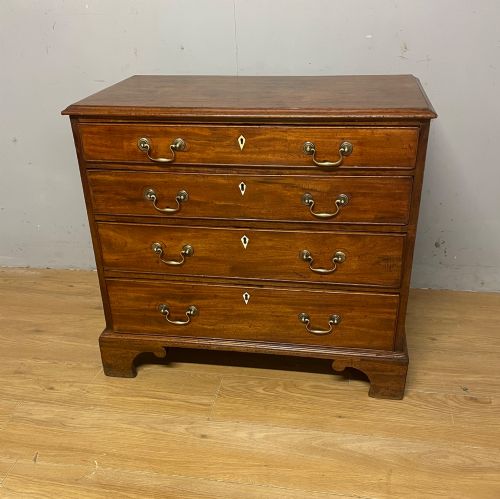
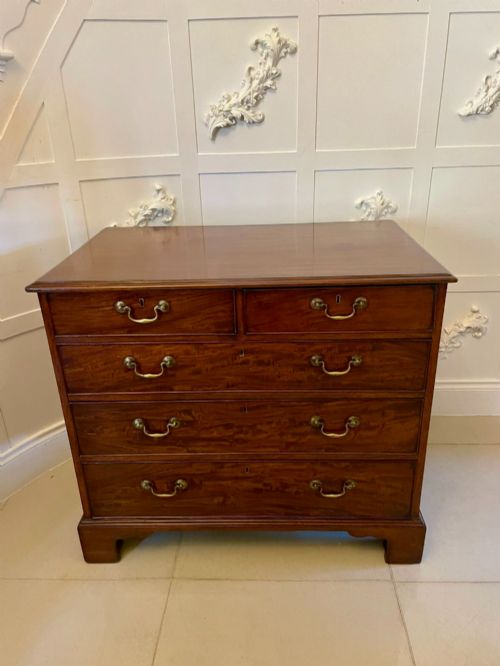
George III Dresser
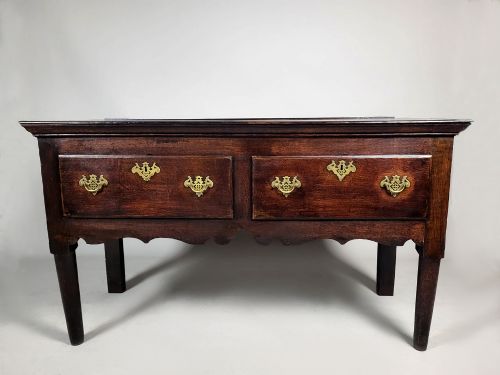
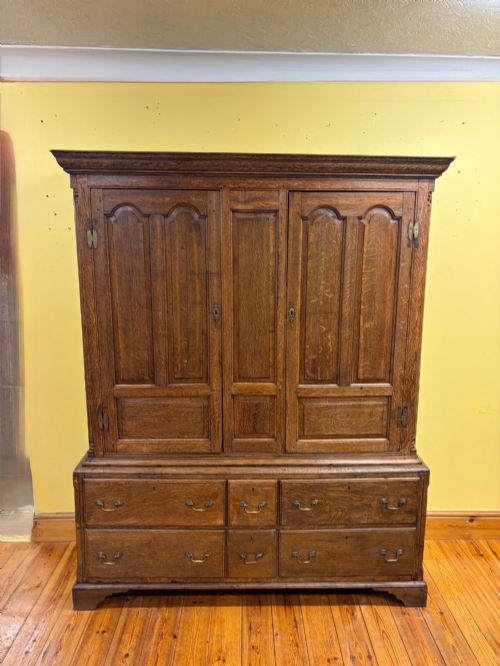
When you examine a george iii dresser, you encounter the practical storage furniture created during the Georgian period in oak and mahogany.
George III Dresser
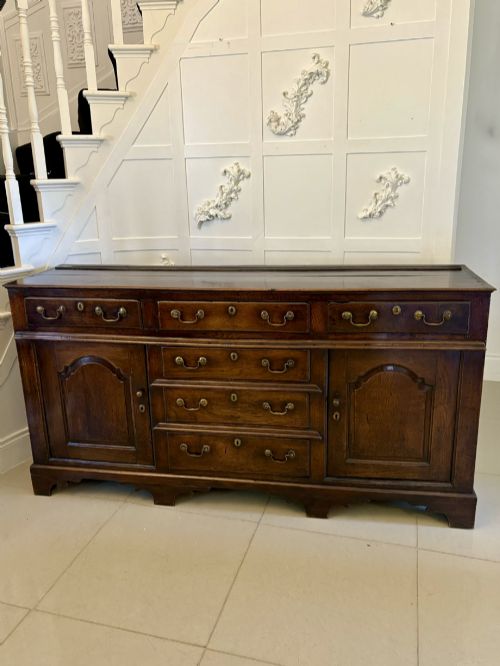
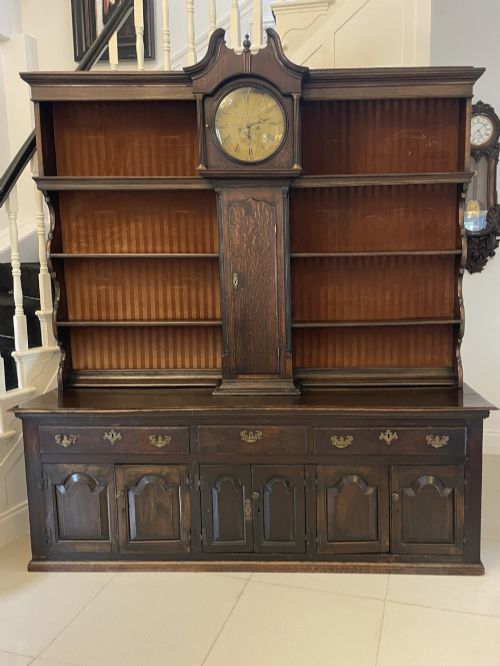
A george iii dresser typically appears as a sturdy oak potboard base or a regional Welsh version featuring upper plate racks, alongside related sideboards and cupboards.
The pieces originating from this era reflect country house utility and formal dining room design, spanning the eighteenth century and the early nineteenth century.
Buyers frequently encounter variations that include open potboard shelves, closed cupboards, and combinations incorporating longcase clocks or sideboards.
Materials and Construction
Cabinet makers utilised solid oak and mahogany as the primary woods, frequently pairing them with secondary timbers like pine, sycamore, and elm for internal partitions and drawer linings.
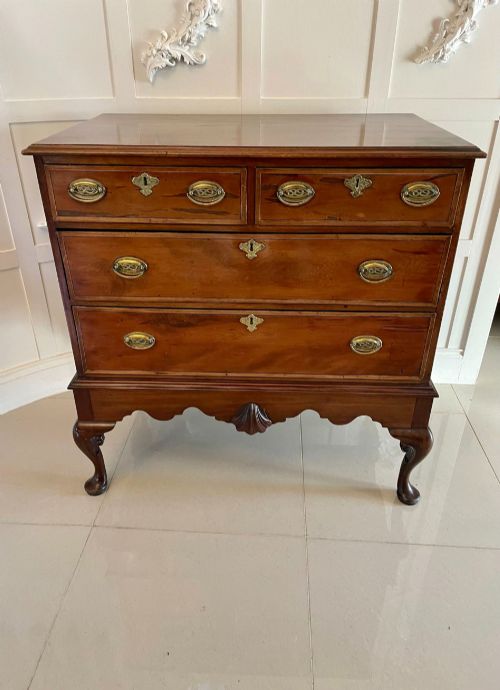
Drawer construction relied on traditional joinery techniques, while brass hardware, including handles and escutcheons, completed the functional facade of the furniture.
Surface treatments developed rich patinas over generations of domestic use, highlighting the natural grain of figured woods and burr walnut where applied.
The archive records frequent examples of potboard bases dating from the eighteenth century.
Distinctions in Standard
The standard of a piece depends heavily on the selection of timber, ranging from plain domestic boards to highly figured mahogany or burr oak.
Proportions and architectural integrity distinguish exceptional examples, particularly where original brass hardware, potboard bases, and upper plate racks remain intact without extensive alteration.
J Moorcroft
The George III Dresser Glossary
- Potboard
- An open lower shelf built into the base of a dresser, historically used for storing pots and pans. This feature defines many country house examples.
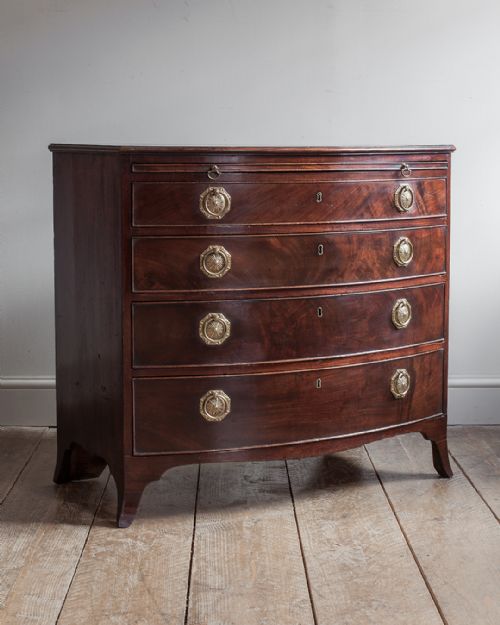
- Bow front
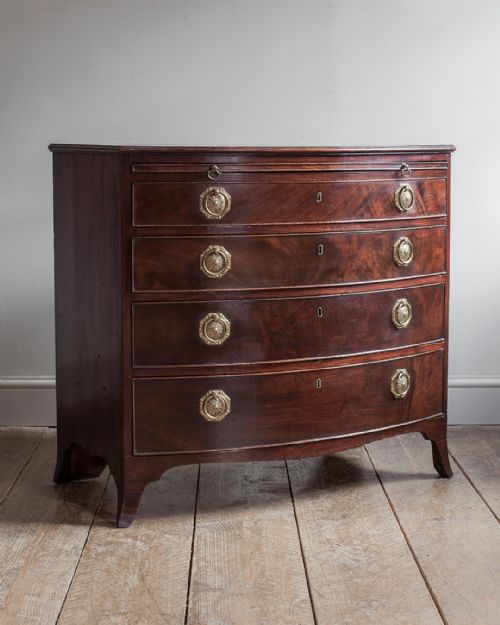
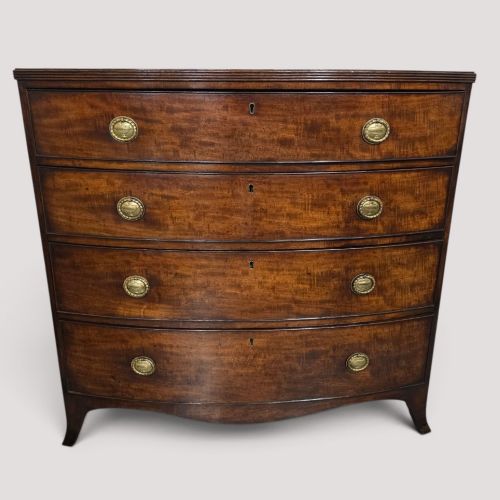
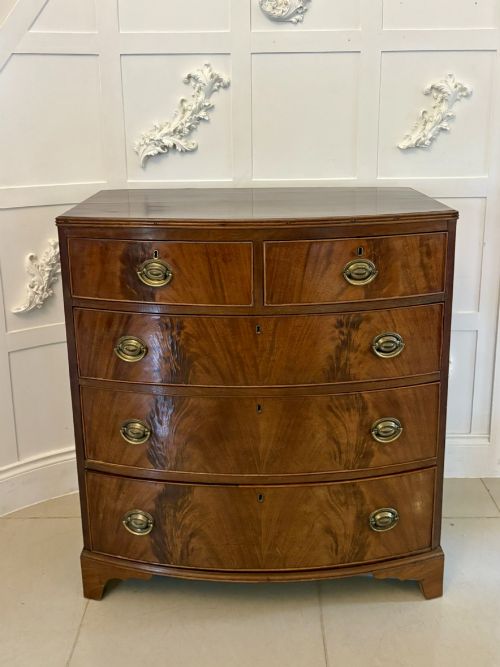
- A convex, curved front profile popular on case furniture during the Georgian period. It softens the linear appearance of chests and sideboards.
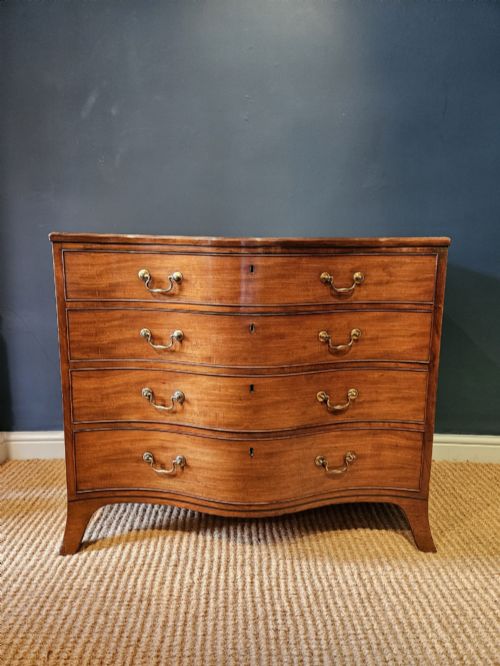
- Serpentine front
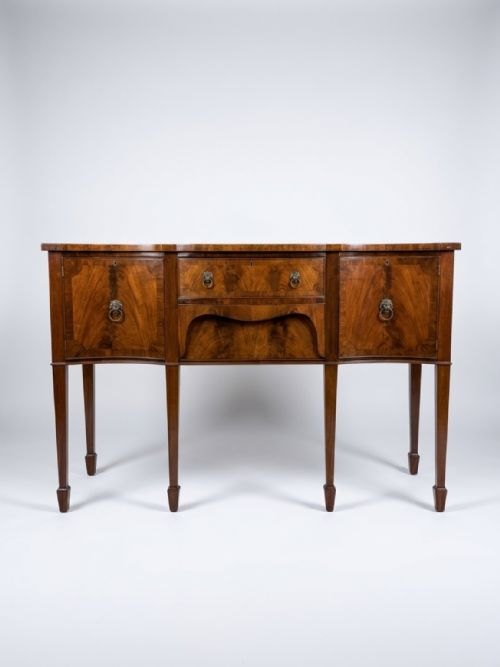
- A shaped furniture front featuring a concave centre flanked by two convex ends, or the reverse. This styling requires advanced carpentry skill.
- Tallboy
- A tall chest of drawers made by stacking one chest on top of another. These units maximise vertical storage space in bedrooms.
- Escutcheon
- A protective plate surrounding a keyhole, often cast in brass. These plates prevent the wood around the lock from sustaining damage.
George III Dresser: Frequently Asked Questions
What is a potboard dresser?
A potboard dresser is a traditional storage unit featuring an open lower platform beneath the main drawers or cupboards. This shelf provided accessible space for heavy kitchen pottery in country houses.
Such designs represent a large portion of surviving oak examples from the eighteenth century. They combined utility with sturdy timber construction.
How do I identify a George III period piece?
Identification relies on examining the timber species, joinery methods, and overall proportions typical of the late eighteenth and early nineteenth centuries. Oak and mahogany predominate during this span.
Original brass hardware and surface patina further assist in confirming the age and authenticity of the furniture.
Were these dressers used in kitchens?
These pieces served primarily for domestic storage, holding tableware, linens, and provisions in large country houses and modest homes alike. Upper racks displayed ceramic plates.
Their robust construction in oak or pine suited the daily demands of busy domestic environments.
What is the difference between a dresser and a sideboard?
A dresser typically includes an upper rack for displaying plates alongside the lower base cabinet. Sideboards function strictly as serving tables with lower drawers and cupboards.
Both forms emerged strongly during the Georgian era to accommodate changing dining habits.