
George II Table
A george ii table brings robust mid-eighteenth-century craftsmanship into a room through rich timbers and disciplined carving.
George II Table
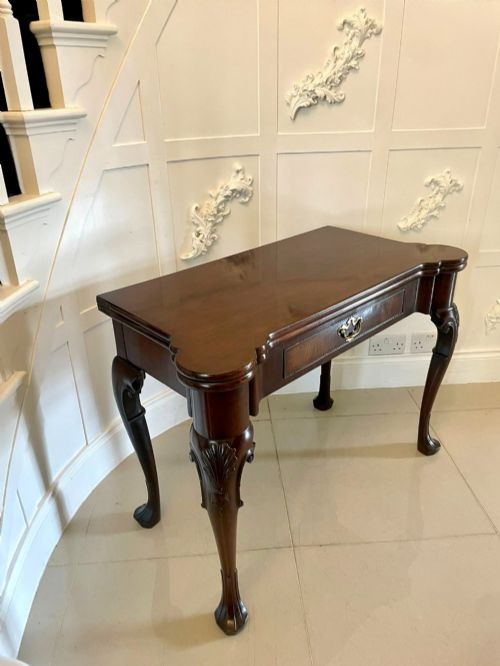
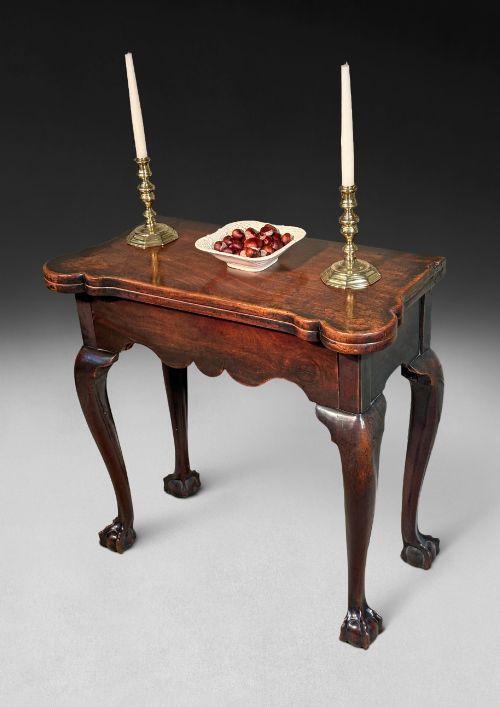
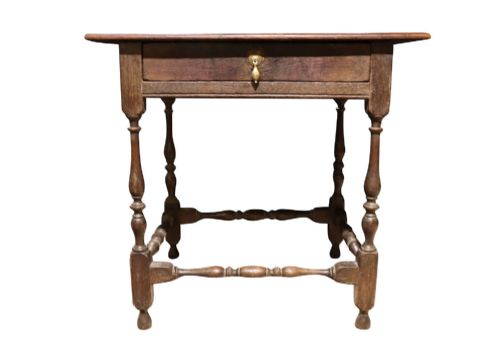
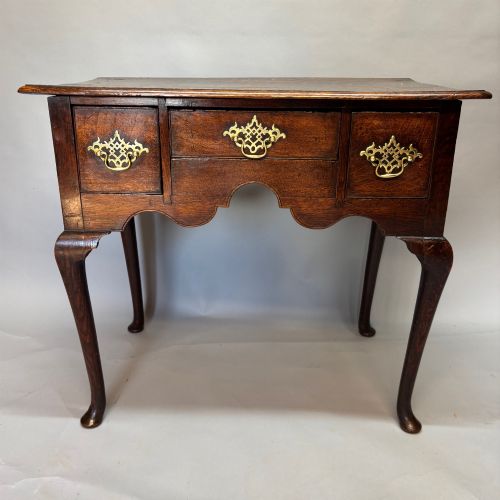
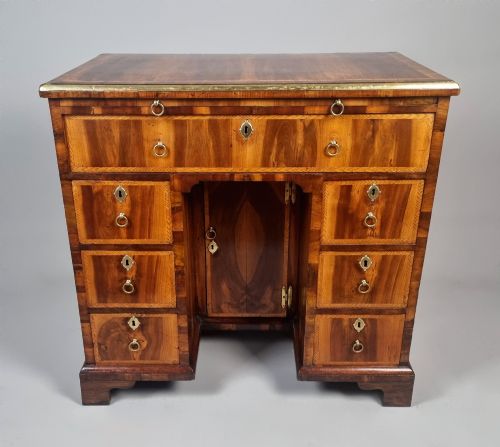
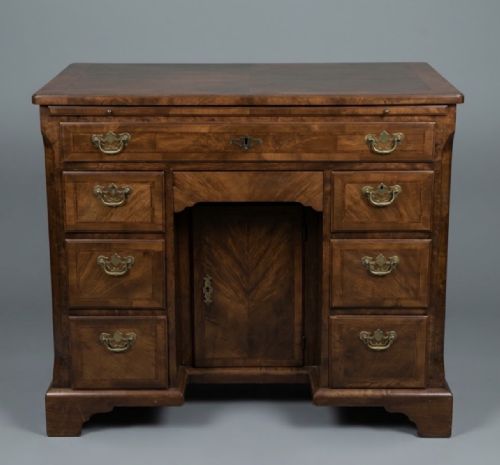
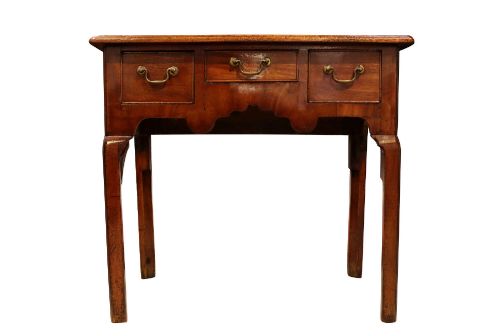
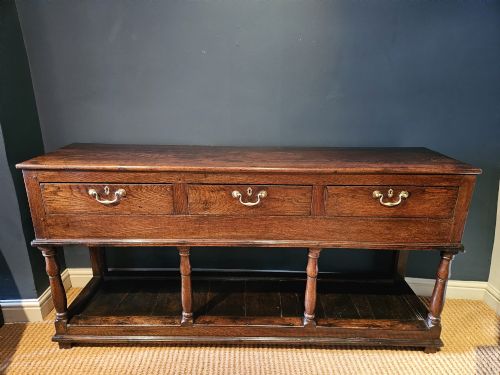
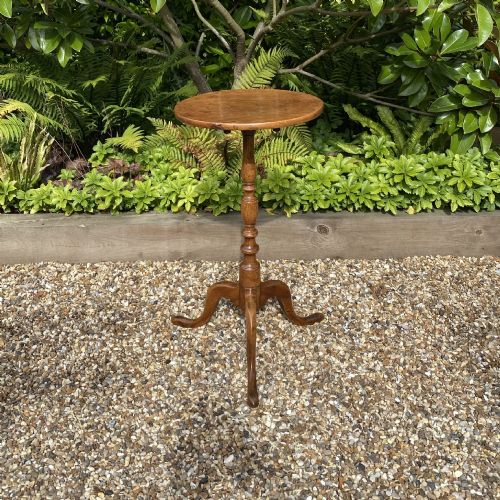
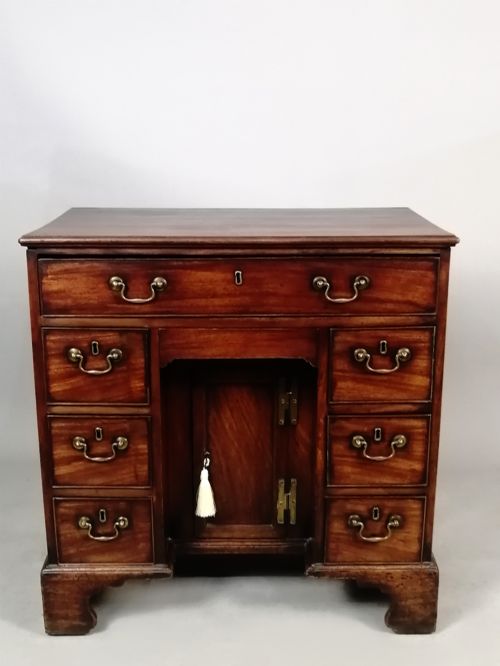
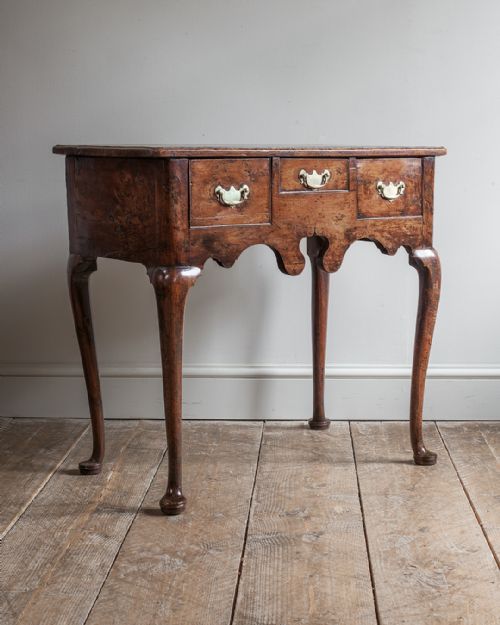
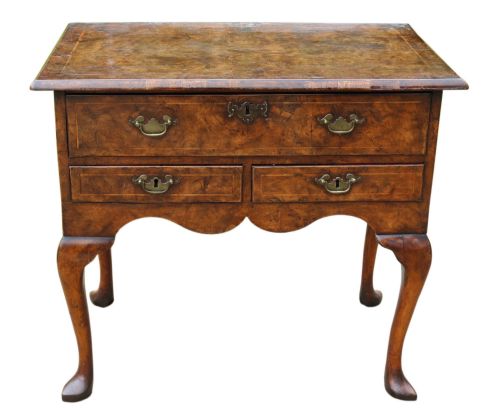
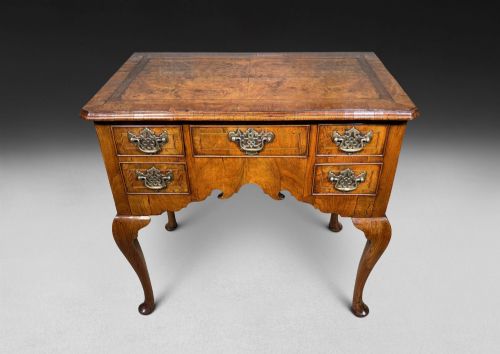
When you search for a george ii table, you encounter diverse forms created during the mid-eighteenth century, including lowboys, side tables, card tables, and dining tables. These utilitarian and social surfaces served prosperous households for dining, writing, and dressing.
The versions met most frequently on this page span authentic eighteenth-century examples alongside later revivals from the twentieth century. Timber choices and structural formats anchor these pieces firmly in the Georgian design vocabulary.
How they were made
Cabinetmakers utilised dense native and imported timbers, notably mahogany, walnut, oak, and yew wood, often selecting figured veneers like burr elm and fiddleback walnut to accentuate the surfaces. Solid timber frames joined through traditional joinery support the elaborate tops and folding mechanisms.
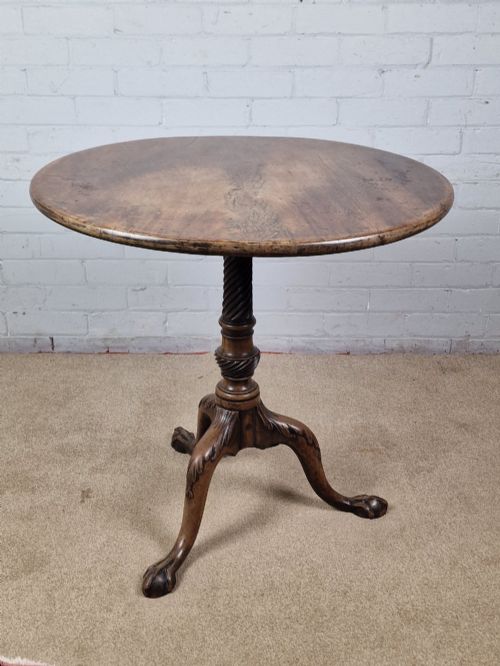
Carved details such as cabriole legs terminating in claw-and-ball or hoof feet demonstrate the sculptural ambition of the period. Brass hardware, including hinges and drawer pulls, integrates with concertina actions and snap-top fixtures.
The inventory spans the eighteenth-century Georgian period alongside twentieth-century revival interpretations dating up to nineteen-thirty.
What varies in quality
The grade of a george ii table rests upon the selection of timber and the ambition of its carving, where dense figuring and deep, crisp relief separate standard items from exceptional ones. Original patination and untouched surface finishes elevate the standing of a piece significantly.
Structural integrity and the retention of original components, such as brass pulls or concertina actions, dictate the tier of craftsmanship. Later revival pieces differ from period originals through the mechanical precision of their joints and the depth of timber maturity.
The George II Table Glossary
- Lowboy
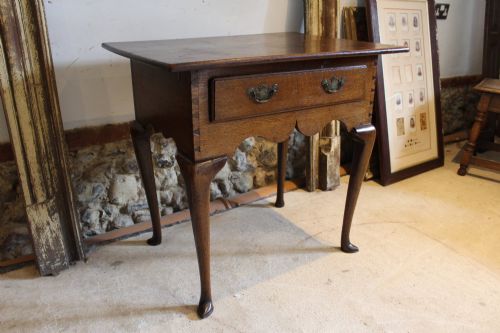
- A small dressing table or side table featuring multiple drawers beneath a flat top, typically raised on slender cabriole legs. These versatile pieces frequently utilised oak or walnut.
- Concertina action
- An expandable frame mechanism used on card tables that doubles the supporting rail length when the hinged top unfolds. This allows the table to stand securely on four legs when open.
- Cabriole leg
- A furniture leg that curves outward at the knee and tapers inward toward the ankle, imitating animal limbs. It dominates mid-eighteenth-century seating and table design.
- Snap-top
- A tabletop hinged to a central pillar or tripod base, allowing the surface to tilt vertically when not in use. This mechanism saved floor space in compact rooms.
- Patina
- The deep surface sheen and colour developed by wood over decades of handling, polishing, and exposure to light. Collectors prize untouched surfaces displaying rich age characteristics.
George II Table: Frequently Asked Questions
What is a lowboy used for?
A lowboy served historically as a dressing table or a small side table for domestic chambers and parlours. Its compact proportions housed personal items within small drawers while providing a convenient upper surface.
Today, these tables function effectively as writing desks or decorative hall tables in modern interiors. Their modest footprint allows them to fit easily into tight spaces without dominating a room.
How do I spot a revival table?
Twentieth-century revival pieces exhibit cleaner machine-cut joints and drier timber surfaces compared to eighteenth-century originals. Examining the underside and interior drawer linings reveals the age of the wood and the tools used.
Stylistic cues also help distinguish later interpretations from period pieces. Comparing the proportions and carving depth against authenticated examples clarifies the date of manufacture.
Where did mahogany come from?
Mid-eighteenth-century cabinetmakers imported dense tropical hardwoods from the Caribbean and Central America, often referred to as Cuban or Spanish mahogany. This timber replaced softer native woods for high-status commissions.
The heavy weight and deep reddish-brown colour made mahogany ideal for intricate carving and structural stability. It resisted warping better than native oak or walnut.
How do I care for antique wood?
Keep wooden tables away from direct heat sources and fluctuating humidity to prevent timber splitting and veneer lifting. Regular dusting with a dry, soft cloth maintains the surface without building up heavy wax residues.
Apply a conservative amount of pure beeswax sparingly when the wood appears dry. Avoid modern silicone sprays that can damage historic finishes permanently.