




George II Silver
George ii silver brings together heavy sterling hollowware, sturdy flatware and timber furniture made during the mid-eighteenth century.
George II Silver
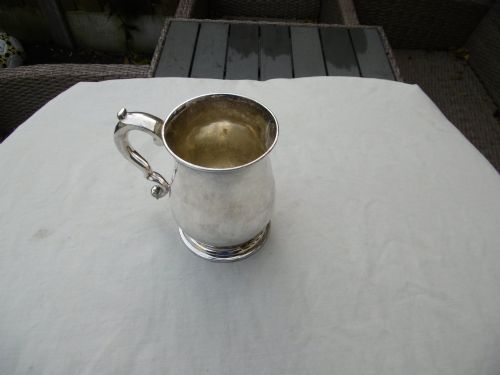
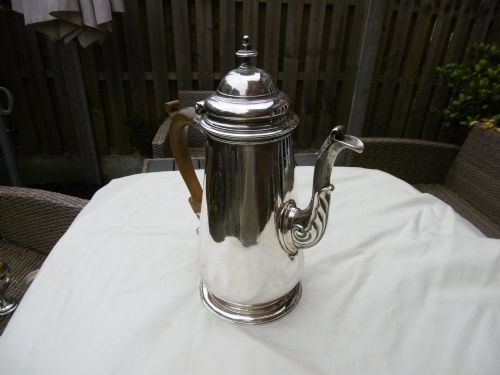
Collectors seeking george ii silver encounter a wide variety of domestic objects ranging from heavy drinking vessels to delicate tea wares and cutlery. Tankards, coffee pots, bullet teapots, salvers and marrow scoops dominate the domestic items produced during this mid-eighteenth-century reign.
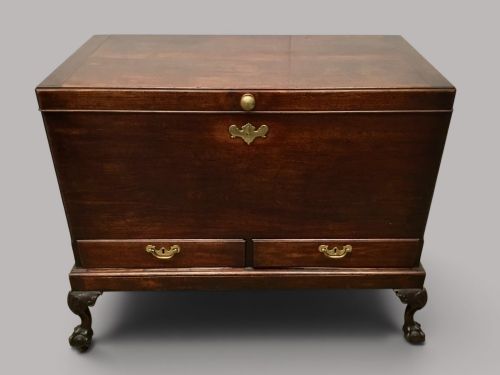
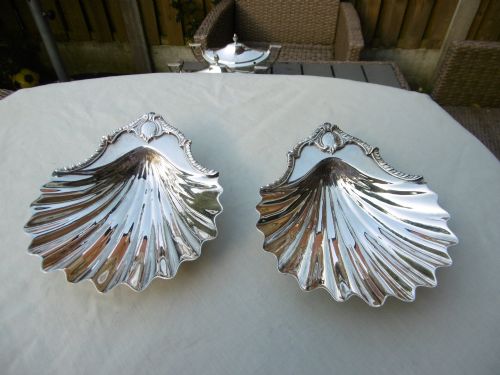
The material record also extends into dining accessories such as trencher salts, butter shells, sauce boats and three-pronged dessert forks. Alongside these hollowware and flatware pieces, the material culture of the period includes furniture specifically designed to hold silver, such as mahogany and walnut silver tables and chests.
Materials and construction
Silversmiths of the era worked primarily in sterling silver, hammering sheet metal or casting heavier components like candlesticks, casters and handle mounts. Molten metal was cast, raised, chased and engraved to create deep relief decoration and crisp armorial crests.
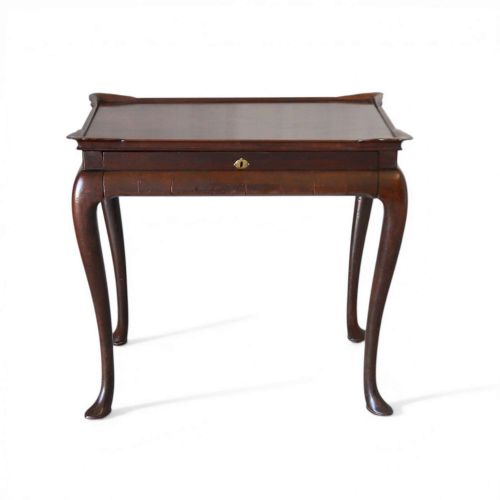
Woodworkers paired these metal objects with dense timbers including mahogany, walnut and oak. Furniture pieces featured cabriole legs and specialised trays designed to secure heavy vessels safely during service.
George II Silver Retail Price Guide 2026
Typical asking prices for george ii silver among the pieces listed under this phrase on Sellingantiques today, from the lower quarter to the upper quarter. They describe what is for sale here now, not the wider market.
Early dining habits demanded specialised double-ended marrow scoops so guests could extract every last morsel of bone marrow at the table.
Judging quality and execution
The weight of the metal and the crispness of the chasing dictate the standing of hollowware items like tankards and coffee pots. Thicker gauge silver retains sharper detail through repoussé work and supports robust structural hinges on lids and spouts.
Engraved heraldry, maker marks and provincial origin markers further separate standard utilitarian production from exceptional workshop output. Pieces retaining clear hallmarks and original crests demonstrate superior provenance and original craftsmanship.
William Plummer·Richard Gurney·John Cafe·David Hennell·E Coker
The George II Silver Glossary
- Hallmark
- Official stamps punched into precious metals to indicate the standard of silver, the assay office, and the date letter. These marks provide definitive historical documentation for a piece.
- Salver
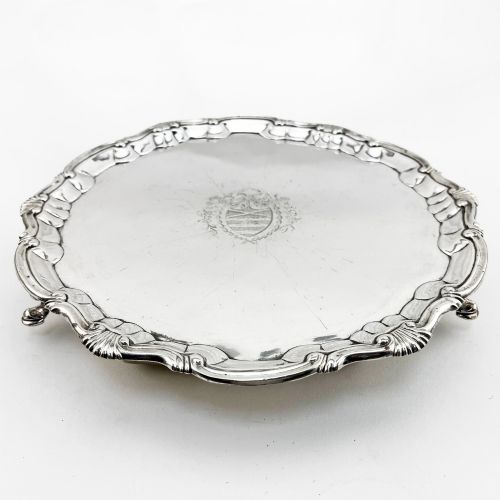
- A flat plate or tray with feet, used for serving drinks or displaying domestic silver. These items often feature heavy cast borders and engraved centre panels.
- Repoussé
- A metalworking technique where the artisan pushes or hammers the design from the reverse side to form raised relief work on the front. This method creates decorative panels on jugs and tankards.
- Marrow scoop
- A narrow double-ended spoon designed for extracting marrow from animal bones during dining. Eighteenth-century examples often feature complex channelled bowls.
- Trencher salt
- A small, low salt cellar placed directly on the dining table for individual use. These functional items typically take circular or octagonal forms.
George II Silver: Frequently Asked Questions
How do I clean george ii silver?
Use a soft cloth and a gentle, non-abrasive silver cleaner specifically formulated for antique metal objects. Avoid harsh dipping solutions that strip away the natural patina accumulated over centuries.
Take care around engraved crests and chased decoration where vigorous rubbing can soften fine detail. Regular, careful dusting preserves the reflective finish of the sterling surface.
How do I spot a fake hallmark?
Examine the individual punch marks under magnification to check for crisp edges and correct alignment. Modern forgeries often display blurred borders or use letter styles inconsistent with eighteenth-century registers.
Compare the maker mark against documented assay records from London, Dublin, Edinburgh or provincial offices. Genuine punches show natural wear consistent with the age of the item.
What is a bullet teapot?
A bullet teapot is a compact, spherical vessel supported on three small feet, popular during the mid-eighteenth century. The globular shape provides excellent thermal retention for brewing loose-leaf tea.
These pieces often feature short spouts and flush hinged lids decorated with restrained hand engraving. Their sturdy construction made them a practical choice for daily domestic use.
Why are some items marked provincial?
Provincial items were manufactured outside London in regional centres like Newcastle, Exeter, Chester or York. Local silversmiths utilised distinct town marks alongside their personal maker punches.
These regional pieces offer a glimpse into local trade networks and often display unique design variations not found in metropolitan workshops.