




George II Cabinet on Chest
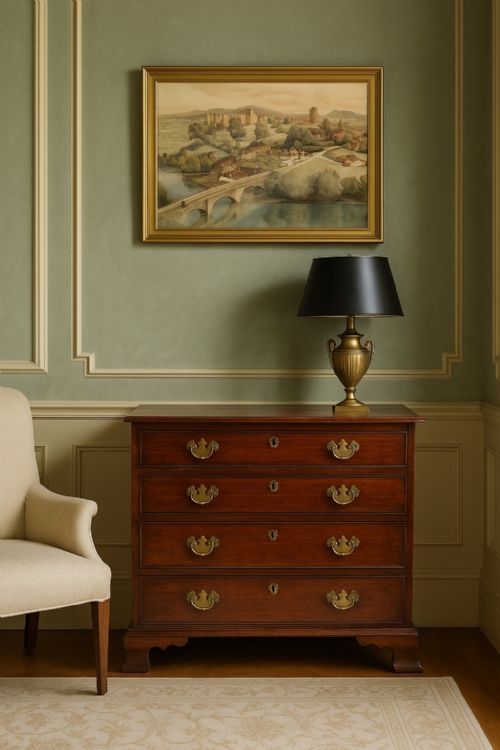
A george ii cabinet on chest brings substantial mid-eighteenth-century presence into a room through rich timber and disciplined proportions.
George II Cabinet on Chest
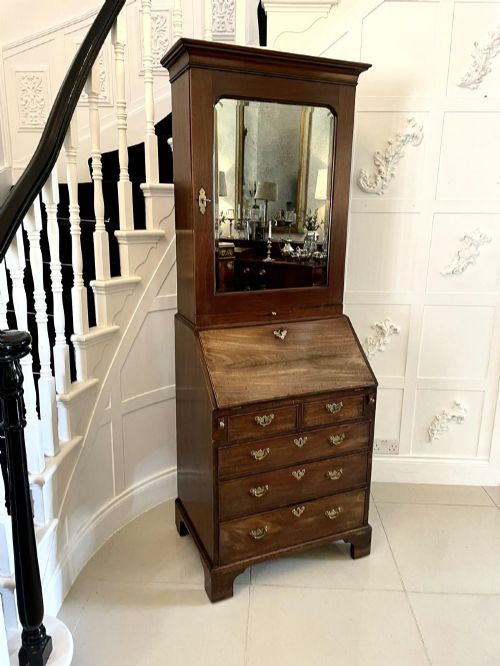
When you search for a george ii cabinet on chest, you enter a domain of eighteenth-century case furniture defined by upright storage and fitted writing or display sections. The pieces matching this term on the page span related forms such as chest on chests, bureaux, and bureau bookcases from the Georgian era.
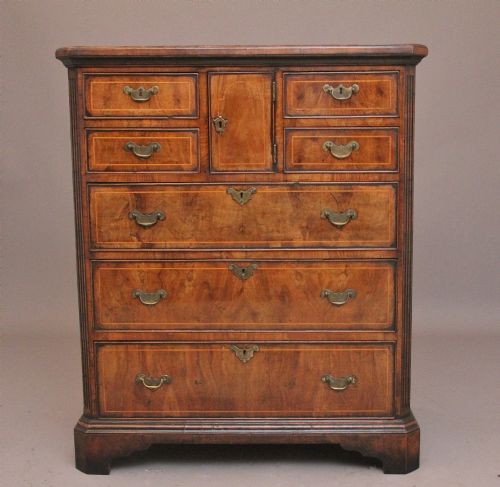
You will most frequently meet walnut and mahogany iterations, alongside occasional oak and burr walnut examples. These works originated in the 18th Century, though Victorian revivals also appear under the George II style.
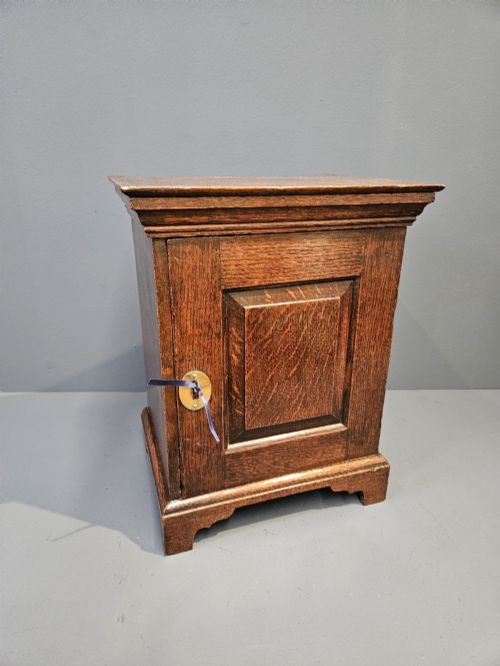
The form prioritises vertical storage, combining lower drawer sections with upper cabinets, desks, or book storage. Their presence in Welsh oak or figured walnut demonstrates the breadth of regional and metropolitan cabinet-making during the period.
Materials and Construction
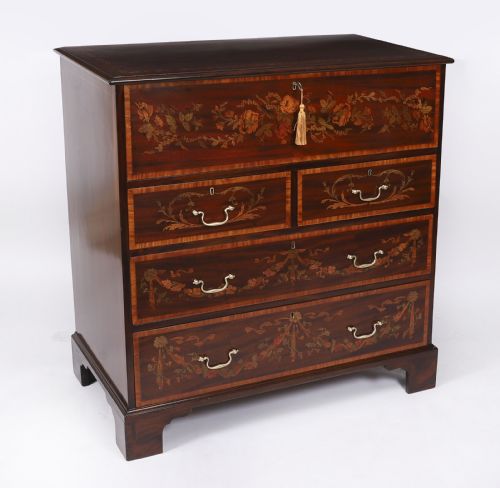
Cabinet-makers of the period constructed carcasses primarily in oak, walnut, and mahogany, frequently applying burr walnut, satinwood, and kingwood veneers to primary surfaces. Line inlay, mulberry wood, and elm also feature in the construction of these pieces, alongside brass for handles and escutcheons.
Joinery techniques relied on solid timber framing, dovetail joints for drawer construction, and careful timber selection to display figured grain patterns. Secondary timbers such as oak support the internal partitions of bureaux and chest on chests.
Cabinet-makers occasionally concealed secret compartments behind pigeonholes in bureau interiors, designed for hiding family letters or household silver keys.
Judging Quality
Quality rests in the selection of timber veneers, such as heavily figured burr walnut or rich red walnut, and the precision of the cabinet-maker's joinery. The crispness of line inlay and the retention of original feet, handles, and glass panels distinguish finer pieces.
Proportion dictates the success of these taller case pieces, where diminutive or small proportions often command greater appreciation. The integration of secondary woods and the sophistication of internal fittings like secret drawers or pigeonholes elevate certain examples above standard utilitarian chests.
Giles Grendey·Robert Gillows II
The George II Cabinet on Chest Glossary
- Chest on Chest
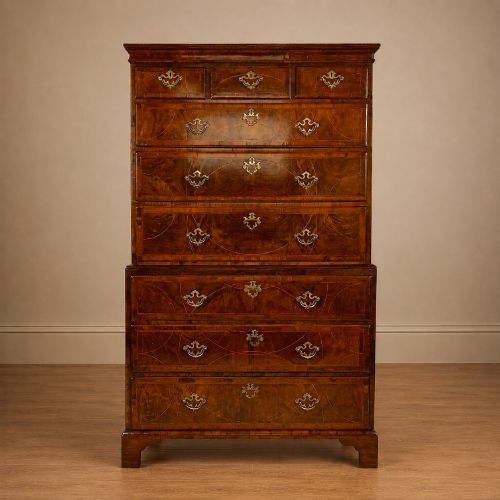
- A tall storage unit comprising two separate case sections stacked vertically, with drawers in both the upper and lower halves. Also historically termed a tall-boy.
- Bureau
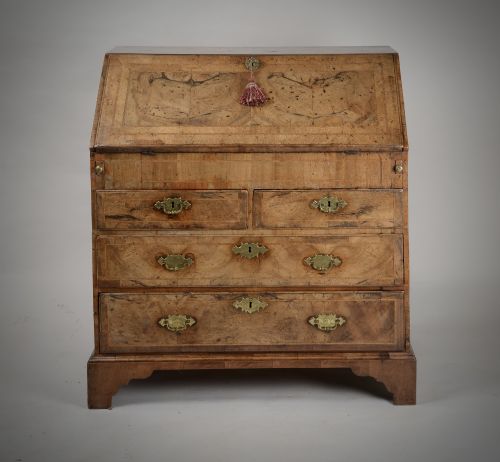
- A slant-front desk enclosing a fitted interior of small drawers and pigeonholes above a chest of drawers. The writing slope folds down for use.
- Bureau Bookcase
- A combination piece featuring a bureau desk base surmounted by a glazed or panelled cabinet for books. It represents one of the more complex case forms of the period.
- Line Inlay
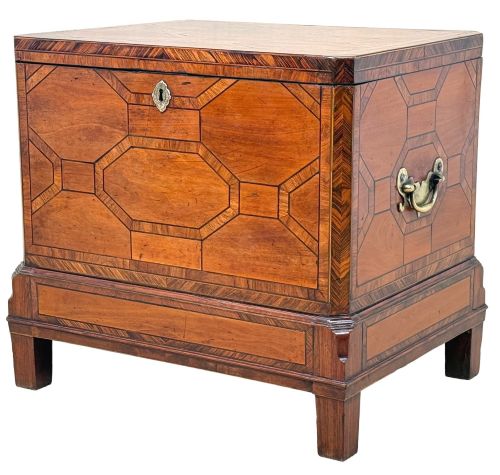
- Narrow strips of contrasting timber or light-coloured wood embedded flush into the primary surface to form delicate borders. This technique highlights the geometric drawer fronts.
- Ogee Feet
- S-shaped scroll feet that curve outward and then back inward to touch the floor. They provide a stable yet decorative base for case furniture.
George II Cabinet on Chest: Frequently Asked Questions
How do I distinguish walnut from mahogany pieces?
Walnut pieces generally date from the earlier part of the eighteenth century, displaying rich brown figures with darker grain swirls or burr patterns. Mahogany grew in popularity toward the middle of the century, offering a denser, red-brown timber capable of holding sharper carved details.
Examining the secondary timbers inside the drawers often confirms the primary wood's era. Oak secondary framing typically accompanies walnut, while mahogany carcasses frequently employ pine or oak internals.
What is the difference between a chest on chest and a tallboy?
Historically, the terms describe similar stacked vertical drawer units, though regional variations exist. A chest on chest specifically denotes two distinct cabinet sections placed one upon the other, often with matching proportions.
In some regions, particularly Wales, makers produced distinct regional interpretations like miniature tallboys in native oak. Both forms maximise storage capacity while maintaining a modest floor footprint.
How were these cabinets used originally?
These pieces served primary domestic functions for storing clothing, valuables, and correspondence in wealthy households. Bureau sections provided a private space for letter writing and managing household accounts.
Upper cabinet sections housed books, porcelain, or linens behind secure doors. Gentlemen's variants often included specialised compartments for collectors' items or library administration.
How do I care for antique walnut and mahogany?
Keep these pieces away from direct sunlight and steady heat sources to prevent the veneers from lifting or splitting. Maintaining stable room humidity preserves the integrity of eighteenth-century timber and glue.
Apply traditional beeswax sparingly and buff gently with a soft cloth to nourish the finish. Avoid modern silicone-based polishes that can degrade the historic surface patina.
Are Victorian George II style pieces authentic antiques?
Victorian pieces made in the George II style are nineteenth-century revivals rather than original eighteenth-century works. Cabinet-makers of the Victorian era frequently copied earlier Georgian proportions and walnut veneers to satisfy demand.
Close inspection of the construction methods, tool marks, and secondary woods usually reveals the later manufacturing date. These revival pieces hold their own standing as quality antique furniture despite not dating to the reign itself.