
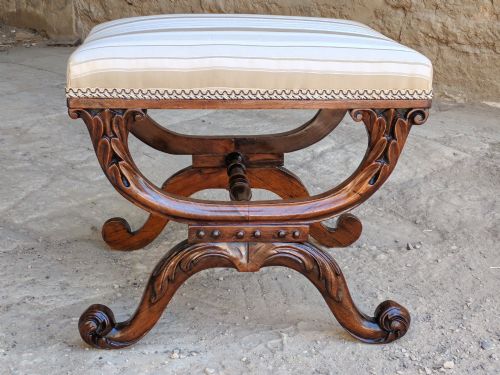
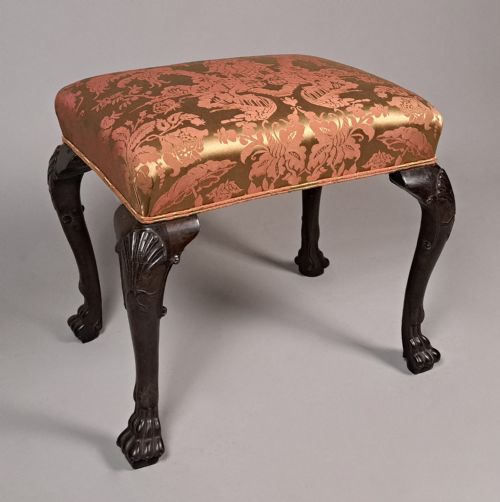
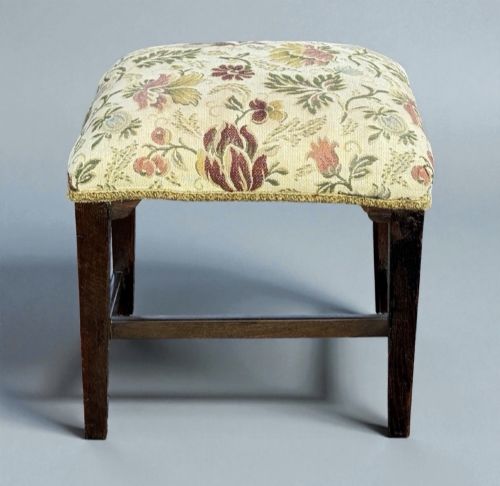

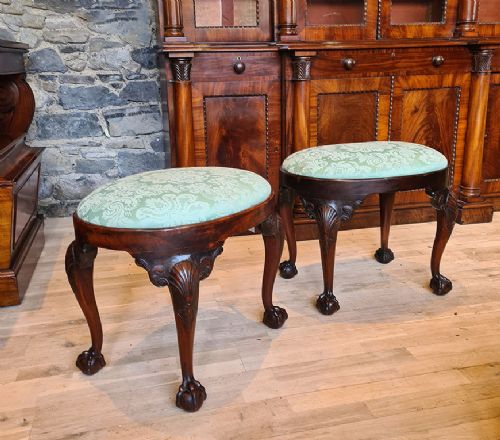


George I Upholstered Stool
These george i upholstered stool selections bring period seating into a room, offering low profiles and traditional textile covers.
George I Upholstered Stool
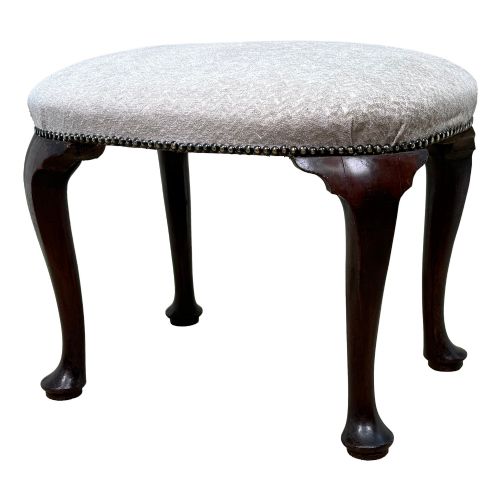
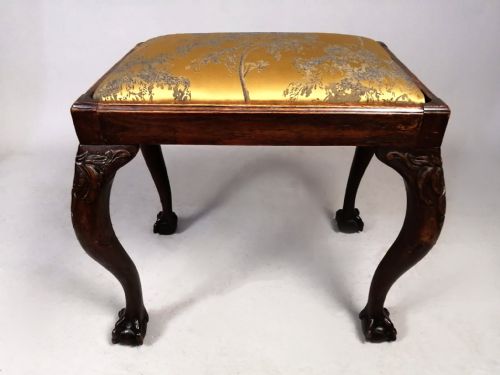
A george i upholstered stool typically presents low seating supported by wooden frames, often appearing alongside related footstools, long stools, and window seats from the Georgian eras and subsequent revival periods.
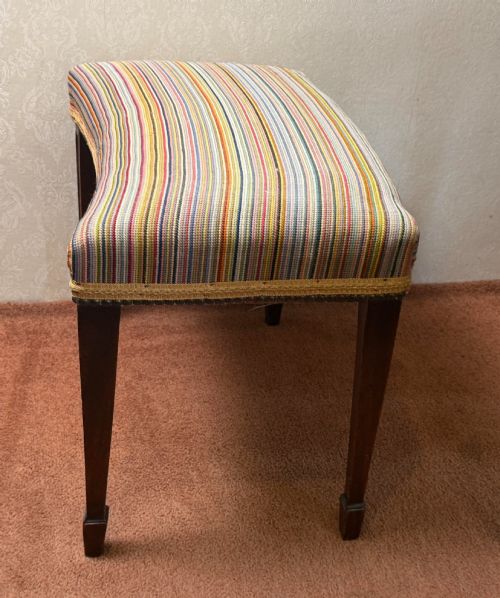
The selections span early walnut oval shapes through to later mahogany examples, incorporating square tapering legs, serpentine outlines, and circular forms.
Buyers encounter genuine 18th-century pieces alongside 19th-century interpretations and Edwardian creations that replicate earlier designs.
Materials and Construction
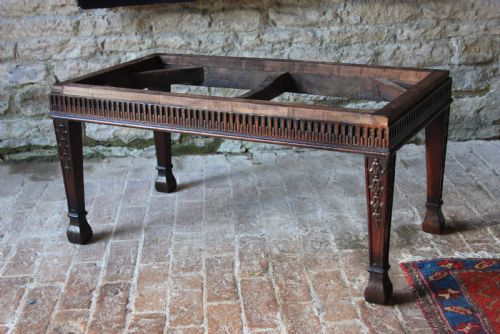
Frames are constructed from solid timbers such as mahogany, walnut, oak, elm, and rosewood, shaped through carving and joinery.
Upholstery incorporates traditional textiles including tapestries, velvet, fabric, and burgundy leather secured with brass studding.
Materials documented across the inventory include solid rosewood, oak, elm, brass studs, velvet, and historical tapestries.
Assessing Quality and Design
Quality rests in the handling of the timber, visible in the depth of carving on walnut and mahogany frames and the elegance of the proportions.
The integrity of the construction and the harmony of the upholstery materials, whether period tapestry or later leather, define the standing of each piece.
I.M. Gillows of Lancaster
The George I Upholstered Stool Glossary
- Serpentine shape
- A gently undulating curved line characteristic of refined 18th-century furniture design. This contour appears along the frame edges of better stools.
- Tapestry
- A heavy hand-woven or machine-woven textile featuring pictorial or geometric designs. These fabrics frequently cover the seats of period stools.
- Brass-studded
- A decorative upholstery technique utilising small brass nails to secure leather or fabric edges. The studs create a neat metallic border around the seat cushion.
- Window seat
- An elongated stool or bench designed specifically to fit within a window recess. These forms share identical leg treatments and upholstery with standard stools.
- Oval stool
- A curved seating form lacking sharp corners, often associated with early walnut furniture. This shape provides a softer silhouette in a traditional interior.
George I Upholstered Stool: Frequently Asked Questions
What is a george i upholstered stool?
A george i upholstered stool is a low wooden seat dating from the early 18th century, featuring textile or leather coverings over a padded top.
These pieces typically utilise walnut or mahogany and serve as movable seating or foot rests within period rooms.
How do I spot a reproduction?
Distinguishing period pieces from later revivals requires examining the timber ageing, tool marks, and joint construction used in the frame.
Revival pieces often date from the 19th century or Edwardian era, copying earlier George I or George II styles using contemporary methods.
Where were these stools used?
These stools functioned throughout Georgian homes as flexible seating near fireplaces, at the foot of beds, or placed by windows.
Their portable nature allowed servants to move them easily between rooms as needed for gatherings.
How do I care for the upholstery?
Preserving the fabric or leather top involves gentle dusting and keeping the textile away from direct sunlight and strong heat sources.
Original tapestries and antique leather require specialist cleaning to maintain their structural integrity over time.