





18th Century Vanity Stool
An 18th century vanity stool brings tactile elegance and compact character to a dressing room or bedroom corner.
18th Century Vanity Stool
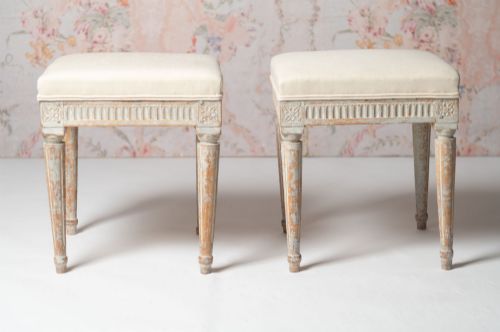
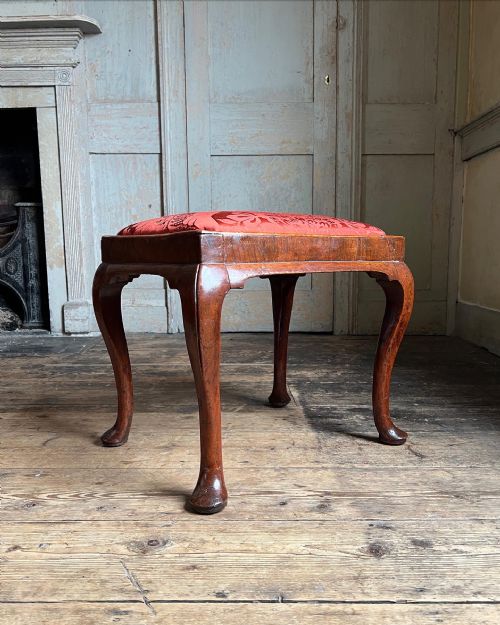
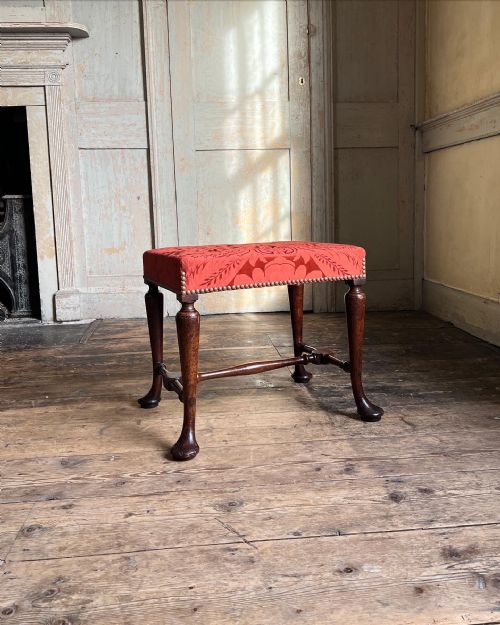
An 18th century vanity stool is a low seating form designed for personal grooming spaces, frequently constructed in sturdy mahogany or figured walnut. These pieces survive in various regional interpretations, including English Georgian designs and Swedish Gustavian examples.
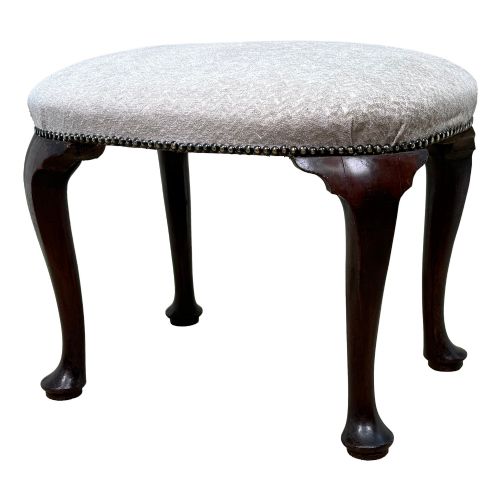
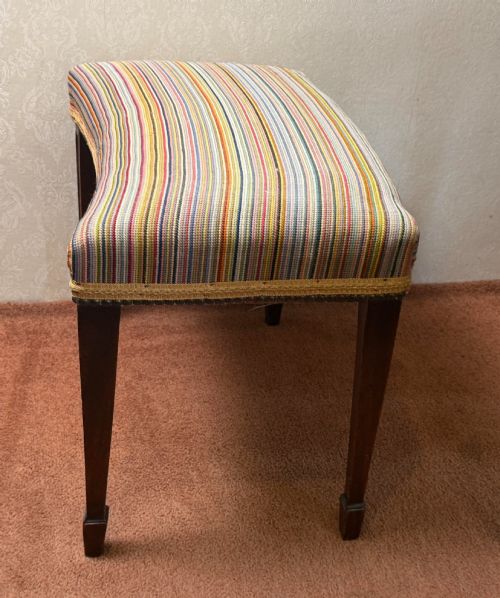
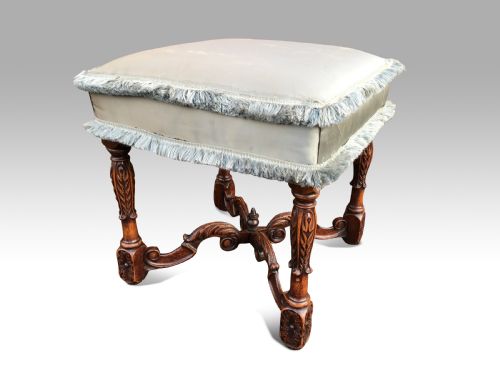
The pieces listed here encompass authentic period items from the seventeen-hundreds alongside later revival pieces from the nineteenth and early twentieth centuries. Buyers encounter both square-leg variants and more decorative cabriole-leg forms upholstered in fabric or linen.
Materials and construction
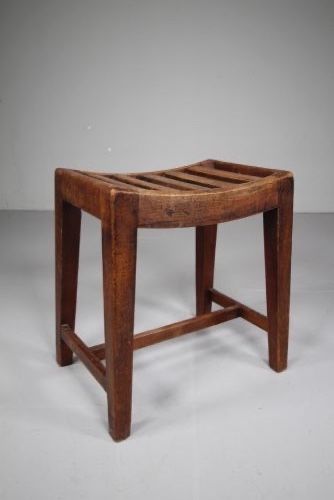
Cabinetmakers built these stools primarily using dense timbers like mahogany and walnut, often shaping the wood into serpentine profiles, cabriole legs, or square tapering supports. Traditional joinery secured the frames before upholstering the seats in textile or fabric.
Makers occasionally utilised painted wood finishes, particularly on Swedish Gustavian pieces, whilst brass accents sometimes appeared on related hardware. Upholstery fabrics and linen provided the surface material for the seats, supported by webbing and traditional stuffing.
One walnut oval stool arrived with a royal pedigree of sorts, having survived three centuries of polite sitting.
Assessing quality and distinction
Superior examples display crisp carving on the cabriole legs or rails, with well-proportioned lines that reflect careful carpentry. The choice of timber grain, such as figured walnut or rich mahogany, elevates the visual presence of the frame.
Period authenticity distinguishes eighteenth-century originals from later nineteenth and twentieth-century revival pieces. The precision of the joinery and the grace of the silhouette separate standard utilitarian seating from finer decorative items.
The 18th Century Vanity Stool Glossary
- Cabriole leg
- A furniture leg that curves outward at the knee and tapers inward toward the ankle, ending in a pad or foot. This form derives from animal limbs and appears frequently on Georgian seating.
- Serpentine shape
- A line or edge that curves outward in the centre and inward at the sides, creating a gentle wave effect. Cabinetmakers applied this contour to the seat rails of finer stools.
- Gustavian style
- The Swedish interpretation of French neoclassical design, characterised by pale painted wood finishes and restrained carving. These pieces offer a lighter aesthetic compared to heavy English dark woods.
18th Century Vanity Stool: Frequently Asked Questions
How were these stools used?
These low seats served practical seating needs during personal grooming, hair dressing, and dressing in private chambers.
Their compact scale allowed them to tuck neatly beneath dressing tables or sit quietly against bedroom walls when not in use.
Are these pieces comfortable for daily use?
Most period examples feature firm, traditional upholstery built with webbing and stuffing rather than modern foam cushioning.
They function well as occasional seats or vanity perches, though they differ significantly from modern lounge seating.
How do I distinguish an original from a revival piece?
Original eighteenth-century pieces display historical tool marks, timber oxidation, and traditional joinery methods appropriate to their era.
Revival pieces from the nineteenth or twentieth centuries often show uniform machine work and different wood seasoning patterns.
How do I care for antique wood and upholstery?
Keep wooden frames away from direct heat sources and strong sunlight to prevent the timber and veneers from drying out.
Protect textile and linen upholstery with gentle vacuuming and professional cleaning when required to preserve the fabric.