




18th Century Walnut Stool
An 18th century walnut stool combines rich timber figures with compact, elegant proportions that anchor a traditional interior.
18th Century Walnut Stool
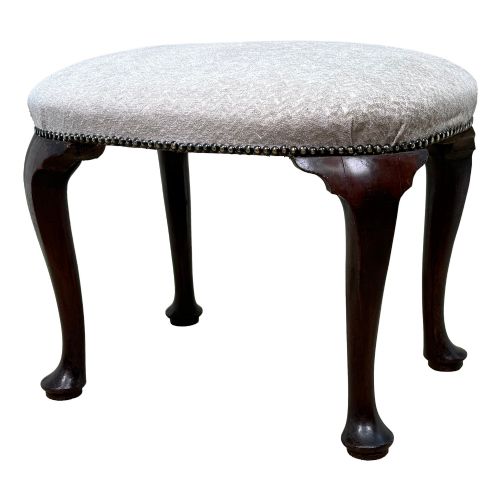
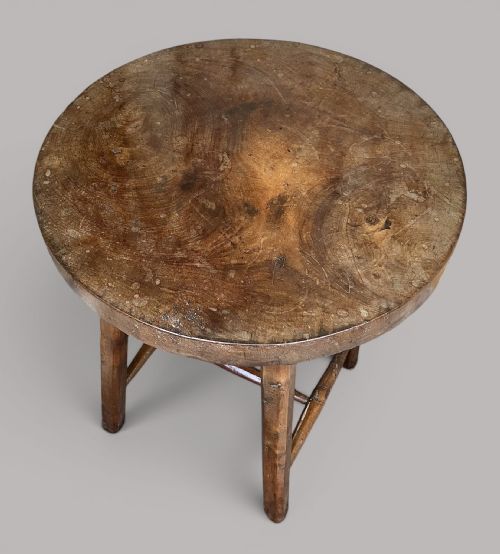
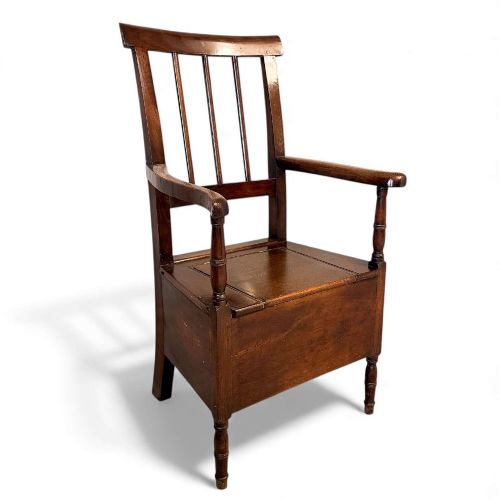
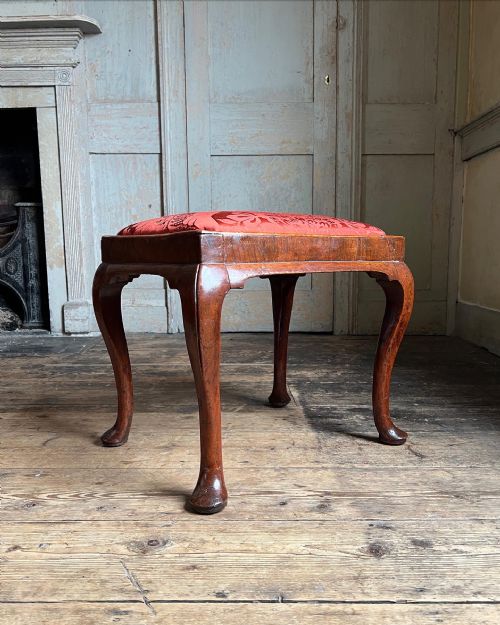
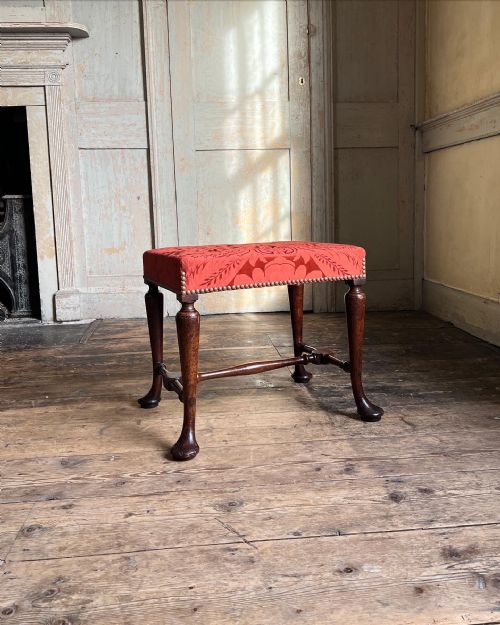
When you search for an 18th century walnut stool, you encounter low seating designed for the parlour or bedchamber during the Georgian and Queen Anne eras. These pieces typically stand on short cabriole legs and serve as footstools, close stools, or dressing seats.
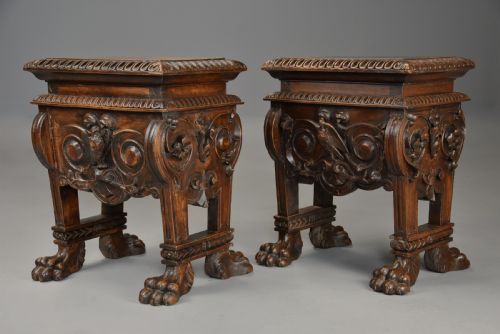
The most frequent form on this page is the period footstool or oval stool in solid walnut, alongside later revival pieces produced in the early twentieth century. These reproductions capture the classic walnut grain and vernacular styling of the original Georgian period.
Materials and Construction
Makers utilised solid walnut and red walnut for the primary frames, frequently pairing the dense timber with secondary woods such as oak in structural components. This dense hardwood allowed artisans to carve subtle curves along the rails and legs without losing structural integrity.
Upholstered surfaces relied on textiles like fabric, needlepoint, and tapestry, secured over webbed frames and stuffing materials. Brass elements occasionally appeared in the construction of close stools or specialised seating hardware.
Early cabinet makers occasionally hid compartments inside close stools, proving that eighteenth-century comfort required a degree of discretion.
Distinguishing Quality in Walnut Seating
Quality rests in the crispness of the timber carving and the fluidity of the leg profile, particularly where the cabriole meets the seat rail. Superior examples display thoughtful grain selection that follows the natural curves of the wood.
The integrity of the frame construction and the authenticity of the timber surfaces dictate the standing of a piece within its period. Later revival pieces from the twentieth century differ markedly in patination and joinery from authentic Georgian work.
The 18th Century Walnut Stool Glossary
- Cabriole leg
- A furniture leg that bends outward in a convex curve and tapers inward to a foot, typical of Queen Anne and George I design. This shape derives from animal limbs and provides sturdy support without heavy bracing.
- Close stool
- A piece of enclosed furniture containing a chamber pot, designed to resemble a standard seat or commode. These items reveal the domestic arrangements of the period.
- Needlepoint
- Stitched textile work using canvas ground, often employed for upholstery on period stools and chairs. It adds colour and pattern to the timber frame.
- Red walnut
- A North American walnut variety favoured for its warm colour and distinct grain patterns during the eighteenth century. Cabinet makers valued it for high-status seating.
- X frame stool
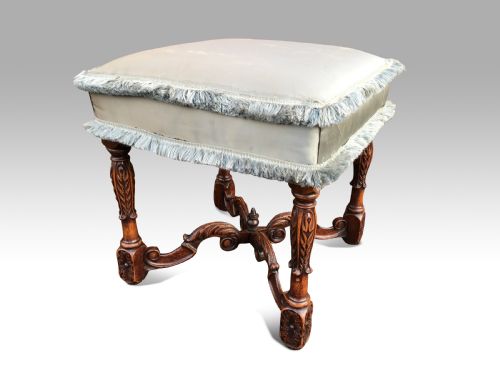
- A seat supported by intersecting diagonal legs forming an X shape, reflecting Renaissance revival and baroque influences. This formal shape provides rigid load-bearing strength.
18th Century Walnut Stool: Frequently Asked Questions
How do I date an 18th century walnut stool?
Dating relies on examining the tool marks, timber characteristics, and joinery methods visible on the underside of the frame. Early pieces from the George I period exhibit hand-cut joints and distinct patination that differ from twentieth-century revival versions.
Secondary woods like oak in the internal structure also help establish the chronological context. Comparing the leg profile and stretcher arrangement against known regional examples clarifies the date of manufacture.
Were these stools used as seats or footstools?
Surviving examples served multiple domestic purposes, functioning both as low seating for dressing rooms and as rests for tired feet. Their compact dimensions made them easy to move around the principal rooms of a residence.
Close stools fulfilled a specific sanitary function, containing a concealed basin beneath a lidded top. Standard stools provided flexible additional seating during gatherings.
How should I care for antique walnut furniture?
Maintain stable relative humidity in the room to prevent the walnut timber and secondary oak from shrinking or splitting. Keep wooden surfaces away from direct sunlight and heat sources to preserve the historic finish.
Apply microcrystalline wax sparingly to nourish the timber without building up heavy residues. Handle upholstered textile elements gently to protect fragile historical needlepoint and tapestry.
What is the difference between Georgian and revival stools?
Georgian originals display period tool marks, oxidised timber surfaces, and construction methods characteristic of eighteenth-century workshops. Revival pieces made around nineteen-ten or nineteen-twenty show machine-assisted joinery and different wear patterns.
While revival items imitate Queen Anne or Italian Renaissance styles, their timber patination and construction details reveal their twentieth-century origins.