
Georgian Walnut Seat
A georgian walnut seat brings rich timber tones and classic proportions into a room, offering both practical comfort and enduring historic character.
Georgian Walnut Seat
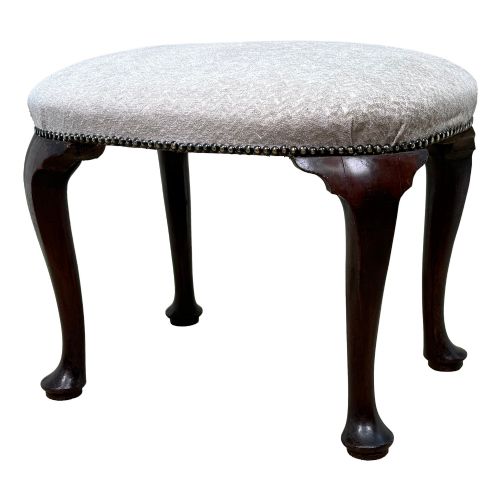
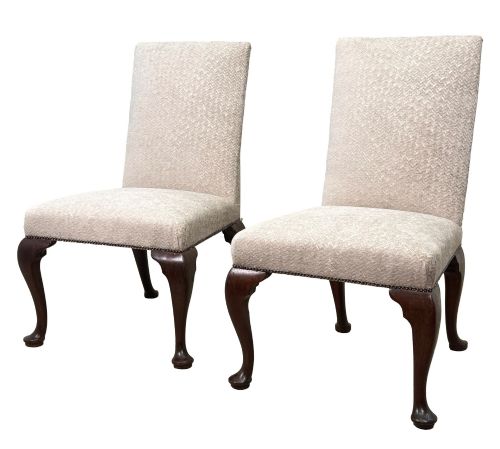
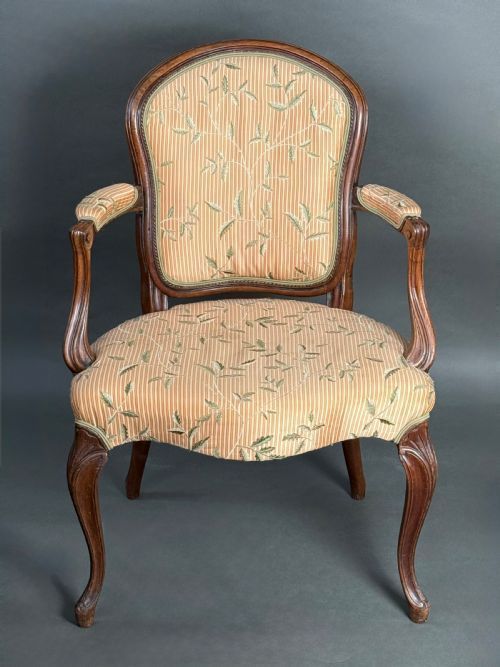
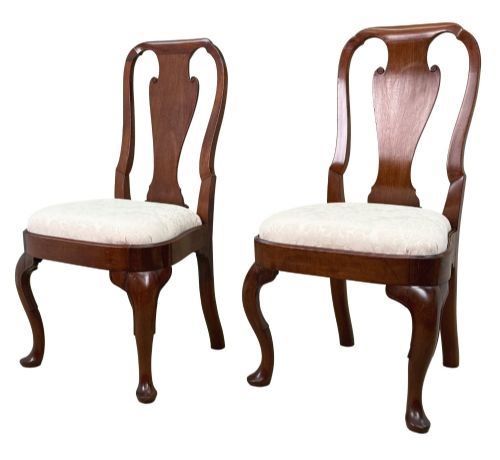
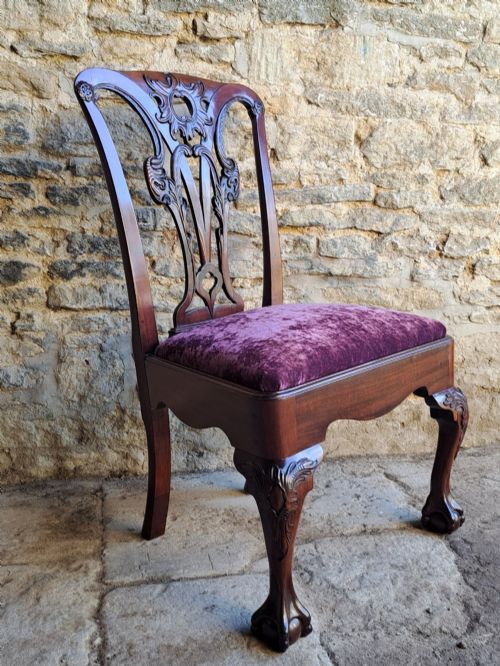
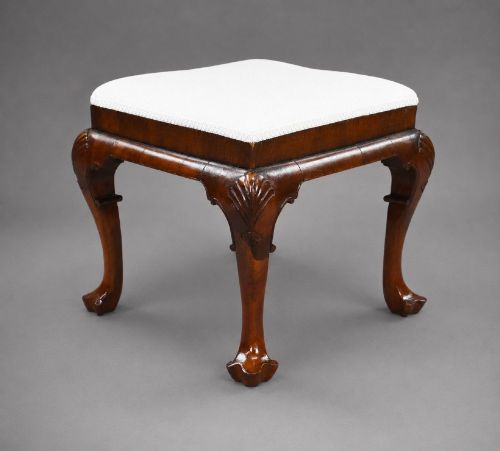
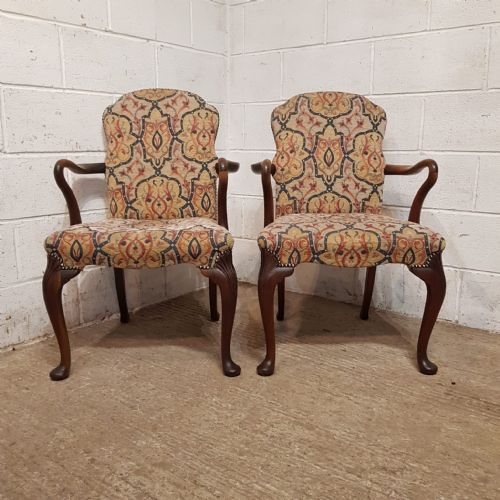
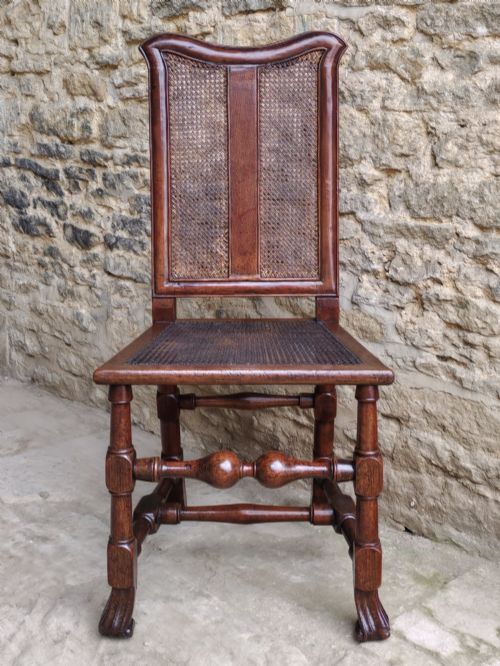
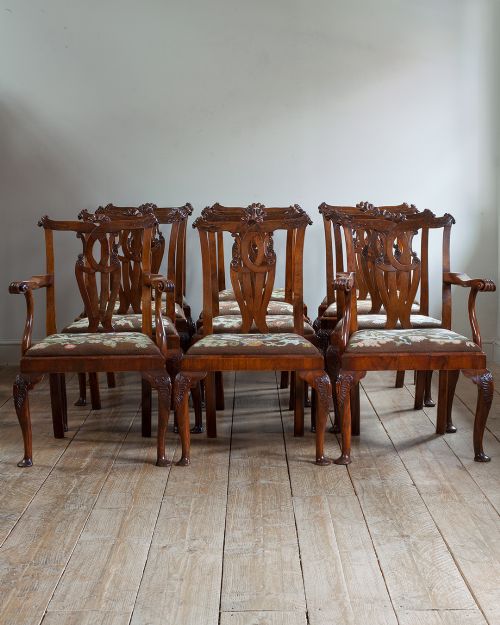
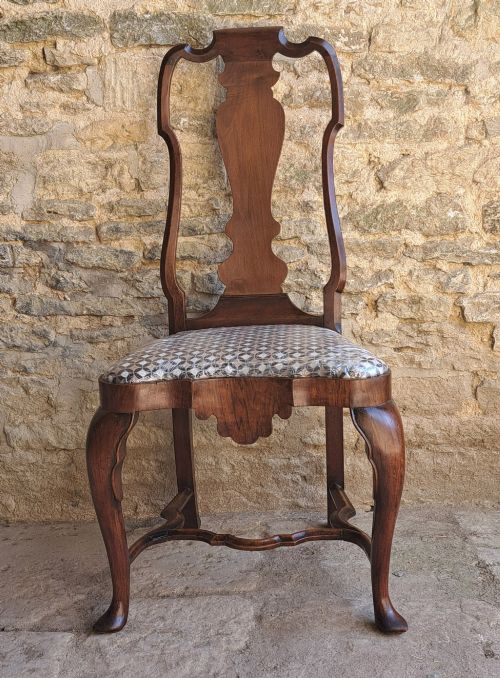
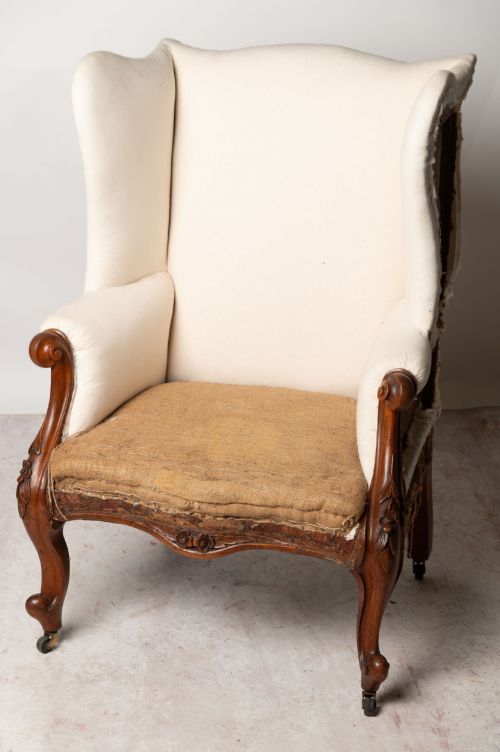
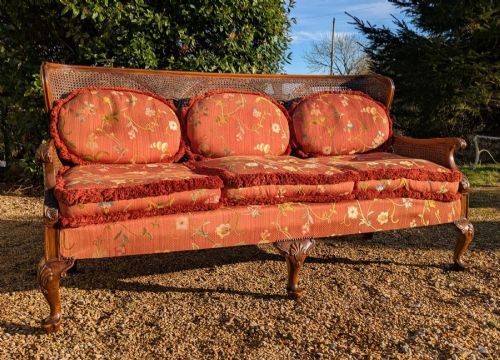
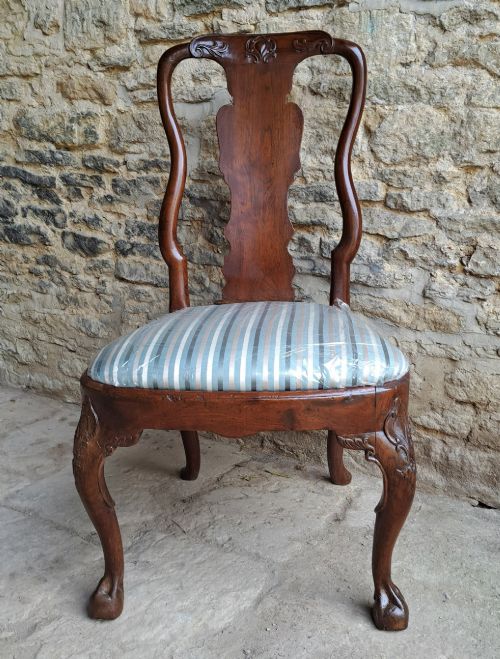
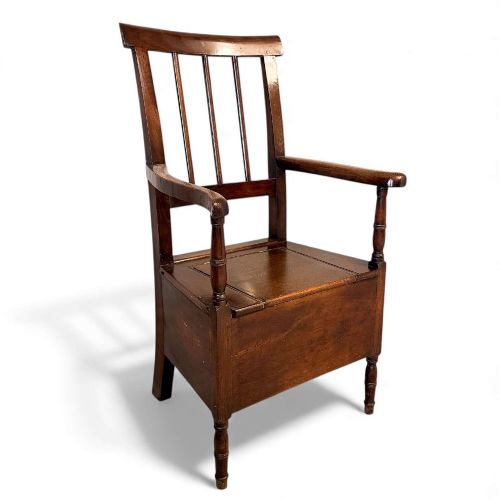
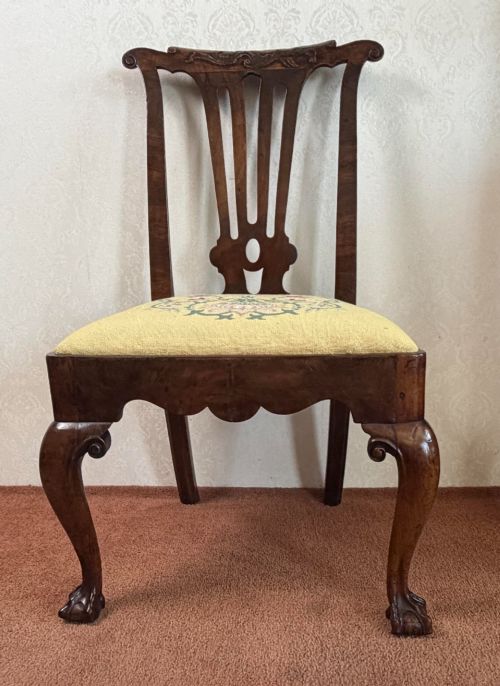
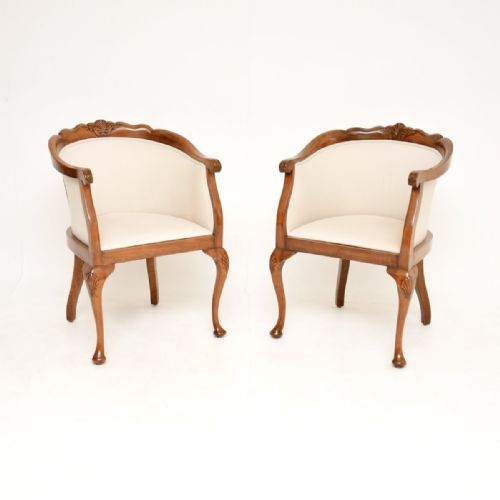
A georgian walnut seat encompasses a diverse range of historic furniture forms designed for sitting, resting, or dining. The selections here span dining chairs, side chairs, armchairs, corner chairs, settees, and various stools.
Buyers will most frequently encounter side chairs and armchairs dating from the eighteenth century, alongside later revival pieces produced in the nineteenth and early twentieth centuries. Forms range from simple single chairs to matched dining sets and upholstered settees.
How they were made
Cabinet makers utilised solid walnut and burr walnut timbers, often selecting red walnut for specific regional pieces. Frames were shaped and joined to support the weight of daily use while displaying the grain of the wood.
Traditional upholstery techniques integrated textile, fabric, tapestry, velvet, and needlepoint over supportive foundations. Brass details and feather cushions occasionally supplemented the structural materials to finish the seating.
Listings feature walnut, textile, fabric, tapestry, brass, velvet, upholstery, and burr walnut across multiple centuries.
What varies in quality
The degree of refinement in the timber selection and the depth of the carving set examples apart. Finer pieces display carefully matched burr walnut veneers or crisply executed details on the frame.
The integrity of the original structure and the fidelity of the period style influence the standing of each piece. Later revivals range from faithful interpretations to simpler utilitarian adaptations.
The Georgian Walnut Seat Glossary
- Walnut
- A dense, dark hardwood prized for its rich grain patterns and durability in cabinet making. It served as the primary material for high-status furniture throughout the eighteenth century.
- Burr walnut
- A specialised timber veneer taken from the growth excrescences on walnut trees. It yields complex, swirling grain patterns used on prominent decorative surfaces.
- Side chair
- An upright chair without arms designed for dining or occasional use around a room. These forms make up a significant portion of early seat furniture.
- Corner chair
- A specialised seat designed to fit into the corner of a room with a diagonal orientation. They often feature curved backs and supporting pillar legs.
- Needlepoint
- A form of counted thread embroidery traditionally worked on canvas grounds. It frequently provides the decorative textile covering for historic seat pads and stools.
Georgian Walnut Seat: Frequently Asked Questions
How do I identify a Georgian walnut chair?
Look for the characteristic warm brown tones of the timber and traditional joinery methods associated with the eighteenth century. Style markers such as shaped splats and cabriole legs often point toward this era.
Compare the proportions and wood grain with known examples from the period to confirm authenticity. Revivals from later centuries generally exhibit different tool marks and fresher timber ageing.
Were these seats used for dining?
Many of the side chairs and sets listed were indeed created for formal dining rooms. Their sturdy frames and upholstered pads accommodated guests during long meals.
Other variants, such as armchairs and corner seats, served in libraries, studies, or hallways. Their specific forms dictated where they sat within a historic interior.
Can I use an antique stool daily?
Most sturdy frames handle regular sitting provided the joints remain tight and secure. Periodic checks by a professional conservator help maintain their structural integrity.
Consider the weight capacity and the condition of the upholstery before putting older pieces into heavy rotation. Softer textiles like velvet or silk benefit from gentle treatment.
What is the difference between original and revival pieces?
Original pieces date from the specific historical eras like the reign of George I or George II. They carry the patina and wear accumulated over centuries of domestic use.
Revival pieces date from later periods such as the late nineteenth or early twentieth centuries. Makers then recreated earlier aesthetic styles using contemporary workshop methods.