



Antique Walnut Hearth Stool
These antique walnut hearth stool pieces combine solid timber frames with rich textile upholstery, offering low seating beside the fire.
Antique Walnut Hearth Stool
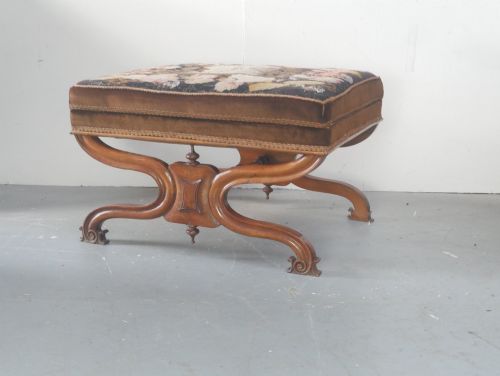
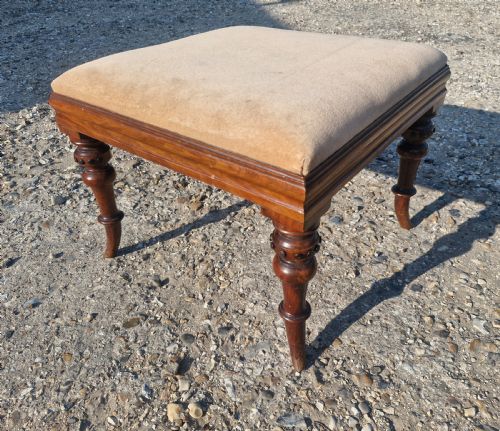
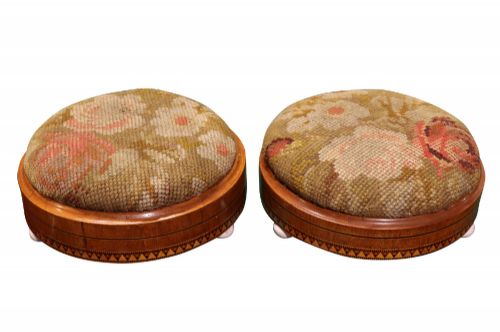
An antique walnut hearth stool sits low to the ground for use beside a fireplace, taking forms from the Georgian period through to the late nineteenth century. These pieces appear in circular, long fender, and large freestanding shapes designed to sit comfortably by a hearth.
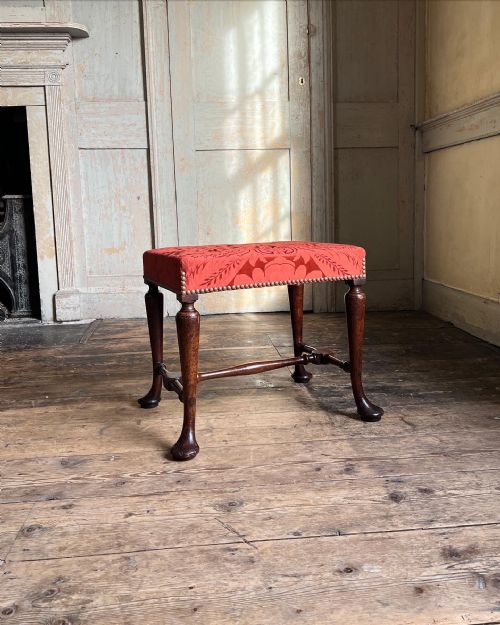
The selection on this page centres heavily on Victorian examples alongside earlier Georgian craft. Makers built these low seats using walnut timber frames paired with various textile coverings.
The forms range from compact footstools to substantial Scottish Baronial seating. Buyers meet carved walnut frames matched with period upholstery when browsing this phrase.
How they were made
Cabinetmakers shaped the foundational frames from solid walnut, incorporating carved details into the woodwork. These wooden structures support padded tops secured with upholstery materials.
Textiles such as tapestry, wool, velvet, and leather provide the surface coverings across the examples. Brass elements occasionally appear alongside the timber and fabric components.
Listings span from the Georgian period through the Victorian era, uniting walnut timber with textiles like tapestry, velvet, and leather.
What varies in quality
The refinement of the timber carving separates standard examples from finer pieces. Well-drawn proportions and skilled woodworking distinguish the better items in this range.
The choice and execution of the upholstery materials influence the overall character of each piece. Intricate tapestry or quality leatherwork elevates the finish compared to basic textile coverings.
The Antique Walnut Hearth Stool Glossary
- Hearth stool
- A low seat designed specifically to sit on the floor in front of a fireplace. These items provide auxiliary seating or a place to rest feet.
- Fender stool
- A long, narrow seat made to fit alongside a fireside fender. Such pieces stretch horizontally to run parallel to the hearth.
- Scottish Baronial
- A nineteenth-century revival style drawing on medieval Scottish architecture and furnishings. Pieces in this manner often display robust proportions and distinct regional detailing.
- Upholstery
- The soft padding, webbing, and fabric covering applied to a wooden frame. This component transforms a bare timber structure into a comfortable seat.
- George I
- The design period spanning the early eighteenth century, known for elegant walnut furniture forms. Items from this era show restrained ornament and balanced proportions.
Antique Walnut Hearth Stool: Frequently Asked Questions
Where did people use these stools?
These low seats stood directly beside the fireplace in reception rooms and parlours. Their modest height kept occupants close to the warmth of the fire.
They also served as footrests beneath armchairs or provided movable seating when rooms filled with guests. Their compact nature allowed them to tuck away neatly near the fender.
How do I spot a Georgian piece?
Georgian examples display the lighter proportions and simpler lines typical of eighteenth-century cabinetmaking. The walnut timber often shows a rich, patinated surface developed over centuries.
Victorian pieces tend to feature heavier carving, revival styling, and denser upholstery padding. Comparing the framing technique and wood grain helps separate the earlier items from nineteenth-century work.
What textiles cover these frames?
Original and later coverings include wool tapestry, velvet, leather, and woven fabrics. These materials were chosen to withstand regular use beside a busy hearth.
Many surviving pieces retain period upholstery that complements the dark tones of the walnut frame. Textures range from smooth leather to patterned pile fabrics.
Are long fender stools different?
Long fender stools feature an elongated, narrow format designed to stretch along the hearth in front of the fire grate. Their proportions set them apart from standard square or circular footstools.
This specific shape accommodated multiple people resting their feet simultaneously. They require more floor space than compact circular designs.