
George I Style Chairs
George i style chairs unite early eighteenth-century proportions with later revival craftsmanship, offering structured seating built in walnut, mahogany, and giltwood.
George I Style Chairs
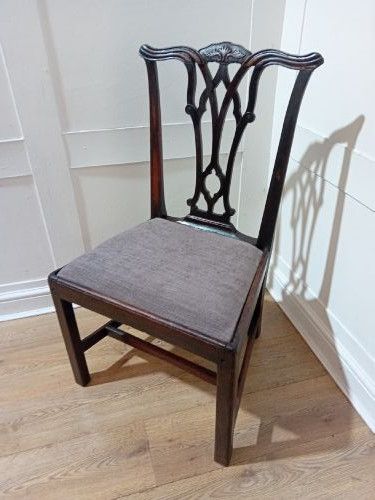
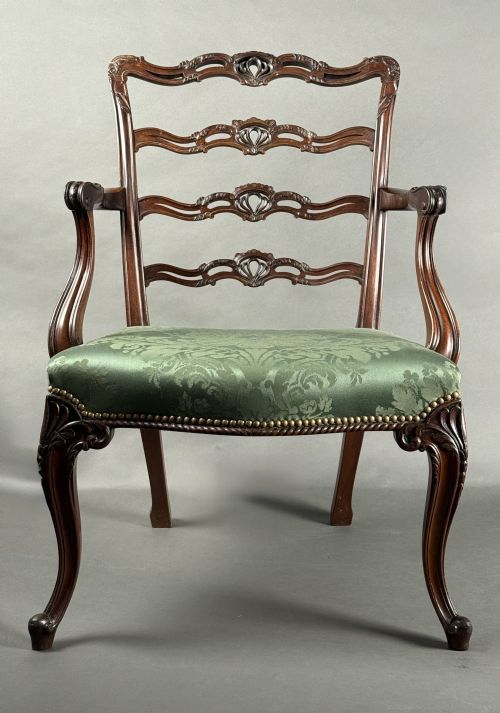
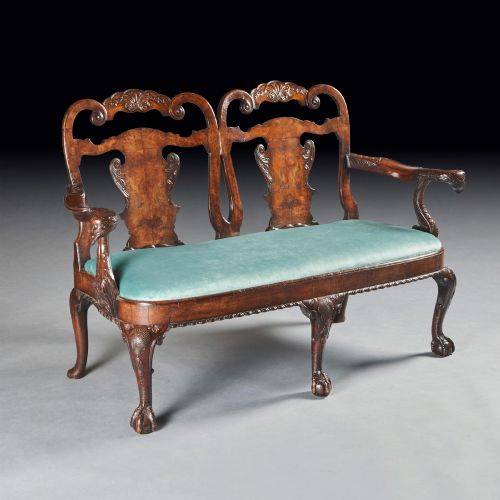
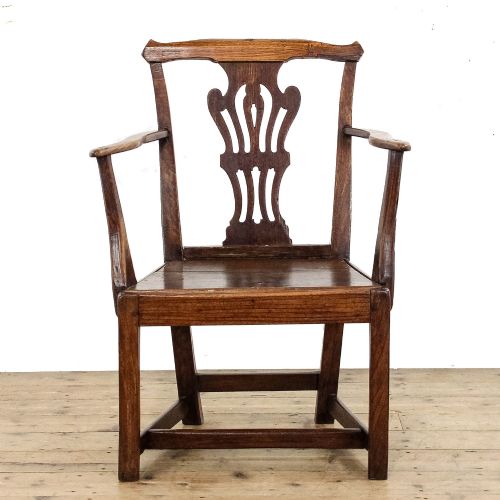
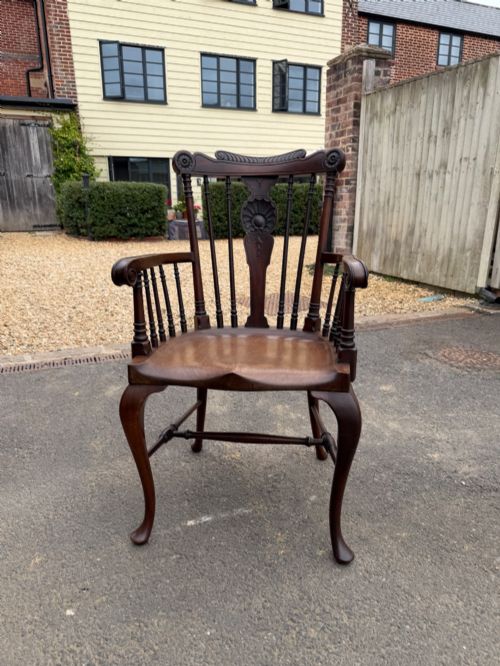
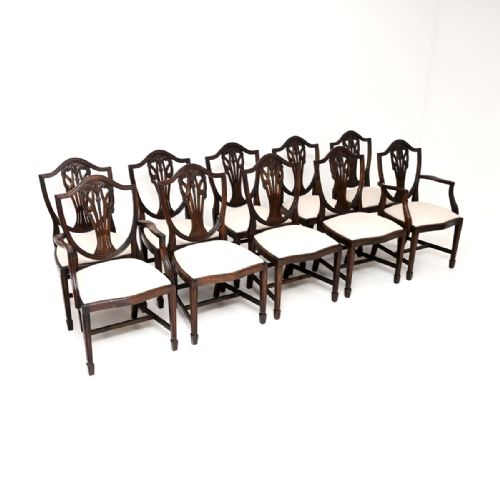
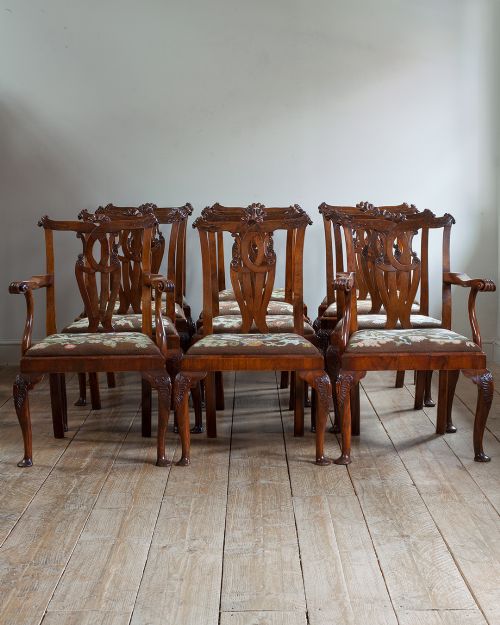
George i style chairs encompass dining seats, lowback open armchairs, and side chairs originally emerging from the early eighteenth century alongside extensive nineteenth- and twentieth-century revivals.
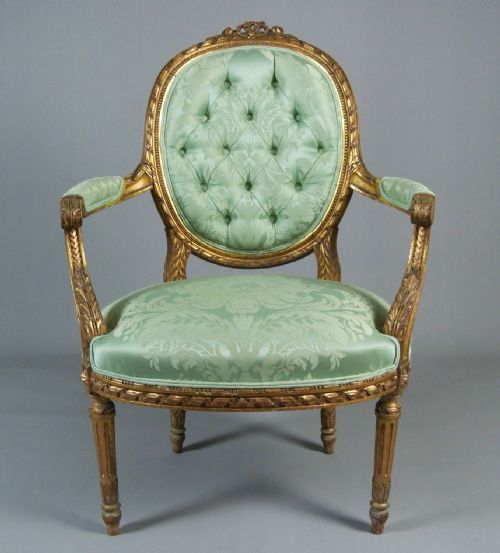
Buyers seeking this phrase encounter walnut side chairs, giltwood seating, and upholstered library models shaped by regional cabinet-makers and later revival workshops.
The aesthetic bridges the heavy oak traditions of earlier decades with the curvilinear walnut forms that define early Georgian design.
Materials and Construction
Cabinet-makers relied primarily upon dense solid walnut and rich mahogany, frequently framing structural elements with pegged mortise and tenon joinery.
Upholstery involved traditional stuffing techniques layered beneath horsehair fabric, silk, leather, and modern textiles.
Surface ornamentation often incorporated hand-carved details, gilding, and japanning applied directly to the timber frame.
Craftsmanship and Proportion
Superior examples demonstrate crisp, deep carving along cabriole legs and splats, whilst lesser pieces exhibit shallow, machine-cut detailing.
Structural integrity relies upon the tightness of original joints and the weight of the timber, distinguishing robust period seating from flimsy later imitations.
Thomas Chippendale·Gillows·Waring and Gillow·Robert Mainwaring
The George I Style Chairs Glossary
- Cabriole leg
- A furniture leg that curves outward at the knee and tapers inward toward the foot, mimicking animal limbs. This form dominated early eighteenth-century seating design.
- Carver chair
- An armchair designed to match a set of smaller dining chairs. These pieces typically sat at the head of a dining table.
- Giltwood
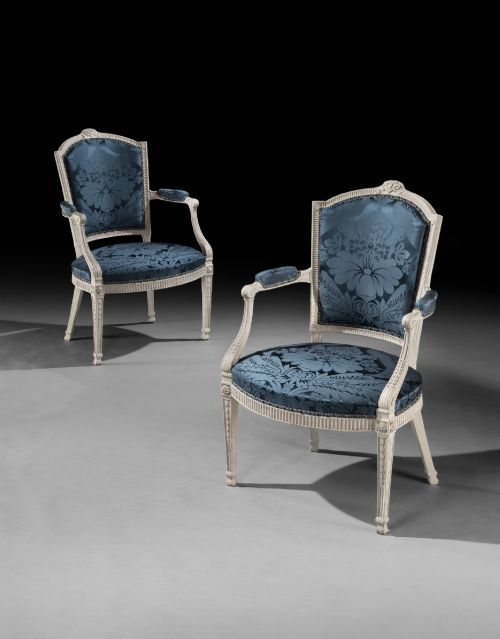
- Timber treated with gold leaf or gilt gesso. This decorative finish appeared on high-status formal salon and drawing-room chairs.
George I Style Chairs: Frequently Asked Questions
How do I identify a George I style chair?
Look for characteristic cabriole legs, pad or claw-and-ball feet, and solid walnut frames with spoon-backed contours.
Many examples found today date from later revival periods replicating these early eighteenth-century traits.
Were these chairs used at dining tables?
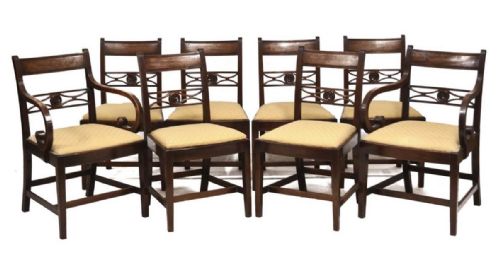
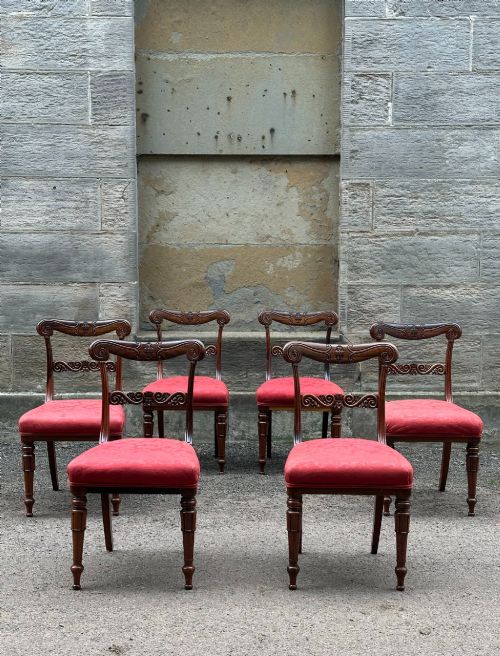
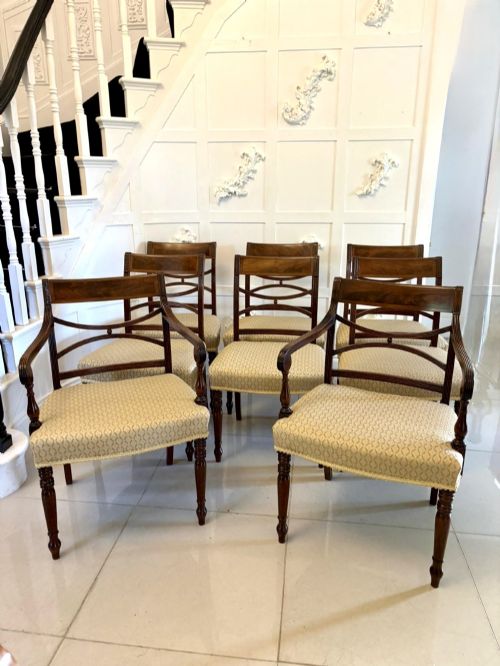
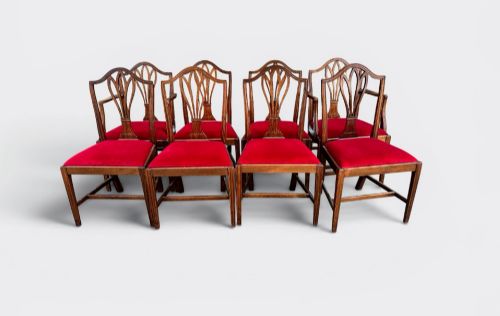
Dining sets frequently combined single side chairs with matching armchairs intended for the hosts.
Sets varied in size from small quartets up to extensive groups numbering twelve or more pieces.
What is a Gainsborough chair?
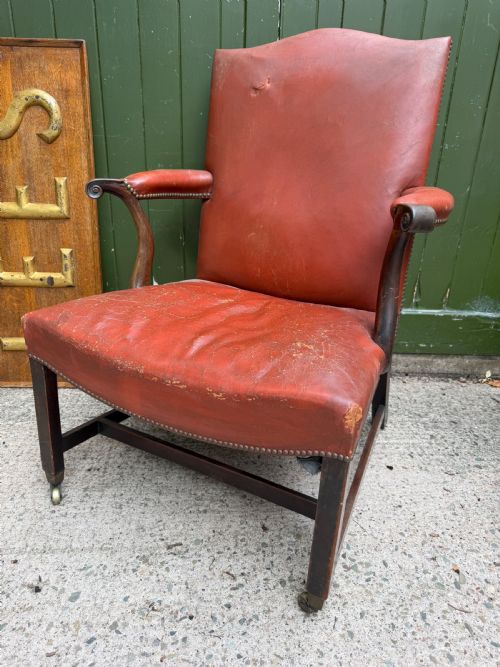
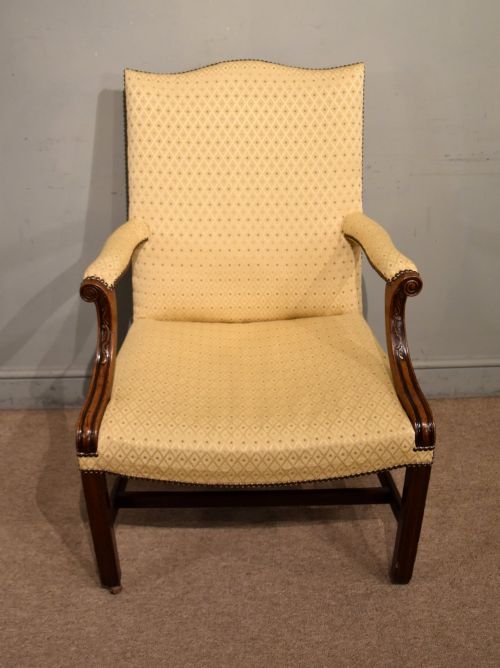
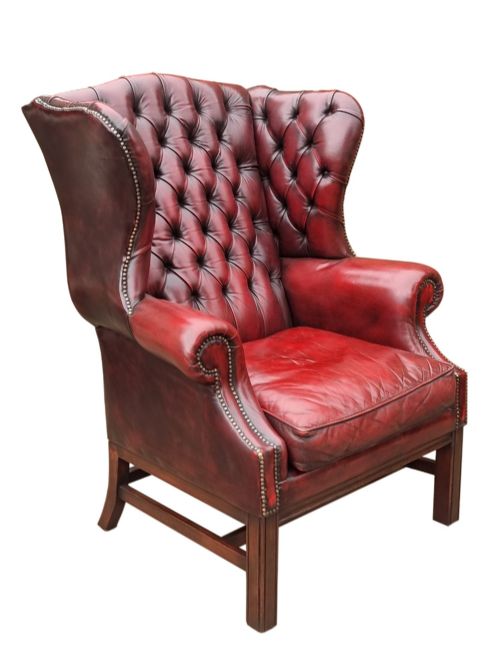
A Gainsborough chair is a wide, upholstered library armchair with open padded arms and exposed wooden legs.
These pieces typically feature leather or silk upholstery secured with brass tacking.
How should I care for antique leather upholstery?
Maintain leather surfaces by applying specialist balms periodically to prevent cracking and preserve suppleness.
Keep finished timber frames away from direct heat sources and strong sunlight.