

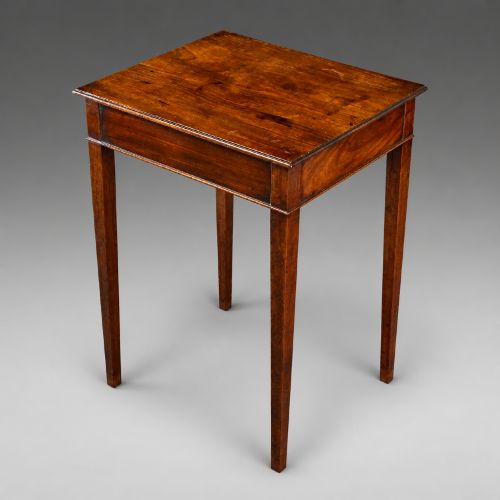
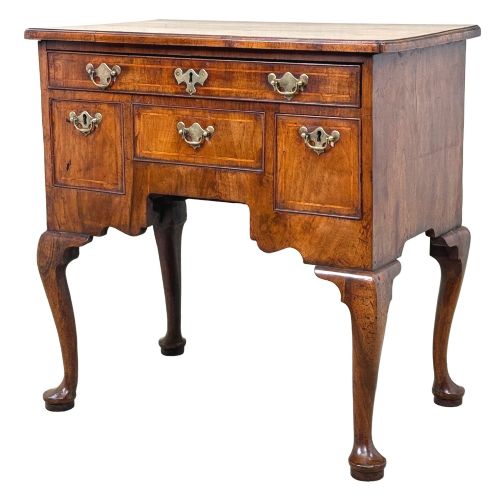
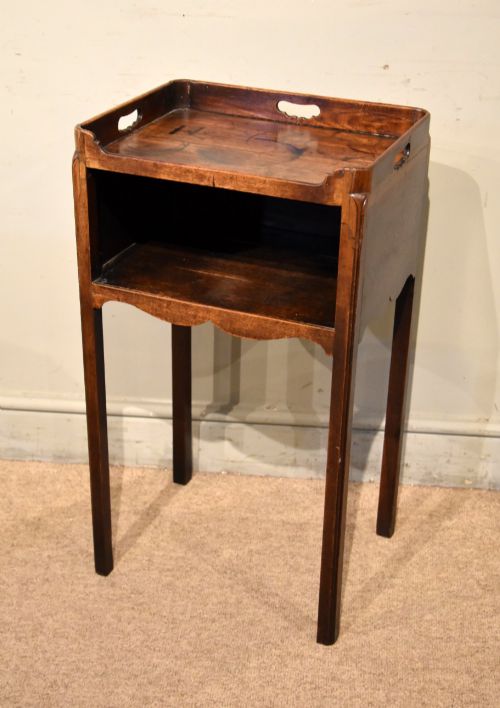
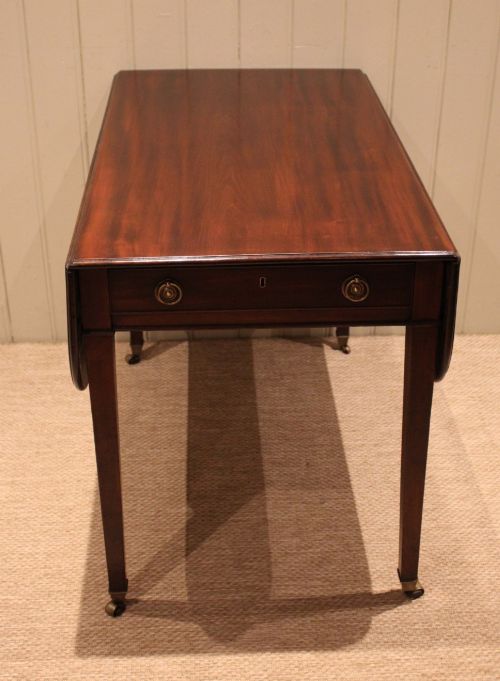
George I Occasional Table
A george i occasional table brings compact eighteenth-century timberwork into a room, offering a sturdy surface for lamps, drinks or books.
George I Occasional Table
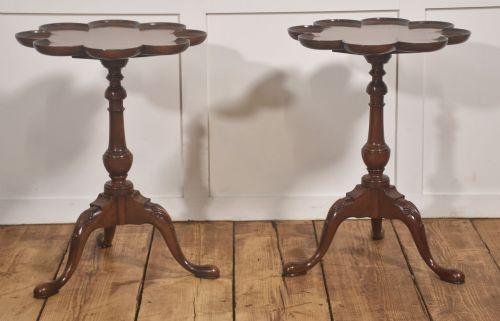
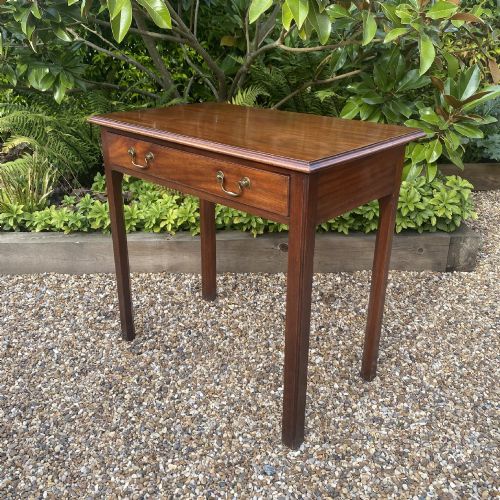
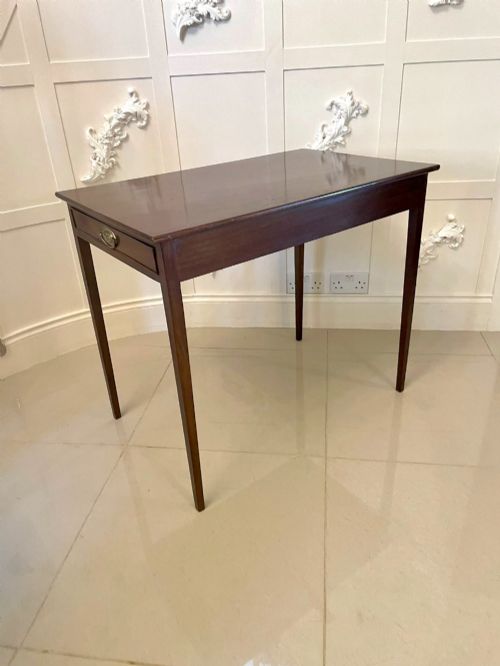
A george i occasional table typically takes the form of a side table, wine table or tripod table rooted in early eighteenth-century design. The pieces available span periods from the eighteenth century through to later revivals, though the core forms remain compact and utilitarian.
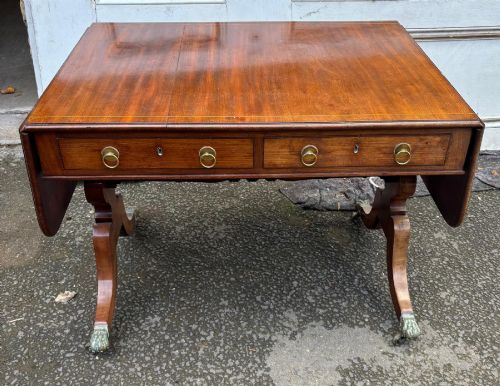
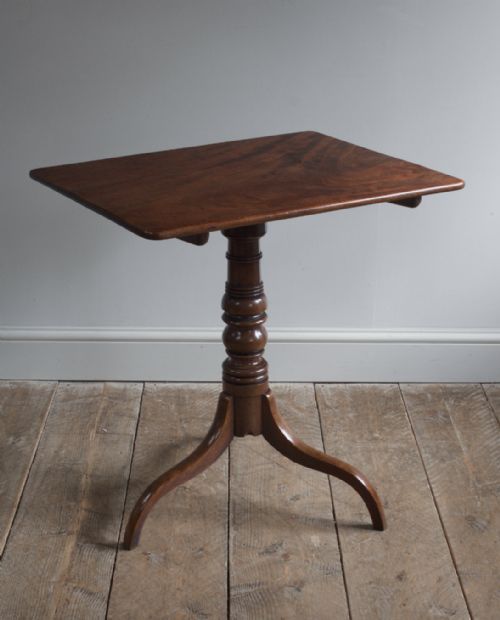
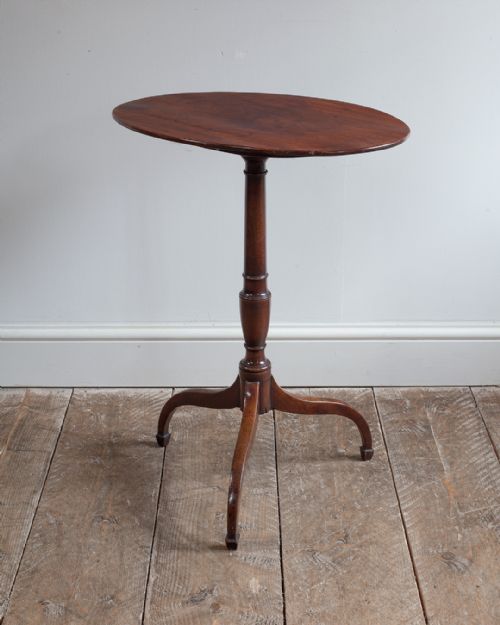
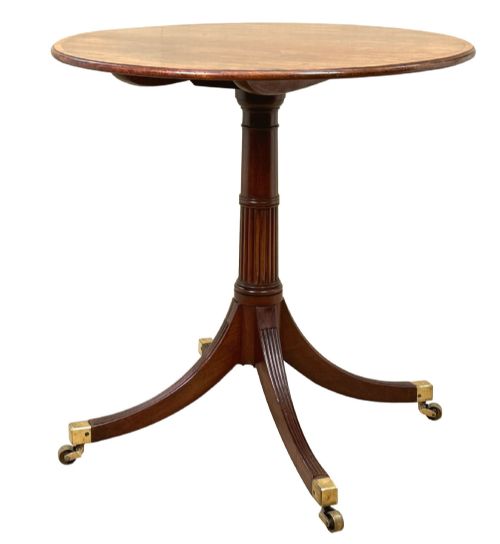
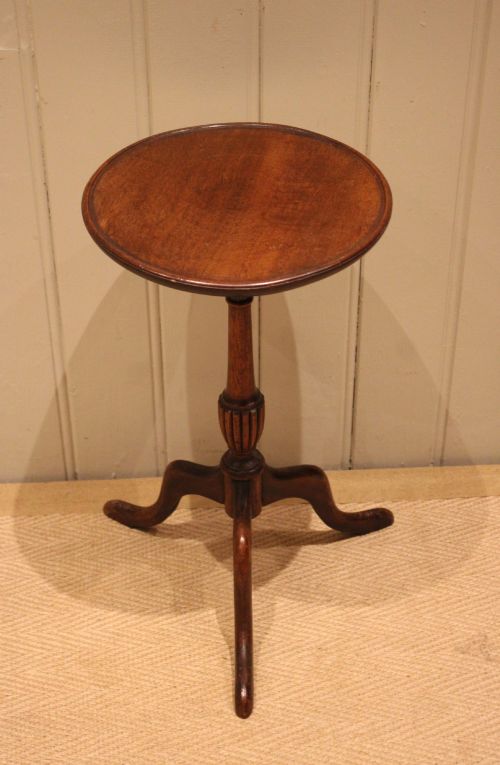
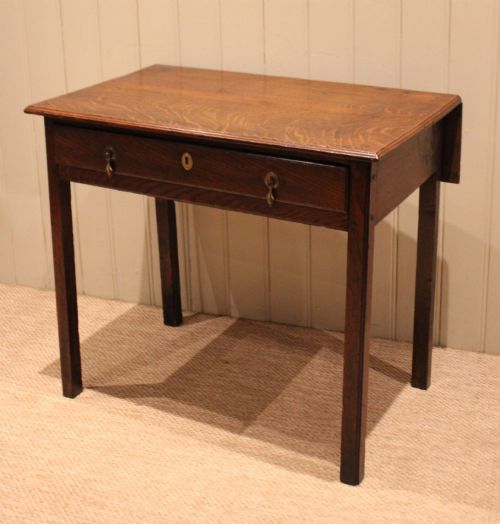
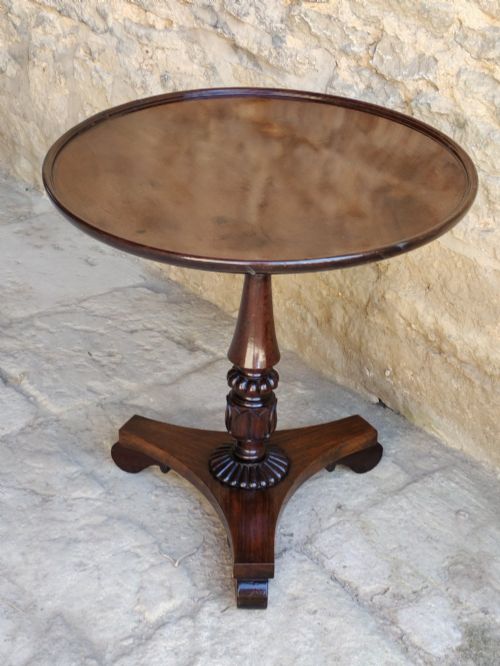
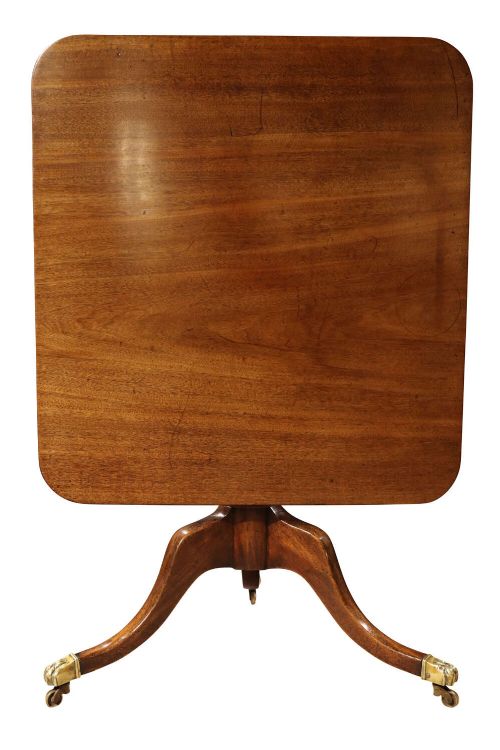
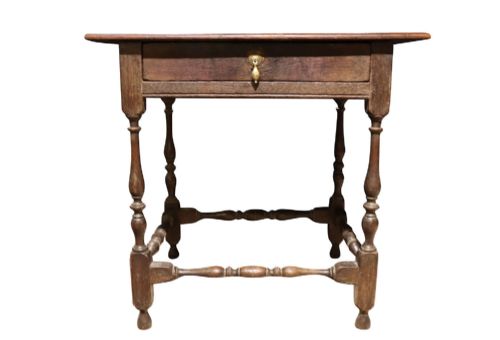
Buyers encounter variations including oak lowboys, walnut tilt-top tables and mahogany tripod tables with circular or dished tops. These smaller tables served specific domestic functions in period rooms, acting as movable surfaces for supper, candles or writing.
Origins stretch across English and Irish workshops, taking in country oak vernacular as well as more polished urban furniture. The selection reflects how these tables adapted through successive Georgian reigns and later nineteenth-century interpretations.
Materials and construction
Makers relied primarily on native and imported timbers, utilising oak and walnut for early pieces before mahogany became the dominant wood. Secondary woods like boxwood appear alongside decorative brass fittings and subtle wood inlay.
Joinery methods involved sturdy pegged frames for oak lowboys and sophisticated pillar-and-tripod turnings for smaller wine and candle tables. Tops were frequently fashioned as single solid boards, dished circles or tilt-top mechanisms supported on three-legged bases.
George I Occasional Table Retail Price Guide 2026
Typical asking prices for george i occasional table among the pieces listed under this phrase on Sellingantiques today, from the lower quarter to the upper quarter. They describe what is for sale here now, not the wider market.
Listings feature woods including oak, walnut, mahogany, satinwood, rosewood, boxwood and brass.
Assessing the craftsmanship
Quality rests upon the selection of timber and the fidelity of the proportions, particularly in the turning of pedestals and the crispness of edge mouldings. Tables featuring figured walnut or dense, richly patinated mahogany stand apart from plainer utility pieces.
The integrity of the construction dictates lasting value, seen in original tilt mechanisms, uncompromised tripod blocks and the absence of clumsy structural repairs. Refined leg profiles and balanced stretcher arrangements distinguish finer workshop output from simpler country production.
The George I Occasional Table Glossary
- Lowboy
- A small oak or walnut table featuring one or more drawers, commonly used as a dressing or side table. These pieces typically date from the early eighteenth century.
- Tripod table
- A small round table supported on a central pillar with three spreading legs. They often feature tilt-top mechanisms for storage.
- Tilt top table
- A table designed with a hinged top that pivots vertically to save space when not in use. The mechanism relies on a finely fitted catch and block.
- Wine table
- A compact occasional table intended for holding glasses or decanters near seating areas. They frequently incorporate dished or pie crust edges.
George I Occasional Table: Frequently Asked Questions
Where did people use occasional tables?
These tables sat beside chairs or near beds to hold small personal items, drinks or lighting.
Their portable nature allowed servants to move them around the house depending on immediate domestic requirements.
How do I spot an earlier table?
Earlier pieces from the early eighteenth century generally display simpler timbers like oak or walnut with heavy turnings.
Later nineteenth-century interpretations adopt cleaner lines and harder mahogany surfaces influenced by earlier Georgian proportions.
What is a tilt-top mechanism?
A tilt-top allows the surface to fold flat against the central pillar when pushed back.
This clever design saved floor space in smaller rooms during the eighteenth century.
Are these tables sturdy enough for daily use?
Solid timber construction and pegged joints provide considerable strength for holding lamps or drinks.
Care should be taken with older tilt mechanisms and delicate tripod bases during relocation.