
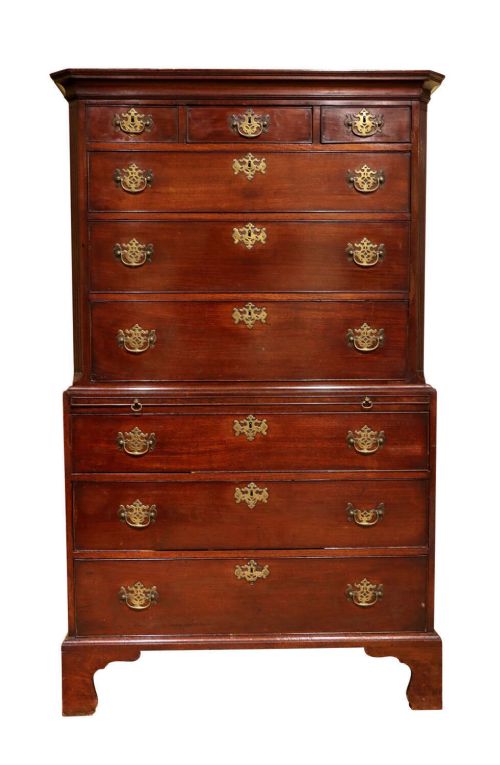
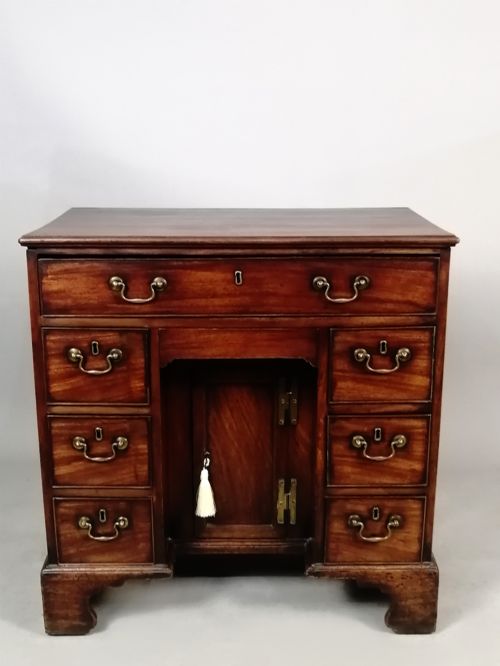
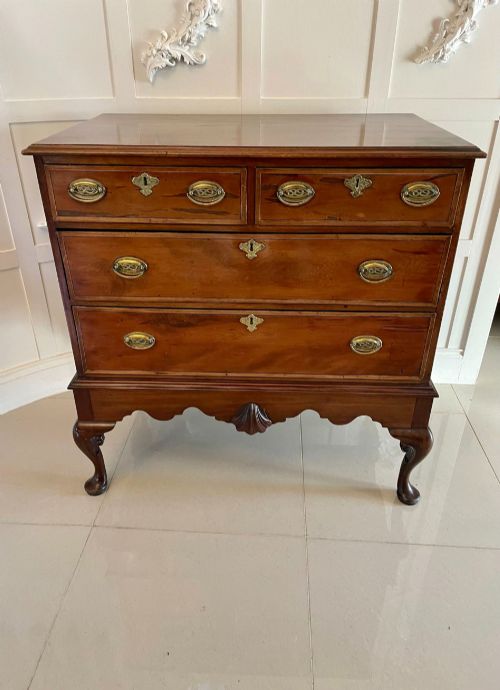
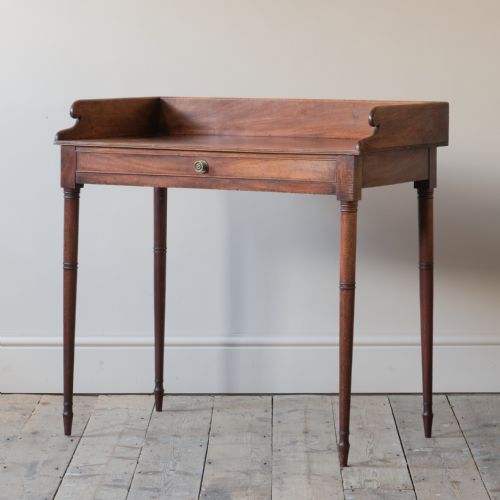

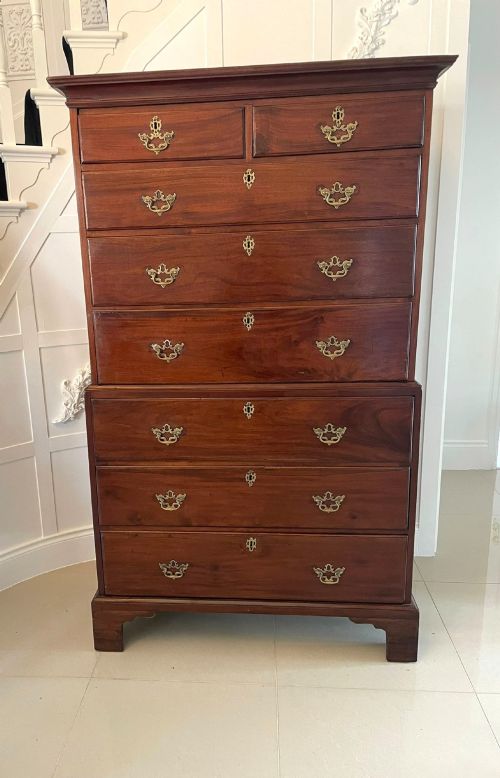
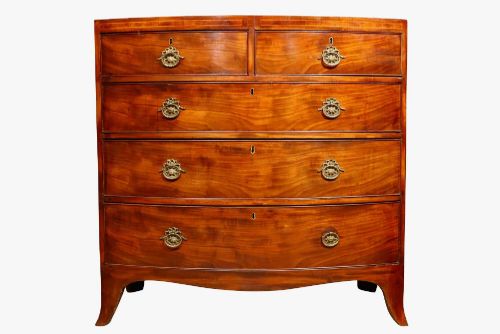
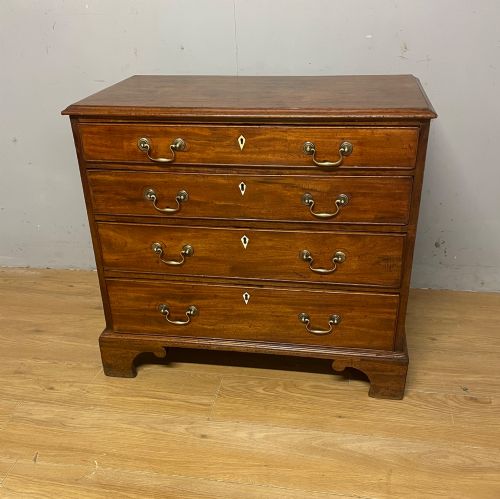
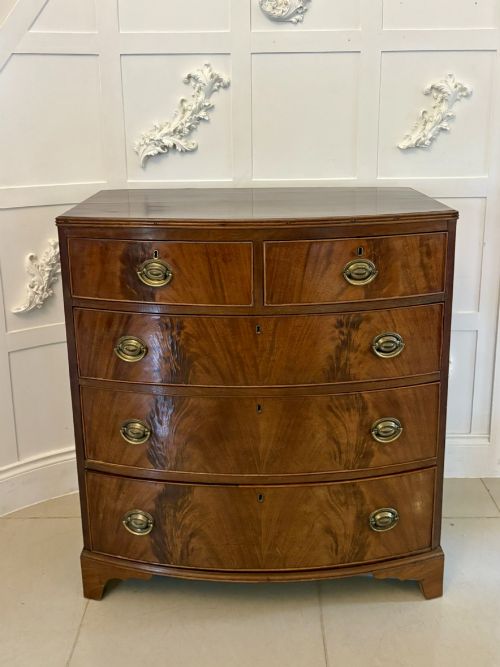
George I Mahogany Furniture
George i mahogany furniture brings together dense tropical timber and the cabinetmaker's skill to shape chests, tables, and seating from the Georgian eras.
George I Mahogany Furniture
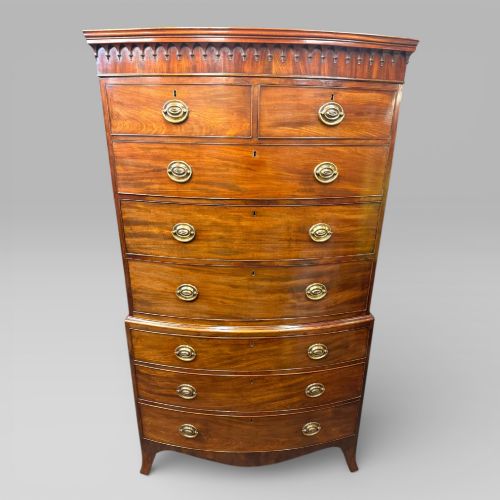
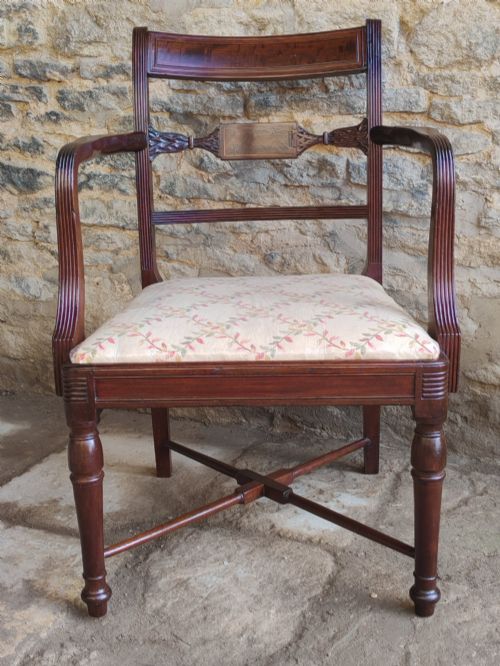
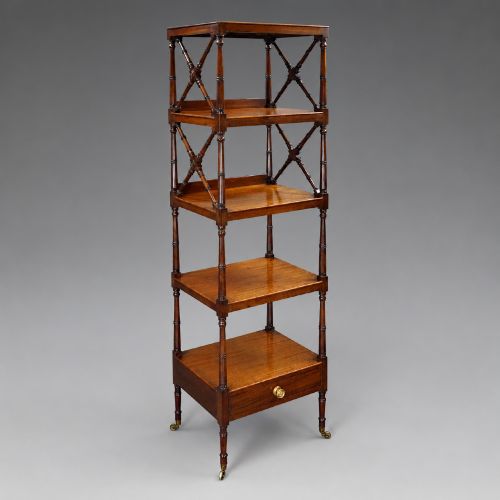
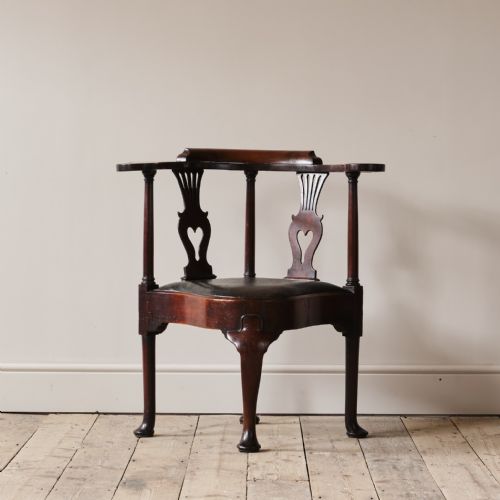
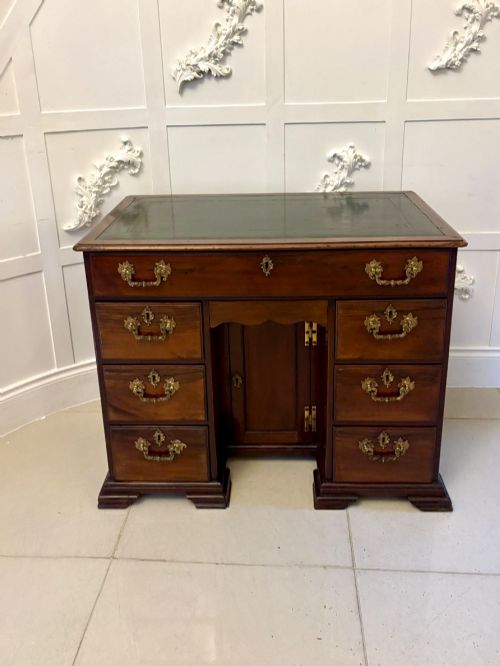
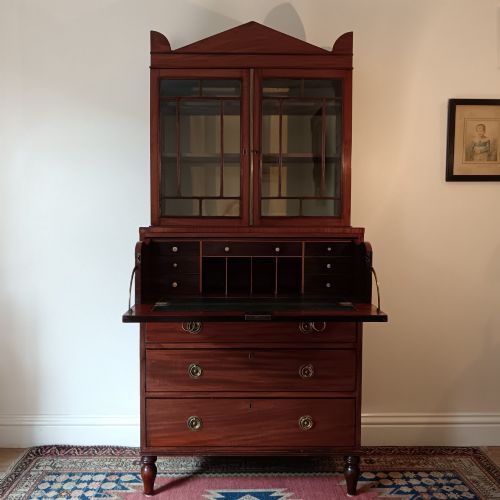
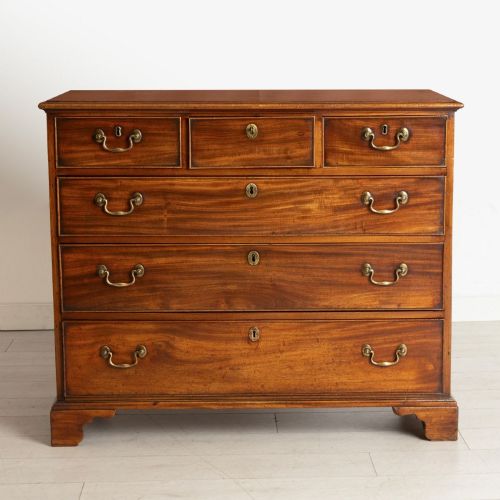
When searching for george i mahogany furniture, buyers encounter a selection dominated by pieces spanning the 18th century, the Georgian period, and later revivals. The listings include chests of drawers, washstands, armchairs, sideboards, and occasional tables.
The objects take many forms, from cellarets and lowboys to tea tables and secretaries. While the phrase names the earliest Georgian reign, the actual stock leans towards the subsequent George III and George IV periods alongside 19th-century interpretations.
How they were made
Makers utilised solid mahogany and wood veneer, often applying figured mahogany to drawer fronts and tabletops to create visual depth. Secondary timbers like oak and pine appear within internal drawer construction and carcases.
Hardware and decorative elements incorporate cast brass handles, key escutcheons, and occasional inlay in satinwood. Joinery relies on traditional methods adapted to the grain and density of mahogany.
Listings span the Georgian, Regency, and Edwardian periods, utilising materials such as mahogany, brass, oak, fabric, leather, wood veneer, satinwood, and pine.
What varies in quality
The grade of timber selected defines much of the distinction, particularly where highly figured flame mahogany or carefully matched grain patterns meet the eye. Finer examples display meticulous attention to proportion, subtle carving such as blind fret cornices, and superior surface patination.
Construction details also separate workshops, evident in the crispness of moulded edges, the dovetailing of drawers using secondary woods like oak, and the retention of original brass fittings.
George Oakley·Gillows·Holland & Sons
The George I Mahogany Furniture Glossary
- Mahogany
- A dense tropical hardwood imported into Britain from the 18th century onwards. Its stability and rich reddish-brown colour made it the primary material for fine cabinetmaking.
- Chest on chest
- A tall storage unit comprising one chest stacked directly upon a larger base chest. This form maximised vertical storage space in bedrooms.
- Cellaret
- A fitted cabinet or box designed to hold bottles of wine and spirits. Examples from this era often feature brass banding and interior dividers.
- Pembroke table
- A small drop-leaf table with hinged flaps on either side. It typically includes a single drawer and slender legs.
- Lowboy
- A small side table or dressing table with one or more rows of drawers beneath the top. They function as compact writing or personal care desks.
- Blind fret
- Carved ornamentation applied to a flat wooden surface to simulate pierced fretwork. It creates textured geometric patterns along cornices and friezes.
George I Mahogany Furniture: Frequently Asked Questions
How do I spot a genuine piece?
Examine the timber selection, construction methods, and secondary woods used in internal components. Older items display hand-cut dovetails and patination developed over centuries of use.
Compare the proportions and hardware against documented examples from the Georgian period to confirm period authenticity.
How do I care for mahogany?
Keep wooden surfaces away from direct sunlight and heat sources to prevent the timber and veneer from drying out. Dust regularly with a soft, dry cloth.
Apply occasional traditional beeswax polish to nourish the grain and maintain the natural lustre of the finish.
What rooms suit these tables?
Compact occasional tables, pembroke tables, and lowboys fit easily into sitting rooms, hallways, and studies. Their modest footprints allow them to function alongside modern seating.
Dining chairs and armchairs integrate naturally around antique or contemporary dining tables when matched for scale.
How do I date a chest?
Look at the drawer construction, carcass timber, and overall style of the feet and handles. Early pieces often utilise oak linings while later 19th-century examples show different secondary woods.
Observe the evolution from plain cockbeaded drawers to serpentine fronts and figured flame mahogany veneers characteristic of the Regency era.