

George I Tea Table
When you search for a george i tea table, you encounter folding and demilune timber surfaces built to hold porcelain during eighteenth-century social rituals.
George I Tea Table
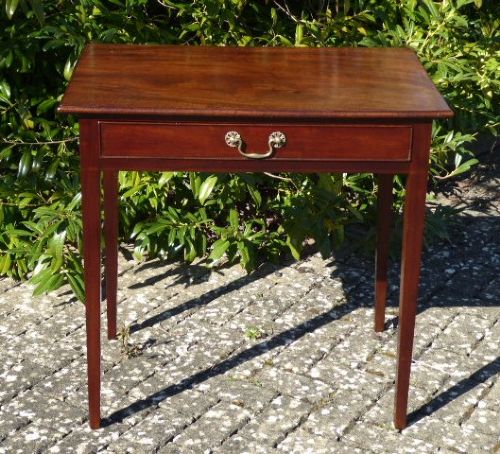
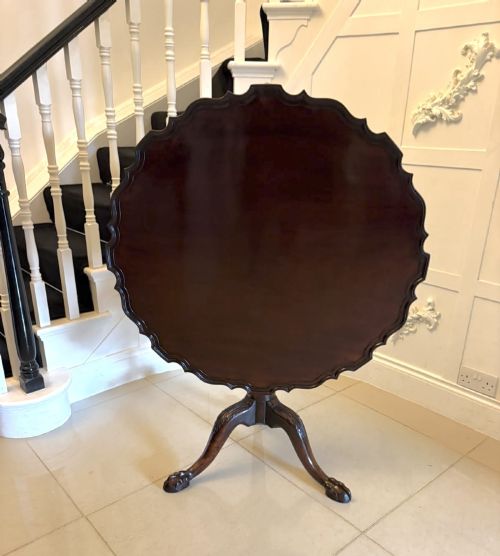
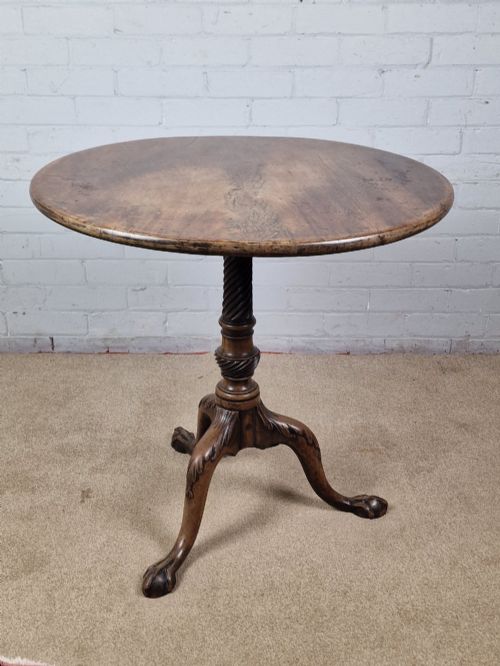
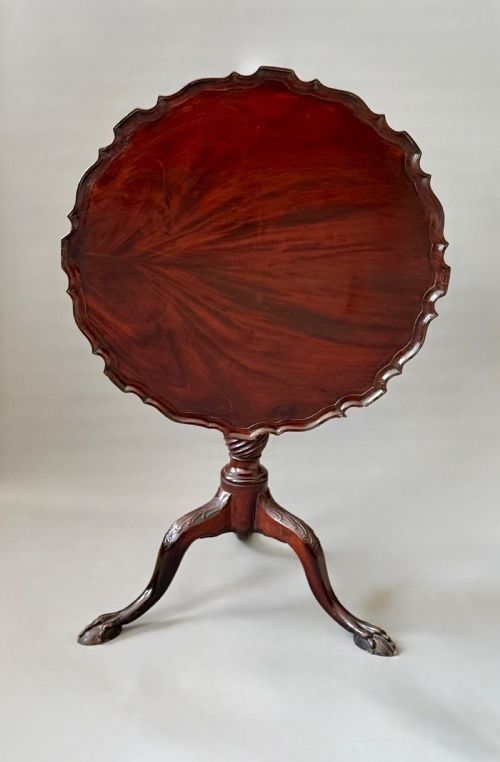
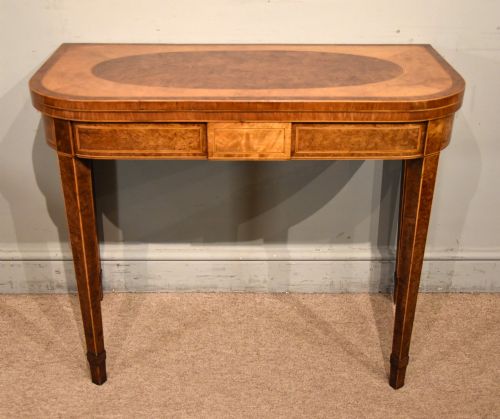
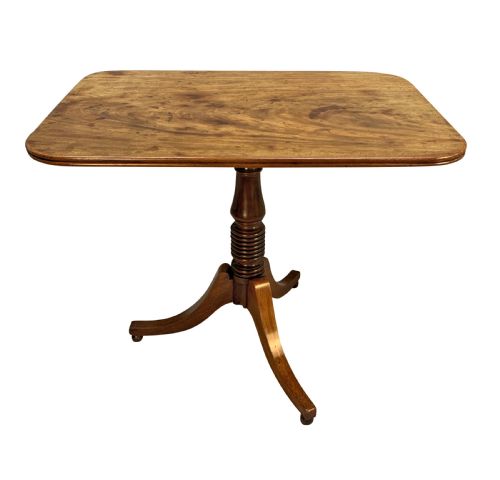
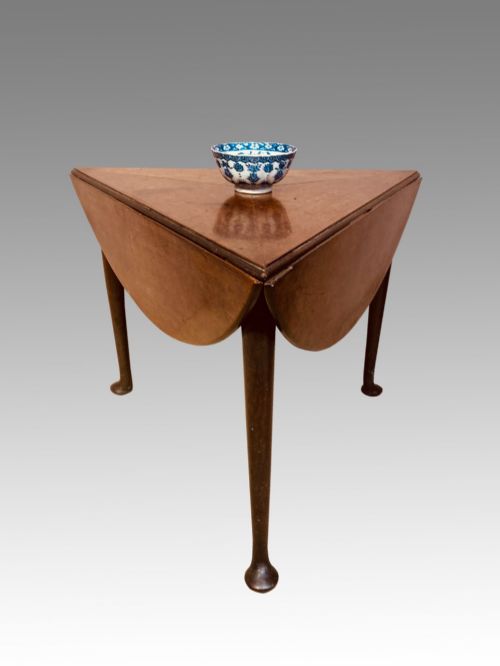
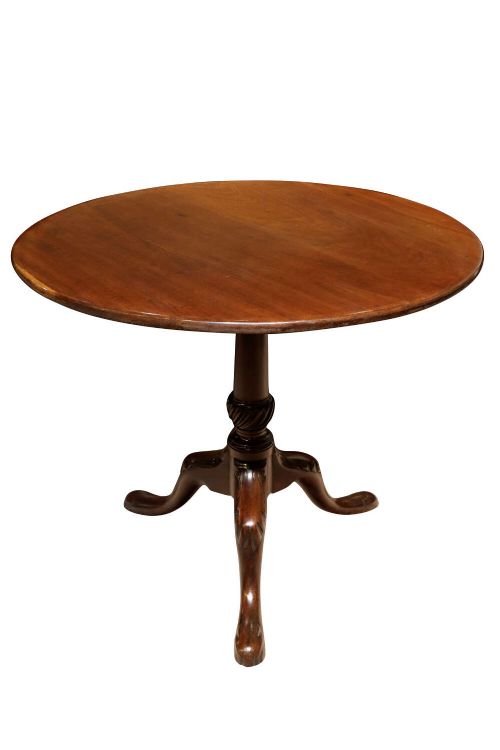
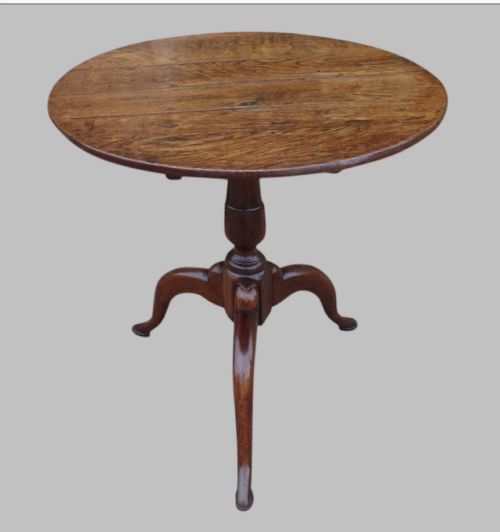
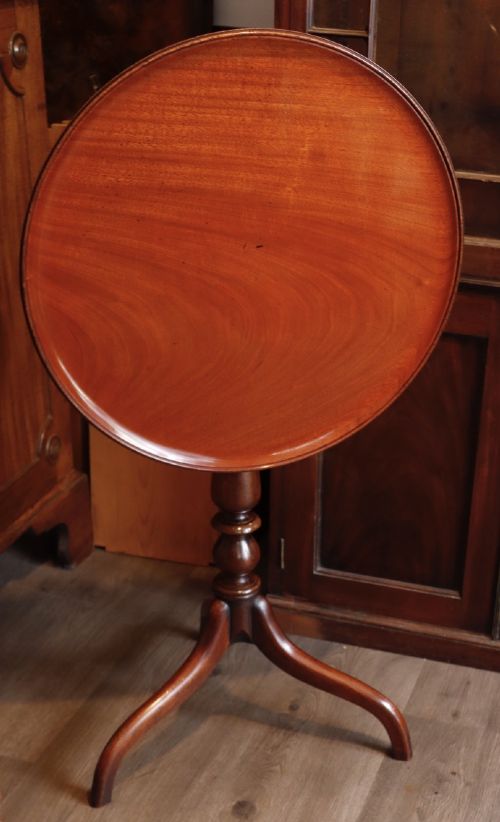
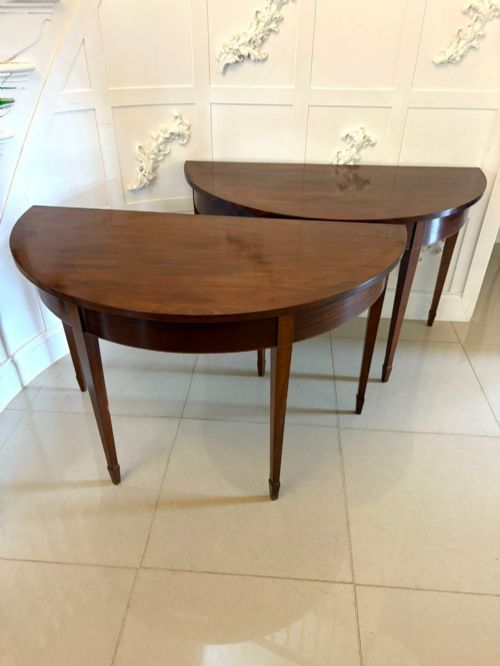
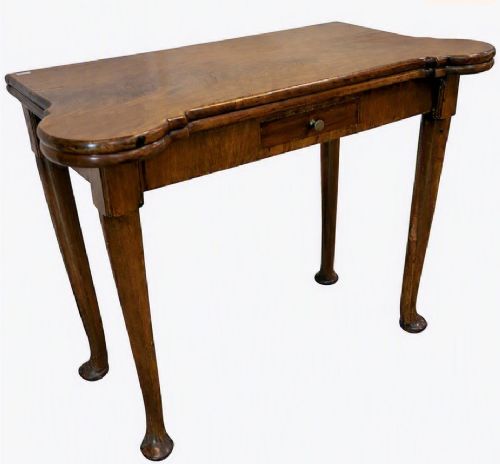
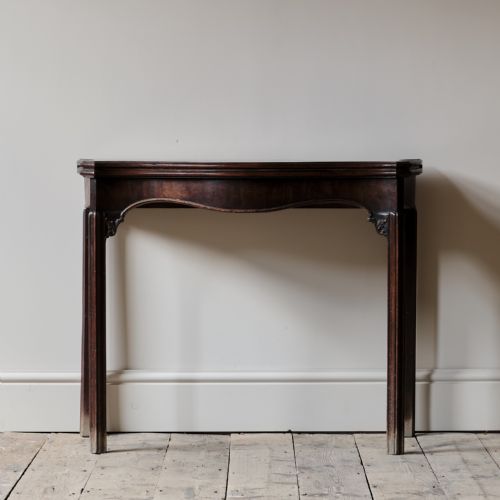
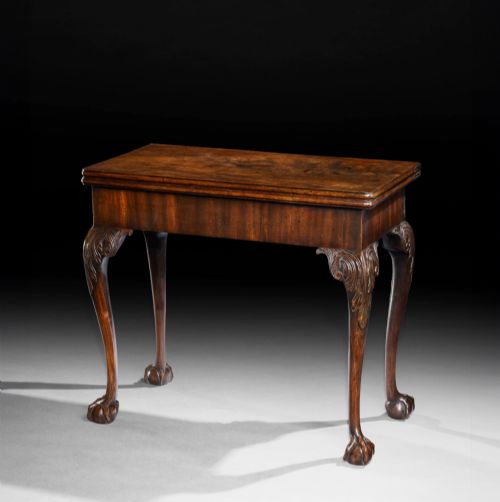
A george i tea table primarily manifests in walnut and mahogany forms designed with fold-over tops, D-shapes, or demilune configurations to accommodate the growing eighteenth-century consumption of tea. These pieces often date across the Georgian and George II eras, featuring concertina actions, swing-out drawers, or tripod bases that reflect domestic life of the period.
While bearing the early eighteenth-century designation, the selection frequently includes later interpretations from the George III period and nineteenth-century revivals. Buyers commonly meet mahogany and red walnut examples featuring pad feet, cabriole legs, or inlaid borders executed in satinwood and rosewood.
Materials and Construction
Cabinetmakers utilised solid timbers and veneers, predominantly mahogany, Cuban mahogany, and walnut, often applying wood inlay, boxwood stringing, and satinwood crossbanding to the surfaces. Structural joints relied on traditional framing, concertina actions for folding tops, and birdcage mechanisms on tripod tables.
Secondary woods such as oak appear in internal framing and drawer construction. Turned pillar columns, carved tripod legs, and brass hardware complete the fabrication of these folding and tilt-top boards.
Listings feature woods including mahogany, red walnut, satinwood, rosewood, and oak across Georgian and Victorian periods.
Evaluating the Craft
Quality rests upon the choice of timber figure, such as highly figured mahogany, burr yew, or flame mahogany, paired with crispness in the execution of carved details like pie crust edges and cabriole legs. The integrity of the folding mechanism, whether concertina action or swing-out drawers, dictates structural success.
Surface preservation, including original patination and balanced proportions in demilune and D-shaped formats, separates standard workshop output from exceptional examples.
George Bullock·Giles Grendey·Bruce and Burns
The George I Tea Table Glossary
- Demilune
- A half-moon shape utilised for table tops and frames that fit against a wall when closed. These fold out to form a full circle for serving tea.
- Concertina action
- An expanding frame mechanism that supports a fold-over table top evenly on all four sides when opened. It allows the rear legs to move outward synchronously with the hinge.
- Snap top
- A tabletop mounted on a central pillar with a catch mechanism that tilts the board flat for storage. It is typical of tripod tables from the eighteenth century.
- Crossbanding
- A strip of veneer applied perpendicularly to the grain of the main surface around the border. It provides a decorative frame using contrasting timbers such as satinwood or rosewood.
- Pad foot
- A simple rounded foot resting flat on the floor, commonly found at the base of cabriole legs on early furniture. It appears frequently on walnut and mahogany pieces.
George I Tea Table: Frequently Asked Questions
How were these tables used originally?
These tables served as stable surfaces for setting out porcelain teacups, kettles, and pots during fashionable domestic gatherings. When not in use for tea, the hinged leaves folded flat against the wall to save floor space in parlour rooms.
Certain formats also doubled as card tables or side boards depending on the room layout. The addition of swing drawers kept tea accessories stored close at hand.
How do I distinguish walnut from mahogany pieces?
Walnut surfaces generally display a warmer, lighter brown tone with distinct grain swirls and smaller pore patterns, typical of earlier eighteenth-century work. Mahogany exhibits a deeper reddish-brown hue with prominent interlocking grain figures.
Cabinetmakers shifted toward mahogany as the primary timber standard by the middle of the eighteenth century. Examining the secondary framing woods inside drawers often confirms the primary timber era.
What is a concertina action?
A concertina action is an expanding wooden frame linked to the rear legs of a fold-over table. When the top leaf opens, the entire rear frame extends outward to support the weight evenly.
This sophisticated engineering distinguishes higher quality eighteenth-century card and tea tables from simpler designs. It prevents the top from sagging under pressure.
How do I care for antique timber surfaces?
Keep wooden tables away from direct sunlight and steady heat sources to prevent the timber veneers from drying out or splitting. Maintain a stable indoor humidity level to protect the original joints and polishes.
Apply traditional wax sparingly and buff gently with a soft cloth to preserve the historic patination. Avoid modern silicone sprays or abrasive cleaning liquids entirely.