

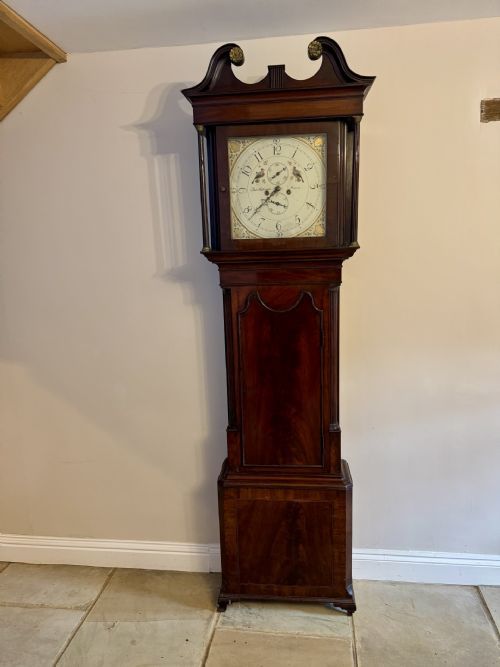
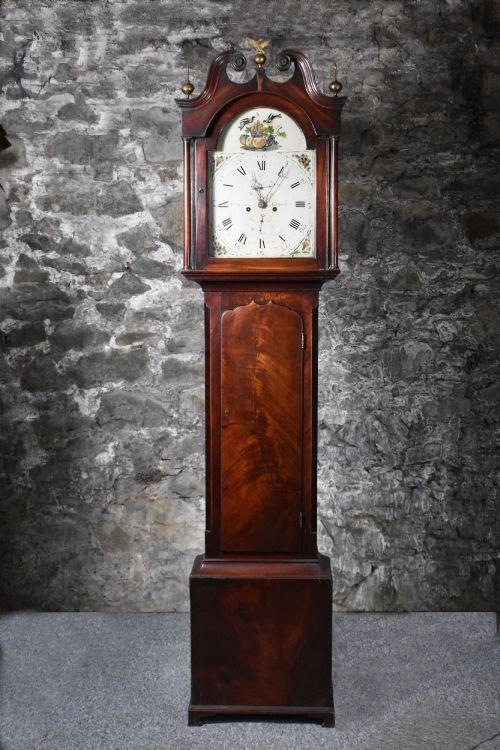


George I Longcase Clock
A george i longcase clock stands as a masterwork of 18th-century horology and cabinetmaking, combining precision mechanics with stately domestic architecture.
George I Longcase Clock
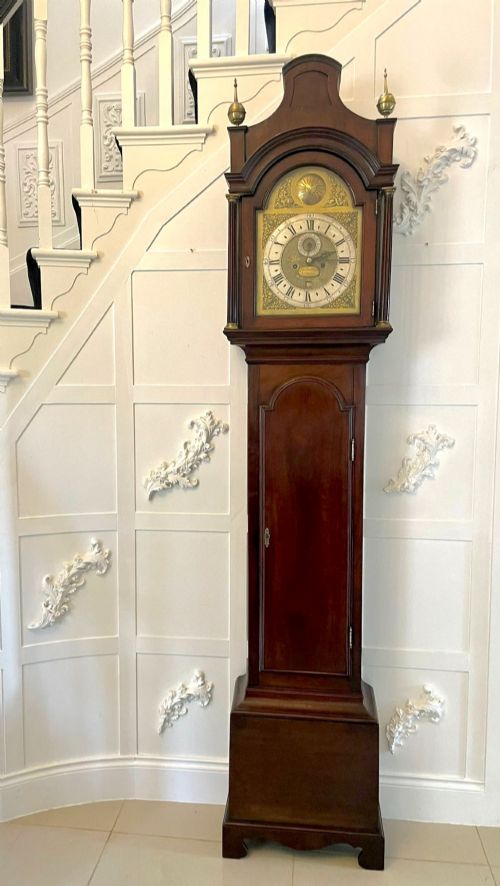
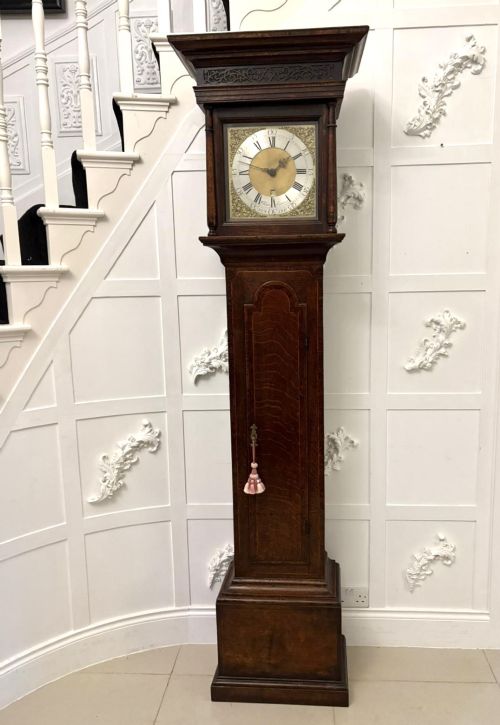
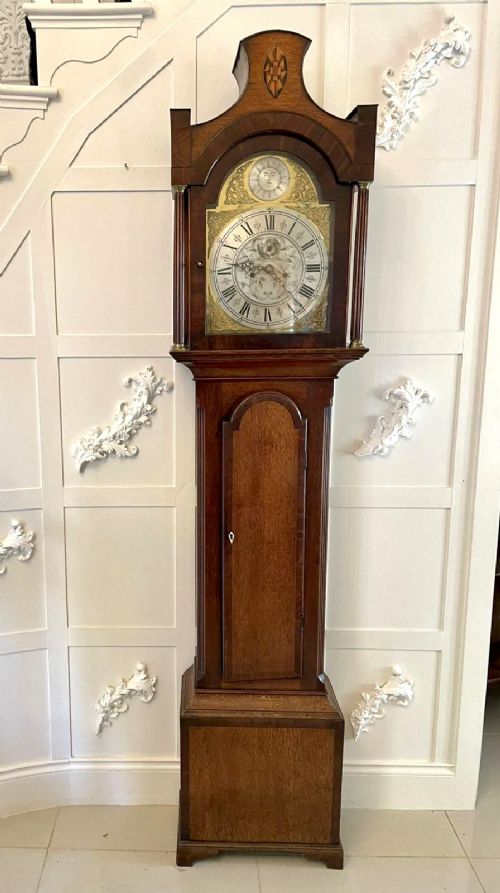
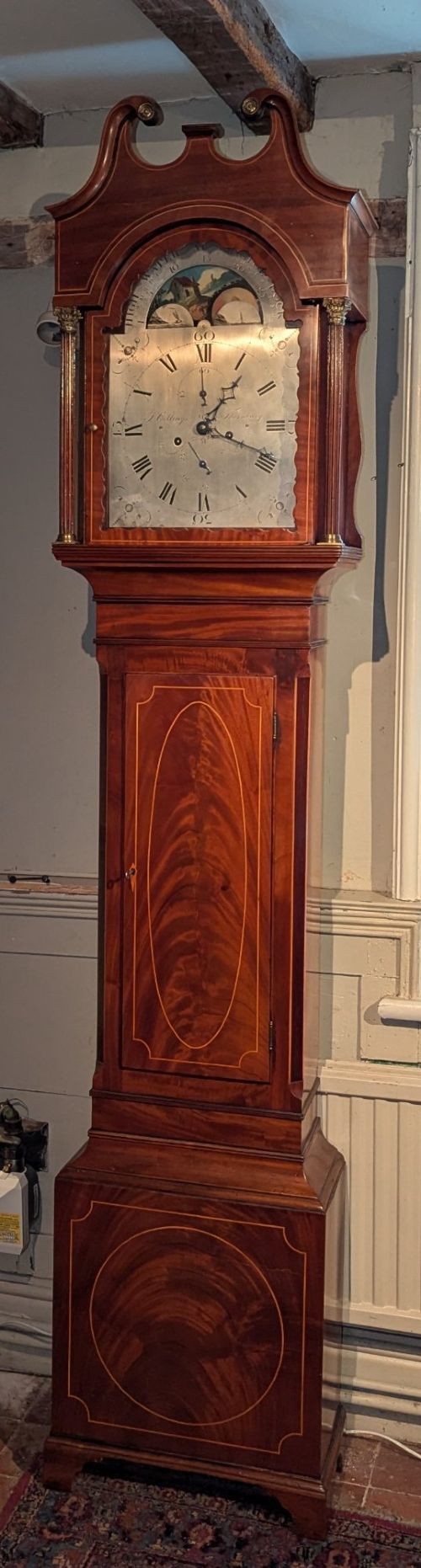
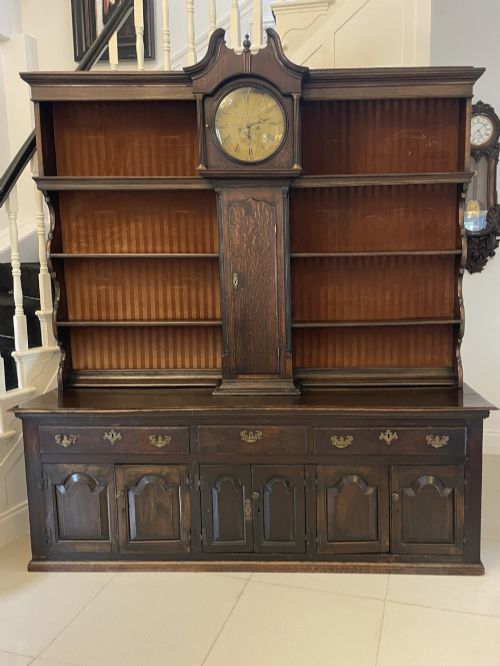
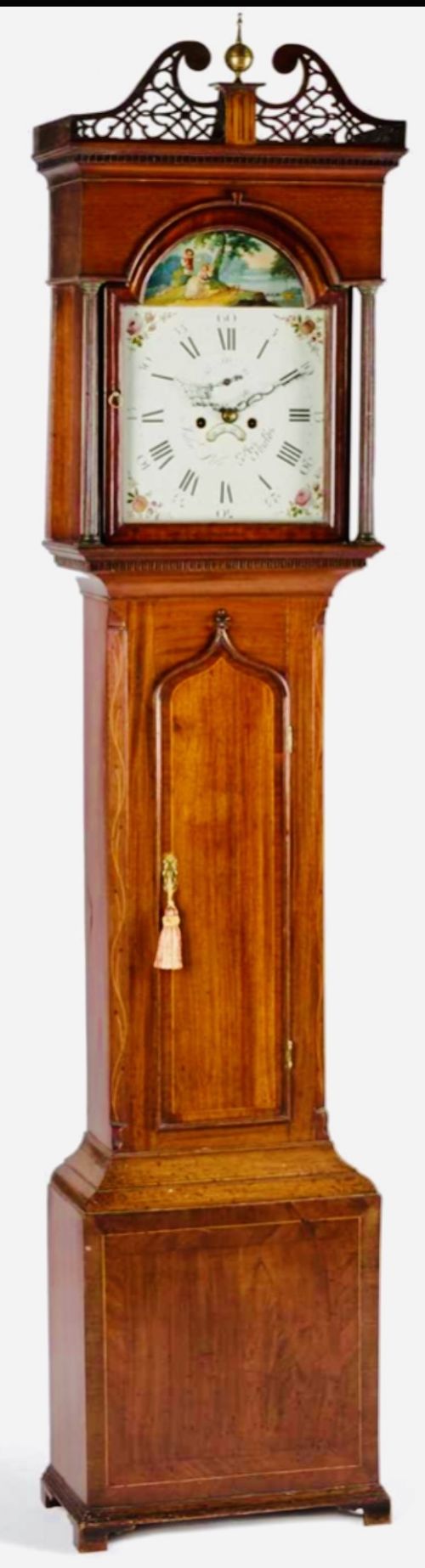
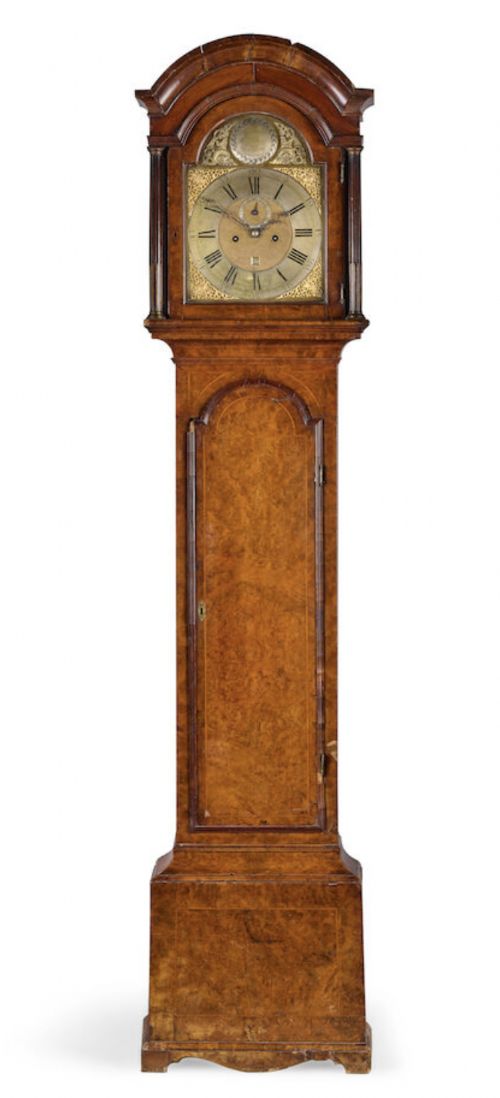
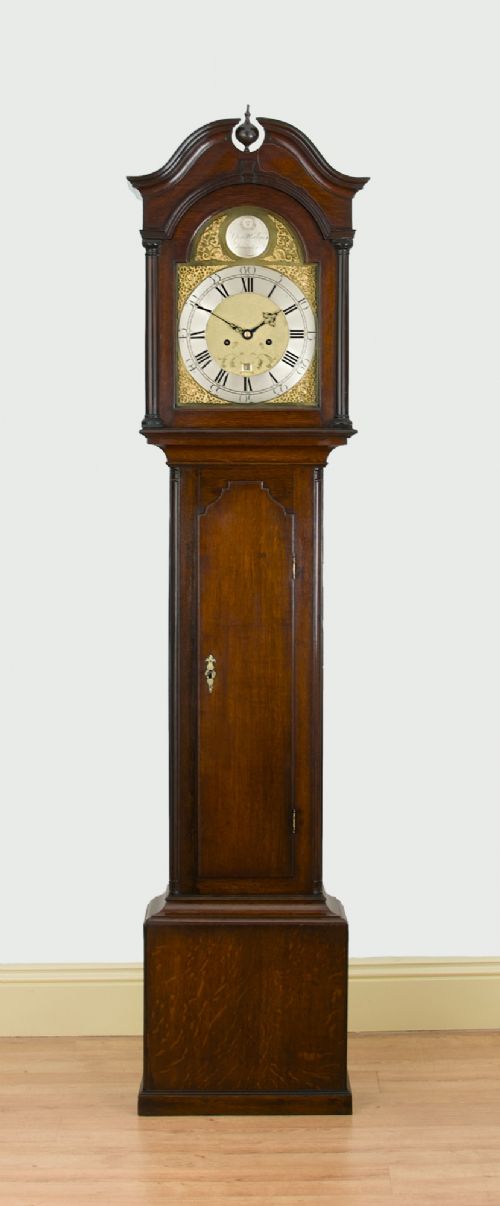
When searching for a george i longcase clock, collectors encounter tall floor-standing timepieces designed to house weight-driven movements within fitted wooden trunk cases. The examples seen here span walnut, oak, and mahogany, with many bearing the signature regional or London makers characteristic of the period.
The George I and early Georgian eras produced pieces with clean architectural lines, often featuring square or arched brass dials. Alongside purely provincial oak models, provincial workshops and London makers alike delivered eight-day and thirty-hour movements that record hours, minutes, and sometimes lunar phases.
How They Were Made
Cabinetmakers constructed these tall cases using native timbers such as oak and walnut, frequently applying burr walnut veneers or mahogany to the primary surfaces for visual depth. Brass and steel formed the intricate internal gear trains, while silvered or engraved brass dial plates framed the moving hands.
Movements were hand-cut and assembled by skilled horologists, utilising heavy brass plates, iron arbors, and lead or cast-iron weights suspended by cords or chains. Glass panels protected the dial faces, and delicate iron or steel indicators tracked the passage of time.
Dial designs recorded on these pieces include both square brass faces and later arched formats with moonphase complications.
What Varies in Quality
The distinction between standard provincial pieces and high-end London work rests largely on the sophistication of the cabinetwork and the complexity of the movement. Elaborate dial engraving, subsidiary seconds or calendar rings, and the inclusion of moonphase mechanisms separate the ambitious commissions from everyday timekeepers.
Timber selection and veneer matching dictate visual appeal, where deeply figured burr walnut or select mahogany elevates a case far beyond plain utility. Retaining the original dial signature and matching movement numbers further distinguishes a cohesive historical object from a later composite.
Charles Shuckburgh·Windmills and Wightman·George Hallifax·Henry Weedon·William McEwan·William Kipling·Charles Dowsett·John Denbigh·Thomas Vernon·Edward White·James Tregent·Dwerrihouse and Carter·James Bullock·John Pollard·Walker of Nantwich
The George I Longcase Clock Glossary
- Longcase clock
- A tall pendulum clock enclosed in a wooden case consisting of a hood, trunk, and base. These pieces are frequently referred to as grandfather clocks.
- Moon phase
- A dial mechanism displaying the lunar cycle through a rotating disk behind a shaped aperture. It tracks the phases of the moon over a lunar month.
- Arch dial
- A clock face featuring a rounded upper extension above the square dial plate. This space often houses subsidiary dials, maker plaques, or rolling moon mechanisms.
- Eight-day movement
- A clock mechanism requiring manual winding approximately once a week. This system utilises two separate weight drops or spring drives.
- Trunk
- The long vertical section of the clock case enclosing the hanging weights and swinging pendulum. It usually incorporates a locking door for internal access.
George I Longcase Clock: Frequently Asked Questions
How do I wind a longcase clock?
Winding involves inserting a key into the winding holes on the dial face and turning it gently to draw the weights upward. Care must be taken not to overwind the mechanism.
Most eight-day movements require this attention weekly, while thirty-hour versions need more frequent winding using a continuous cord or chain system.
Where should I place my clock?
These tall pieces require a stable, level floor against a solid interior wall to ensure the pendulum swings evenly. Avoid damp areas or direct sunlight that might damage timber veneers.
Securing the upper trunk to the wall prevents accidental tipping, which is particularly important in homes with children or pets.
How do I tell periods apart?
Early pieces from the George I and early Georgian eras often display walnut veneers, square brass dials, and simpler architectural hood mouldings. Later George III examples frequently incorporate mahogany, arched painted or brass dials, and more elaborate bracket feet or swan-neck pediments.
Examining the construction of the interior case timbers and the style of the dial engraving provides clear chronological markers.
What is a moon phase dial?
A moon phase is a specialised mechanical display located in the arch of the dial that tracks the lunar month. Two painted moons rotate on a disk to show whether the moon is new, waxing, full, or waning.
This complication added expense and prestige to a clock, appearing on better-quality provincial and London pieces.