
George I Console Table
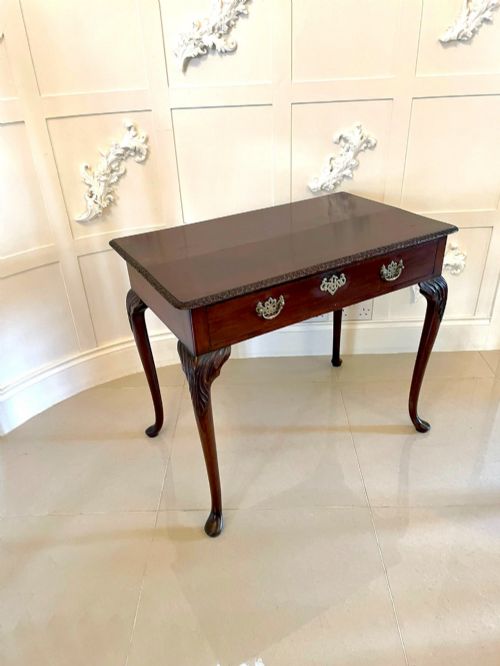
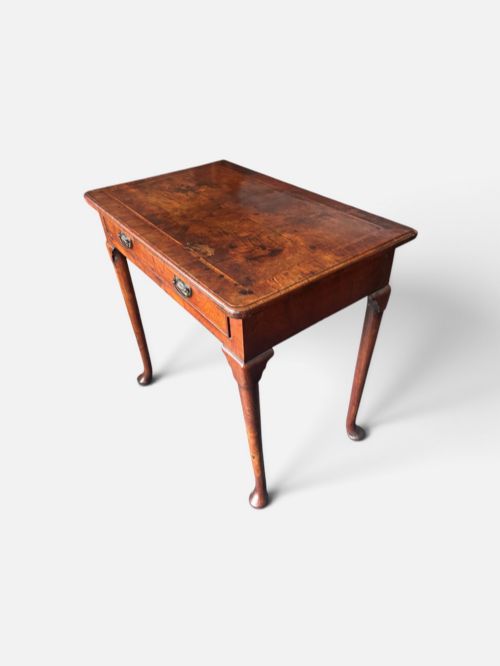
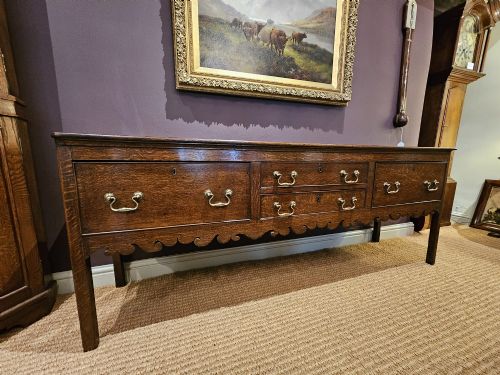
When you search for a george i console table, you find sturdy timber side furniture built to anchor a room.
George I Console Table
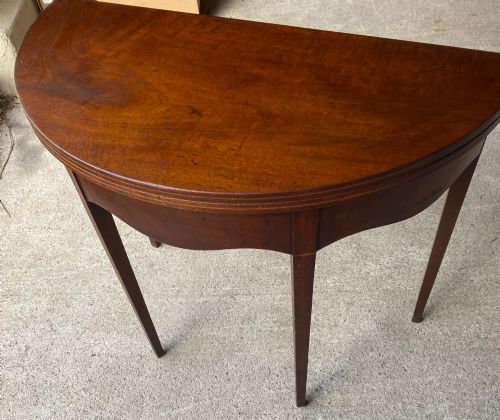
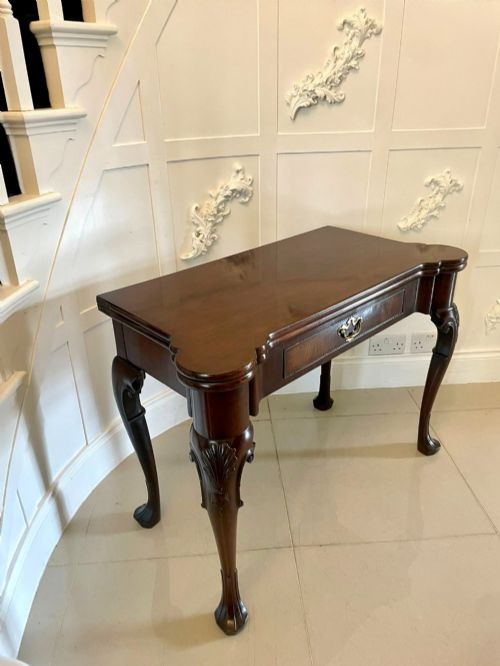
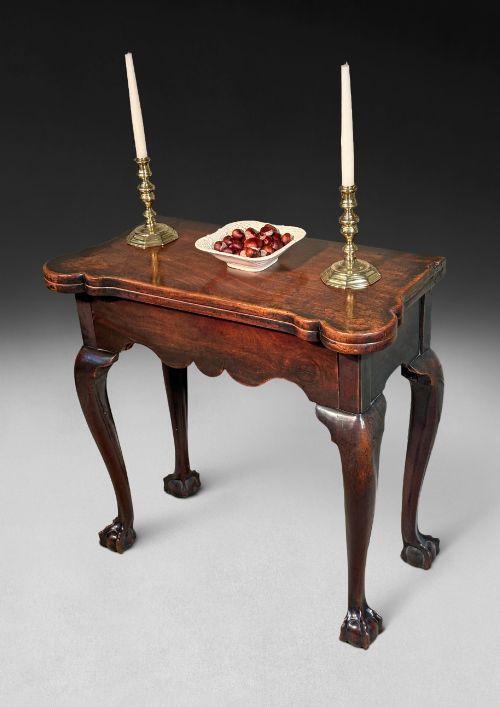
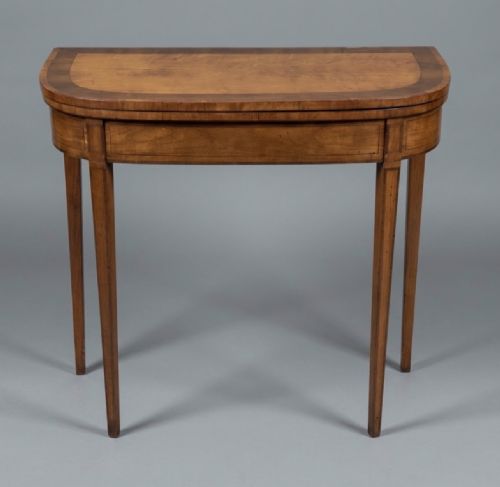
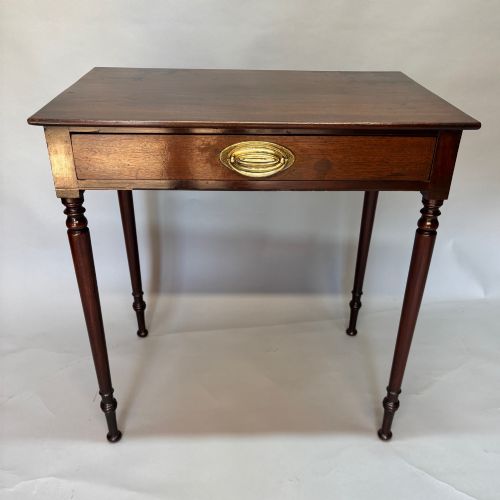
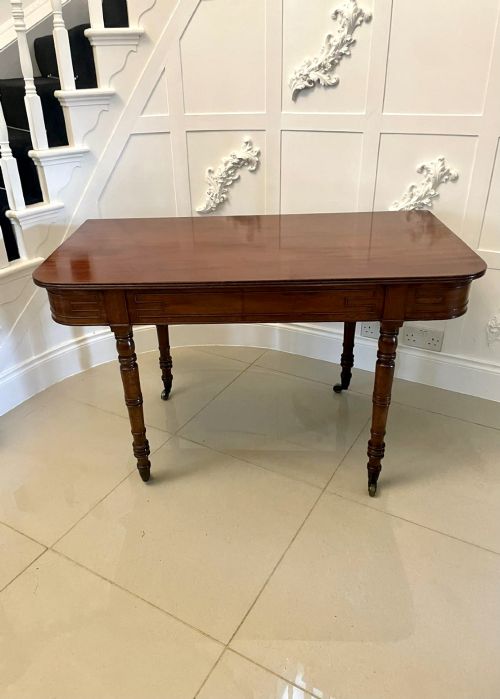
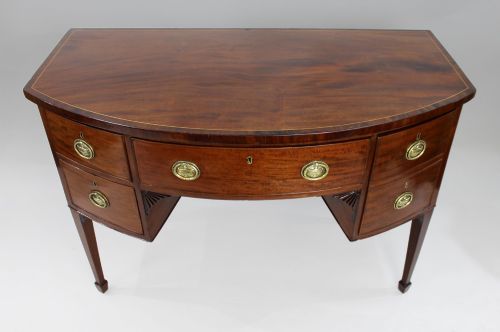
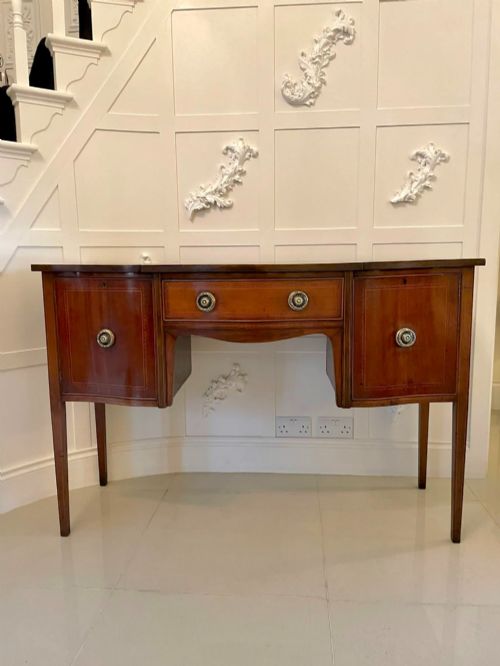
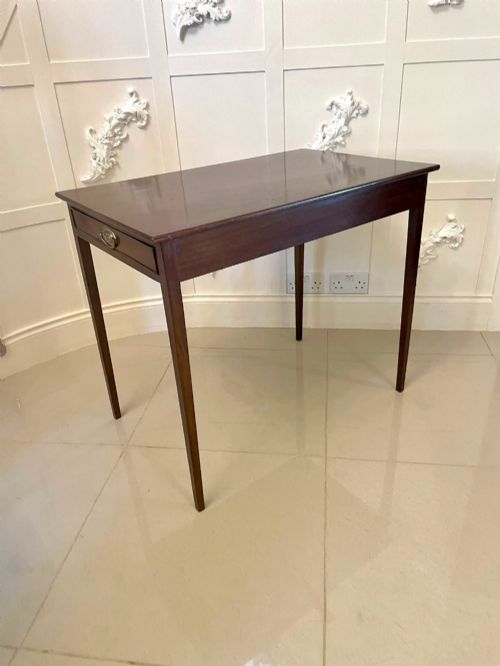
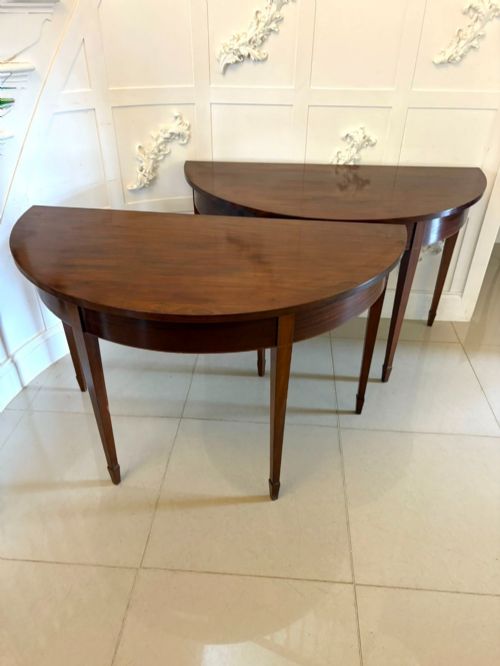
A george i console table search directs attention toward side furniture rooted in eighteenth-century proportions, though the pieces present here draw heavily from subsequent Georgian and Regency periods alongside later revivals. Buyers encounter semi-circular, D-shaped, and rectangular forms designed to sit flush against a wall in hallways and principal reception rooms.
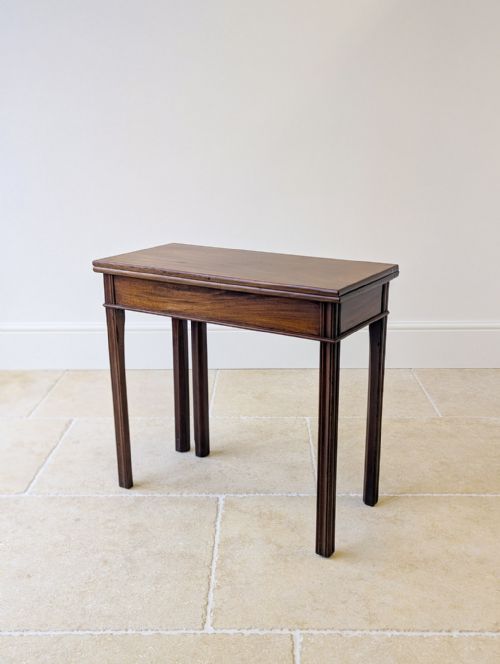
Makers produced variants that doubled as card, tea, or serving tables through clever folding tops and concertina actions. Walnut, oak, and figured mahogany dominate the surviving examples, often displaying the demi-lune shapes favoured in period interior layouts.
Materials and construction
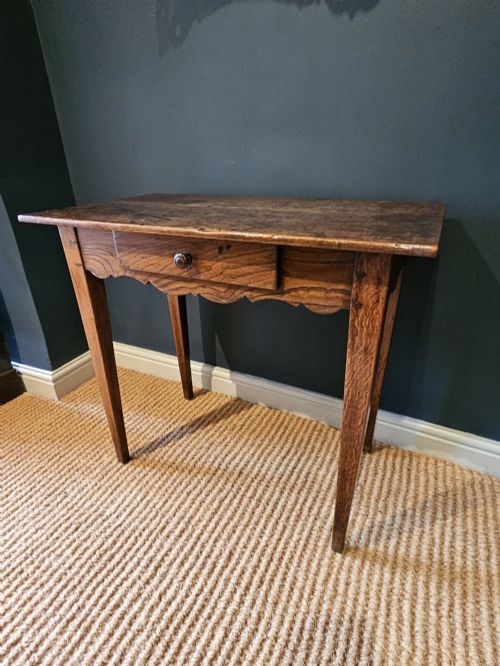
Cabinetmakers constructed carcass and frame structures using solid hardwoods like mahogany, oak, and walnut, frequently applying fine wood veneers and crossbanding to prominent surfaces. Marquetry inlay utilising satinwood, boxwood, and rosewood added decorative contrast to table tops and friezes.
Workshops employed specialised joinery techniques, including concertina actions for folding top surfaces and hand-carved neoclassical motifs on legs and aprons. Selected pieces incorporated brass stringing and inlay alongside stone or marble inserts fitted directly into timber frames.
Several tables feature hidden folding actions designed for secret card games.
Distinctions in standard
The degree of refinement in timber selection divides utilitarian workshop output from ambitious cabinet work. Tables featuring heavily figured mahogany, burr walnut, or intricate satinwood and marquetry display greater ambition in material handling.
Execution of carved details and the precision of inlaid borders distinguish individual pieces. Surviving examples with documented maker attributions or complex mechanical folding mechanisms reflect higher tiers of period craftsmanship.
George Bullock·Giles Grendey·Bruce & Burns of Edinburgh·James Mein of Kelso·Gillows
The George I Console Table Glossary
- Demi-lune
- A half-moon shape used for table tops and furniture silhouettes. This format allowed side tables to sit tightly against walls while occupying minimal floor space.
- Concertina action
- An expanding frame mechanism fitted to folding top tables. It permitted the rear legs to extend outwards symmetrically when the top leaf opened.
- Crossbanding
- A decorative border technique where veneer strips are applied across the grain of the primary timber. This method created a framed visual boundary around table tops.
- Marquetry
- The art of forming decorative patterns using fitted pieces of various coloured woods. Craftsmen applied these intricate assemblies to table friezes and top panels.
- Lowboy
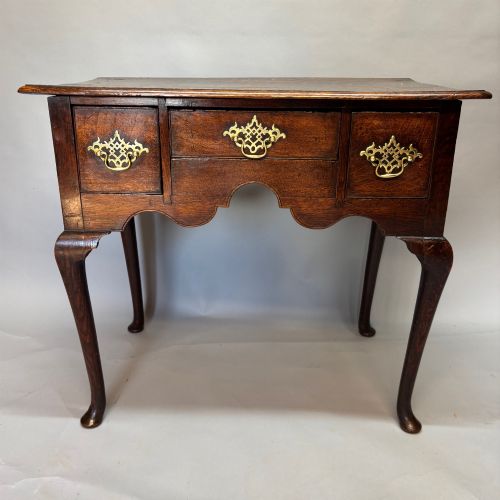
- A small side table featuring one or more drawers beneath the working surface. These pieces typically stood on slender cabriole or straight legs.
George I Console Table: Frequently Asked Questions
Where did people place console tables?
Households positioned these tables against interior walls in entrance halls, drawing rooms, and formal corridors. They provided a stable surface for decorative objects, lighting, and serving requirements.
Because of their shallow profiles, particularly the semi-circular designs, they occupied minimal floor space while maintaining a strong decorative presence in principal rooms.
How do folding top tables function?
Folding top versions utilised hinged leaves that doubled the surface area when opened out for activities. Many incorporated swing legs or concertina frames to support the weight of the unfolded top.
When closed, the pieces functioned as compact side or console tables against the wall, serving multiple domestic uses within a single item of furniture.
Which woods were used most often?
Mahogany served as the primary timber for fine furniture production throughout the Georgian eras. Walnut and oak appeared frequently in earlier periods and provincial workshop outputs.
Cabinetmakers also incorporated exotic veneers like satinwood and rosewood for surface decoration, complemented by boxwood and ebony stringing.