
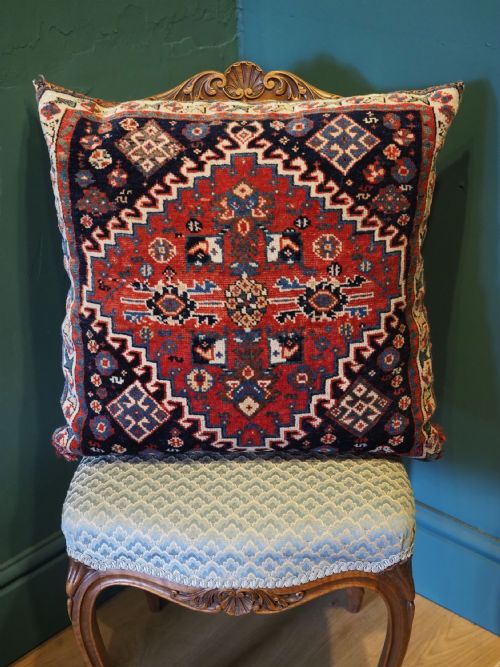
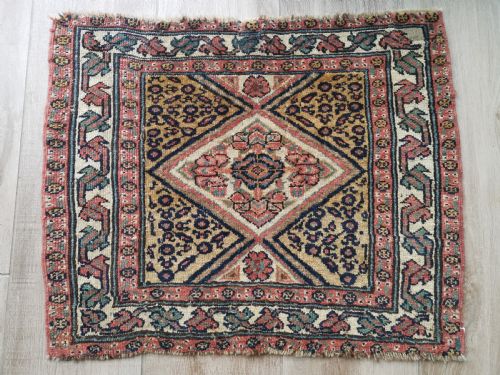
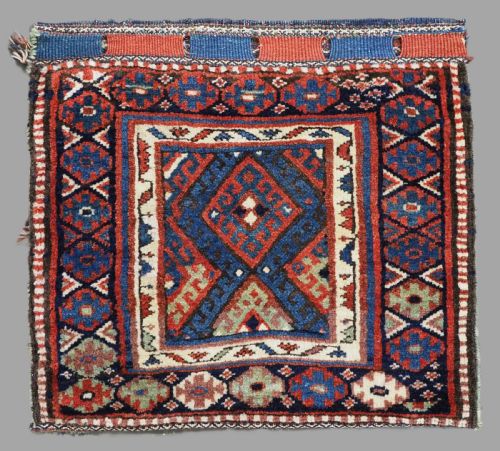
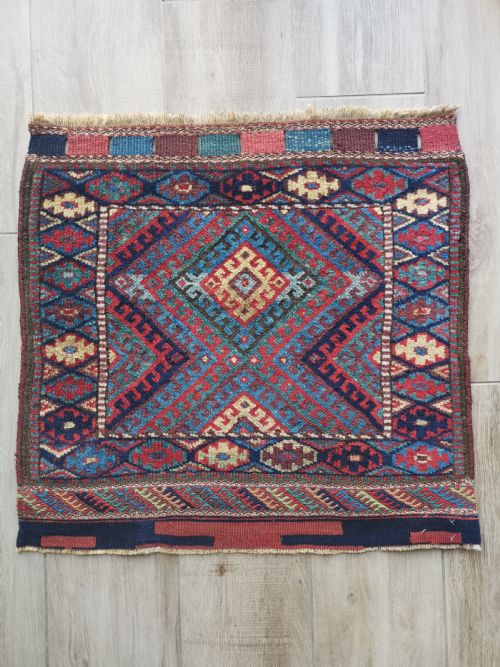
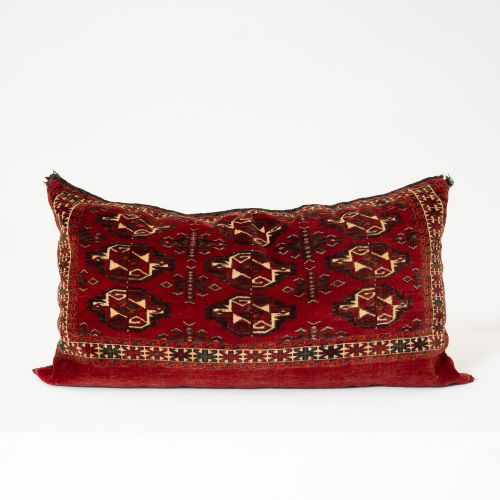

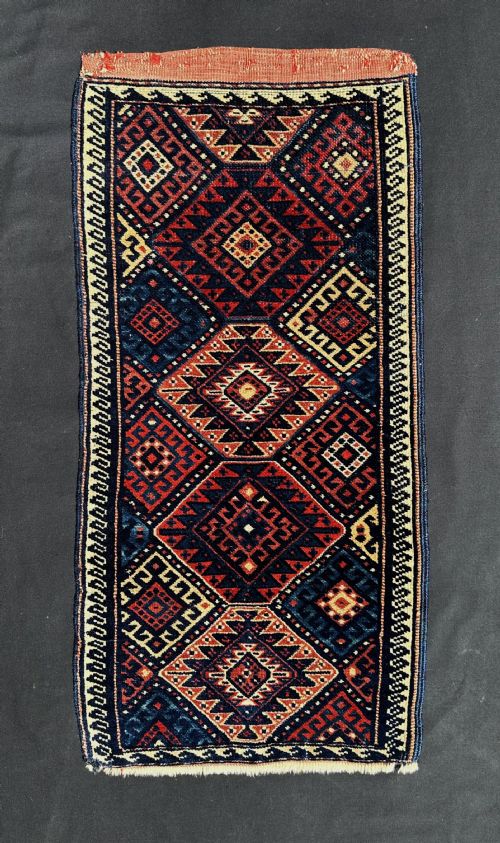


Geometric Woven Cushion
A geometric woven cushion brings nomadic textile history directly onto a sofa, offering heavy wool and tribal patterns made by hand.

Geometric Woven Cushion
A geometric woven cushion draws upon the heritage of tribal textiles, saddlebags, and rug fragments repurposed into soft furnishings. Buyers encounter pieces originating from Persian, Anatolian, Kurdish, Turkmen, and Nomadic tribal traditions spanning the nineteenth and early twentieth centuries.
Forms range from square cushion shapes to rectangular yastic pillows and half-saddlebags. Each textile retains the distinct geometric vocabulary of its weaving tribe, translated from functional transport items into domestic decor.
Materials and Techniques
Makers utilised hand-spun wool combined with cotton foundations, dyed using natural colorants to create rich, saturated palettes. The resulting textiles rely on tight warp and weft interlockings to achieve durable structures capable of surviving daily use.
Weaving techniques include flat-woven kilim structures, banded weft work designs, and textured soumac wrapping. Artisans constructed these textiles on portable ground looms before cutting or adapting the panels into bag faces and cushions.
Many of these cushions still retain the sturdy utilitarian backs of original grain sacks, proving that nomadic storage gear makes surprisingly comfortable furniture.
Assessing Quality and Execution
Quality rests in the fineness of the knotting or weaving density and the clarity of the geometric motifs. Superior examples display precise symmetry, crisp pattern execution, and complex colour palettes derived from high-grade natural dyes.
The integrity of the original textile dictates the standard of the piece, particularly whether an antique bagface retains its original plain weave back or incorporates period elements. Well-preserved wool texture and tight structural tension separate standard cushions from exceptional tribal artefacts.
The Geometric Woven Cushion Glossary
- Bagface
- The decorative front panel of a nomadic storage bag or saddlebag. This portion usually displays the primary geometric patterns and finest weaving.
- Kilim
- A flat-woven textile produced without a pile. It is created by tightly interweaving warp and weft strands to form a smooth surface.
- Soumac
- A supplementary weft-wrapping technique that produces a textured, braided surface on the textile face. This method adds structural strength and visual relief to geometric designs.
- Yastic
- A traditional small Turkish pillow or cushion cover. These rectangular pieces were originally used for seating or leaning against on low divans.
- Chuval
- A large tent storage bag made by Turkmen tribes. Fragments of these functional pieces are frequently repurposed into cushions.
Geometric Woven Cushion: Frequently Asked Questions
What is a geometric woven cushion?
A geometric woven cushion is typically created from antique tribal textiles, such as repurposed saddlebags, storage bags, or rug fragments.
These pieces originate from nomadic and village weavers across Persia, Anatolia, and Central Asia, utilising traditional hand-spun wool and natural dyes.
How do I care for an antique cushion?
Care for these wool textiles requires gentle treatment, avoiding harsh chemical cleaners and direct prolonged sunlight to protect the natural dyes.
Vacuuming with a low suction attachment helps remove dust without damaging the delicate hand-spun wool fibres and flat-woven structure.
How can I tell the tribal origin?
Tribal origins are identified through specific geometric motifs, colour combinations, and weaving structures characteristic of groups like the Qashqai, Baluch, or Shahsevan.
Each region employed distinct colour palettes and patterning techniques that distinguish Kurdish work from Turkmen or Anatolian pieces.