






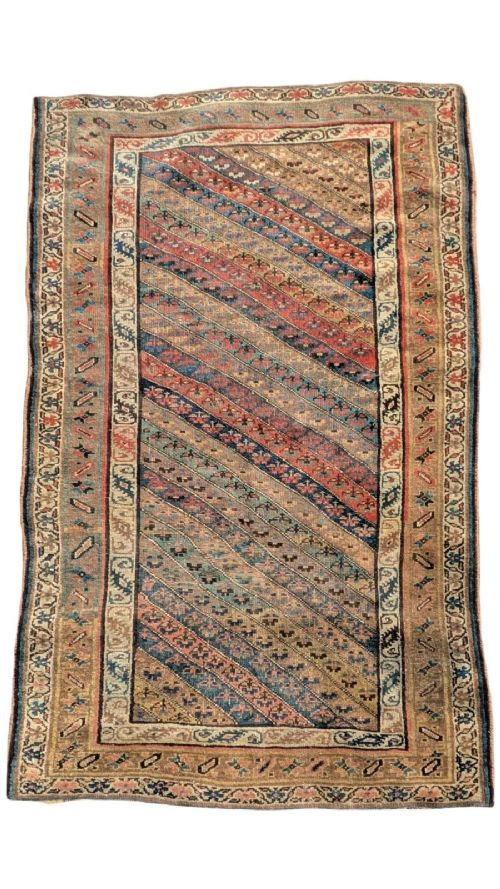
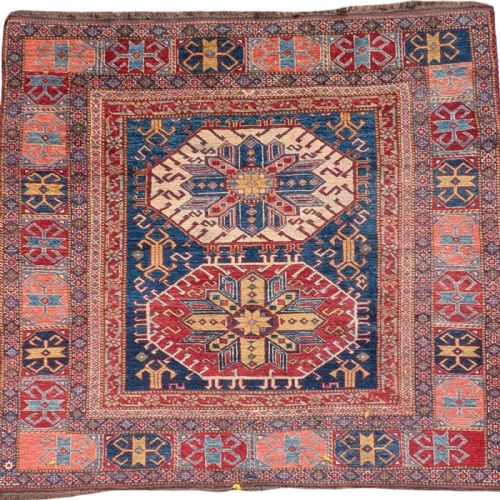
Geometric Woven Carpet
A geometric woven carpet brings bold tribal patterns and rich history into a room through centuries-old village craftsmanship.
Geometric Woven Carpet
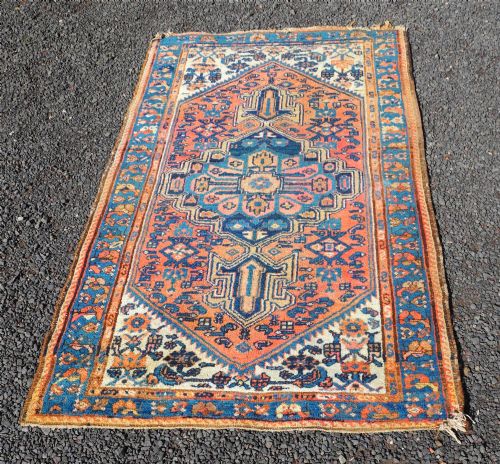
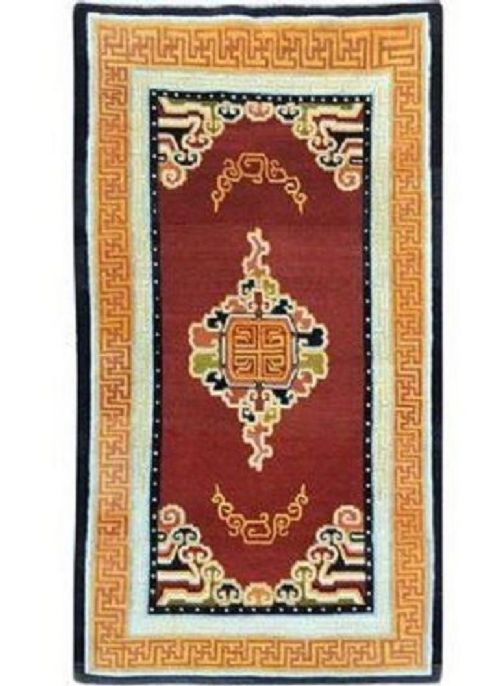
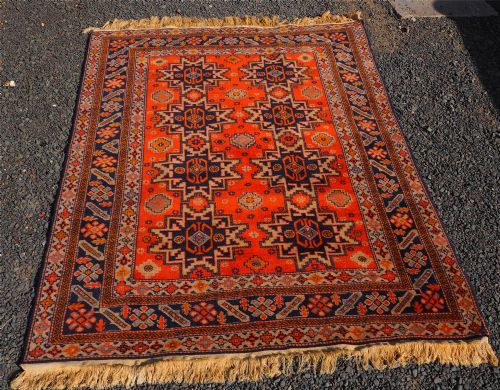
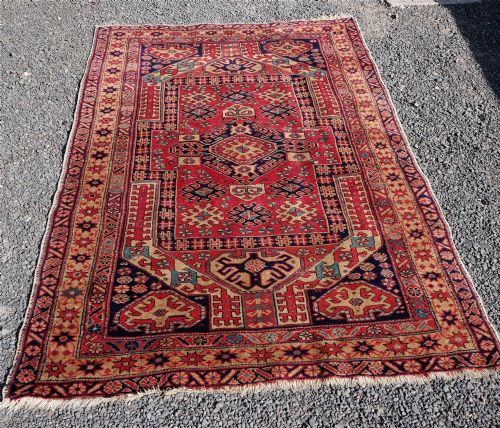
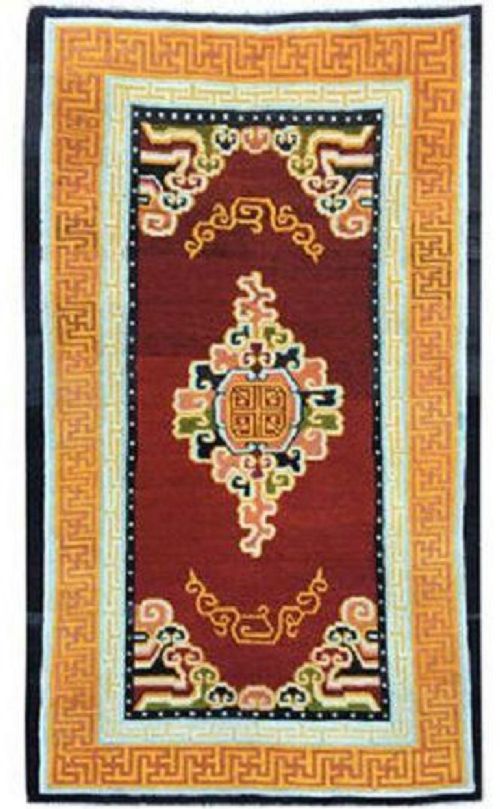
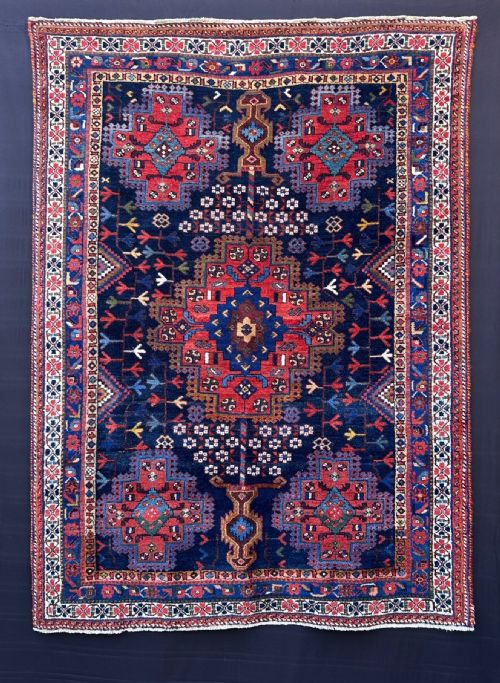
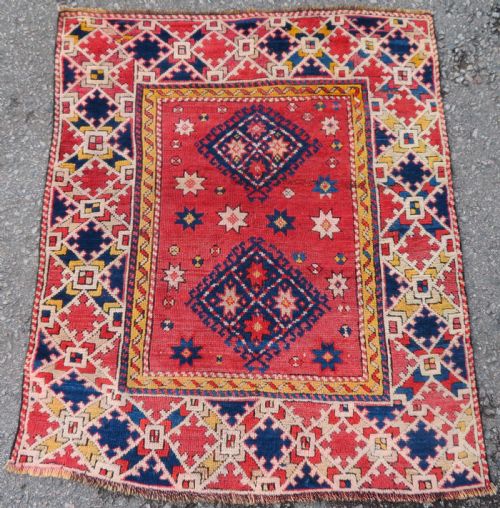
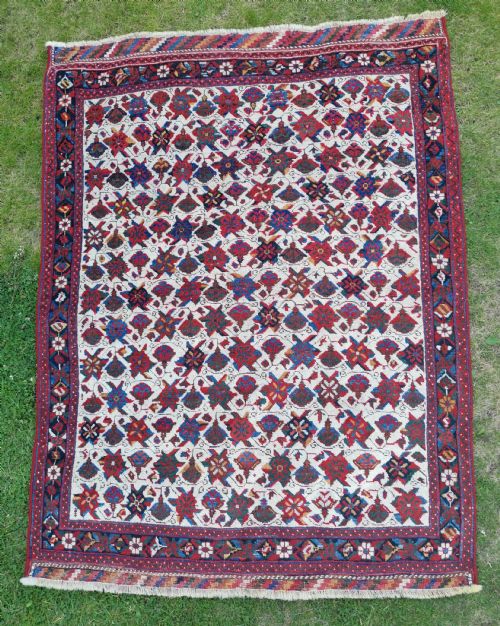
When you search for a geometric woven carpet, you are looking at heavy floor coverings and smaller textiles originating from tribal and village workshops across the Caucasus, Persia, Anatolia, and Central Asia. These pieces range from large carpets and room-sized rugs down to runners, prayer rugs, saddle bags, and cushion covers. The designs rely on rectilinear medallions, repeating motifs, and stark angular patterns rather than flowing florals.
You are most likely to meet pieces dating from the nineteenth century up through the nineteen-thirties, reflecting traditional weaving practices that survived across generations. Common tribal origins include Kurdish, Khamseh, Heriz, Kazak, Afshar, Ersari, and Turkmen groups, each bringing distinct regional palettes and knotting structures. These textiles served practical household and nomadic functions before entering the decorative market.
Materials and construction
These carpets are constructed primarily from wool and cotton, often utilising hand-spun wool for the pile to achieve a dense, durable surface. Natural dyes provide the underlying palette, creating depth and subtle tonal shifts across the surface as the wool ages. Flatweave kilim techniques and traditional hand-knotting methods form the structural foundation of these floor coverings.
Nomadic weavers occasionally included tiny stray animal motifs tucked away inside massive geometric medallions.
What separates the finest examples
Quality rests in the precision of the knotting, the crispness of the angular design execution, and the vibrancy of the natural dyes. Superior examples maintain structural integrity despite heavy pile wear or timeworn repairs, whereas lesser pieces show compromised foundations or dull colour saturation.
The Geometric Woven Carpet Glossary
- Medallion
- A central ornamental motif dominating the field of the carpet. It usually takes a symmetrical geometric shape.
- Pile
- The upright yarn loops forming the soft surface of a carpet. It is sheared evenly after knotting.
- Flatweave
- A textile made without a pile by interweaving warp and weft threads. This creates a thin, tapestry-like fabric.
- Knot
- An individual loop of yarn tied around warp threads to form the pile. Density often indicates regional origin and craftsmanship.
Geometric Woven Carpet: Frequently Asked Questions
How do I clean a wool carpet?
Regular gentle vacuuming without a rotating brush prevents dust accumulation within the wool pile. Professional cleaning remains necessary for deep maintenance to protect natural dyes.
Harsh chemical treatments and excessive water exposure should be avoided to prevent fibre degradation and colour running.
Can I place these rugs in hallways?
Runner formats and durable wool constructions suit high-traffic corridors and entranceways. Underlays help prevent slipping on smooth flooring.
Heavy foot traffic over decades naturally softens the pile, though fragile antique flatweaves require more protected placement.
How do I identify regional tribal designs?
Caucasian pieces frequently display bold primary colours and sharp geometric polygons. Persian and Anatolian village rugs often incorporate distinct repeating medallions and smaller animal or plant motifs.
Palettes, border arrangements, and wool texture offer further clues to specific tribal weaving centres.
Are older carpets durable for daily use?
Nineteenth-century and early twentieth-century wool rugs were built for practical nomadic or village utility. Their sturdy construction handles normal household life.
Significantly distressed examples or fragile flatweaves function better as wall hangings or in low-traffic spaces.