

Geometric Pattern Carpet
A geometric pattern carpet brings disciplined tribal symmetry and rich natural dyes into a room, offering structured panels of medallions and lattices.
Geometric Pattern Carpet
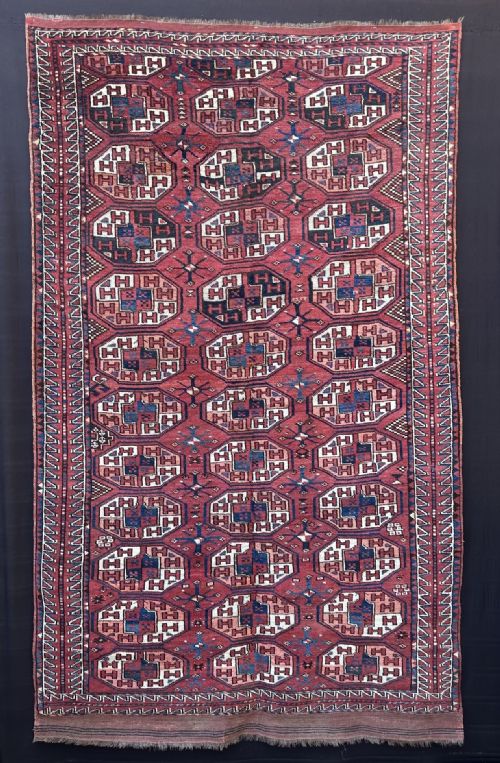
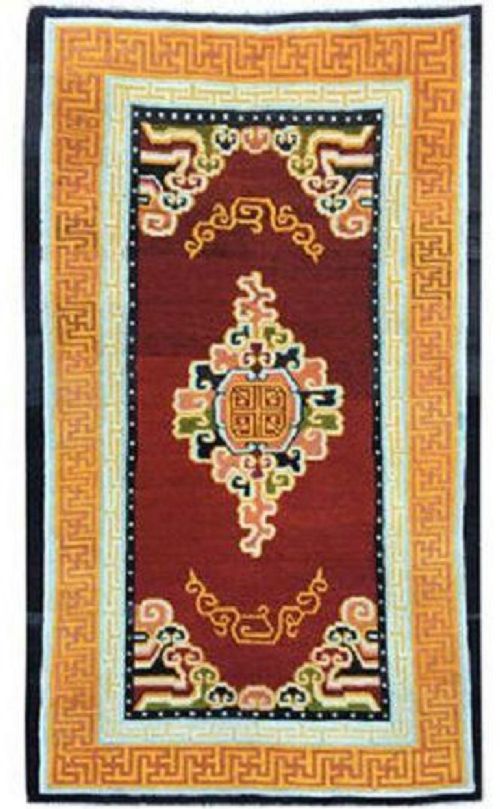
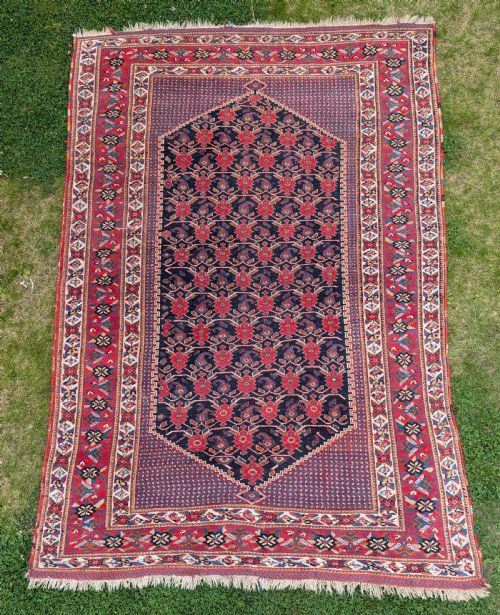
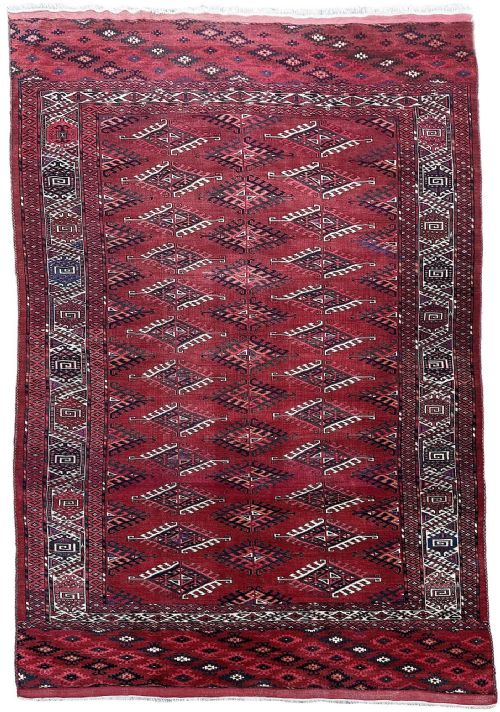
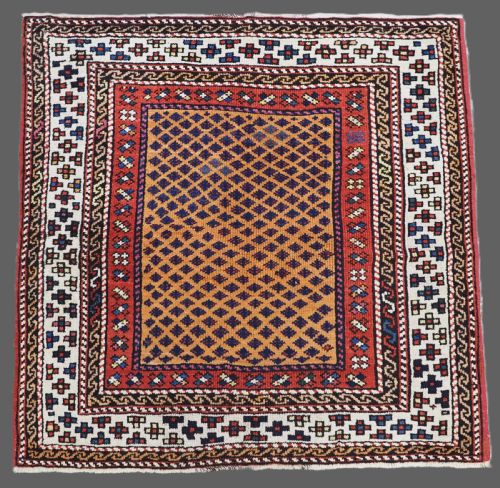
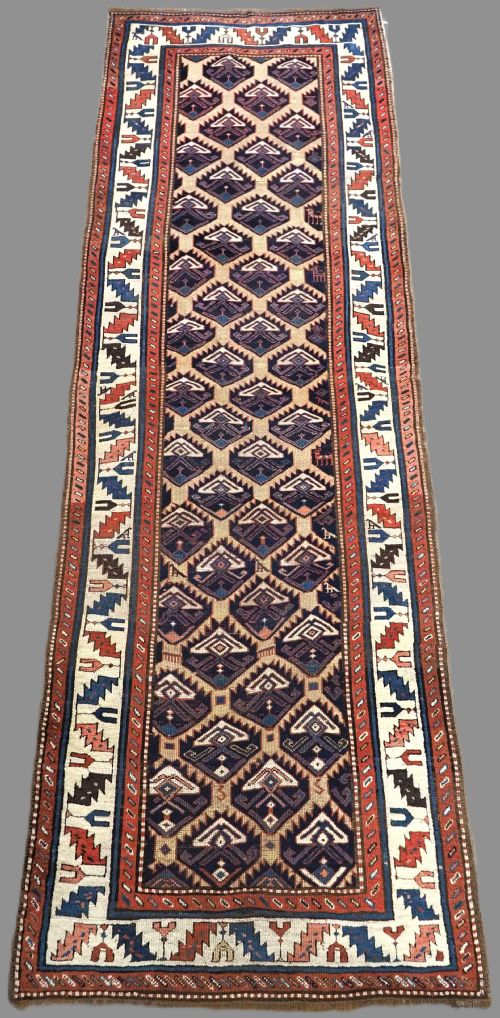
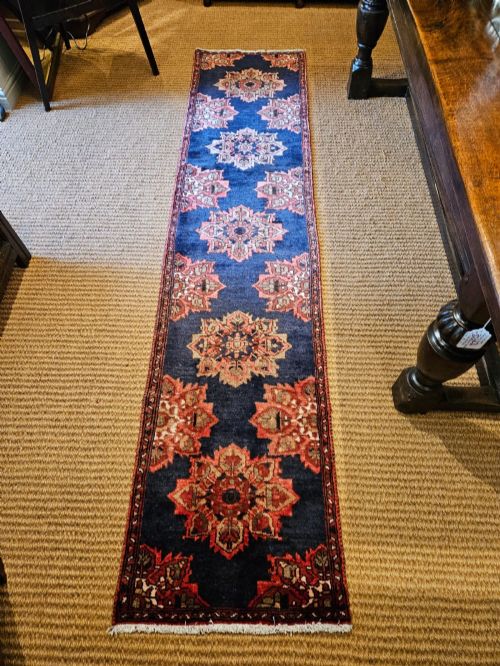
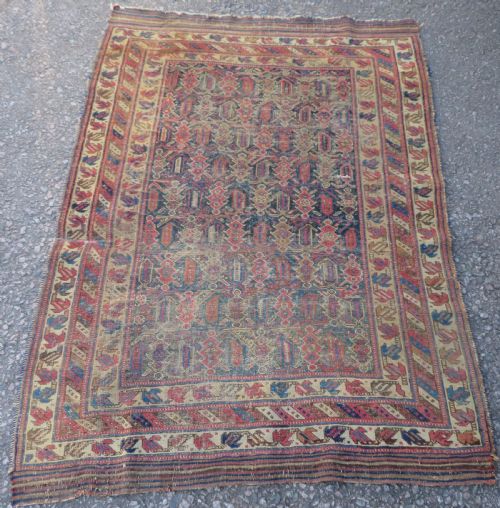
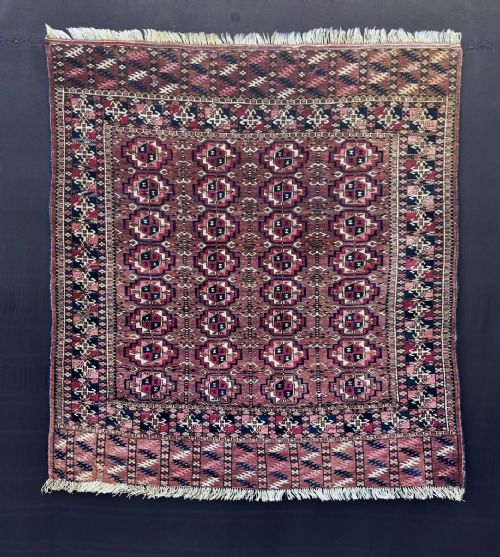
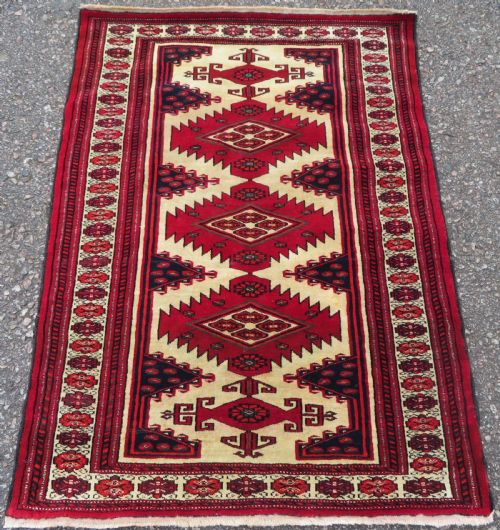
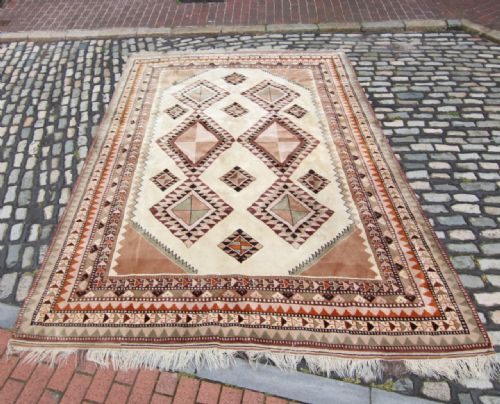
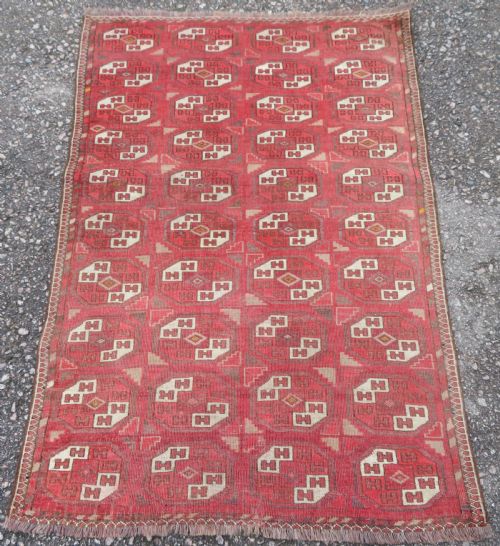
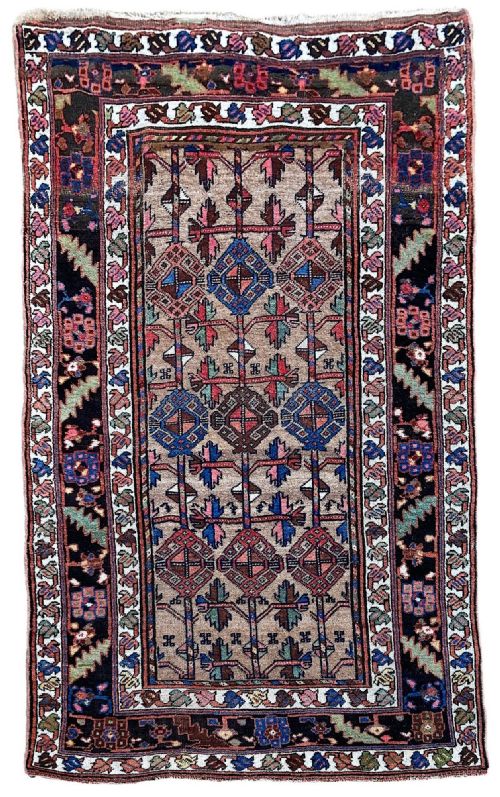
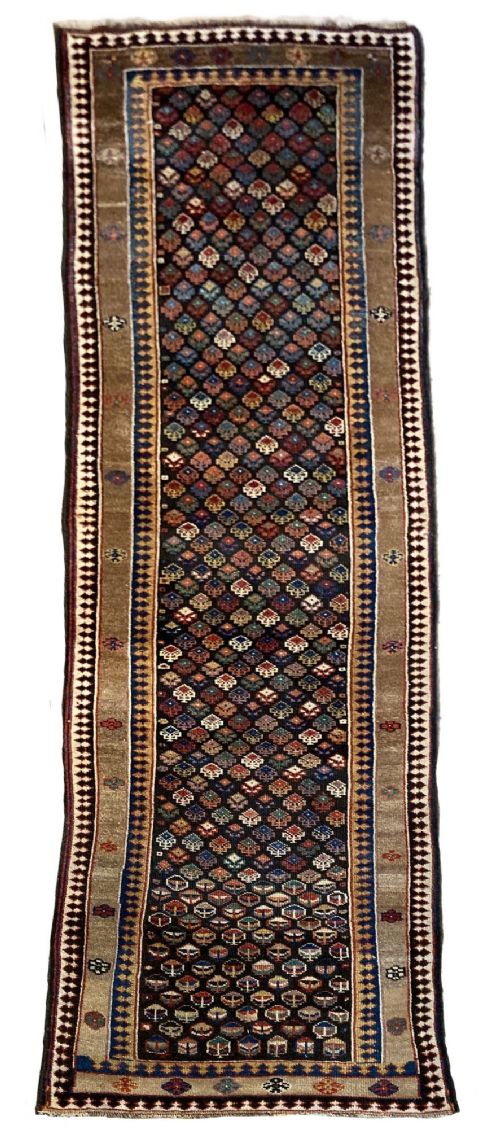
A geometric pattern carpet comprises traditional floor coverings defined by repeating lattices, squares, and tribal medallions rather than flowing floral vines. The examples seen here span from the mid-nineteenth century through the 1930s, originating largely from Persian, Caucasian, Turkmen, and Anatolian weaving traditions.
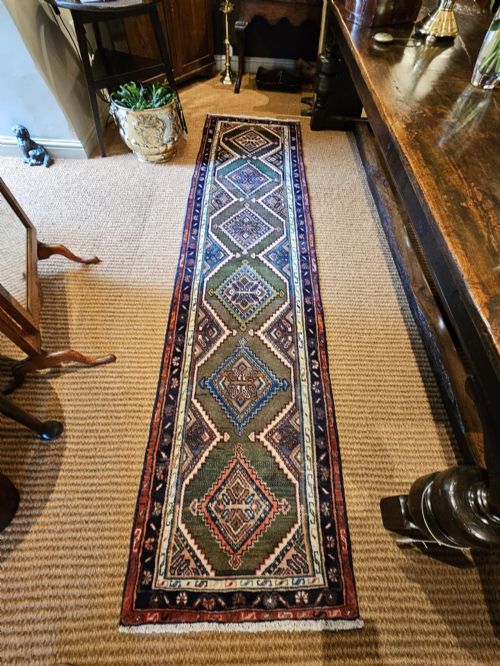
Buyers will encounter various formats, ranging from long narrow runners and hallway carpets to room-sized area rugs and smaller square formats. These pieces often carry tribal designations such as Kazak, Yomut, Afshar, and Kurdish, reflecting distinct regional weaver communities.
The aesthetic relies on rectilinear motifs, repeat lattice designs, and bold central guls that create a strong sense of order across the field. Such carpets suit both period interiors and modern spaces requiring architectural structure underfoot.
Materials and Construction
The pieces on this page are hand-knotted or hand-woven using wool and cotton foundations, often incorporating hand-spun wool for the pile. This traditional spinning method produces slight variations in yarn thickness and texture.
Weavers utilised natural dyes to achieve deep indigo blues, rich reds, and earthy olive tones that mellow gracefully over decades of light and wear. Flatweave kilims and pile carpets alike rely on sturdy wool construction designed for lasting utility.
Listings feature wool and cotton materials originating from 1850 through the 1930s.
Judging Quality
Quality in these carpets rests on the crispness of the rectilinear drawing and the consistency of the wool knotting across the field. Tighter knot counts allow complex lattice designs and small geometric motifs to hold their sharp definition.
The depth and clarity of the natural dyes also determine a piece's standing, as well-pitted abrash and harmonious colour shifts indicate skilled dye preparation. Structural integrity, including secure side cords and even pile wear, completes the assessment.
The Geometric Pattern Carpet Glossary
- Abrash
- A natural variation in colour shading within a hand-spun wool rug, caused by batch-dying yarn at different times. This tonal graduation is valued for adding visual depth to tribal designs.
- Gul
- A repeating octagonal or medallion motif commonly found in Central Asian and Turkmen carpet weaving. Each tribal group traditionally wove its own recognisable variant of this emblem.
- Kilim
- A flatweave carpet produced without a pile by tightly interweaving warp and weft threads. These textiles often display sharp geometric patterns and light portable formats.
- Kelleh
- A large, elongated format of Persian carpet traditionally used in long reception rooms. Proportions are substantially longer than they are wide.
- Lattice
- A symmetrical network of intersecting diagonal lines forming diamond or square compartments across the field of a carpet. This framework often encloses secondary floral or geometric symbols.
Geometric Pattern Carpet: Frequently Asked Questions
How do I clean an antique wool carpet?
Regular gentle vacuuming without a beater bar removes loose grit before it settles into the wool foundation. Professional specialist cleaning remains essential for addressing deep soil and preserving natural dye stability.
Avoid harsh chemical treatments or heavy soaking, which can weaken old cotton warps and cause dye bleeding. Prompt blotting of liquid spills with a clean white cloth prevents permanent staining.
Where should I place a runner rug?
Runners suit long hallways, narrow landings, and gallery spaces where linear floor coverage defines the walkway. They also work effectively alongside kitchen islands or beside a bedroom bed.
Ensure you measure the passage width and allow adequate bare floor margins around the edges. Using a quality underlay prevents slipping and cushions the wool pile against hard timber or stone floors.
How do I identify tribal rug designs?
Study the primary motifs, such as octagonal guls, hooked polygons, and diagonal lattice frameworks specific to regions like the Caucasus or Turkmenistan. Distinct regional colour palettes, including heavy indigo and madder red, offer further clues to origin.
Weaver communities often repeated specific structural rhythms and border guards passed down through generations. Comparing piece structures helps separate Kurdish, Afshar, and Kazak traditions.
Are these carpets suitable for heavy foot traffic?
Hand-knotted wool carpets with dense pile construction and sturdy foundations withstand daily household use remarkably well. Natural lanolin present in hand-spun wool provides inherent resistance to dirt and wear.
Placing a breathable rug pad underneath absorbs kinetic impact and distributes foot pressure evenly. Rotating the carpet periodically ensures even wear patterns in busy areas.