


Geometric Octagonal Side Table
A geometric octagonal side table brings sharp lines and intricate surface patterns into a room, serving as a striking focal point for drinks or ornaments.
Geometric Octagonal Side Table
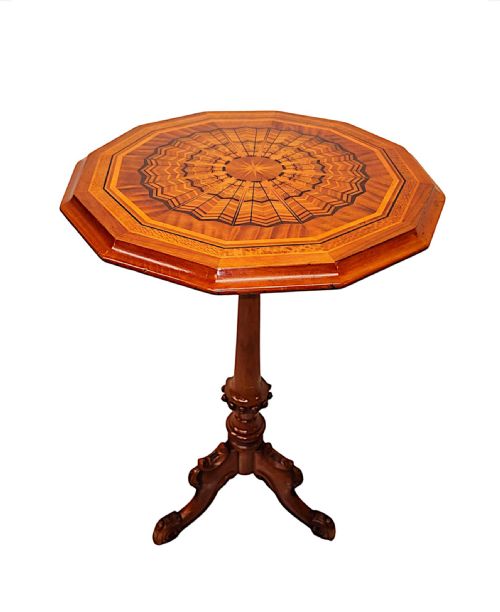
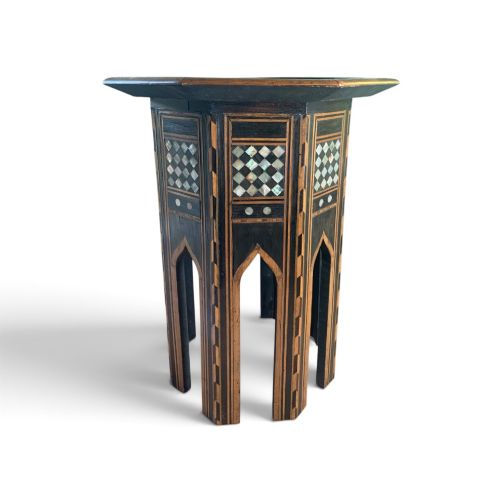
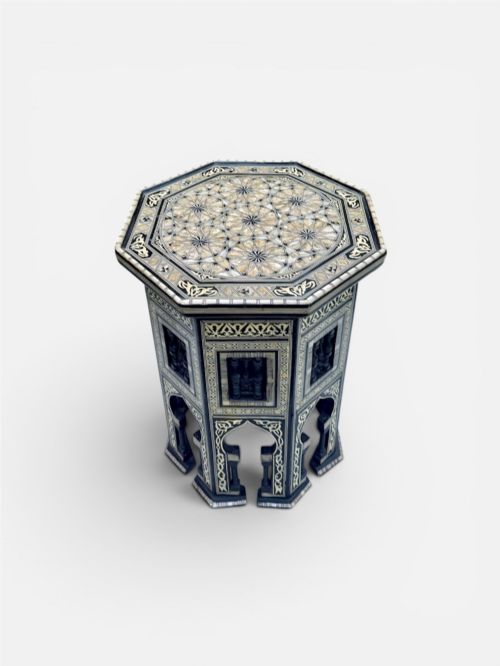
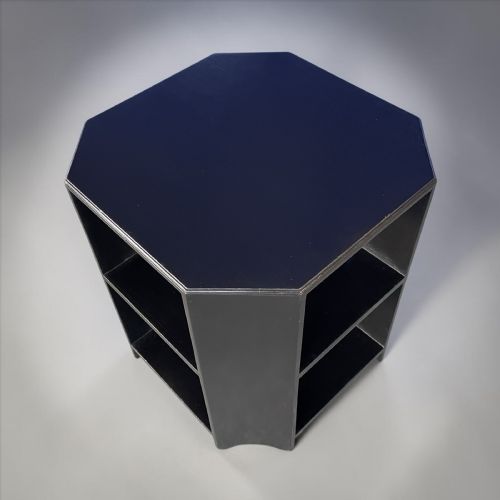
A geometric octagonal side table stands on eight distinct sides, displaying surface designs formed from interlocking pieces of timber or inlay. These occasional pieces function practically beside a chair or sofa while providing a strong visual anchor through their multiform tops.
The selections span diverse eras including the Regency and Victorian periods, alongside later Art Deco and early twentieth-century examples. Woods such as walnut, mahogany, oak and satinwood appear frequently, often enhanced by parquetry and specimen wood compositions.
Origin points range from British workshops to Italian Sorrento production and Middle Eastern or Moorish revival traditions. Buyers encounter everything from low coffee tables to taller lamp and hall tables built with this characteristic eight-sided geometry.
Materials and construction
Cabinetmakers constructed these frames using sturdy hardwoods like mahogany, oak and walnut, providing a stable chassis for decorative tops. Ebonised finishes also appear to create high-contrast modern silhouettes in later Art Deco items.
Complex surface patterns rely on precision cutting of contrasting timbers, mother-of-pearl, bone and satinwood. Artisans arranged these minute elements into parquetry, geometric tessellations and marquetry motifs before securing them to the wooden core.
Materials recorded across the available selection include walnut, mahogany, oak, satinwood, ebony, mother-of-pearl and bone.
Assessing craftsmanship and finish
The precision of the surface joinery dictates the calibre of each piece, where tight seams between disparate woods show superior skill. Finer items integrate materials like mother-of-pearl and bone flush with the surrounding timber without visible gaps.
The ambition of the design distinguishes standard production from exceptional work, particularly in complex parquetry arrangements and multi-timber specimen tops. Robust internal construction of the octagonal base ensures the table remains stable over decades of use.
Gillows·Anton Seuffer
The Geometric Octagonal Side Table Glossary
- Parquetry
- Geometric mosaic of wood pieces used for decorative floors and table tops. This technique creates repeating patterns that emphasise the multi-sided top.
- Specimen wood
- Furniture constructed from a variety of distinct timber species, often showcasing natural colours and grain patterns. Makers arranged these pieces to highlight botanical diversity.
- Sorrento ware
- Inlaid woodwork originating from the Italian town of Sorrento, typically featuring geometric or pictorial motifs. Artisans utilised local woods to build intricate decorative surfaces.
- Moorish revival
- Architectural and decorative style popular in the nineteenth and early twentieth centuries incorporating Islamic design elements. Tables in this tradition utilise intricate geometric panelling and exotic materials.
- Occasional table
- A small, movable table designed for specific, intermittent uses within a living space. These pieces function easily beside seating areas or in hallways.
Geometric Octagonal Side Table: Frequently Asked Questions
What is an octagonal side table?
An octagonal side table is a small piece of furniture featuring an eight-sided top supported by a central pillar or multiple legs. These tables fit easily into corners or beside seating while offering a distinct geometric silhouette.
They serve as practical surfaces for lamps, books and decorative objects in sitting rooms and hallways.
How do I style a geometric table?
Place the table where its patterned top remains visible rather than hiding the surface beneath heavy cloths or large objects. A single well-chosen lamp or a small ceramic dish allows the parquetry and timber work to catch the eye.
Keep surrounding furniture simple to let the sharp eight-sided geometry stand out within the room.
What woods were used?
Cabinetmakers utilised a wide variety of timbers depending on the period and origin of the piece. Common structural woods include mahogany, oak, walnut and ebonised hardwood.
Surface decoration frequently incorporates satinwood, exotic specimen timbers, mother-of-pearl and bone to build contrasting geometric patterns.
How do I date a table?
Dating relies on observing the combination of materials, construction methods and stylistic markers present in the piece. Regency and Victorian items display different structural characteristics compared to early twentieth-century Art Deco or Moorish revival examples.
Parquetry techniques and timber choices also provide strong clues regarding the decade of manufacture.