


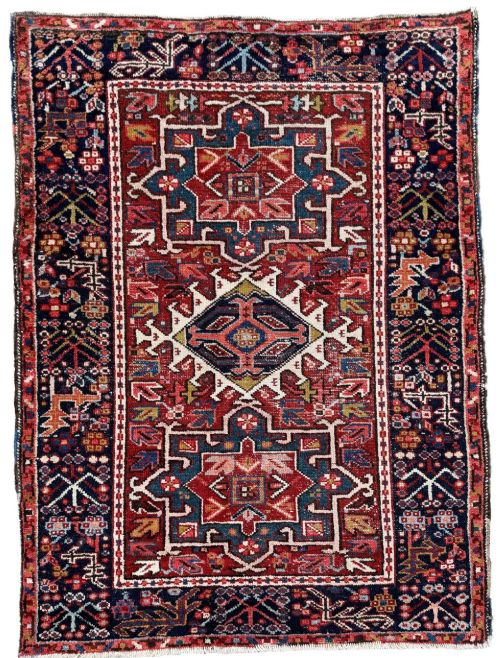
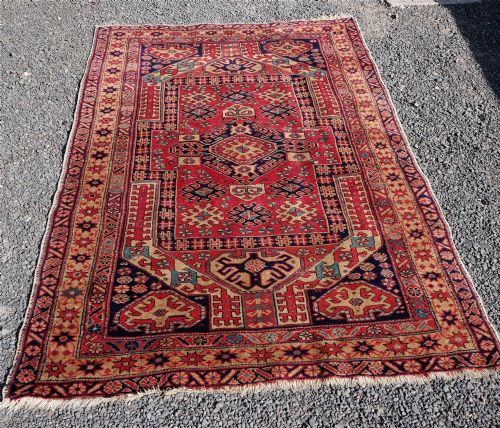
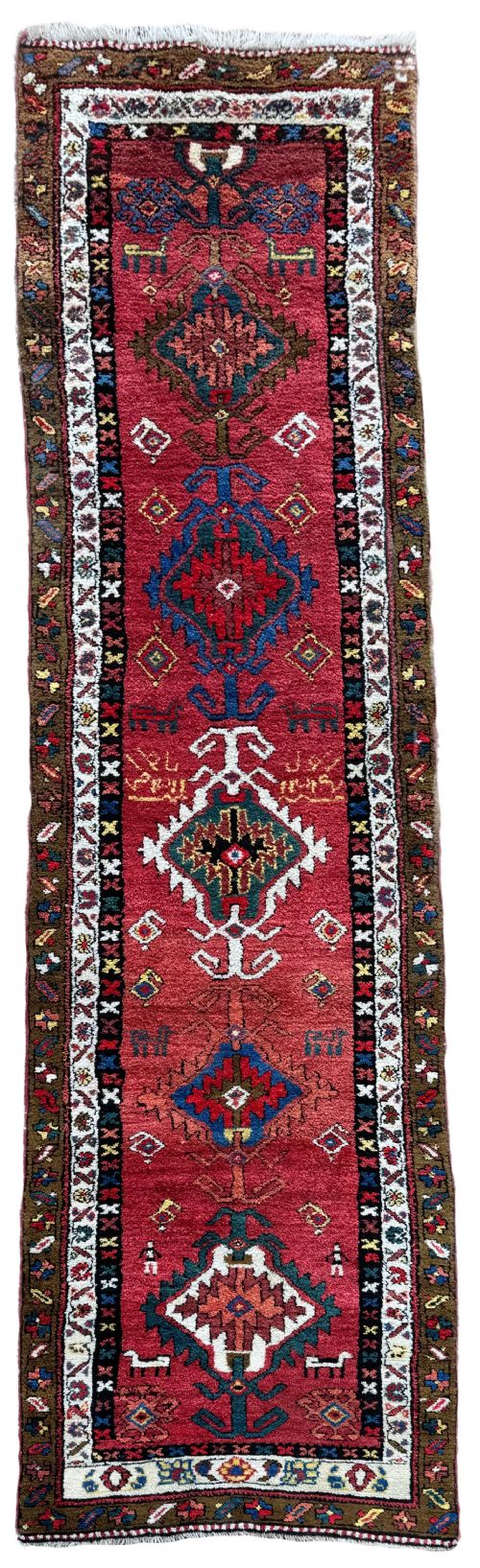
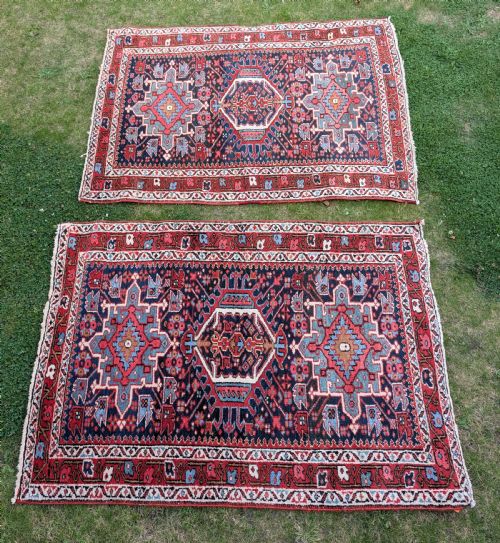
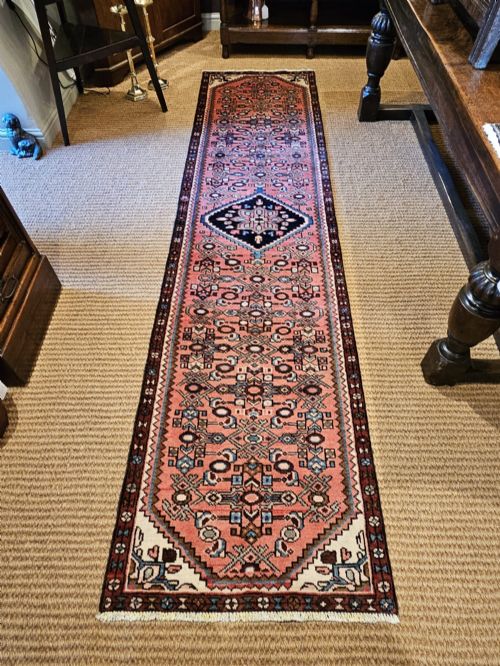
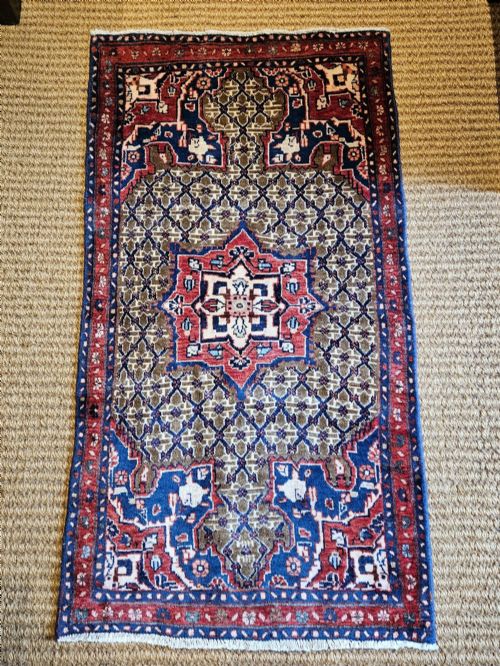
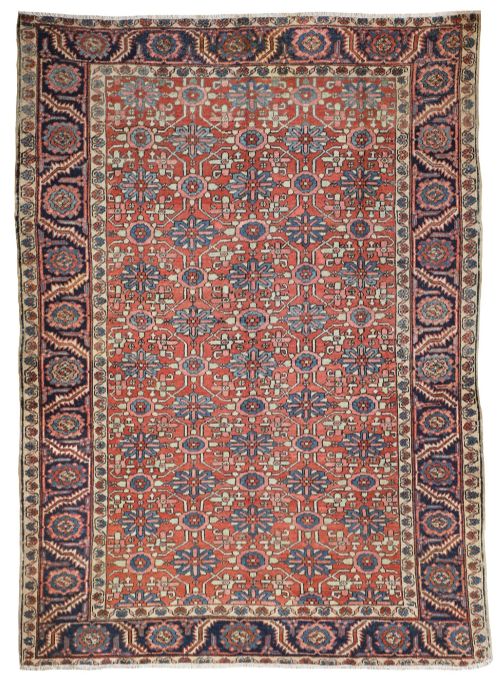
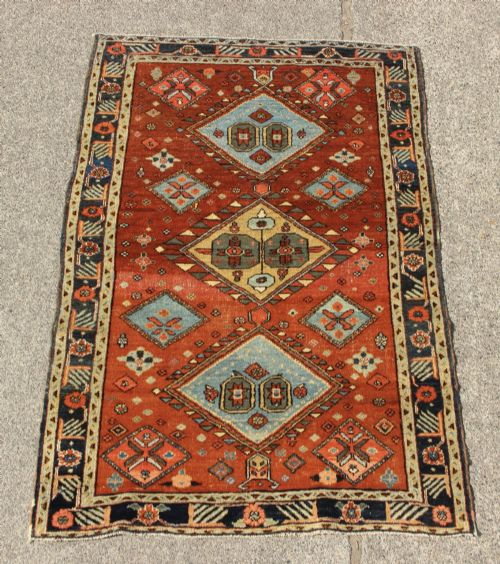
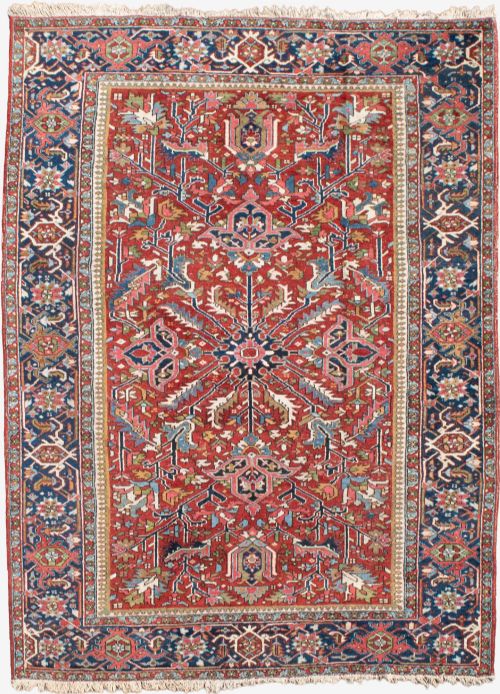

Geometric Heriz Rug
A geometric heriz rug brings robust Persian artistry and heavy wool warmth to a room through centuries-old village weaving traditions.
Geometric Heriz Rug
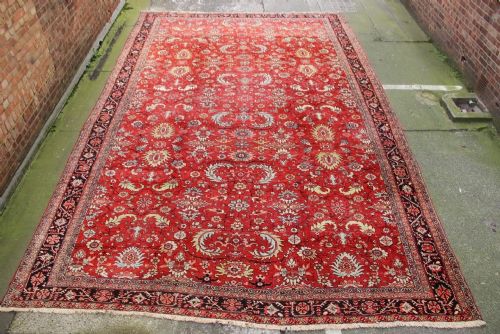
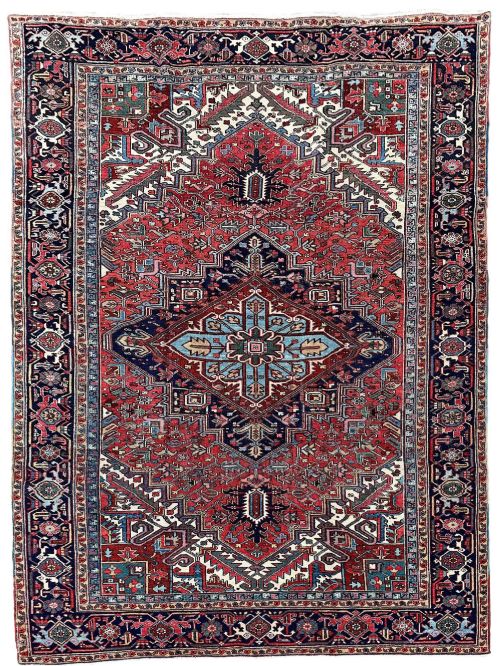
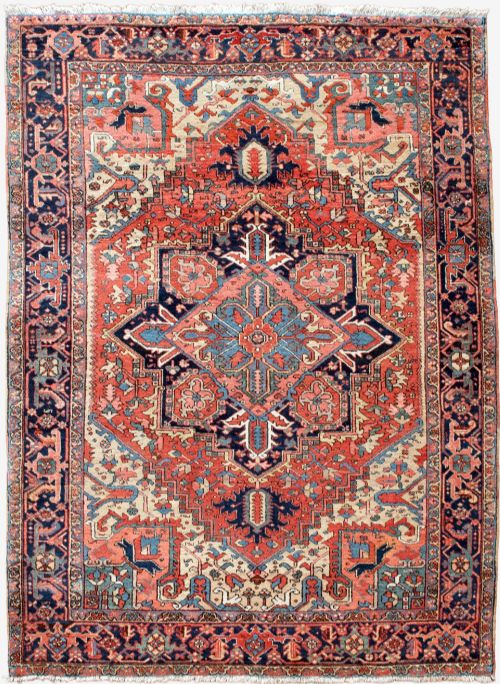
A geometric heriz rug represents a distinct branch of Persian carpet production originating in north-west Persia. These pieces arrive in various formats ranging from square area pieces and room-sized carpets down to narrow hallway runners.
The aesthetic centres on large-scale graphic medallions, angular corner spandrels and rigid botanical motifs rendered in bold primary pigments. Most examples date from the late nineteenth century through to the early decades of the twentieth century.
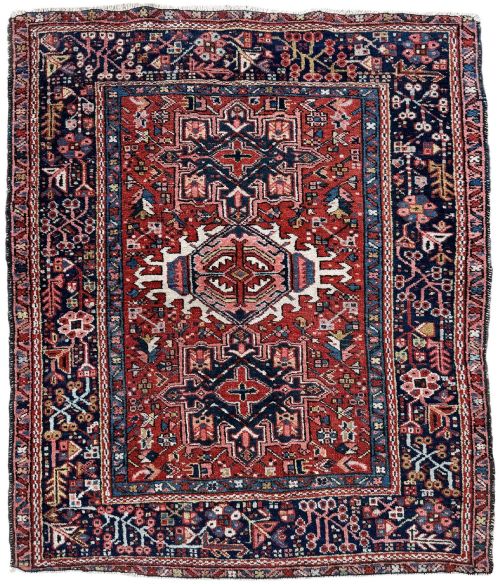
Alongside core Heriz production, related regional village work from Karaja, Bakshaish, Ahar and Serapi appears frequently within these dimensions. Each village variation maintains a strong linear character driven by tribal memory and local dye pots.
How They Were Made
Weavers constructed these carpets using hand-spun wool for both the pile and the foundational warps and wefts. Cotton foundations also appear in specific village and workshop productions, providing structural stability for large room formats.
Dyers utilised natural materials to obtain deep indigo blues, madder-derived terracotta reds and soft ivory grounds. These natural agents yield nuanced tonal variations across the field as the wool absorbs dye over decades of use.
Listings span production dates from the 1850s to the 1930s, utilising hand-spun wool and cotton across diverse village formats.
What Varies in Quality
Quality rests primarily in the crispness of the drawing and the saturation of the natural palette. Finer knots per square inch allow for sharper rendering of intricate angular medallions and border guards.
The structural integrity of the wool pile and the balance of secondary tones determine overall visual weight. Weavings with tightly beaten wefts and dense wool handle heavy domestic traffic with greater resilience.
The Geometric Heriz Rug Glossary
- Heriz
- A town in north-west Persia famous for durable carpets featuring large geometric medallions and sturdy cotton or wool foundations. These rugs are known for their architectural layouts and robust structure.
- Serapi
- An older, finer class of carpet from the Heriz district characterised by more open designs and muted vegetable dyes. Collectors prize these pieces for their spacious compositions and early dates.
- Karaja
- A neighbouring village producing smaller rugs and runners with distinct geometric repeat patterns or sequential medallions. The palette often includes rich terracotta and deep blue tones.
- Bakshaish
- An early village type featuring stylized, abstracted tribal motifs and spacious fields with earthy tones. These pieces predate many standard Heriz carpets and show looser, more expressive drawing.
- Spandrel
- The triangular corner area of a carpet border system, often filled with contrasting floral or geometric motifs. It frames the central field medallion.
Geometric Heriz Rug: Frequently Asked Questions
How do I clean a wool rug?
Gentle surface brushing and regular low-suction vacuuming remove grit from the wool pile without damaging foundation threads. Professional specialist washing remains necessary for deep cleaning to protect natural dyes.
Avoid chemical spot treatments and excessive water exposure. Allowing air drying prevents moisture retention in the cotton or wool core.
Are these rugs suitable for hallways?
Narrow formats and long runner dimensions fit naturally into corridors, entryways and narrow passages. The dense wool construction withstands heavy foot traffic over generations.
Underlay placement prevents slipping and reduces friction against hard wooden or stone floors. This adds cushioning beneath the sturdy weave.
What is the difference between Serapi and Heriz?
Serapi carpets represent an earlier, finer tradition from the same region featuring more open fields and softer vegetable dye palettes. Heriz pieces generally display bolder, denser geometric arrangements with stricter symmetry.
Both share the same robust wool materials and village workshop origins. Dating usually separates the looser Serapi style from later Heriz production.
How can I tell the age of a carpet?
Inspect the natural dye palette, wool consistency and structural wear patterns across the field and fringe edges. Subtle shifts in colour within a single dye batch indicate hand-spun village wools typical of the nineteenth and early twentieth centuries.
Machine-spun yarns, synthetic chemical dyes and rigid synthetic foundations indicate mid-to-late twentieth-century manufacture. Hand-knotted irregularities confirm traditional village production methods.