
Gents Mechanical Timepiece
A gents mechanical timepiece brings together decades of horological craft in either wrist or pocket form.
Gents Mechanical Timepiece
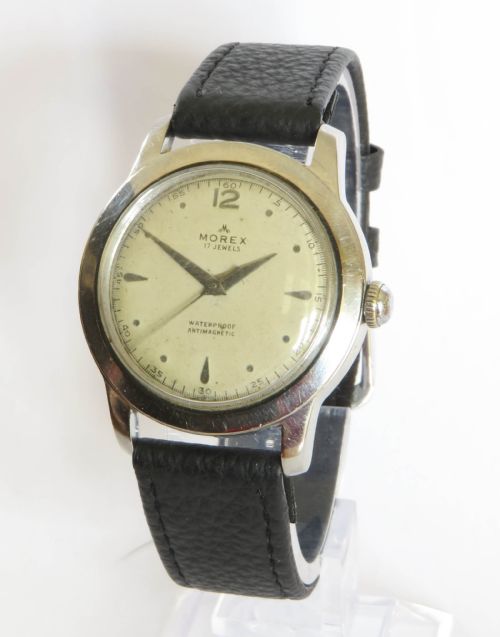
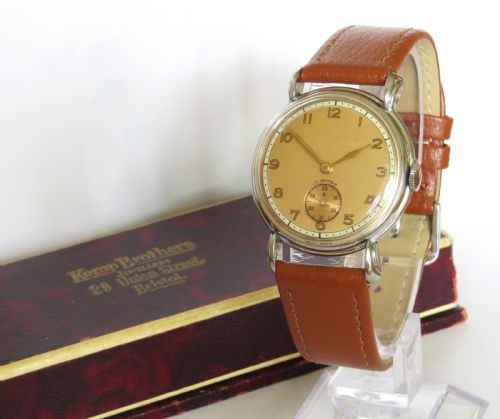
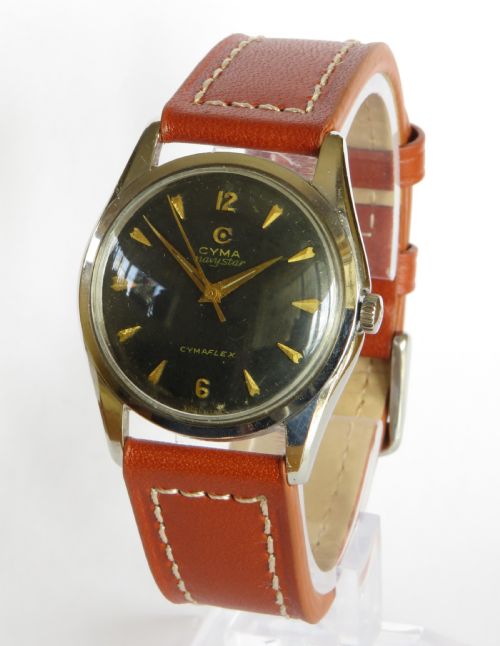
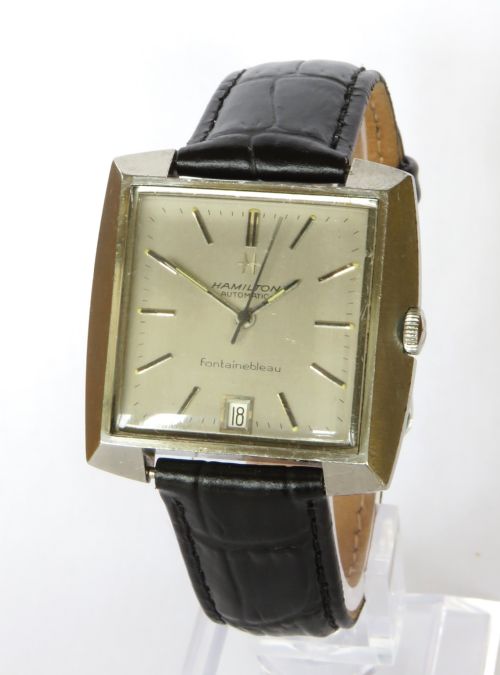
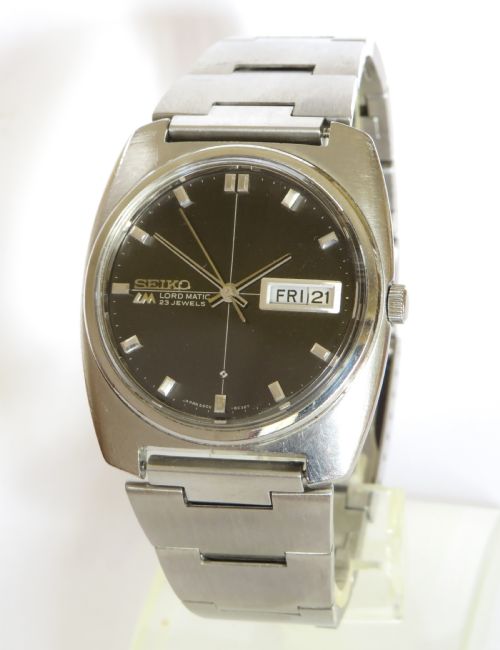
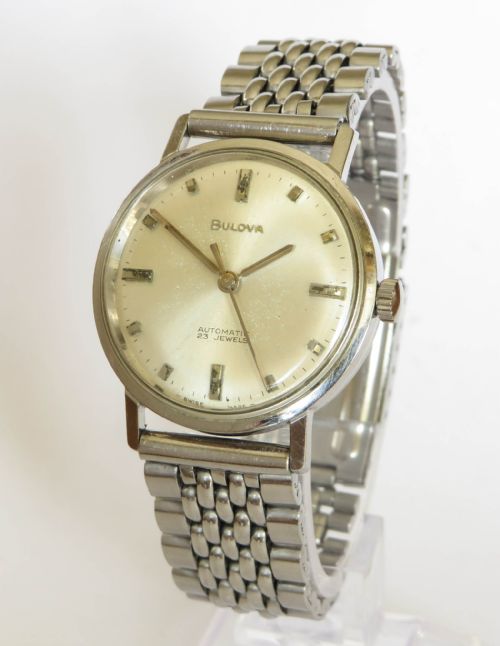
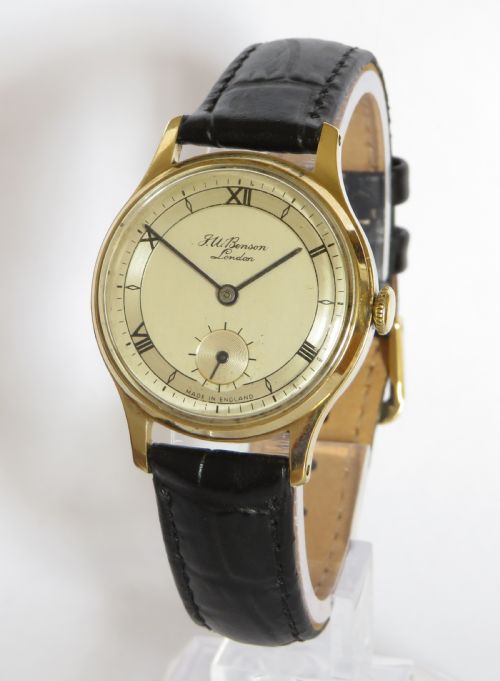
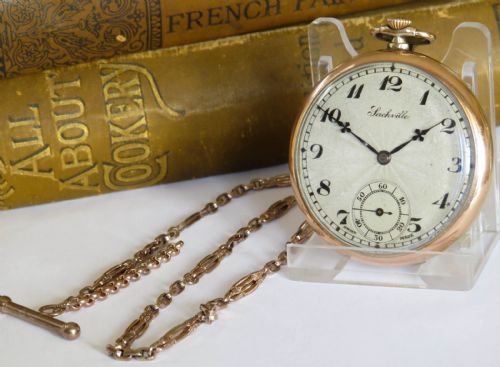
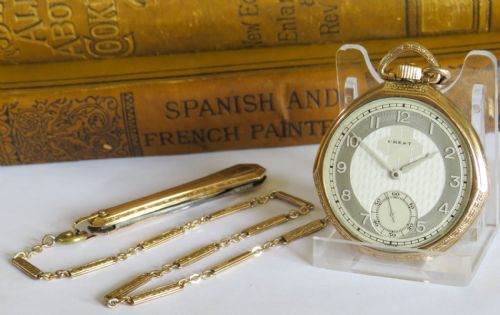
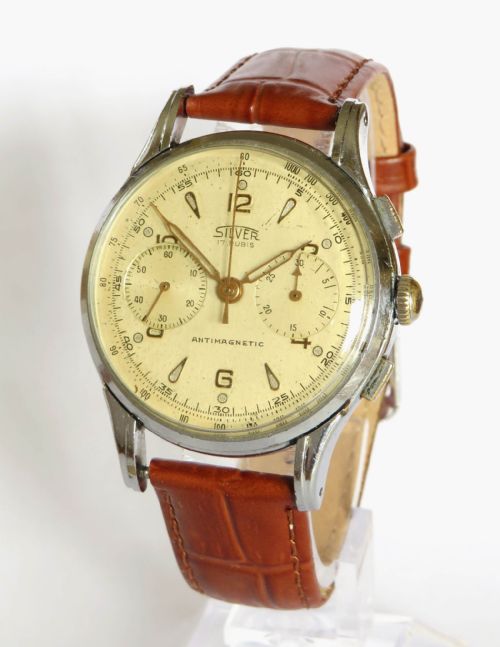
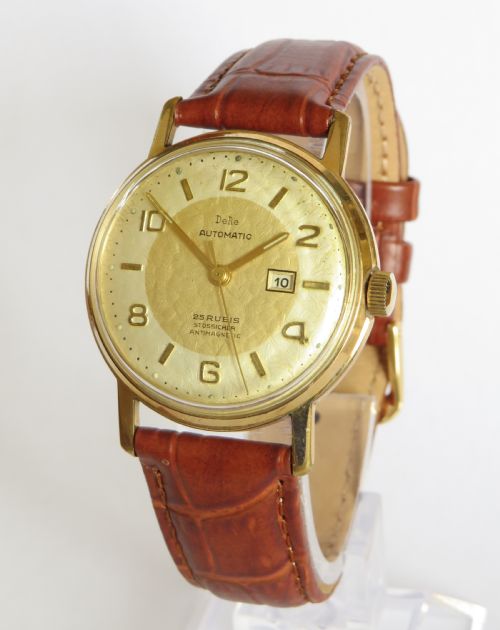
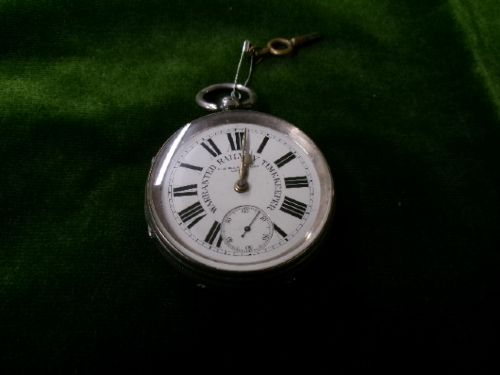
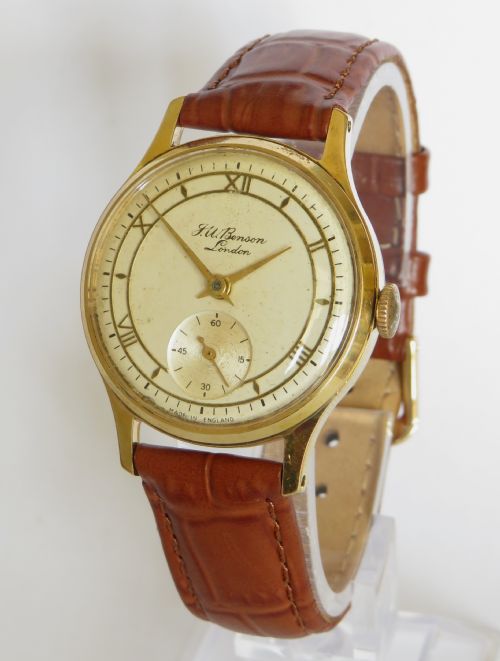
A gents mechanical timepiece covers wristwatches and pocket watches spanning from the Victorian period through to the 1970s. The selection relies heavily upon mid-twentieth-century wristwatches alongside earlier pocket watch variants.
Makers and manufacturers represented across the periods include Swiss houses, English makers such as Smiths, and military suppliers like Roamer. Forms vary from simple three-hand dials to chronographs and calendar complications.
How they were made
Casings utilise stainless steel, gold plate, chrome, metal, and silver, paired frequently with glass crystals and enamel dials. Leather straps provide wrist attachment for wearable examples, while chains accompany pocket watches.
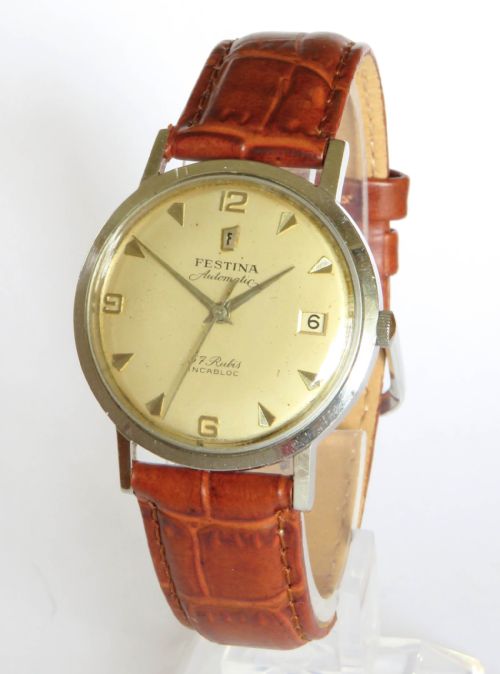
Movements rely on mechanical gear trains driven by mainsprings, encompassing both manual winding and automatic winding mechanisms. Chronograph complications and calendar functions demand intricate gear assembly by skilled watchmakers.
Listings feature periods spanning the Victorian era through the 1970s, utilising stainless steel, gold plate, silver, and leather.
What varies in quality
The sophistication of the internal movement dictates much of the standing, separating standard hand-wound calibres from complex automatic, chronograph, or adjusted movements. Finishing quality on dials, hands, and case metalwork further distinguishes output.
Signatures from notable makers or specialised divisions carry additional historical weight compared to unbranded or generic Swiss and domestic movements from the same decades.
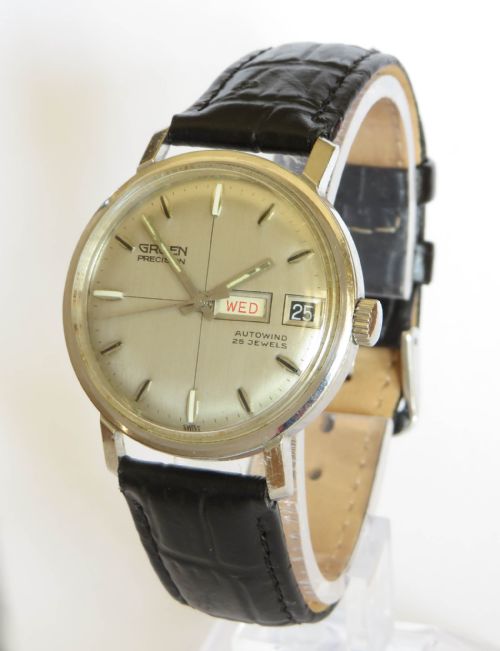
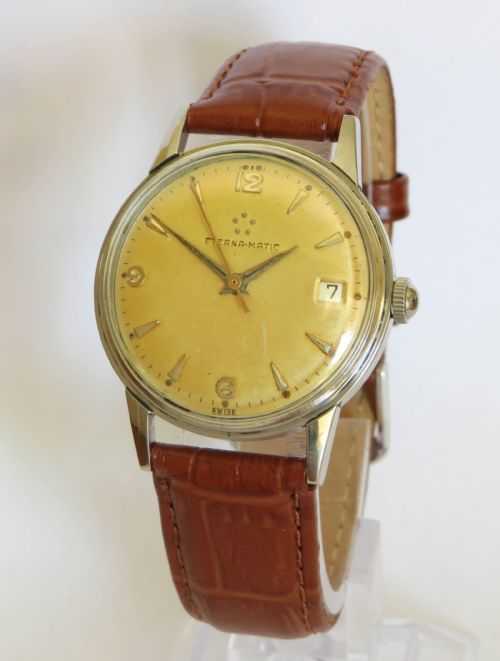
Montilier·Cyma·Hamilton·Seiko·Bulova·Smiths·Tavannes·Festina·Gruen·Eterna Matic·Antoremi·J W Benson·Omega·Avia·Venus·Primula·Marvin·Gloriosa·Enicar·Wittnauer·Dogma Prima·Longines·Kered·Certina·Roamer
The Gents Mechanical Timepiece Glossary
- Automatic
- A mechanical watch movement that winds itself using the natural motion of the wearer's arm via an internal weighted rotor. This self-winding technology became widespread from the nineteen-fifties onward.
- Chronograph
- A timepiece equipped with a stopwatch function alongside the standard time-of-day display. Independent sub-dials track elapsed seconds and minutes.
- Calendar watch
- A watch that displays the date in addition to hours, minutes, and seconds, sometimes incorporating day-of-the-week windows.
- Hermetic
- A case design intended to offer enhanced resistance against dust and moisture ingress. Early hermetic watches often utilised an inner and outer case construction.
Gents Mechanical Timepiece: Frequently Asked Questions
Are these watches waterproof?
Vintage mechanical pieces lack the modern rubber gaskets and screw-down crown systems found in contemporary diving watches. Moisture exposure can easily damage the delicate steel gears and paper dials inside.
Keep older wrist and pocket watches away from water entirely to preserve the historic lubrication and metal components.
How often should a mechanical watch be serviced?
Mechanical movements require periodic cleaning and fresh oil to prevent the metal pivots from wearing down the brass bushings. Watchmakers generally recommend professional attention every few years.
Regular servicing ensures the mainspring and balance wheel maintain accurate timekeeping across the decades.
What is the difference between manual and automatic?
Manual wind watches require the wearer to turn the crown daily to tension the mainspring manually. Automatic versions incorporate an oscillating weight that winds the spring autonomously as the wrist moves.
Both systems rely purely on mechanical springs rather than electrical batteries.
Can I wear a vintage watch every day?
Many people wear mid-century and earlier timepieces daily, provided the watch receives proper care and avoids harsh impacts. Daily wear actually keeps the oils moving within the escapement.
Take care to avoid magnetic fields from electronic devices, which can disrupt the hairspring.