

Gentleman Wall Art
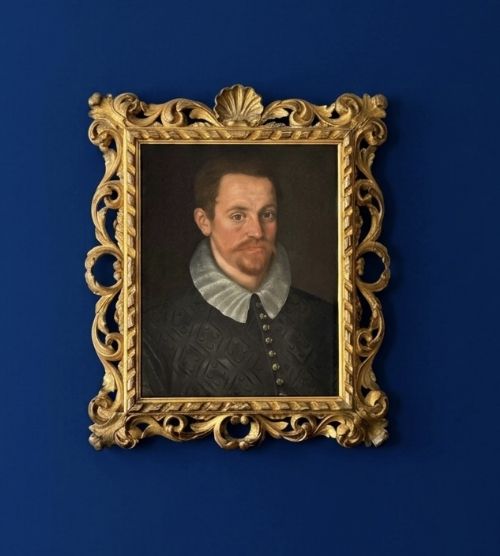
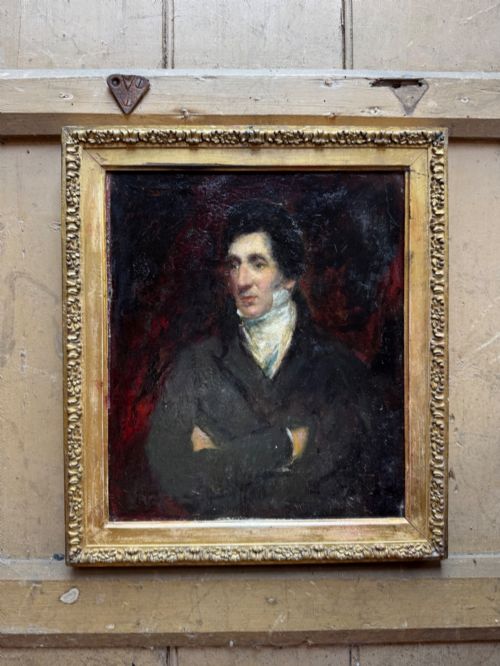
Gentleman wall art brings character and history into a room through historical portraits and character studies.
Gentleman Wall Art
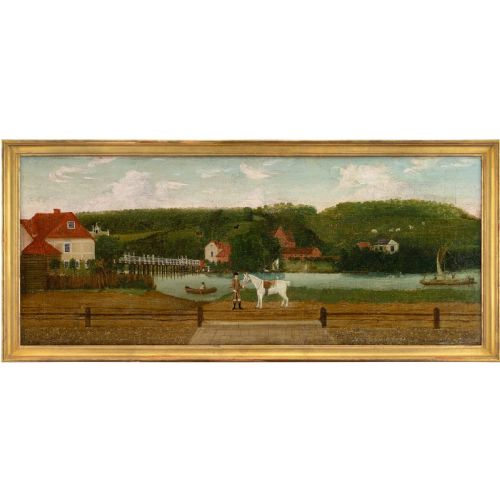
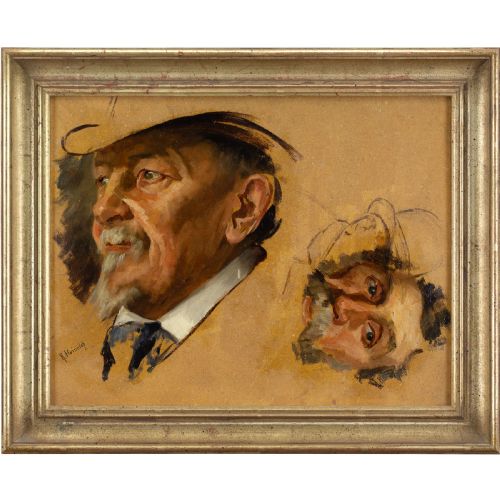
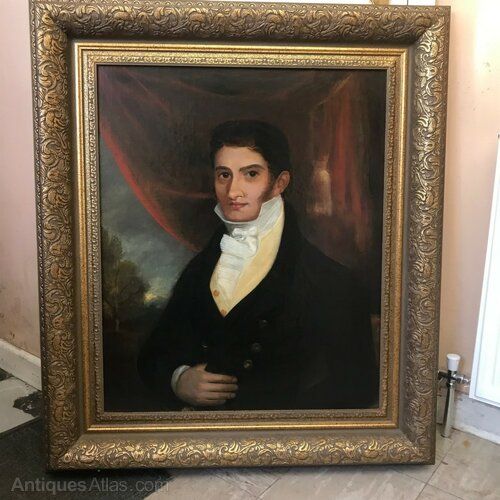
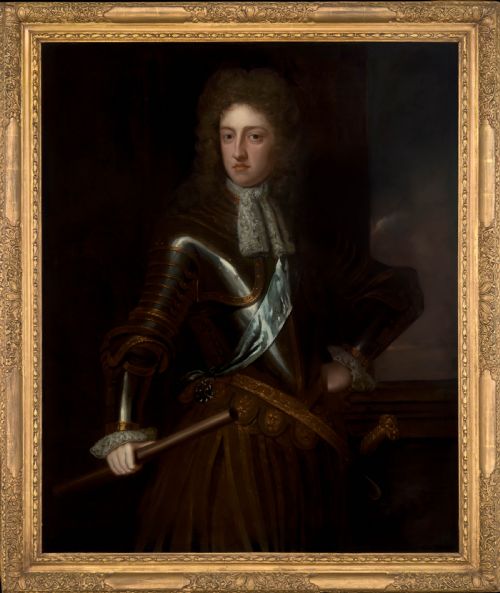
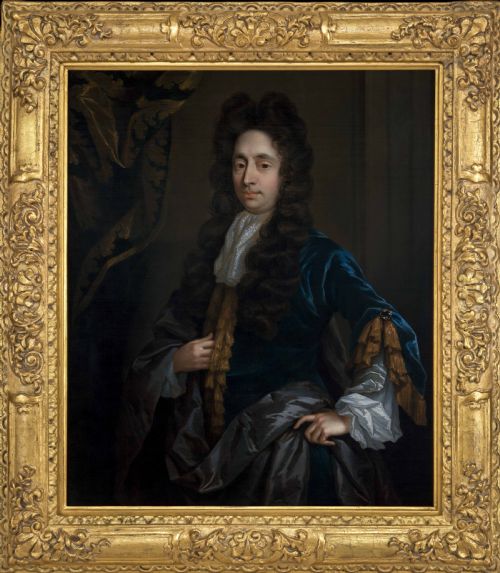
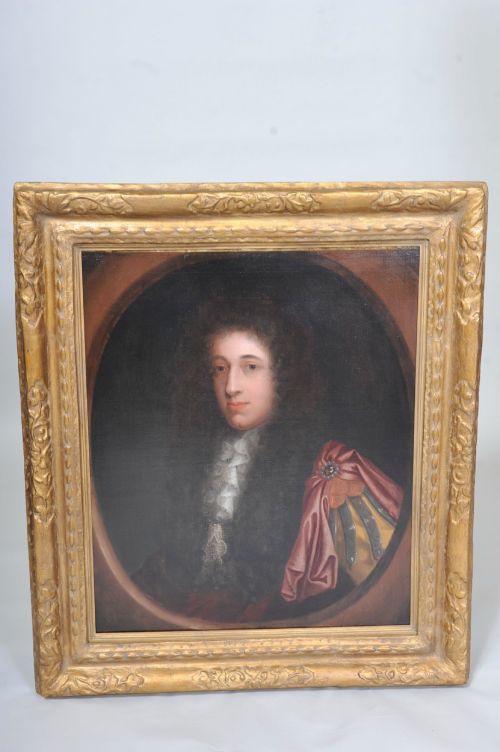
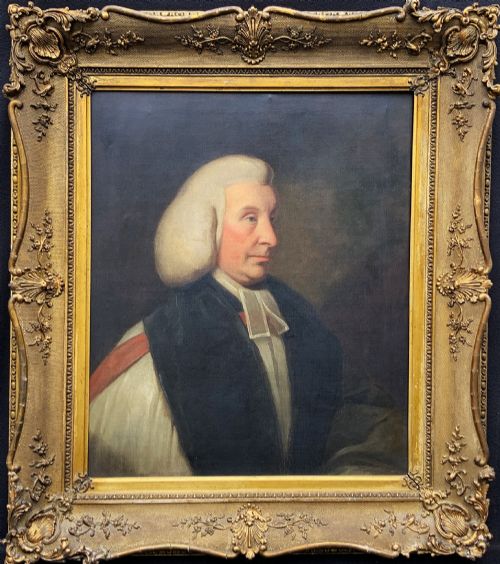
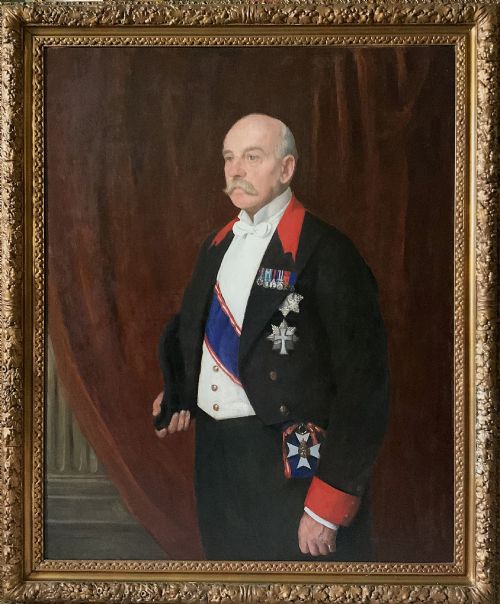
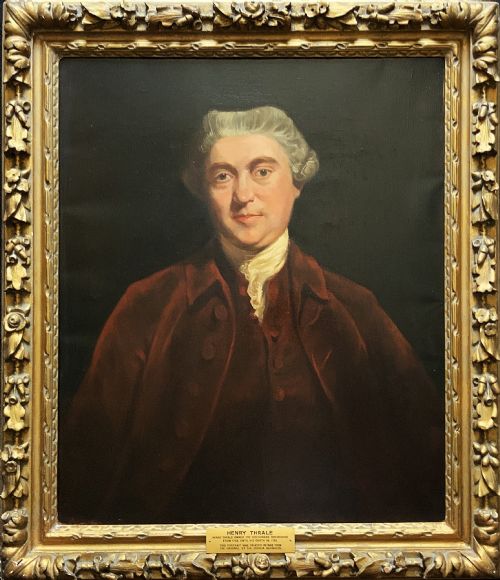
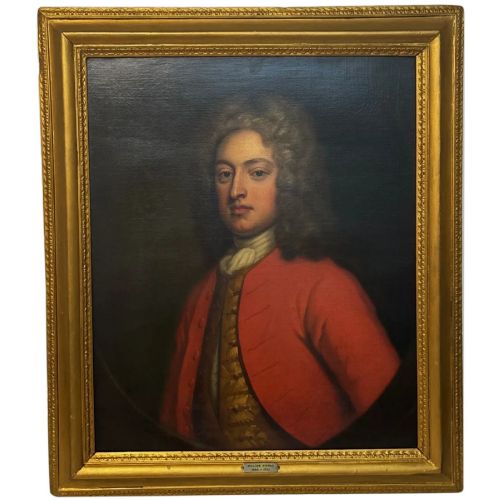
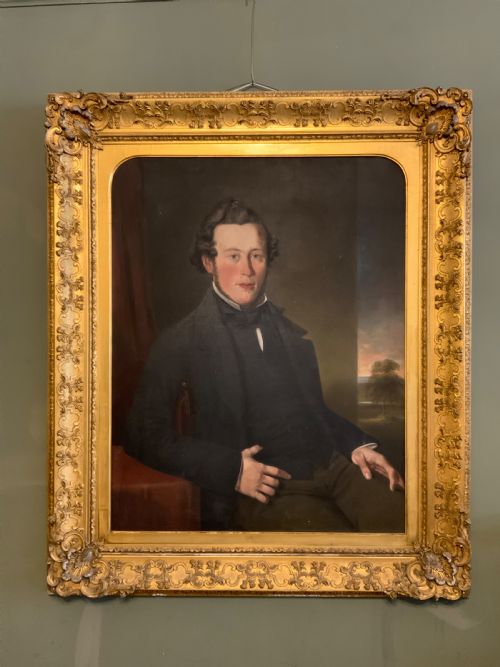
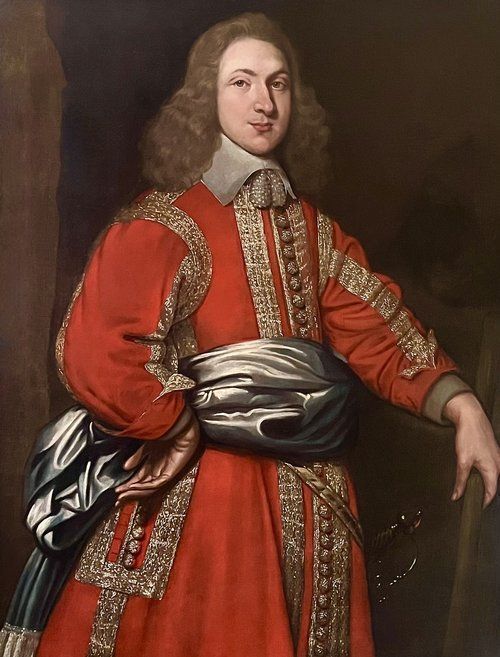
Gentleman wall art comprises historical oil paintings, waterworks, and drawings depicting male subjects from the seventeenth century through to the early twentieth century.
The selection on this page centres on oil on canvas paintings, portrait miniatures, and framed artwork originating from British, European, and Anglo-Dutch schools.
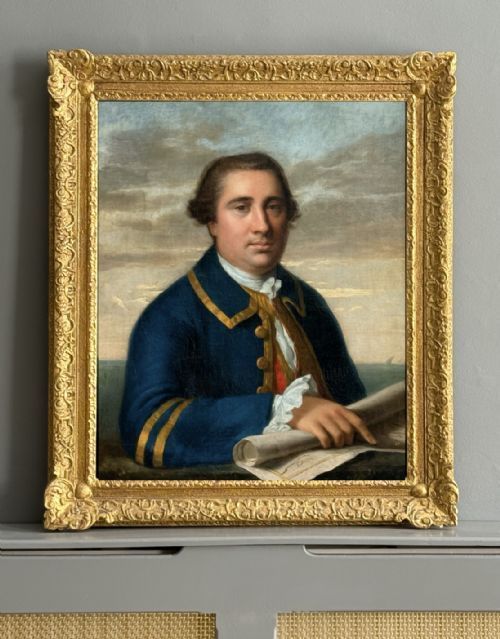
Subjects range from named military officers, merchants, and nobility to anonymous sitters captured in academic realism, Baroque, and Victorian styles.
Canvas, oil paint, and traditional frames
Pieces in this category rely predominantly on oil paint applied to canvas or wood panels, alongside paper supports for graphite drawings and watercolours.
Many works are housed in period frames constructed from wood with giltwood or gold leaf finishes that complement the painted composition.
Several gentlemen in the collection hold smoking pipes or wear blue coats, offering a glimpse into historical personal accessories.
Brushwork, sitter presence, and studio attribution
Quality separates master and studio works from provincial pieces through the precision of facial rendering, fabric draping, and psychological depth in the sitter's expression.
The condition of the original canvas, the presence of stable craquelure, and the survival of the authentic period frame influence the integrity of the piece.
Sir Godfrey Kneller·Constantyn Netscher·Lemuel Francis Abbott·Jean Baptiste Van Loo·John Greenhill·Charles Jervas·John Michael Wright·Francis Hayman
The Gentleman Wall Art Glossary
- Oil on Canvas
- A traditional painting medium where oil paints are applied to a stretched canvas support. This combination allows for rich blending of tones and durable preservation over centuries.
- Giltwood
- Wood carved and coated with a thin layer of gold leaf or metallic gilt. It provides ornate framing that matches the grandeur of historical portraiture.
- Portrait Miniature
- A small, highly detailed painting, often executed on vellum, card, or copper. These intimate items were frequently kept as personal mementos.
- Academic Realism
- A style of painting produced under the influence of European academies of art. It emphasises accurate anatomy, smooth brushwork, and classical composition.
- Baroque
- An artistic style prevalent from the seventeenth century characterised by dramatic use of light and shadow. In portraits, this creates strong focal points on the sitter's face and costume.
Gentleman Wall Art: Frequently Asked Questions
How do I date a portrait?
Dating relies heavily on the sitter's costume, wig style, and facial hair, which shifted distinctly between the seventeenth century, Georgian era, and Victorian period. Examining the preparation of the canvas and the construction of the stretcher frame also provides reliable clues.
Secondary evidence comes from inscriptions, artist signatures, and framing techniques characteristic of specific decades. Comparing brushwork styles to documented works from the same school helps narrow down the active period.
Where should I hang these paintings?
Historical portraits suit traditional libraries, studies, or living rooms with neutral or dark wall colours that make gilt frames stand out. They also work effectively as focal points in a hallway or above a fireplace.
Avoid placing canvas works in direct sunlight or damp environments to protect the oil paint and wood supports from deterioration over time.
What is the difference between a studio work and a signed piece?
A signed piece bears the direct signature of the master artist, confirming their personal execution of the work. Studio works were produced under the supervision of a master, often with significant input from assistants using the master's templates.
Both categories hold historical value, though fully attributed master paintings typically command greater recognition among collectors due to their direct authorship.
How do I care for antique canvas art?
Maintaining antique oil paintings requires stable room temperatures and low humidity to prevent the canvas from slackening or the wood from warping. Dusting should be done gently with a soft, dry brush without applying pressure to the paint surface.
Professional conservation should be sought for any cleaning, varnishing, or structural repairs to avoid damaging the delicate layers of historical paint.