

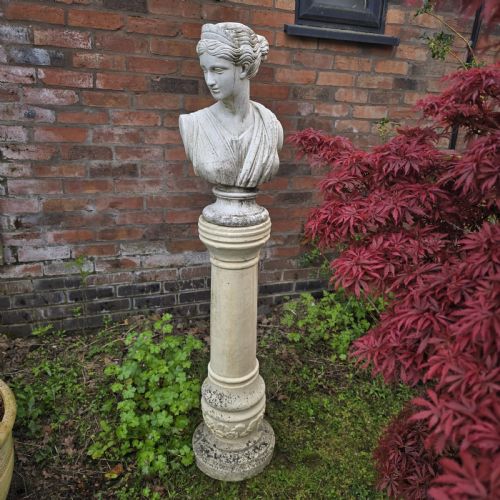


Garden Statue on Pedestal
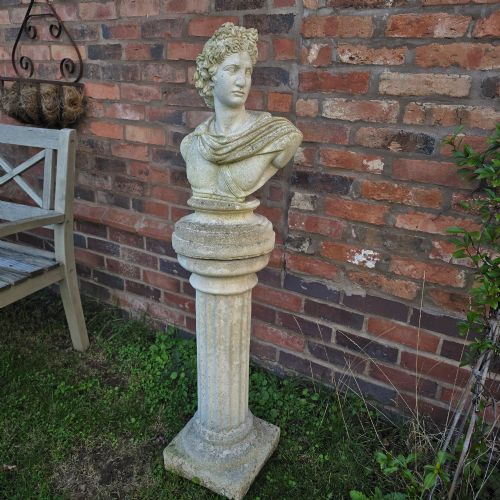
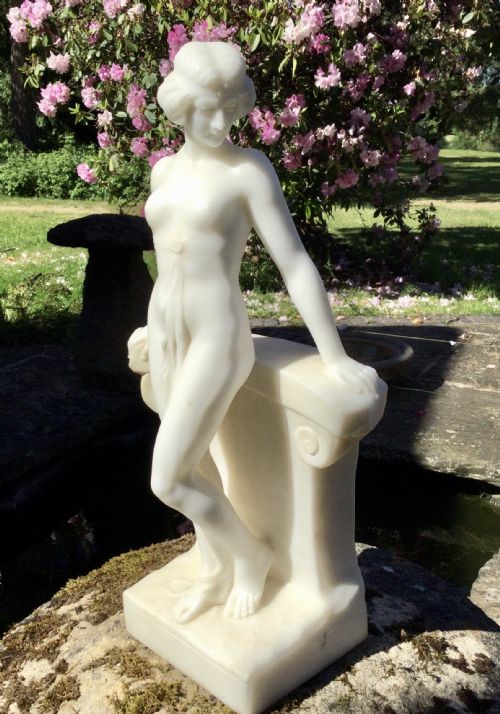
A garden statue on pedestal brings classical character to a terrace, combining sculptural presence with elevated stone or iron support.
Garden Statue on Pedestal
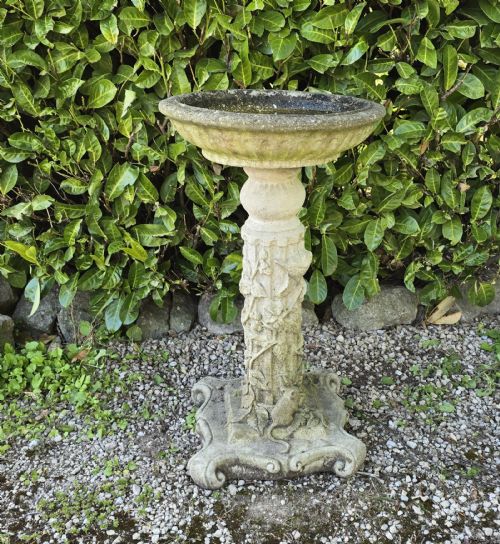
When you search for a garden statue on pedestal, you find architectural ornaments designed to elevate sculptural figures above the ground level. These pieces serve as focal points in outdoor spaces, lifting busts, figures, and bird baths into the sightline.
The selections on this page span several distinct periods, including Victorian, 19th Century, 1900, 1920, 1930, and 1950 examples. You encounter styles such as Neoclassical, Classical Revival, Neoclassical Revival, Art Nouveau, English Country, and Southeast Asian.
Common forms include garden statuary, bird baths, busts, and separate plinths paired with figures. Materials range from reconstituted stone and cast stone to cast iron, white marble, concrete, composite stone, stoneware, and terracotta.
How they were made
Many outdoor ornaments utilise cast stone, reconstituted stone, and concrete poured into moulds to achieve durable structural forms. These composite materials weather over time to resemble natural quarried stone.
Metal pieces rely on cast iron, shaped in foundry moulds to create detailed figures, shells, and columns with painted surfaces. Stoneware and terracotta are fired in kilns, while marble and stone sculptures are hand-carved using traditional chisels.
Garden Statue on Pedestal Retail Price Guide 2026
Typical asking prices for garden statue on pedestal among the pieces listed under this phrase on Sellingantiques today, from the lower quarter to the upper quarter. They describe what is for sale here now, not the wider market.
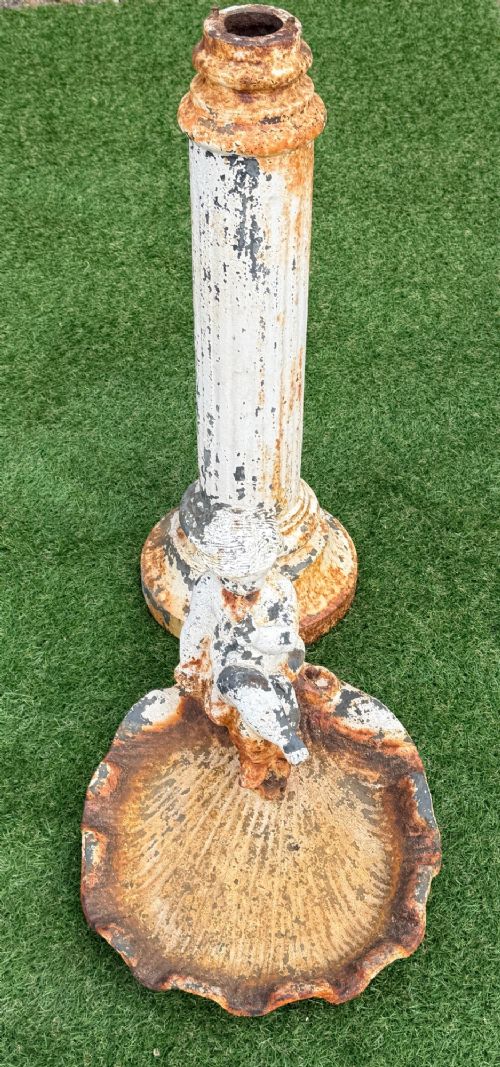
Several pieces feature winged cherubs sharing bathing space with visiting garden birds.
What varies in quality
The distinction between tiers rests in the crispness of the modelling and the depth of the carving. Finer figures display refined facial expressions, well-defined drapery, and balanced proportions on their supporting columns.
Material composition and natural weathering also separate grades. High-grade cast stone and hand-carved marble develop an even, attractive patina, whereas lesser pieces can show brittle casting seams or uneven surface degradation.
The Garden Statue on Pedestal Glossary
- Plinth
- A square slab or solid block forming the lowest base of a column, statue, or pedestal. It provides stability on uneven ground.
- Reconstituted stone
- A manufactured material made from crushed stone aggregate mixed with a binder such as cement. It is cast in moulds to replicate natural stone.
- Stoneware
- A type of ceramic fired at high temperatures until vitrified and impermeable to water. It offers high durability for outdoor garden ornaments.
- Neoclassical
- A revival style drawing inspiration from the classical art and architecture of ancient Greece and Rome. It emphasises symmetry, proportion, and classical motifs.
Garden Statue on Pedestal: Frequently Asked Questions
How do I clean a stone statue?
Wash stone and cast ornaments gently using water and a soft brush to remove organic growth.
Avoid harsh pressure washers that can pit the surface and strip away the protective weathered patina.
Can these statues stay outside in winter?
Most stone, cast iron, and concrete pieces withstand outdoor conditions throughout the colder months.
Protect vulnerable items from frost expansion by covering them or moving porous terracotta indoors during freezing weather.
How do I secure a heavy pedestal?
Place the pedestal on a level, compacted surface such as flagstones or a reinforced concrete pad.
Use appropriate masonry adhesives or dowels between the base and the upper statue if stability in high winds is required.
What is the difference between a plinth and a pedestal?
A plinth is typically a low, flat block supporting a statue or column base.
A pedestal is a taller architectural structure designed to elevate the entire sculpture significantly higher.
How do I date a cast iron garden piece?
Examine the casting quality, seam lines, and the composition of the paint layers.
Victorian and early twentieth-century items often feature heavier metal gauge and hand-finished details lacking in modern reproductions.