


Cast Stone Garden Statue
A cast stone garden statue brings enduring classical presence to lawns and terraces, offering substantial sculptural weight without the cost of carved marble.
Cast Stone Garden Statue
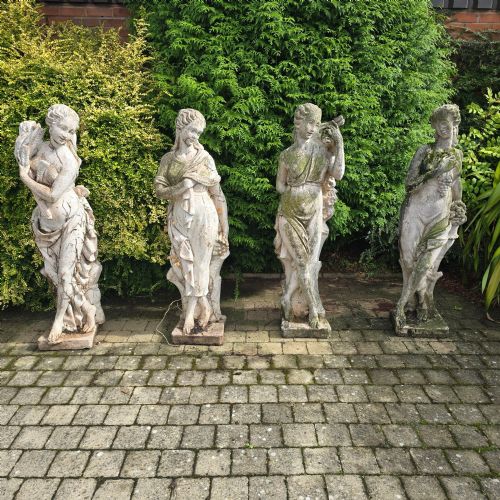
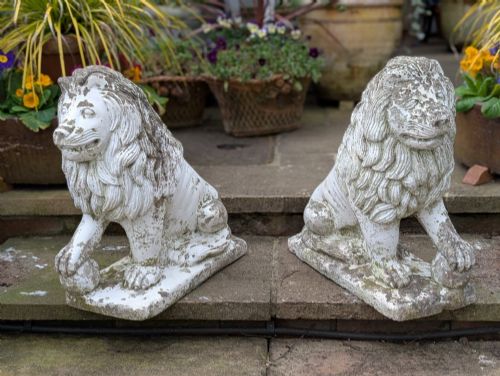
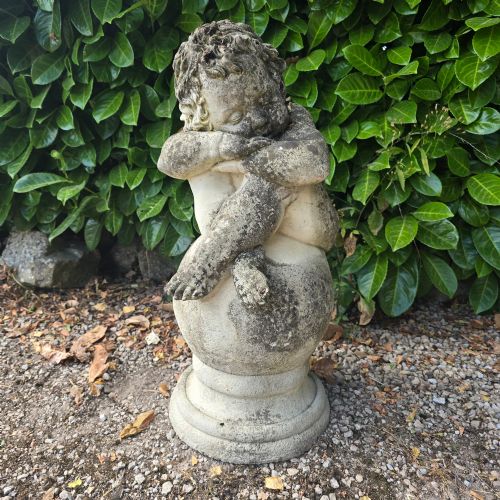
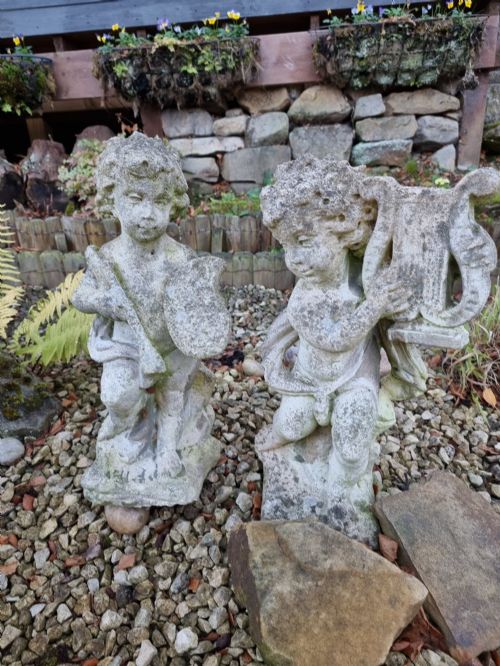
A cast stone garden statue represents a durable tradition of outdoor ornamentation, spanning distinct forms such as classical figures, guardian lions, and animal studies. When exploring a cast stone garden statue, you encounter works ranging from Victorian pieces to mid-century creations from nineteen-fifty.
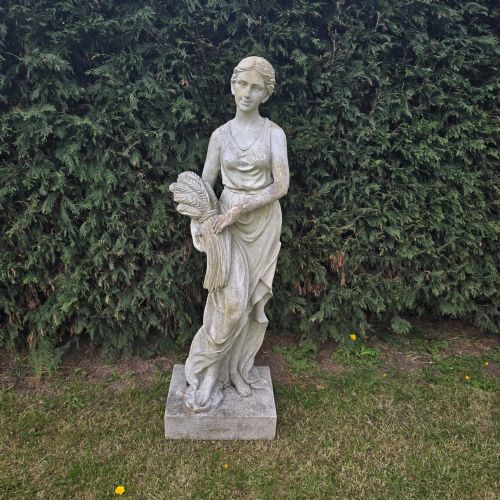
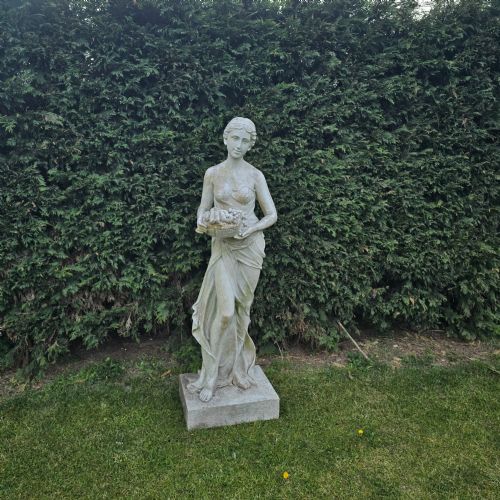
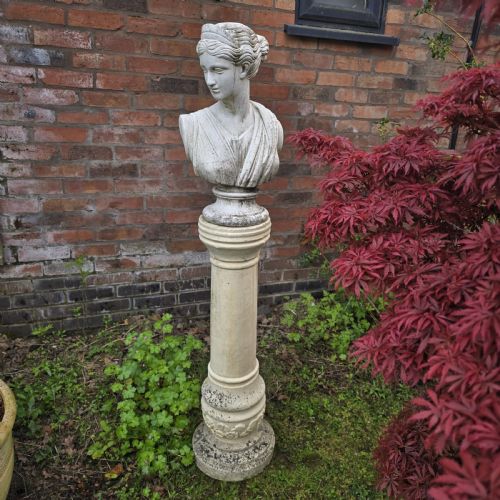
The selections on this page draw heavily upon classical and English country house traditions. Figures depicting the four seasons, mythological subjects like Venus and Athena, and architectural elements such as gate finials dominate the available forms.
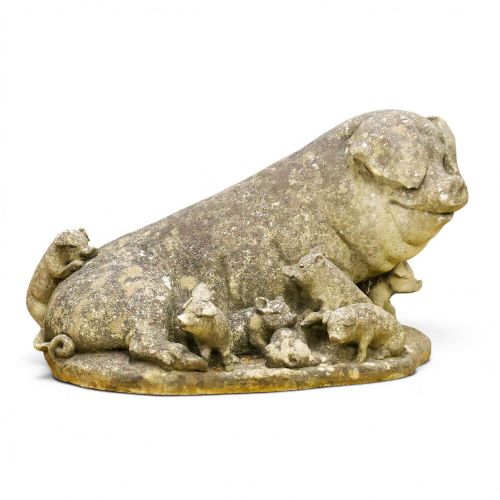
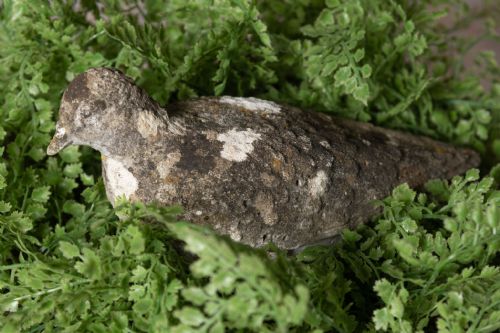
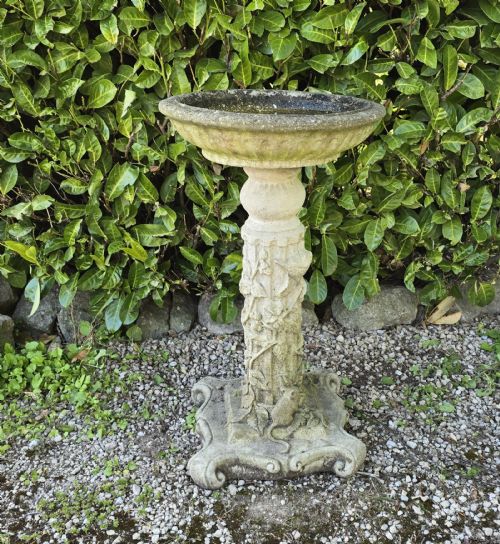
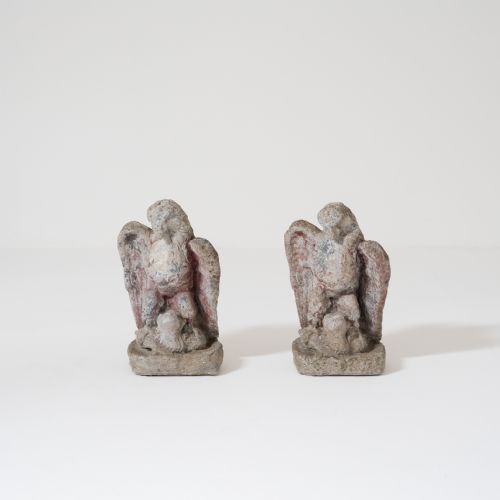
Many examples arrive complete with pedestals or plinths, designed to elevate the sculpture within a garden landscape. Animal figures, including eagles, pigs, pigeons, and seated lions, appear frequently alongside human representations.
What varies in quality
The degree of natural weathering significantly affects the visual appeal of each piece. Surfaces that have aged gracefully outdoors develop an authentic patina, whereas inferior or poorly stored specimens may show uneven degradation of the constituent concrete and paint.
Listings feature materials including reconstituted stone, concrete, composition stone, stoneware, and painted surfaces across multiple decades.
The Cast Stone Garden Statue Glossary
- Cast stone
- A refined building product manufactured from aggregate and cement, designed to mimic natural quarried stone. It provides a durable medium for intricate garden ornaments.
- Composition stone
- A proprietary term used by makers for moulded aggregate mixes resembling natural stone. This material allowed workshops to produce robust statues and finials efficiently.
- Finial
- An ornamental crowning detail placed on pillars, gate posts, or walls. In garden architecture, these often take the form of stone lions or eagles.
- Plinth
- A heavy base or pedestal that supports a bust, urn, or garden statue. Raising sculpture on a plinth protects it from ground moisture and improves sightlines.
Cast Stone Garden Statue: Frequently Asked Questions
How do I clean a cast stone garden statue?
Gentle washing with water and a soft brush removes accumulated dirt and organic growth without damaging the surface.
Avoid harsh pressure washers or chemical cleaners that can erode the outer layer of the reconstituted stone or strip original paint.
Can these statues stay outside in winter?
Most cast stone and concrete pieces withstand normal winter weather, provided they do not sit in standing water that could freeze.
Lifting figures off the ground onto small feet or paving slabs prevents moisture absorption during prolonged freezing conditions.
How do I identify the age of a garden statue?
Age is determined by stylistic cues, material composition, and the depth of natural weathering present on the surface.
Victorian and early twentieth-century examples often display distinct casting techniques and lichen growth that differ from mid-century production methods.
Are these statues solid stone?
They are composed of cast aggregates, concrete, or composition stone poured into moulds rather than carved from a single block.
This method produces substantial weight and structural strength suitable for permanent outdoor display.