



Galle Art Nouveau Glass
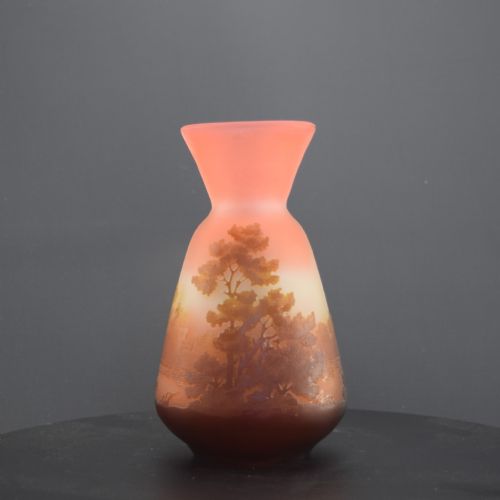
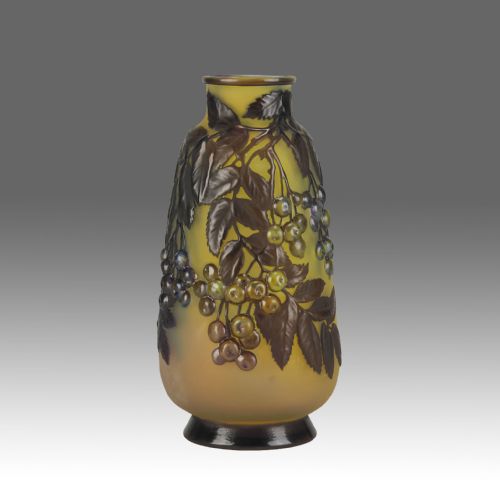
These Galle art nouveau glass pieces bring botanical and landscape motifs into the home through layered, coloured vessels.
Galle Art Nouveau Glass
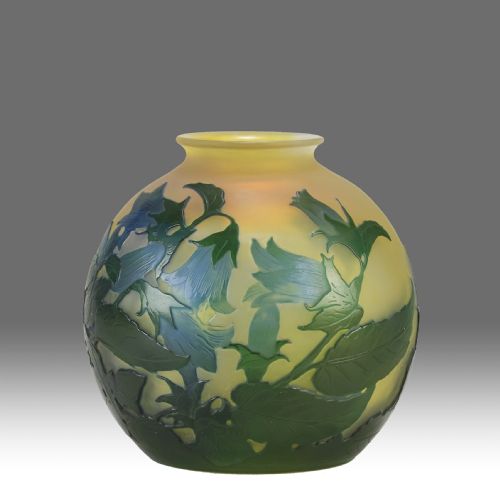
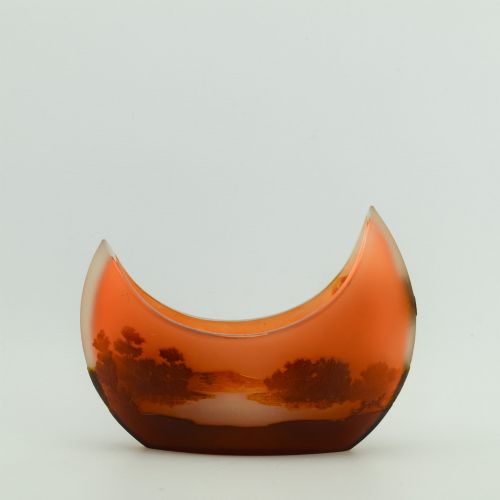
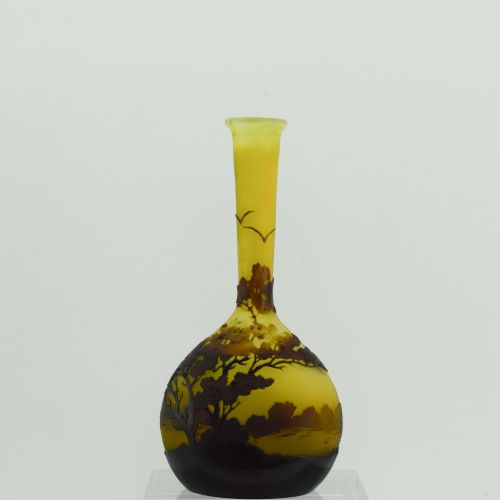
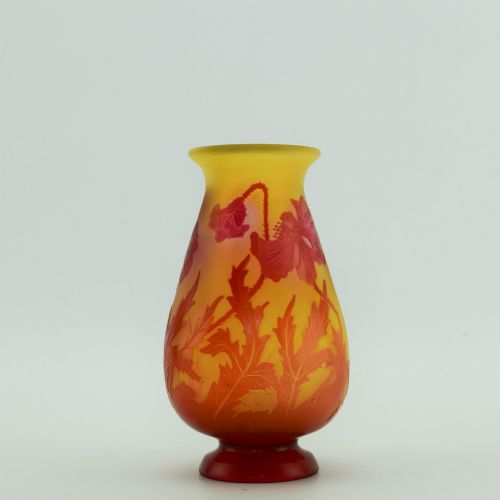
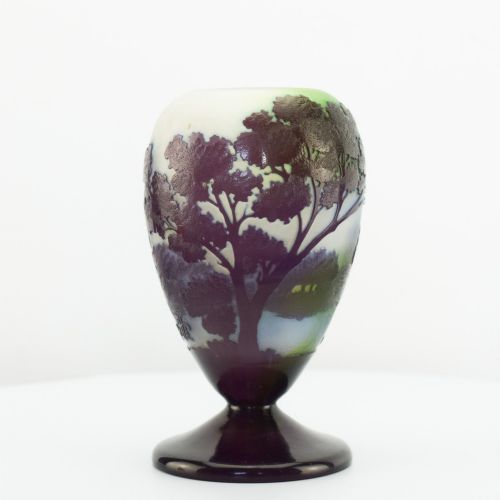
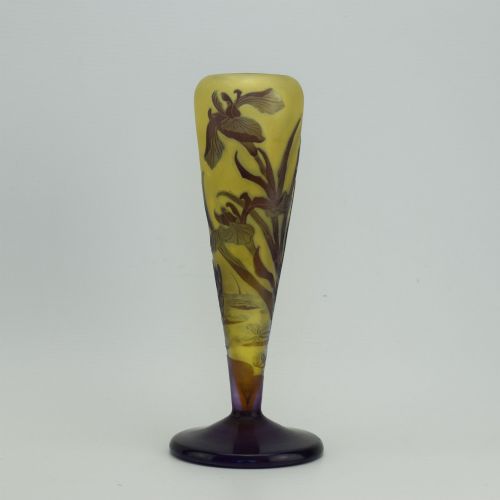
When you search for galle art nouveau glass, you encounter vases created across the early twentieth century, spanning decades from nineteen hundred to nineteen thirty. The pieces on this page are predominantly vases shaped as banjos, crescents, or footed vessels.
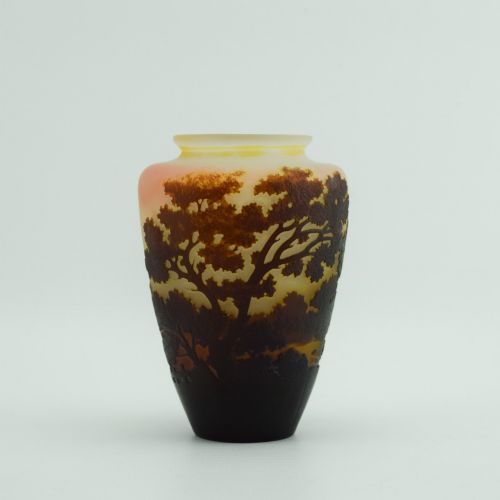
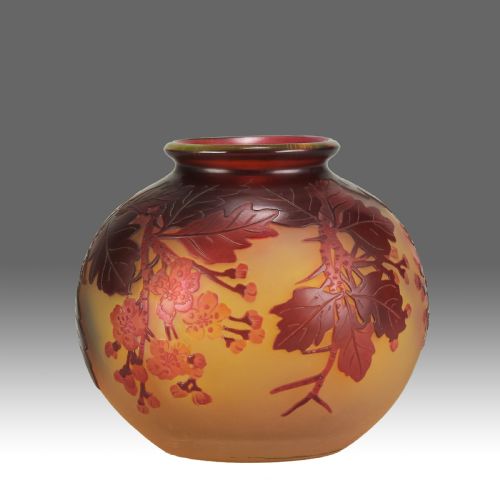
The decorative schemes draw heavily from nature, showcasing floral subjects like cornflowers, poppies, hydrangeas, and irises alongside woodland and aquatic scenes. These works capture the quintessential aesthetic of the movement through organic forms and naturalistic subjects.
Materials and techniques
The makers utilised cameo glass, acid-etched glass, frosted glass, etched glass, and blown glass to achieve depth and texture. Acid-etching ate away layers of coloured glass to reveal intricate botanical and landscape designs in relief.
Specialised techniques such as soufflé or blow-out methods expanded glass into metal moulds to create sculptural vessels adorned with clematis and other floral motifs.
Listings feature pieces spanning the decades from nineteen hundred to nineteen thirty, executed in cameo, acid-etched, frosted, etched, and blown glass.
Judging quality and execution
Quality rests upon the crispness of the acid-etching and the subtlety of colour transitions across the layered glass. Superior examples display harmonious palettes, such as brown and peach or delicate shades of orange, paired with intricate botanical detailing.
The complexity of the form and the depth of the cameo relief dictate the standing of a piece within the range. Larger or specialised shapes, such as banjo vases and soufflé vessels, demonstrate advanced technical ambition.
Emile Gallé
The Galle Art Nouveau Glass Glossary
- Cameo glass
- A vessel formed of multiple layers of coloured glass fused together, where outer layers are carved or acid-etched away to create a raised design. This technique allows for striking contrast between the background and the foreground motif.
- Acid-etched glass
- Glass decorated by applying acid to eat away specific areas of the surface. It provides precise control over depth and texture in botanical patterns.
- Soufflé glass
- A technique where glass is blown into a mould to capture voluminous shapes and high-relief decoration. It is also known as blow-out glass.
- Frosted glass
- Glass treated to achieve a matte, non-reflective surface finish. This texture softens the appearance of underlying colours.
- Art Nouveau
- An international style of art and architecture prevalent in the late nineteenth and early twentieth centuries. It is characterised by sinuous lines and motifs inspired by natural forms.
Galle Art Nouveau Glass: Frequently Asked Questions
What is galle art nouveau glass?
It encompasses decorative glass vessels produced by the workshop of Emile Gallé during the early twentieth century. These works are defined by multi-layered cameo techniques and naturalistic motifs.
The pieces utilise acid-etching and blowing methods to render flowers, trees, and landscapes in glass. They represent a pinnacle of decorative arts from the period.
How were these glass vases made?
Artisans fused multiple layers of coloured glass together before applying acidic solutions to etch away the exterior layers. This process revealed contrasting designs in relief.
More complex pieces involved blowing hot glass into moulds to create voluminous, three-dimensional forms like the soufflé or blow-out vases.
How do I date a galle vase?
Dating relies on stylistic markers, signature formats, and the types of motifs depicted across different decades. Pieces span from nineteen hundred through the nineteen thirties.
Early twentieth-century examples often feature dense floral or landscape cameo work, while later pieces reflect evolving stylistic tendencies within the workshop.
How should I display them at home?
Place vases where natural light can pass through the layered glass to illuminate the colours and etched details. Positioning them near windows or on illuminated shelves enhances the depth of the cameo work.
Ensure they sit securely on stable surfaces away from high-traffic areas, as these glass objects require careful placement to prevent accidental damage.