



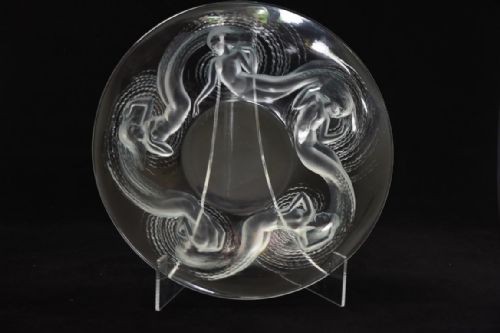


Frosted Glass Centrepiece Bowl
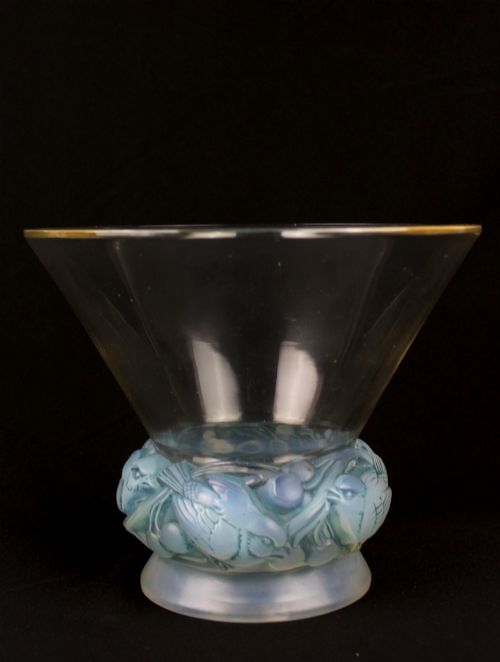
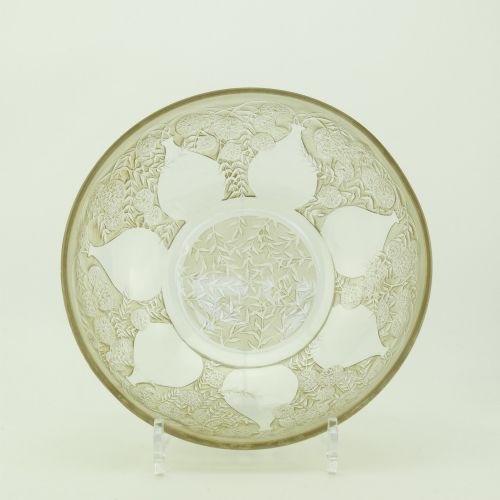
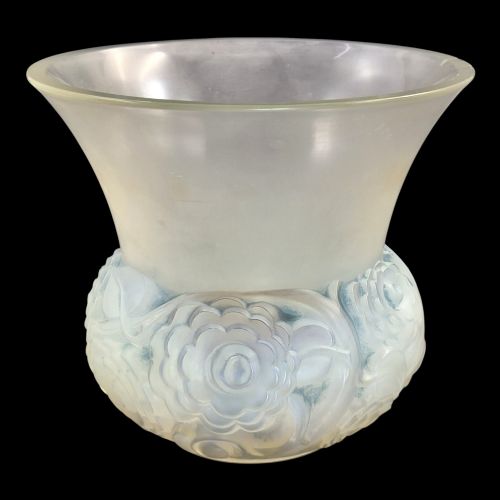
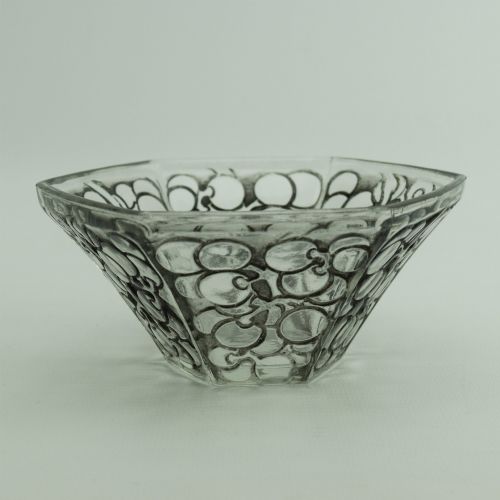
These frosted glass centrepiece bowl examples offer striking sculptural forms for your table, bringing period glasswork into daily view.
Frosted Glass Centrepiece Bowl
A frosted glass centrepiece bowl brings decorative glasswork to the middle of a table, often taking the form of large footed vessels, shallow coupes, or moulded plates. You will frequently encounter pieces originating from the early decades of the twentieth century, alongside nineteenth-century examples paired with carved wood or crystal.
The selections span distinct historical movements, including Art Deco, Art Nouveau, and Victorian design aesthetics. Makers from France and Britain dominate the available forms, utilising opalescent, patinated, and clear glass.
Beyond standard bowls, the category includes related table centrepieces, epergnes, and decorative vases designed to serve as focal points in a room. The variety encompasses both moulded signature pieces and combined media objects featuring carved wooden mounts.
Materials and construction
Moulded and pressed glass techniques define the majority of these pieces, allowing for deep relief decoration such as flower heads, fish, and geometric patterns. Artisans achieved the characteristic matte or satin surface through acid-etching or sandblasting clear and opalescent glass blanks.
Certain works incorporate staining, enamelling, or patination to highlight the moulded details against the translucent body. Nineteenth-century variants often combine cast crystal elements with carved wood supports such as Black Forest frames.
Frosted Glass Centrepiece Bowl Retail Price Guide 2026
Typical asking prices for frosted glass centrepiece bowl among the pieces listed under this phrase on Sellingantiques today, from the lower quarter to the upper quarter. They describe what is for sale here now, not the wider market.
The listings feature glass bowls and centrepieces spanning from the late nineteenth century through the Art Deco period of the 1920s and 1930s.
Assessing the work
The crispness of the moulded relief and the depth of the surface treatment distinguish superior examples from standard production. Details such as hand-applied staining or precise enamelling add significant visual complexity to the glass surface.
The integration of mixed materials, where glass meets carved wooden mounts or patinated metal frames, dictates the overall execution of the centrepiece. The clarity of the base material, whether opalescent, grey stained, or clear crystal, influences the play of light across the bowl.
Rene Lalique·Julien Glass·Baccarat Crystal·JOBLING OPALIQUE·WMF
The Frosted Glass Centrepiece Bowl Glossary
- Opalescent Glass
- Glass that diffuses light to display a milky, milky-blue, or fire-like appearance across its surface. This optical effect shifts tone depending on the angle of illumination.
- Patinated Glass
- Glass treated with surface coatings or chemical applications to impart an aged, darkened, or coloured tone to recessed areas. This technique accentuates the moulded design.
- Coupe
- A broad, shallow bowl mounted on a short stem or foot. It serves as a classic vessel shape for decorative display.
- Art Deco
- A design style characterised by sleek geometric shapes, stylized floral motifs, and streamlined forms popular during the interwar period. It marks a distinct departure from organic Victorian ornamentation.
Frosted Glass Centrepiece Bowl: Frequently Asked Questions
How do I clean my frosted glass centrepiece bowl?
Wash the glass gently in warm water using a mild, non-abrasive detergent and a soft cloth. Avoid harsh scrubbing brushes that can scratch the delicate frosted or enamelled surfaces.
Dry the vessel thoroughly with a lint-free cloth to prevent water spots from forming on the textured areas.
What is the difference between opalescent and frosted glass?
Frosted glass has an acid-etched or sandblasted matte surface that diffuses light uniformly across the body. Opalescent glass contains ingredients that create an internal milky or fire-like colour change when struck by light.
Many centrepieces combine both properties, utilising opalescent relief against a translucent background.
How were these bowls used historically?
These vessels served as ornamental dining table centrepieces, often filled with fruit, floating flowers, or decorative water displays. They were designed to catch the light and command attention in the middle of a formal setting.
Later, many transitioned into pure cabinet display pieces to protect their delicate moulded surfaces.
Can I use my bowl to hold water or flowers?
Most glass bowls can hold water safely, but you should inspect the interior for any manufacturing flaws or historic hairline cracks first. Avoid exposing older glass to sudden temperature changes, which can cause thermal shock.
For pieces with stained or enamelled highlights, prolonged water exposure should be kept to a minimum to protect the surface work.