

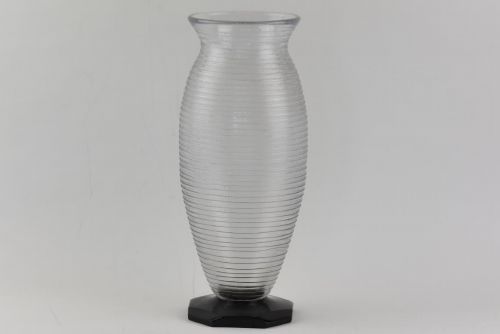


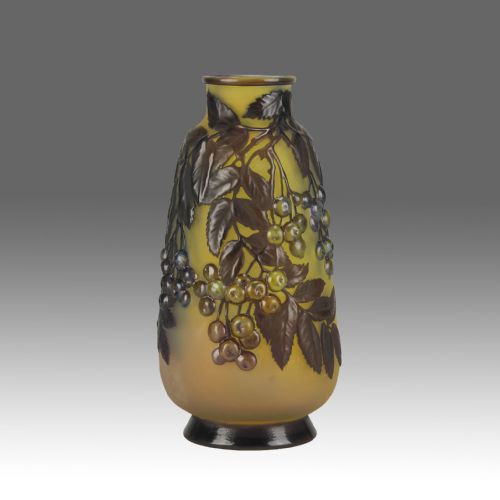


Frosted Etched Vase
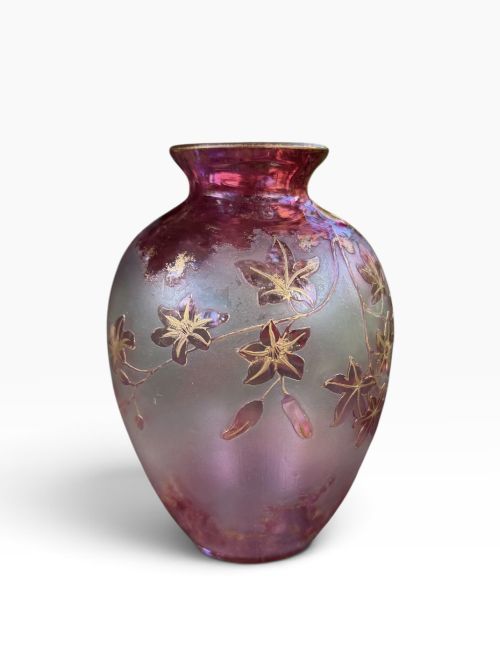
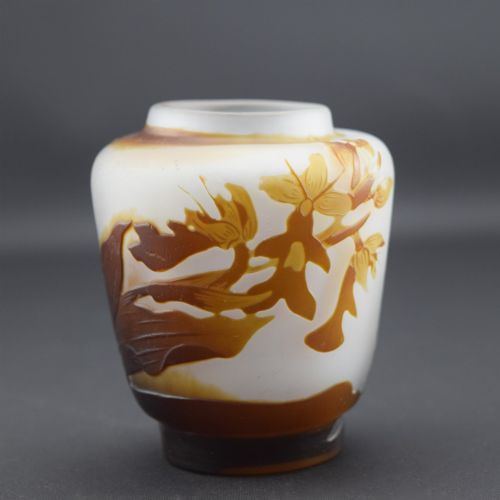
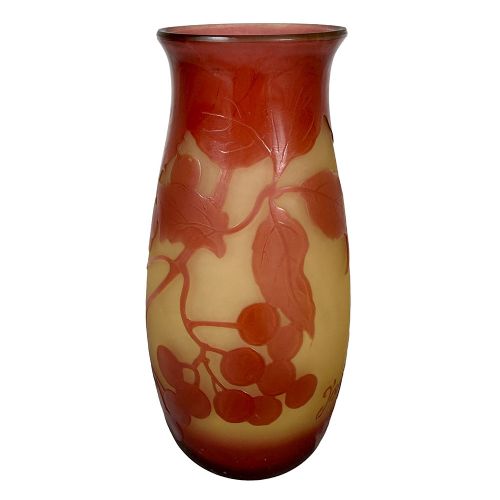
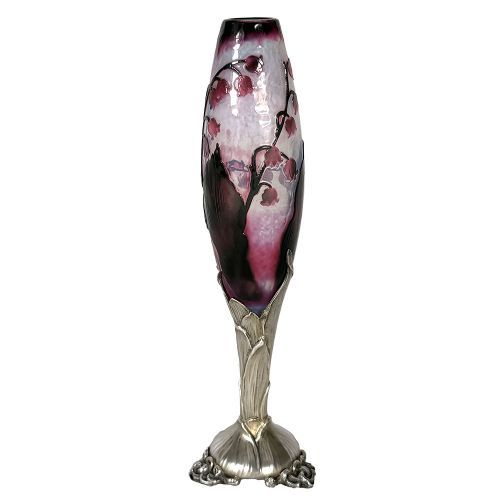
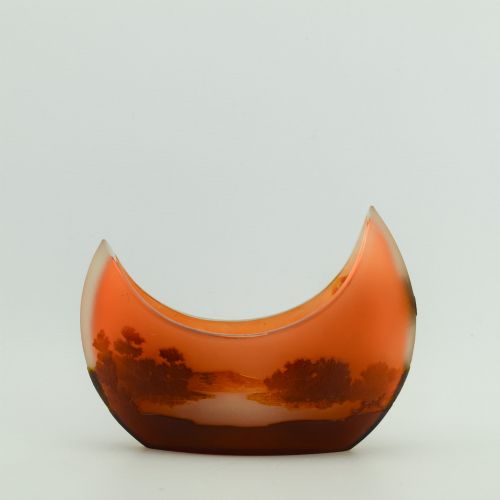
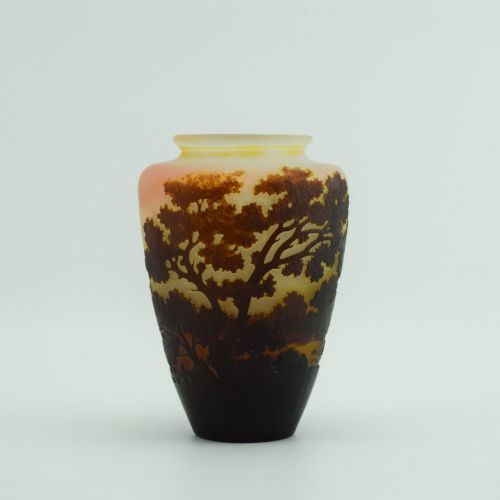
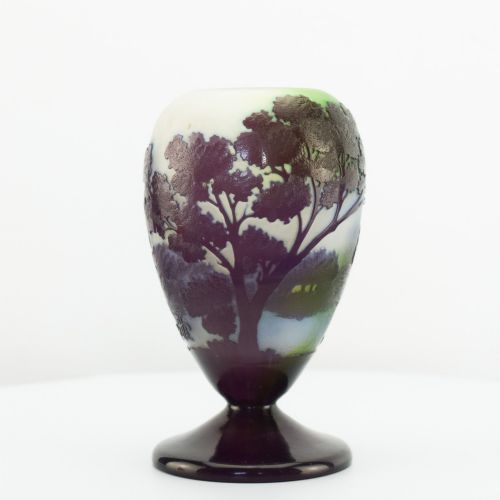
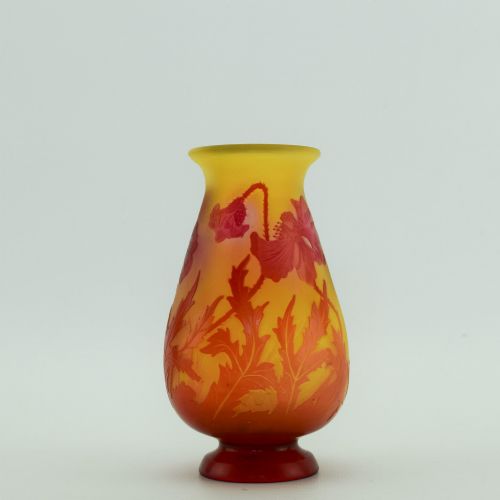
These frosted etched vase examples bring tactile surfaces and botanical motifs directly into a room, offering genuine decorative presence.
Frosted Etched Vase
A frosted etched vase typically displays matte, textured surfaces shaped across various periods from the nineteenth century through the 1930s. When exploring a frosted etched vase selection, collectors frequently encounter pieces spanning the Victorian era, Art Nouveau, and Art Deco movements.
The objects take diverse physical forms, ranging from standard vessels to table centrepieces and banjo shapes. Most originate from French workshops and British makers, showcasing naturalistic floral and landscape subjects.
The examples gathered here demonstrate how distinct artistic movements reinterpreted glass surface treatment over decades. Buyers find everything from delicate poppy designs to bold geometric patterns.
Materials and construction
Makers utilised blown glass, cameo glass, and cut crystal as the foundational material for these vessels. Acid treatment and carving created the signature matte, frosted appearance characteristic of the genre.
Enamel and multi-layered glass techniques added depth and contrasting colour to botanical motifs like cornflowers, hydrangeas, and sweet peas. Artisans manipulated the glass surface physically and chemically to achieve the desired tactile contrast.
Frosted Etched Vase Retail Price Guide 2026
Typical asking prices for frosted etched vase among the pieces listed under this phrase on Sellingantiques today, from the lower quarter to the upper quarter. They describe what is for sale here now, not the wider market.
The inventory spans the Victorian era, nineteenth century, and early decades of the twentieth century, focusing on Art Nouveau and Art Deco styles.
Assessing quality and execution
Superior examples demonstrate meticulous depth in the cameo carving and precise application of enamel details. The clarity of the underlying glass and the crispness of the acid-etched contours distinguish master works from standard production.
The sophistication of the botanical design, whether depicting delicate ferns or sweeping landscapes, dictates the artistic standing of the piece. Proportion, balance, and the harmonious integration of form and surface texture separate exceptional vessels from ordinary items.
Gallé·Daum·Thomas Webb and Sons·Legras·Paul Nicolas
The Frosted Etched Vase Glossary
- Cameo Glass
- Glass formed with multiple layers of different colours, carved or acid-etched to create a raised design. This technique allows intricate contrast between the background and the foreground motif.
- Acid-Etched Glass
- Glass treated with hydrofluoric acid to eat away exposed surfaces and create matte or textured patterns. It provides a tactile finish distinct from polished crystal.
- Epergne Centre Piece
- An ornamental stand or vase designed for the centre of a dining table, often holding multiple smaller vessels. They frequently combine carved crystal with materials like Black Forest wood.
- Enamel
- Opaque or translucent vitreous composition applied to glass surfaces and fused by firing. It introduces painted colour and raised decorative detail to the vessel.
Frosted Etched Vase: Frequently Asked Questions
How do I date a frosted etched vase?
Dating relies heavily on stylistic indicators such as Art Nouveau floral curves or Art Deco geometric lines. Signatures and cameo marks also help anchor pieces within specific manufacturing eras.
Examining the manufacturing technique and glass coloration further clarifies whether a piece belongs to the nineteenth century or the subsequent modernist decades.
What subjects appear on these vases?
Botanical motifs dominate the designs, featuring poppies, cornflowers, hydrangeas, ferns, and sweet peas. Landscapes and aquatic themes also feature prominently across the available glassware.
Artists drew inspiration directly from nature, translating organic forms into layered glass and etched textures.
Where were these glass pieces made?
France serves as the primary origin for many of the listed items, particularly through renowned workshops based in Nancy and Paris. British manufacturers also contributed notable cameo glass creations during the period.
European studio traditions heavily influenced the development of these frosted and etched surface treatments.
How should I display a frosted etched vase?
Positioning these vessels near natural light allows the frosted surfaces and cameo layers to catch and diffuse illumination effectively. Placing them on stable table centrepieces or dedicated shelves highlights their sculptural forms.
Keeping them away from high-traffic edges protects their delicate carved glass and enamelled details from accidental impacts.