




Fret Cut Wall Mirror
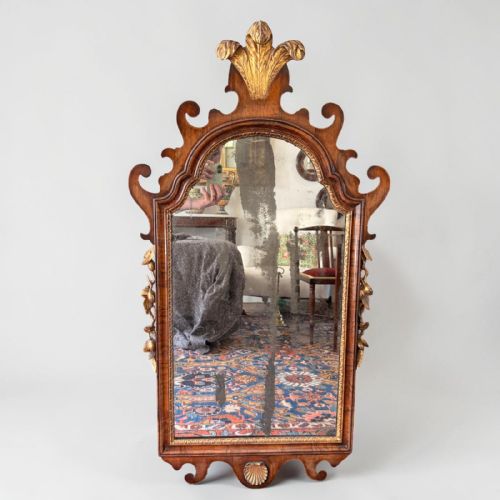
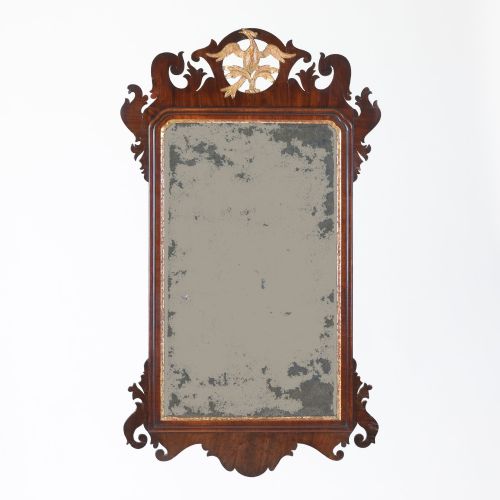
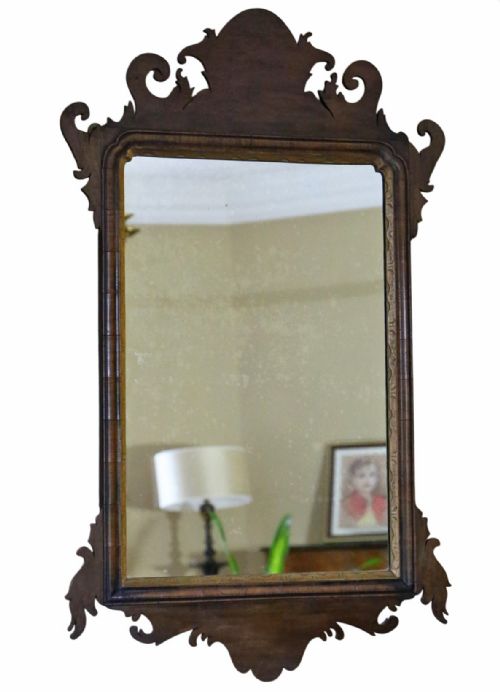
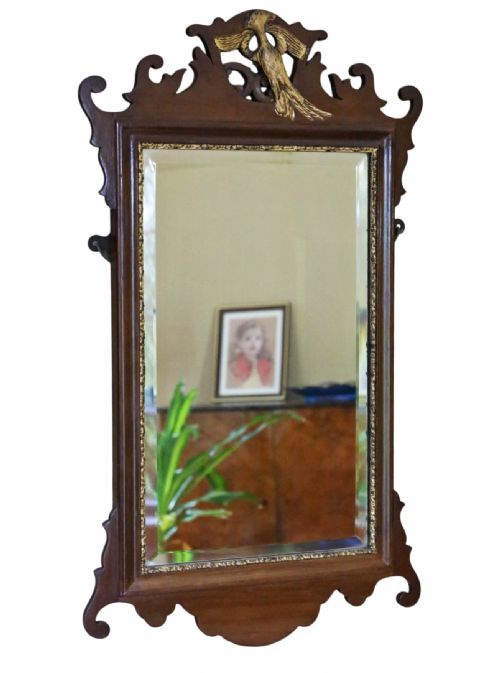
These fret cut wall mirror examples bring pierced fretwork and classic timber frames to a room, offering the proportion and craftsmanship collectors prize.
Fret Cut Wall Mirror
A fret cut wall mirror uses pierced woodwork, often featuring scrolled ears and distinctive silhouettes, to create a striking hanging piece. When you search for a fret cut wall mirror, you encounter Georgian originals alongside later revivals from the nineteenth and twentieth centuries.
The most common versions on this page are mahogany and walnut pieces built in the eighteenth-century taste, alongside Georgian Revival interpretations from the nineteen-twenties. These mirrors range from simple timber frames to elaborate designs incorporating gilt details and the iconic Ho-ho bird motif.
The forms originate primarily in the Georgian period, driven by the Chippendale style of fretwork and cabinetmaking. Later makers revived these exact proportions using walnut, mahogany, and giltwood, keeping the tradition alive across subsequent centuries.
How they were made
Makers constructed these frames using dense timbers like mahogany and walnut, frequently selecting figured veneers or flame mahogany to give the wood depth. Craftsmen then pierced the outer edge with fretsaws to create intricate scrollwork and symmetrical outlines.
Many examples incorporate giltwood or gilded accents on inner mouldings, side pendants, and crests such as the Ho-ho bird. Glass plates, sometimes original, were set within the rebate and secured behind protective wooden backs.
Listings feature pieces spanning the Georgian era up to nineteen twenty, utilising mahogany, walnut, giltwood, and bleached wood.
What varies in quality
The precision of the fretwork defines the standard of the piece, distinguishing crisp, delicate piercing from blunt or heavy-handed sawing. Superior examples maintain sharp internal corners and balanced proportions across the scrolled ears and crests.
Timber selection and surface preservation further separate ordinary items from exceptional ones. Finer mirrors display rich grain patterns in flame mahogany or walnut, retaining original gilding and historic glass plates rather than later replacements.
The Fret Cut Wall Mirror Glossary
- Fretwork
- Pierced decorative woodwork created by cutting patterns through thin boards with a saw. This technique gives these frames their characteristic silhouettes.
- Giltwood
- Timber coated with gold leaf or gold paint to highlight carved details and mouldings. It frequently appears on eighteenth-century and revival crests.
- Chippendale
- A style of eighteenth-century English furniture design known for elaborate fret cut ornament and rococo influences. Many later revival mirrors emulate these proportions.
- Ho-ho bird
- A stylized Chinese phoenix commonly carved onto the crests of Georgian mirrors. It sits atop the pierced pediment in many high-style examples.
- Flame mahogany
- Timber veneer cut from the fork of the mahogany tree to produce a flickering, flame-like grain pattern. Cabinetmakers used it on prominent surfaces for visual impact.
Fret Cut Wall Mirror: Frequently Asked Questions
How do I spot a Georgian original?
Original eighteenth-century pieces usually show appropriate timber shrinkage, old secondary woods at the back, and hand-cut joinery. Examining the construction of the frame reveals the age of the timber and backing.
Older mirrors often retain early glass plates with subtle imperfections, silvering wear, or distortion. Revival pieces from nineteen twenty generally use cleaner, flatter glass and tighter modern machinery marks.
Where should I hang a fret cut wall mirror?
These mirrors suit spaces where their vertical proportions and decorative crests can be appreciated, such as above a fireplace mantelpiece or a console table. Their pierced frames provide a strong focal point without dominating a smaller wall.
Ensure the wall fixings match the weight of the timber and the hanging loop on the reverse. Placing the mirror opposite a window helps reflect natural light around the room.
What is the difference between walnut and mahogany versions?
Walnut frames tend to date either from the early Georgian period or the nineteen-twenties revival, offering a softer, warmer brown tone. Mahogany examples span the eighteenth and nineteenth centuries, often displaying darker hues and prominent grain.
Both timbers were chosen for their stability when cut into thin fretwork patterns. The choice between them usually depends on the surrounding furniture in your room rather than a difference in craftsmanship.
Are the mirrors on the glass original?
Some eighteenth-century pieces retain their original mirror plates, which exhibit characteristic oxidation and gentle silvering loss. Many others have replacement glass fitted during their long history to maintain a clear reflection.
Both historic replacements and original plates are common in the market. Inspecting the silvering and the way the glass sits in the frame helps determine its age relative to the woodwork.