
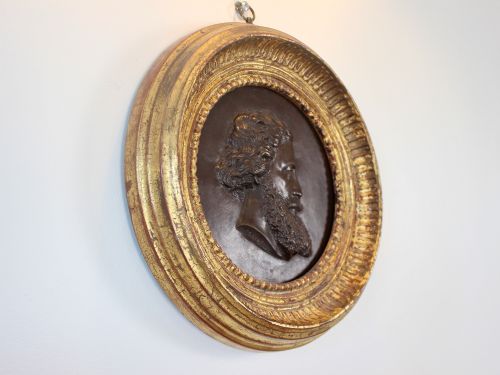


French Wall Sculpture
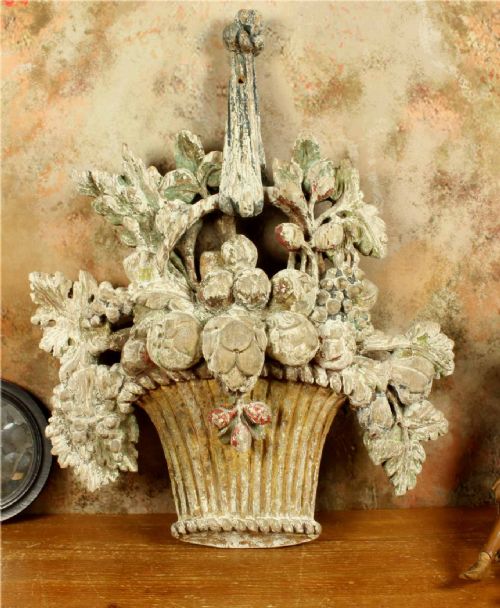
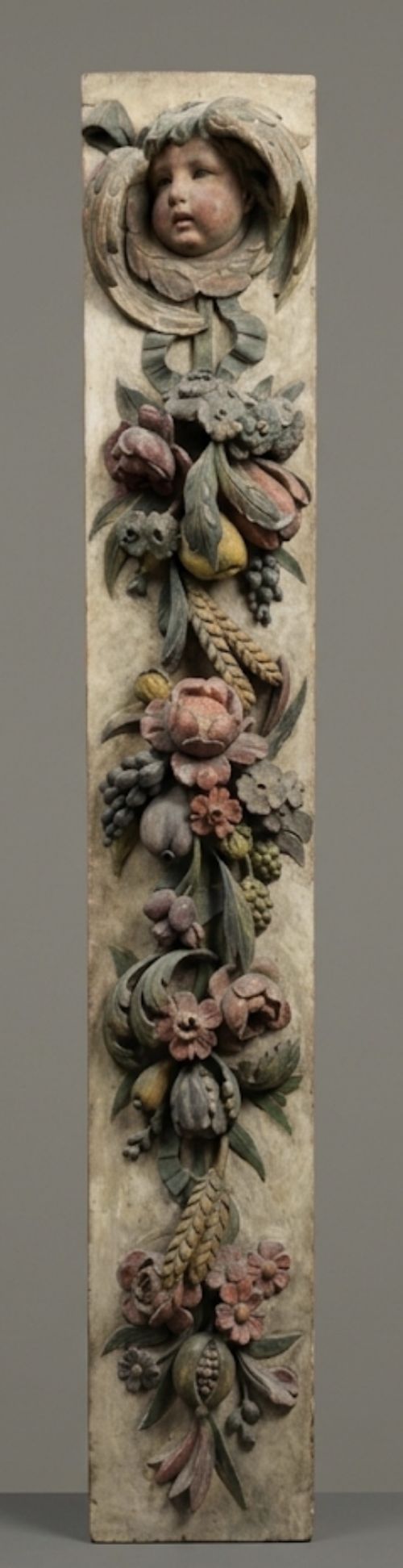
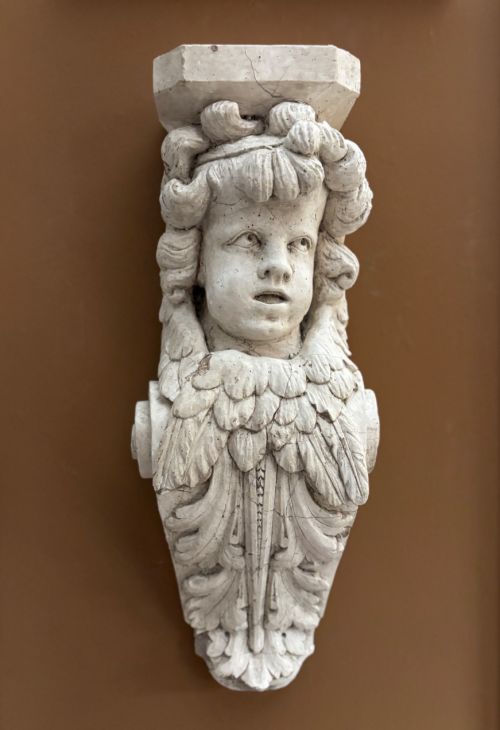
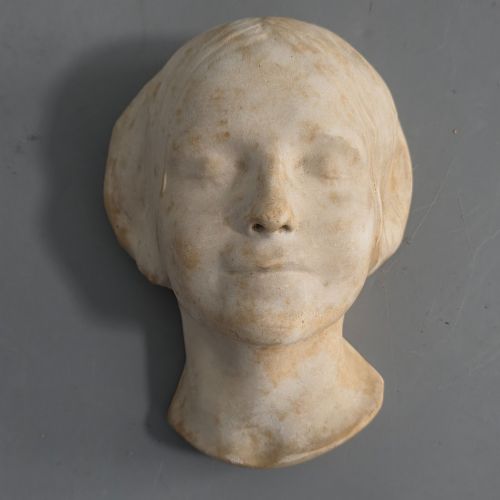
French wall sculpture brings classical depth and carved detail directly to interior spaces through reliefs, plaques, and architectural fragments.
French Wall Sculpture
A French wall sculpture encompasses a diverse selection of decorative items designed to mount directly onto vertical surfaces, ranging from architectural mounts and corbels to standalone relief carvings and figural plaques. When searching this phrase, buyers encounter pieces that span multiple centuries, reflecting the evolving aesthetic preferences of French makers from the Baroque and Neoclassical periods through to Art Nouveau and Art Deco.
Materials and Techniques
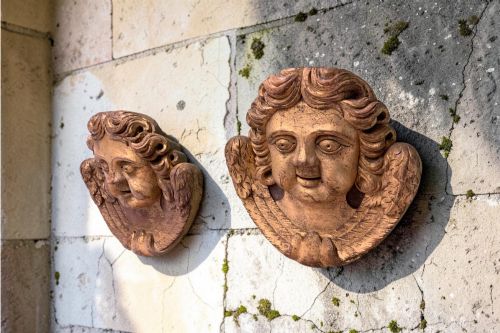
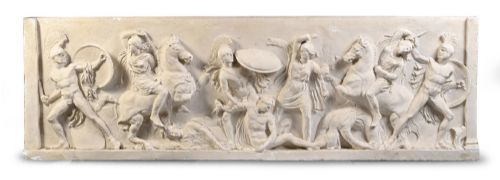
Plaster, terracotta, and alabaster served as pliable mediums for modelled reliefs, allowing artists to capture the fluid motion of figures like putti, muses, and animals before baking, painting, or mounting them on wooden backings.
Several pieces capture the permanent expressions of winged cherubs, galloping horses, and theatrical masks frozen mid-performance.
Assessing Quality and Execution
The distinction between standard decorative items and exceptional pieces rests in the sharpness of the chisel work, the depth of the relief carving, and the finesse of the surface finish. Superior examples display anatomical precision, crisply defined ornamentation, and original gilding or polychrome pigment that has aged without heavy restoration.
Lesser pieces often exhibit softened details from repetitive casting or heavy overpainting that obscures the underlying material, whereas masterworks retain the vitality of the original hand-carved or chased execution.
Poix Blin·MAINFROY·André Vincent Becquerel
The French Wall Sculpture Glossary
- Relief sculpture
- A sculptural technique where figures and ornaments project from a flat background surface. High relief projects significantly, while low relief remains closer to the plane.
- Giltwood
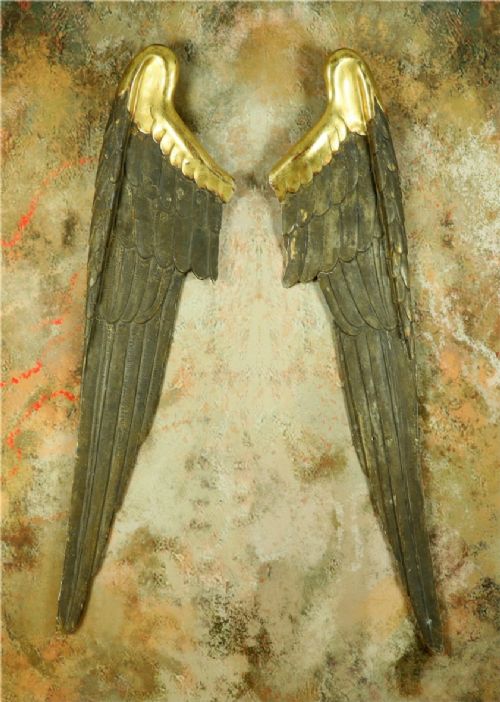
- Timber that has been coated with a thin layer of gold leaf over a prepared base of gesso and bole. It provides a durable metallic sheen characteristic of period frames and decorative carvings.
- Putto
- A representation of a plump, winged human infant, frequently appearing in Renaissance and later decorative arts. These figures often symbolise divine or playful spirit.
- Applique
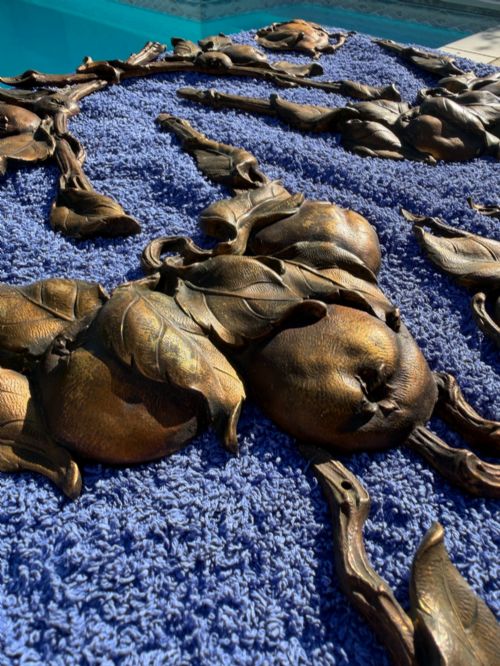
- An ornamental fitting attached to a larger surface, commonly cast in bronze or carved from wood to adorn furniture or walls. They bridge the gap between structural hardware and sculptural art.
- Terracotta
- Baked red clay utilised for modelling sculptures and wall reliefs before firing. It permits fluid artistic expression and accepts pigments readily.
French Wall Sculpture: Frequently Asked Questions
How do I hang a heavy French wall sculpture safely?
Most substantial bronze, stone, or dense carved wood pieces require reinforced mounting brackets or direct attachment to wall studs rather than standard picture hooks. Using weight-rated hardware ensures the sculpture remains secure.
Consulting a professional installer is advisable for particularly heavy items, especially those incorporating cast metal or dense plaster components.
Where should I place a wall relief in my home?
These pieces suit placement above mantelpieces, along hallway walls, or as focal points within living areas where directional lighting can emphasise their three-dimensional depth. Positioning them at eye level allows the fine details of the carving or casting to be appreciated.
Avoid areas subject to extreme humidity or direct, harsh sunlight, which can damage exposed gesso, paint, or gilded surfaces over time.
How do I clean antique giltwood and bronze sculptures?
Dusting gently with a soft, dry artist's brush or a microfiber cloth is the safest method for removing surface debris from delicate gilded and carved surfaces. Avoid liquid cleaners, abrasive pads, and chemical solvents, which strip original gold leaf and patination.
Bronze plaques benefit from occasional light dusting, but the aged patina should be left undisturbed to preserve the historical integrity of the metal.
How can I tell an 18th-century carving from a 19th-century copy?
Examining the reverse side often reveals tool marks, timber shrinkage, and construction methods characteristic of specific historical periods rather than modern manufacturing tools. Hand-wrought fixings, older nail types, and natural wood oxidation provide clues to age.
Stylistic shifts also help distinguish eras, as 18th-century Baroque and Rococo pieces display distinct asymmetrical fluidity compared to later Victorian and Neoclassical revivals.