




French Wall Plaques
These French wall plaques bring history to interior walls through carved wood, painted porcelain, and cast metal.
French Wall Plaques
French wall plaques encompass a wide range of decorative objects designed for vertical display, including architectural salvage, painted porcelain, and carved wooden panels. These pieces span multiple centuries, with significant representation from the eighteenth and nineteenth centuries, alongside early twentieth-century examples.
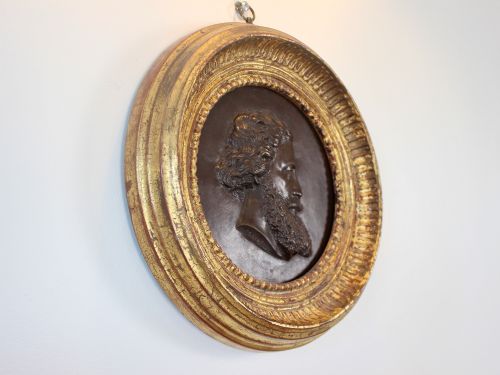
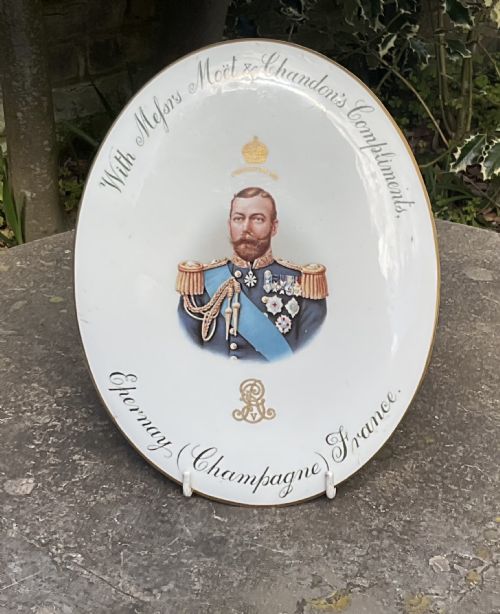
Buyers encounter various formats such as Limoges enamel, cast iron balustrade panels, ceramic tiles, and bronze portrait medallions. Styles draw heavily from neoclassical, rococo revival, and empire traditions, reflecting the changing tastes of French interior decoration across different eras.
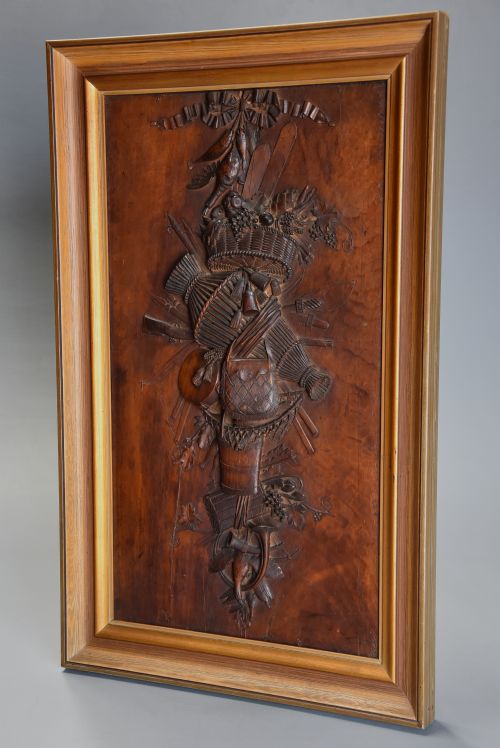
The selection includes both intimate portrait miniatures and monumental carved walnut panels or trade signs. Many items serve a purely decorative purpose, while others originate from architectural settings or commercial enterprises.
How they were made
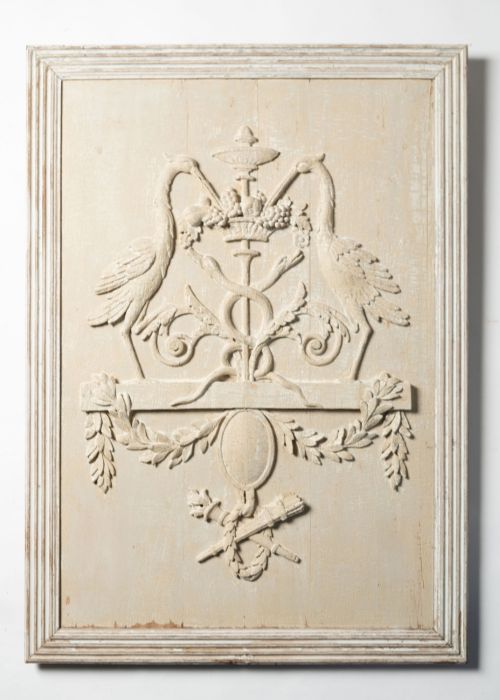
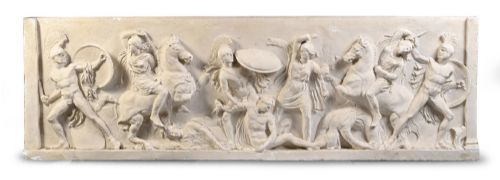
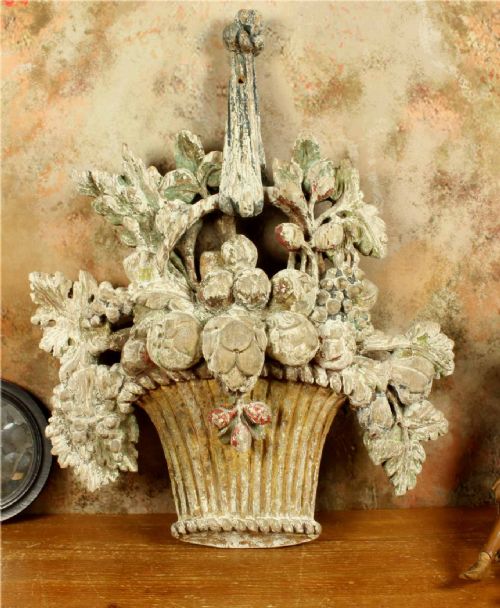
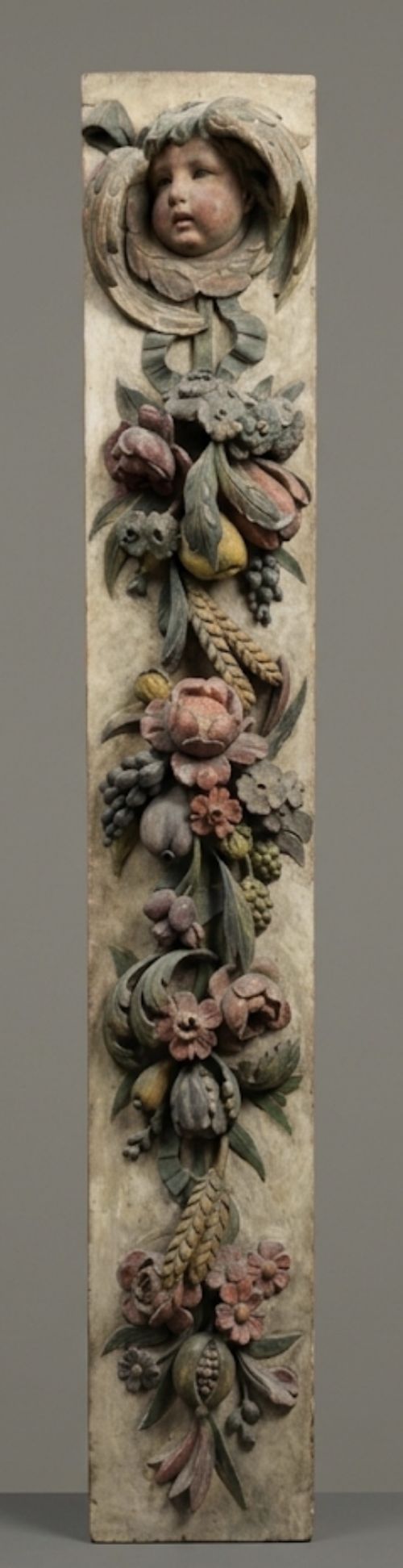
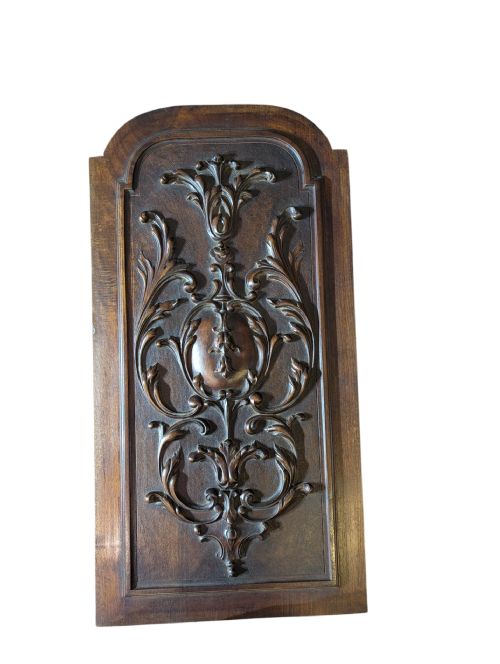
Woodworking forms a major portion of the construction, utilising fruitwood, walnut, and oak carved into floral reliefs, architectural panels, and figural scenes. Carvers employed hand tools to achieve deep undercut details and crisp moulding profiles.
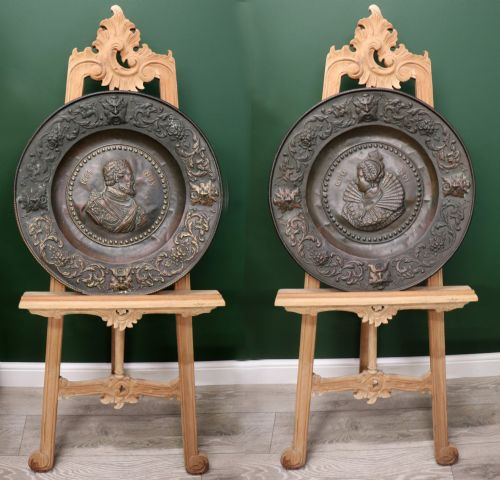
Metalwork relies on bronze, brass, copper, and cast iron, often shaped through casting, repoussé, or engraving. Enamel techniques on copper, notably from Limoges, involve fusing powdered glass to metal substrates under high heat to produce rich colouration.
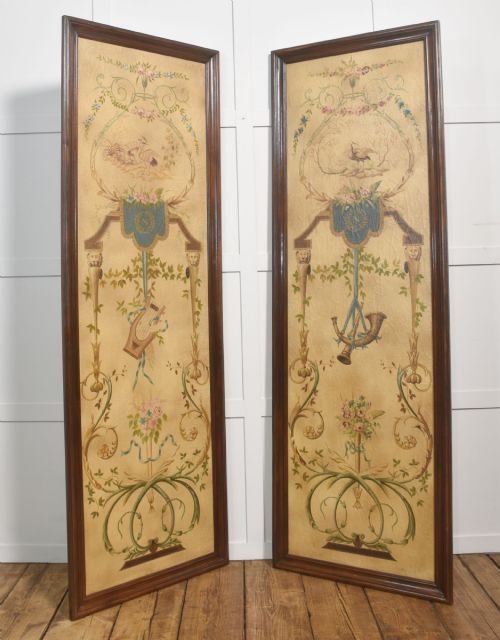
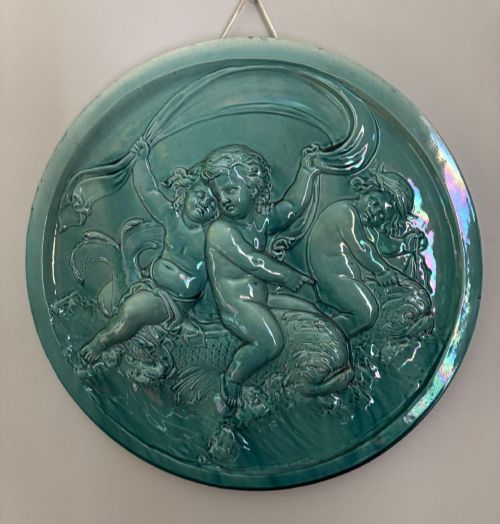
Ceramic and porcelain pieces utilise painting, glazing, and specialised methods like pate sur pate, where layers of slip build up a low relief design on a contrasting ground. Frames in giltwood, brass, or carved wood frequently complement these panels.
Listings feature works spanning the seventeenth through the early twentieth centuries, incorporating materials from cast bronze to Limoges enamel.
What varies in quality
The crispness of hand-carved details in wood and the definition in bronze castings distinguish finer examples from standard production. Artisanal execution in painted porcelain and enamel shows in brushwork precision and the depth of the fired pigments.
The integrity of the materials and the preservation of original surfaces, such as untouched patination on bronze or original polychrome on wood, dictate the standing of a piece. Associated frames and mounts that match the exact period of the plaque add to the overall cohesion.
Clement Messier·Mainfroy·Samson·J Lavergne·H Desprez
The French Wall Plaques Glossary
- Limoges enamel
- A technique of vitreous enamelling on copper originating from the French city of Limoges. These pieces often feature detailed figural scenes rendered in translucent colours over a dark ground.
- Pate sur pate
- A ceramic decorating method where successive layers of liquid clay slip are applied to a body before firing. This builds up a cameo-like relief portrait or motif.
- Repoussé
- A metalworking technique where a sheet of metal is hammered from the reverse side to create a raised design in relief. Details are subsequently refined from the front using chisels.
- Neoclassical
- A style inspired by the classical art and architecture of ancient Greece and Rome. It emphasises symmetry, restraint, and classical motifs such as swags and urns.
- Polychrome
- Decorated in a variety of colours. This term frequently describes wooden panels or ceramic plaques painted with multiple pigments.
French Wall Plaques: Frequently Asked Questions
How do I hang antique wall plaques safely?
Heavier pieces such as cast iron panels, large wood carvings, and bronze plaques require secure wall anchors and appropriate load-bearing brackets mounted directly into wall studs. Lighter porcelain plaques and enamel pieces typically rely on sturdy picture wire attached to reinforced D-rings on the back of the frame.
Position plaques at eye level and away from direct sunlight or extreme temperature fluctuations to protect organic materials like wood and delicate enamel pigments from fading or cracking over time.
What is the difference between an enamel plaque and a porcelain plaque?
Enamel plaques consist of powdered glass fused onto a metal base, usually copper, through high-temperature firing. This process produces vibrant, glossy surfaces that are resilient to fading and moisture.
Porcelain plaques are fashioned from ceramic clay fired at high temperatures and glazed, often featuring hand-painted artistic scenes or transfer printing. Porcelain offers a smoother, ceramic texture compared to the metallic substrate of enamel.
How should I clean antique wooden panels?
Dust wooden carvings and panels regularly using a soft, dry brush or a clean microfibre cloth. Avoid using water, domestic cleaning sprays, or silicone-based polishes, which can damage aged wood surfaces and degrade original patination.
Apply a microcrystalline wax sparingly only when the wood appears dry, buffing gently with a soft cloth to maintain a natural protective sheen without sealing in impurities.
Are bronze portrait plaques heavy?
Cast bronze plaques possess considerable weight relative to their size due to the density of the metal alloy. This necessitates robust wall fixings rather than standard picture hooks to support them securely.
Smaller commemorative medallions and framed sets distribute weight differently, but wall structural integrity remains an important consideration during installation.