


French Upholstered Couch
A french upholstered couch brings continental elegance into a room, offering deep comfort wrapped in historical upholstery and carved woodwork.

French Upholstered Couch
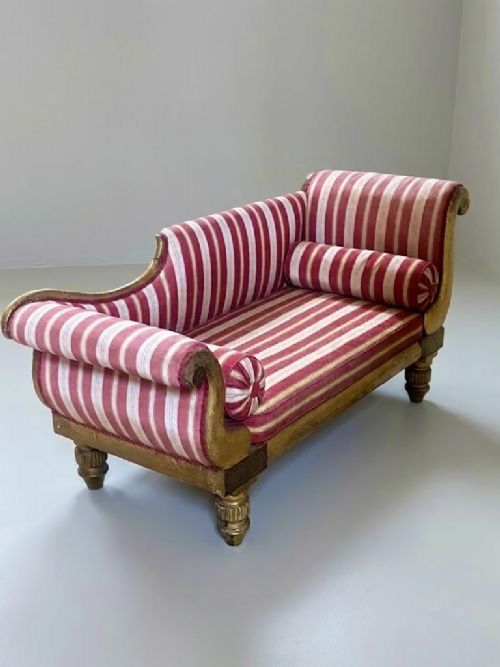
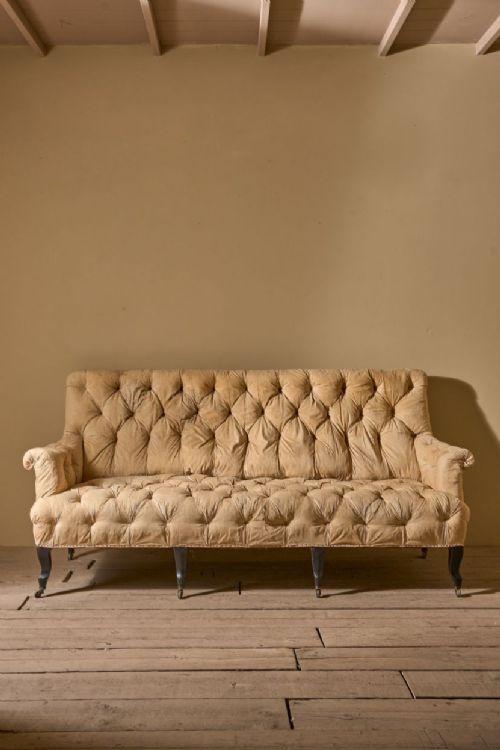
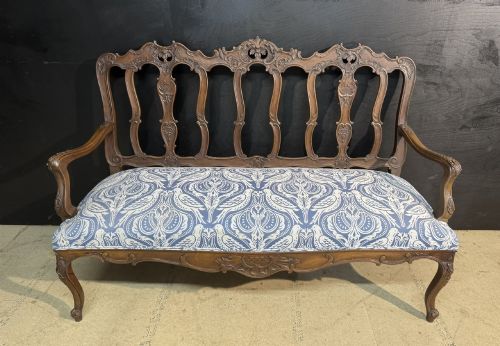
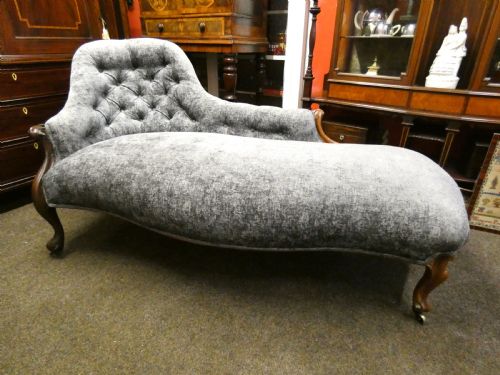
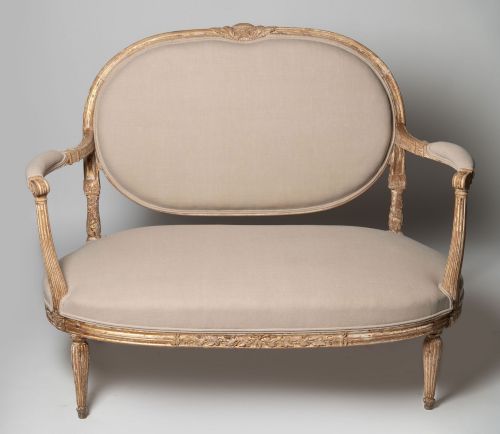
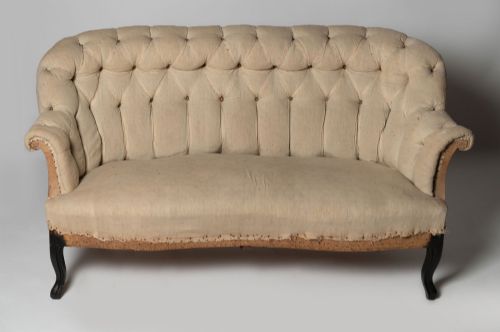
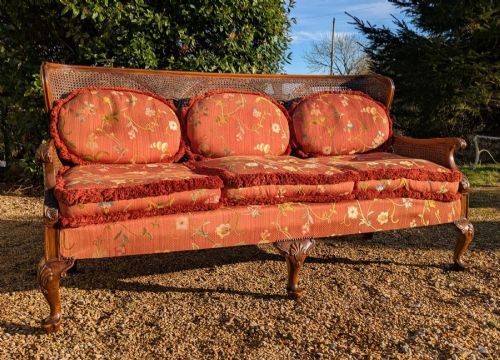
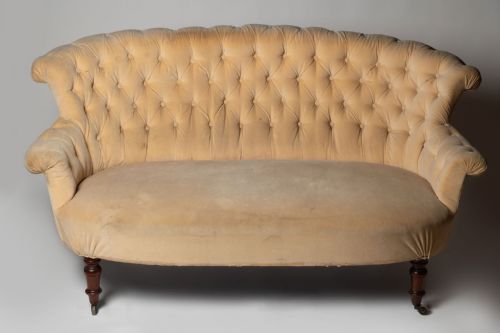
When searching for a french upholstered couch, buyers encounter a diverse selection of nineteenth-century and early twentieth-century seating designed for salons and parlours. The pieces vary in scale from small boudoir love seats and chaise longues to grand three-seater sofas and canapes.
Most examples hail from the nineteenth century, including Victorian interpretations alongside French Chateau, Rococo Revival, and Napoleon III styles. Walnut and mahogany frames frequently appear, often paired with silk, velvet, or antique striped textile coverings.
Buyers also meet daybeds, bergere sofas, and empire revival models featuring ornate carved details or ormolu mounts. These seating forms served as focal points in period reception rooms and continue to function as statement furniture today.
How they were made
Timbers such as walnut, mahogany, rosewood, and palisander form the structural skeletons of these frames, occasionally enhanced with giltwood, painted surfaces, or brass and ormolu mounts. Woodcarvers shaped the structural rails and cabriole legs into scrolling, fluted, or rococo contours.
Upholstery techniques combined traditional stuffing with textiles like silk damask, velvet, tapestry, and striped silk. Craftsmen secured the padding with buttoning, tassel trims, and precise nailing to ensure both durability and tactile softness.
Listings feature woods such as walnut, mahogany, rosewood, and giltwood paired with silk, velvet, and textile coverings across nineteenth and early twentieth-century periods.
What varies in quality
The distinction between ordinary and superior pieces rests in the crispness of the timber carving and the architectural balance of the frame. Denser hardwoods and finely hand-carved details signal a higher standard of cabinetmaking.
The integrity of the upholstery execution, from buttoned tension to the choice of textile, dictates the refinement of the finished seat. Original or period-appropriate silk and velvet coverings elevate the overall authenticity of the piece.
The French Upholstered Couch Glossary
- Canape
- An upholstered sofa or settee, typically featuring an exposed wooden frame in French period styles. These seating units provided formal comfort in nineteenth-century salons.
- Chaise longue
- An elongated upholstered chair designed for reclining, combining the functions of a seat and a daybed. These pieces frequently appear in Victorian and nineteenth-century boudoirs.
- Ormolu
- Gilded bronze mounts applied to furniture woodwork as decorative ornamentation. This technique appeared on Empire and neoclassical revival pieces.
- Bergere
- An enclosed upholstered armchair or sofa featuring built-in padded sides. These seats often incorporate feather cushions for enhanced lounging comfort.
- Giltwood
- Timber coated with a thin layer of gold leaf or gilt decoration. This finish highlighted the ornate scrollwork on formal salon seating.
French Upholstered Couch: Frequently Asked Questions
Where did these couches originate?
Many examples originate from French workshops following stylistic traditions established under various royal reigns and revivals. Makers across Britain and Europe also adopted these continental designs for local drawing rooms.
Craftsmen adapted classic Louis motifs into Victorian and Edwardian parlours, blending foreign elegance with domestic interior fashions.
How do I care for velvet upholstery?
Velvet textiles require gentle brushing to maintain the pile and prevent flattening over time. Keep upholstered couches away from direct sunlight to preserve the original fabric dye.
Professional cleaning helps maintain delicate silk and velvet fibres without damaging the internal padding or wooden frames.
Can I use these daily?
These historical couches suit everyday domestic use when placed in appropriate living spaces. Sturdy walnut and mahogany frames provide solid structural support for daily sitting.
Consider the internal cushioning and spring integrity when selecting a piece intended for frequent lounging rather than occasional display.