

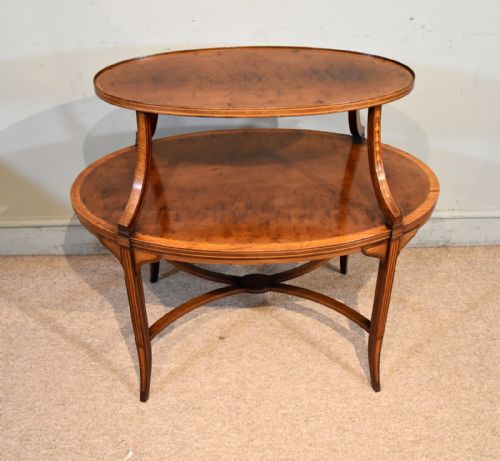


French Two Tier Table
When you seek a french two tier table, you find pieces built for display and service across nineteenth and twentieth century parlours.
French Two Tier Table
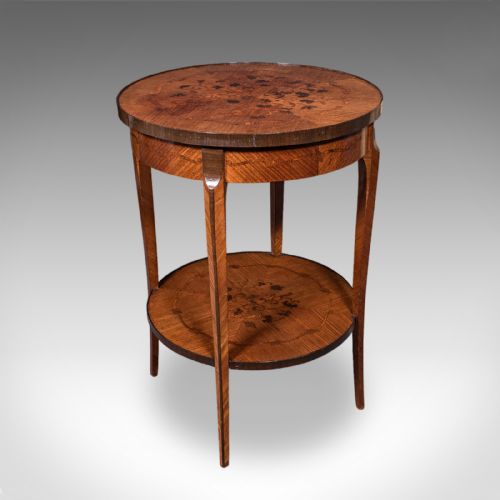
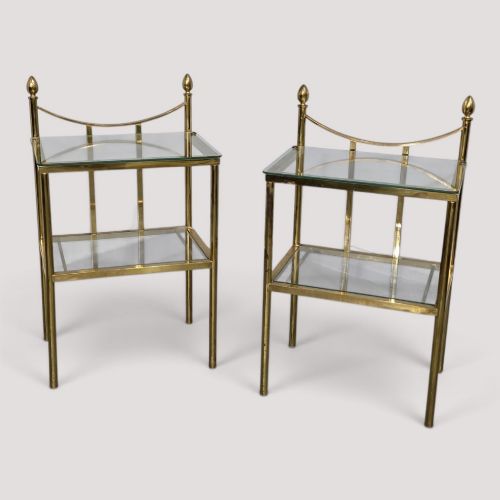
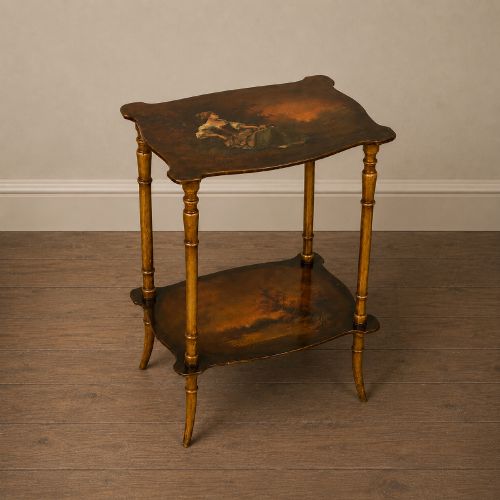
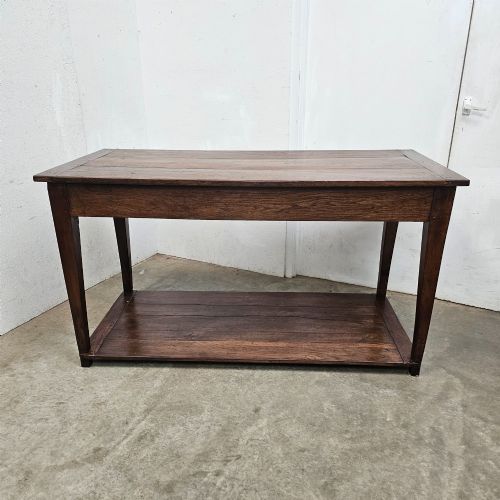
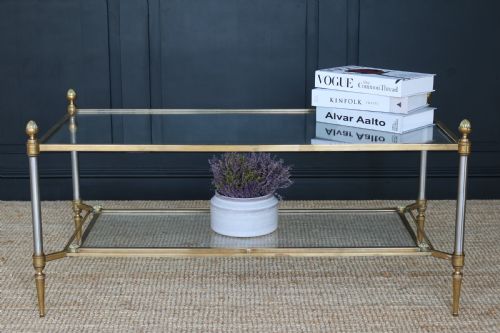
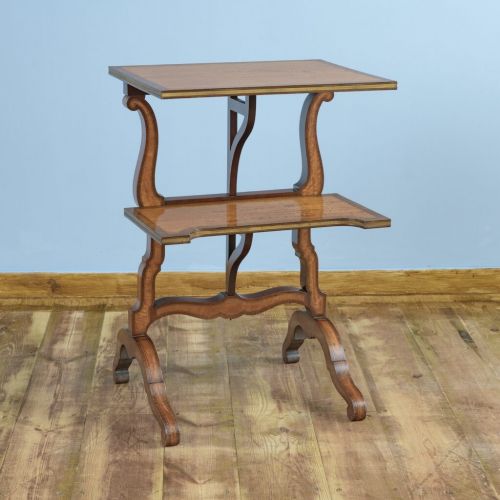
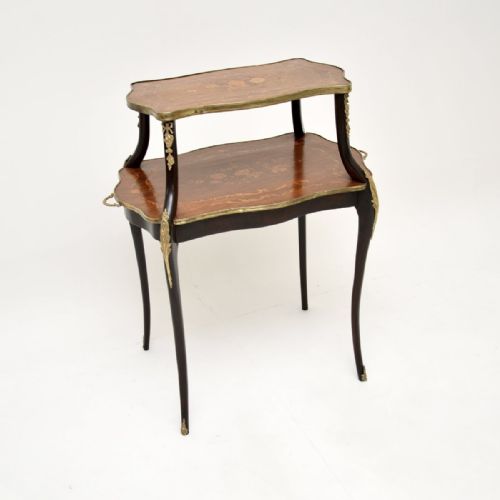
A french two tier table takes many forms on this page, appearing as occasional tables, side tables, etagères, and work tables designed with dual surfaces. These pieces emerge from periods spanning the nineteenth century through the 1930s, reflecting styles from Louis XV and XVI revivals to Art Deco and Hollywood Regency.
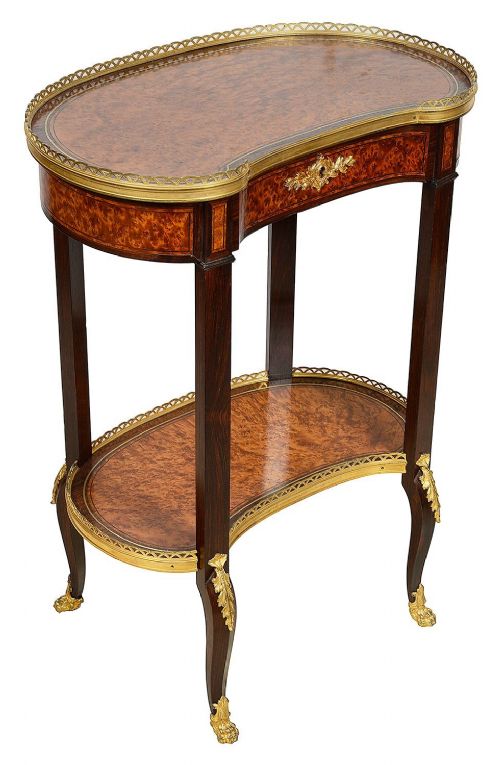
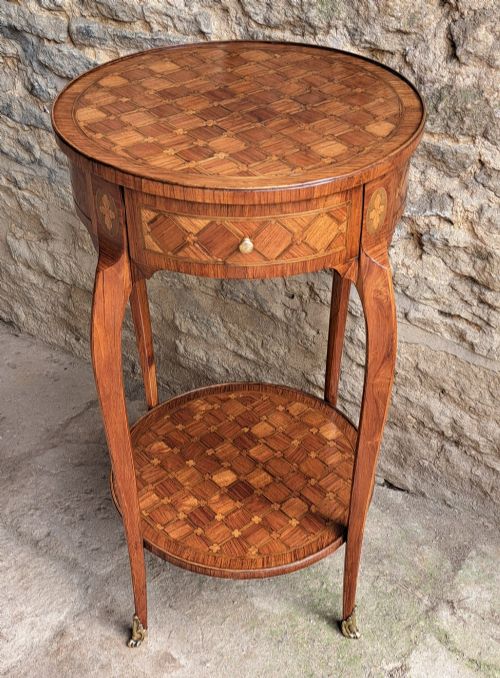
Buyers encounter variations such as round lamp tables, kidney-shaped surfaces, and larger centre pieces intended for salons and drawing rooms. The lower shelf offers additional storage or display space, which distinguishes these double-decked forms from standard single-surface tables.
Materials and construction
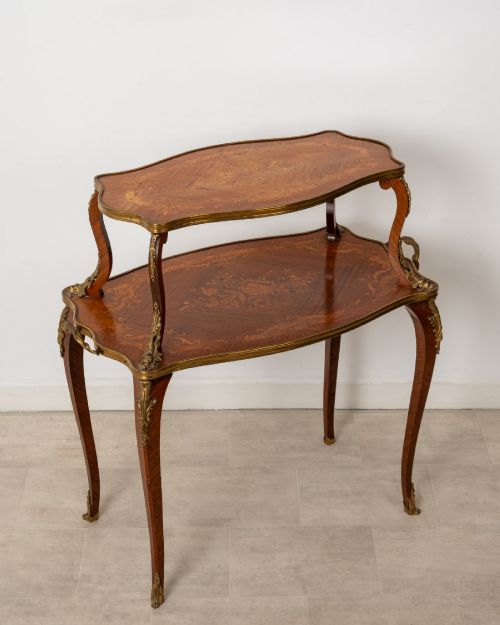
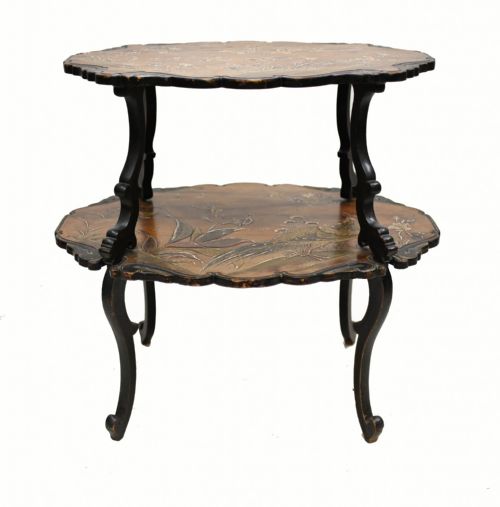
Cabinetmakers utilised rich timbers such as kingwood, mahogany, walnut, and rosewood, frequently incorporating intricate marquetry and parquetry floral or geometric patterns into the top and lower tiers. Oak and fruitwoods appear in provincial pieces, while specialised items feature japanning or hand-painted decoration.
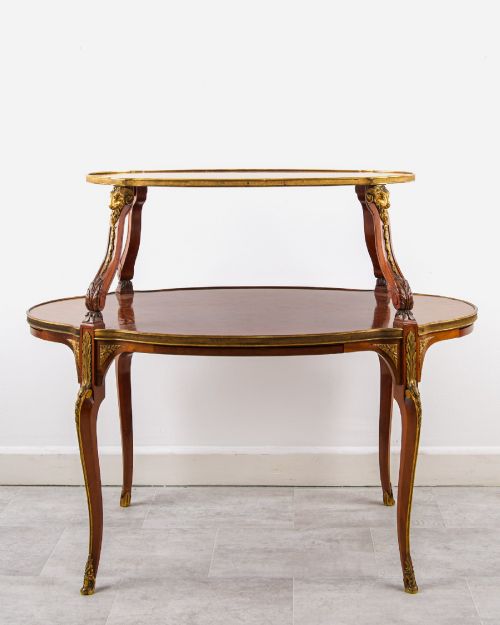
Mounts in brass, ormolu, and gilt bronze edge the platforms or form decorative galleries to secure items placed upon the tiers. Marble tops and glass inserts also feature prominently on specific nineteenth and twentieth century examples.
French Two Tier Table Retail Price Guide 2026
Typical asking prices for french two tier table among the pieces listed under this phrase on Sellingantiques today, from the lower quarter to the upper quarter. They describe what is for sale here now, not the wider market.
Listings feature woods including kingwood, mahogany, walnut, rosewood, oak, fruitwood, and satinwood across the nineteenth and twentieth centuries.
Quality and execution
Quality rests in the precision of the marquetry inlay and the crispness of the cast ormolu mounts that accent the frames. Finer examples display meticulous grain selection in veneers like kingwood and satinwood, matched with substantial bronze fittings rather than pressed metal.
The integrity of the structural joints between the upper and lower tiers determines the durability of the piece under daily use. Artisanal execution in hand-carved details and polished finishes separates standard utility tables from exceptional salon pieces.
Maison Jansen·Edwards & Roberts·Majorelle
The French Two Tier Table Glossary
- Étagère
- A set of open shelves or a tiered table designed for displaying ornaments or holding small items.
- Ormolu
- Gilded bronze ornamentation applied to furniture mounts and decorative hardware during the eighteenth and nineteenth centuries.
- Marquetry
- Decorative veneer patterns formed by fitted pieces of wood, shell, or ivory assembled into pictorial designs.
- Gueridon
- A small round table supported by one or more columns, originating in seventeenth-century France.
- Japanning
- A European imitation of East Asian lacquerwork applied to furniture surfaces to create a glossy black or coloured finish.
French Two Tier Table: Frequently Asked Questions
What rooms suit a two tier table?
These tables fit easily beside seating in living rooms or studies, where the dual surfaces hold lamps, books, or decorative objects without taking up excessive floor space.
The lower tier provides a convenient spot for magazines or small items, keeping the main surface clear for daily use.
How do I identify a revival style?
Revival pieces incorporate decorative motifs from earlier French reigns, such as cabriole legs and floral marquetry reminiscent of Louis XV.
Craftsmen in the nineteenth century reinterpreted these historical designs using contemporary veneering techniques and machine-assisted joinery.
Were these tables used for tea?
Many examples function as tea tables or work tables, built specifically to transport cups or hold sewing materials.
The raised gallery edges on certain tiers prevented porcelain or glass items from sliding off when moved between rooms.
How should I care for wood surfaces?
Polished wood and marquetry require gentle cleaning with a soft cloth to remove dust and protect the delicate veneer finishes.
Direct sunlight and excessive moisture should be avoided to prevent timber warping and fading of the natural grain colours.