




French Torchere Lights
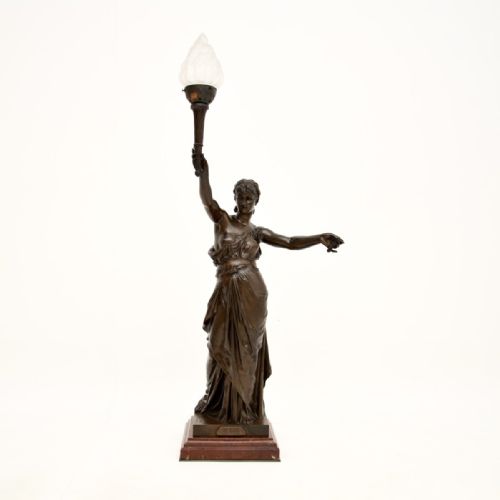
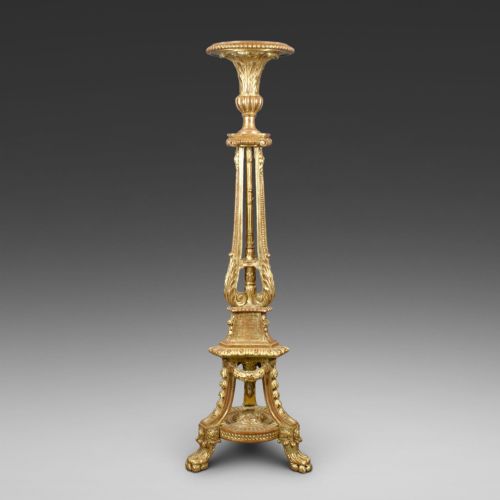
These French torchere lights bring classical drama and sculptural illumination to a room, standing as pillars of bronze and gilt.
French Torchere Lights
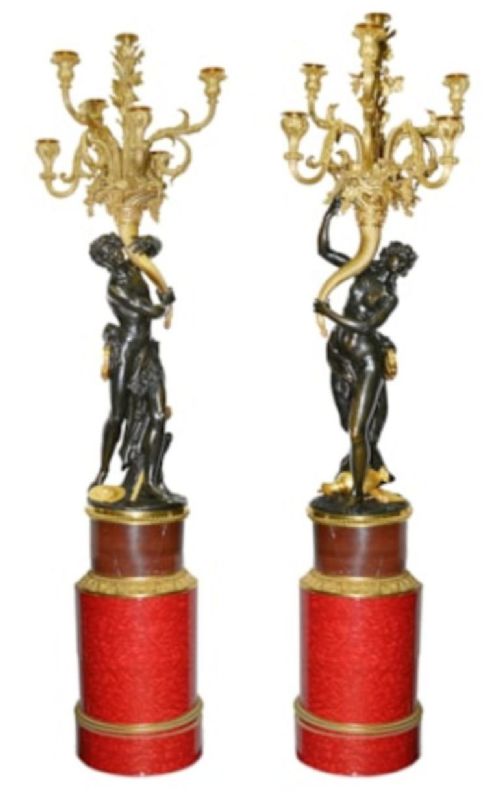
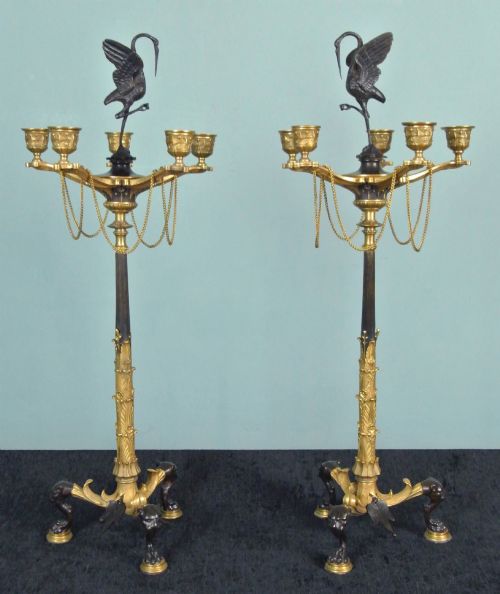
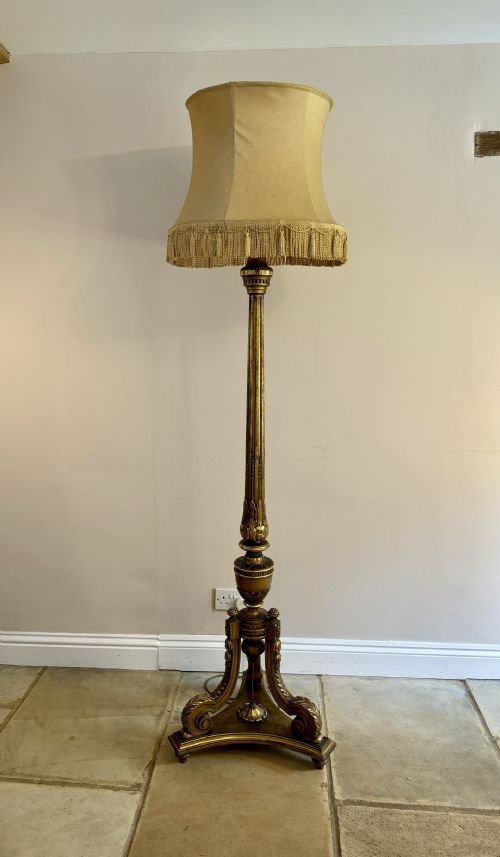
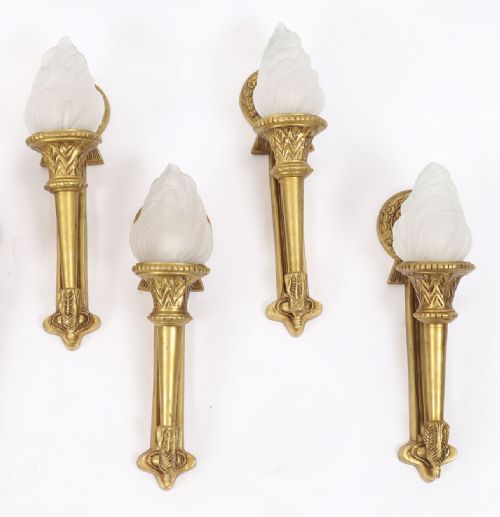
When you search for french torchere lights, you encounter a striking array of vertical illumination forms spanning from the mid-nineteenth century through the 1930s. The selection predominantly includes floor lamps, standard lamps, and tall pedestals alongside figural candelabra and wall sconces.
These pieces draw heavily upon Neoclassical, Louis XVI, and Art Deco vocabularies. You will frequently find figures holding torches, mythical bases, and architectural columns standing in bronze, ormolu, and carved wood.
The nineteenth-century examples dominate the offerings, particularly works from the 1860s to the 1880s, alongside early twentieth-century interpretations including Edwardian productions and 1930s up-lighters.
Materials and Construction Techniques
The manufacture of these pieces relies heavily on cast bronze, ormolu, and brass, frequently paired with carved wood or gilt finishes. Metal components are cast and chased with great precision, evident in figural details and classical ornamentation.
Makers integrated various decorative elements such as frosted glass, rock crystal columns, onyx, and marble bases to elevate the visual weight and texture of the lighting. Gilding and patination techniques impart depth to the metal surfaces.
Listings feature materials spanning bronze, ormolu, brass, spelter, marble, onyx, rock crystal, and frosted glass across the nineteenth and twentieth centuries.
Distinctions in Quality and Execution
Quality reveals itself in the crispness of the metal chasing and the depth of the casting, particularly on figural works and classical mounts. Finer examples display meticulous hand-finishing on bronze and ormolu details.
The integration of materials such as onyx, marble, and rock crystal distinguishes superior pieces from standard metal castings. Signed works by known sculptors and founders represent the pinnacle of the range.
Barbedienne·Emile Picault·Jean-Jules Cambos·Coutan
The French Torchere Lights Glossary
- Torchere
- A tall stand or floor lamp designed to hold a light source aloft, often taking the form of a classical column or a figural standard holding a torch. The term originates from the French word for torch.
- Ormolu
- Gilt bronze, created by applying a finely ground high-carat gold-mercury amalgam to a bronze object before firing. This technique produces a rich, durable golden surface seen on many classical pieces.
- Patination
- The surface alteration of metal through age, chemical treatment, or handling, producing a distinctive coloration and finish. On nineteenth-century bronzes, patination ranges from deep brown to near-black tones.
- Neoclassical
- A style spanning the eighteenth and nineteenth centuries that draws inspiration from the classical art and architecture of ancient Greece and Rome. It emphasises symmetry, columns, and classical motifs.
French Torchere Lights: Frequently Asked Questions
How do I wire antique French torchere lights?
Most of these pieces require rewiring to meet modern electrical safety standards while preserving their original metal or wooden structure.
A professional restorer can thread modern flex through the internal channels without compromising the historical integrity of the piece.
Where should I place a torchere floor lamp?
These tall vertical lamps work best in corners, flanking fireplaces, or anchoring large reception rooms where they can cast ambient uplighting.
Their substantial height allows them to balance high ceilings and grand architectural proportions effectively.
How do I distinguish Louis XVI style from Art Deco pieces?
Louis XVI style pieces rely on classical motifs like fluted columns, acanthus leaves, and symmetrical cast bronze figures dating around the nineteenth century.
Art Deco examples, appearing by the 1930s, favor streamlined silhouettes, geometric forms, and Tulip glass shades.
What is the difference between a torchere and a candelabrum?
A torchere functions as a tall standing light source or pedestal lamp, whereas a candelabrum is a multi-branched candleholder designed for tables or brackets.
Some nineteenth-century examples combine figural torchere bases with electrified or candle-bearing arms.