

French Tiered Table
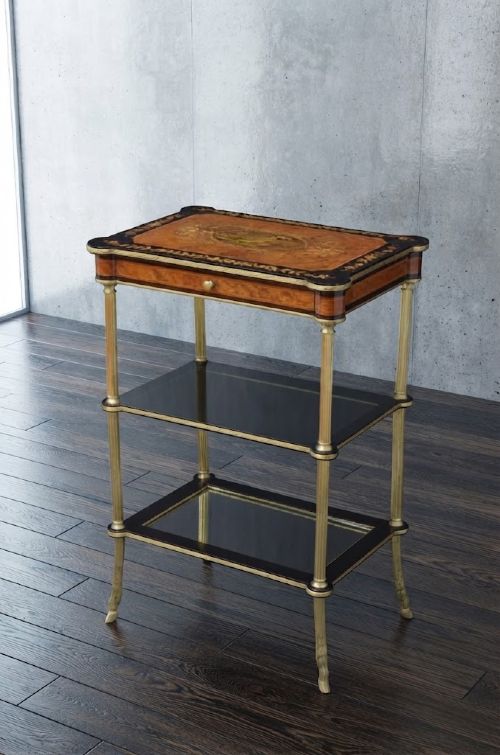
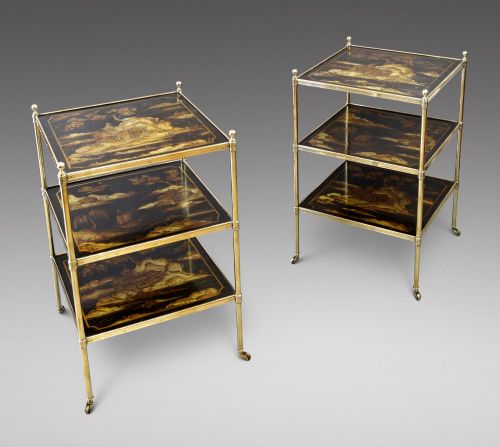
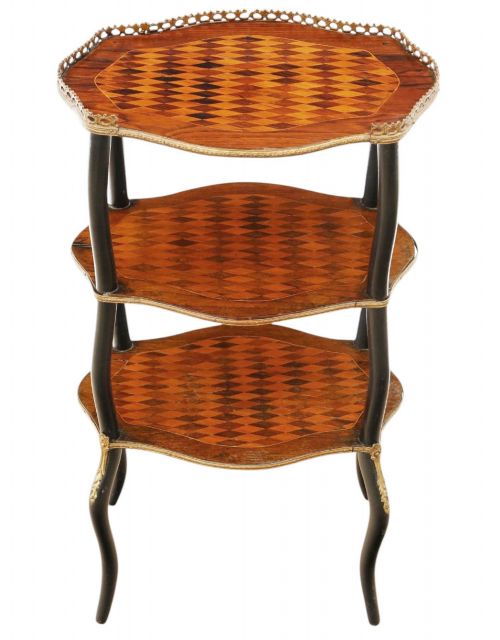
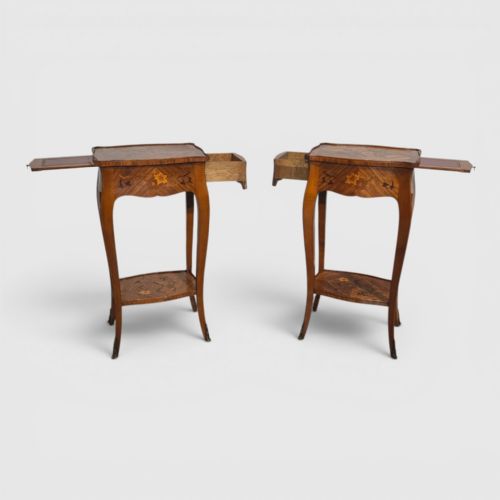
A french tiered table offers multiple display levels in walnut, mahogany or kingwood, bringing continental elegance to a corner or beside a chair.
French Tiered Table
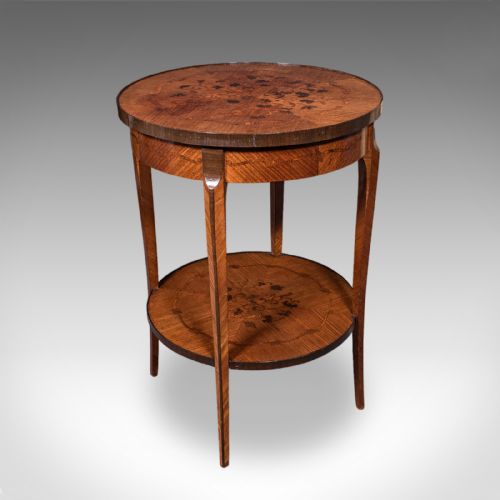
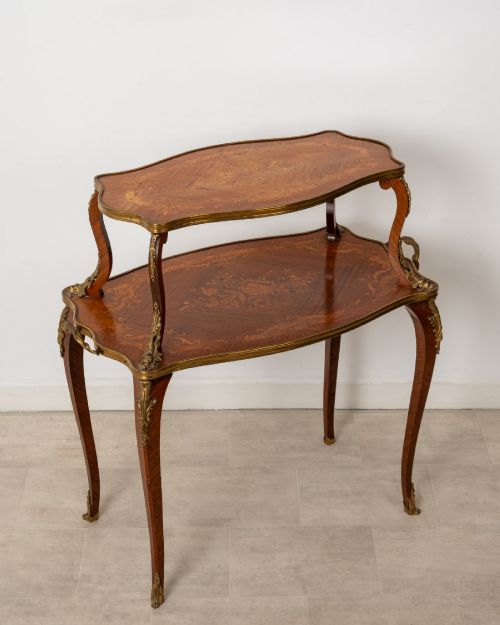
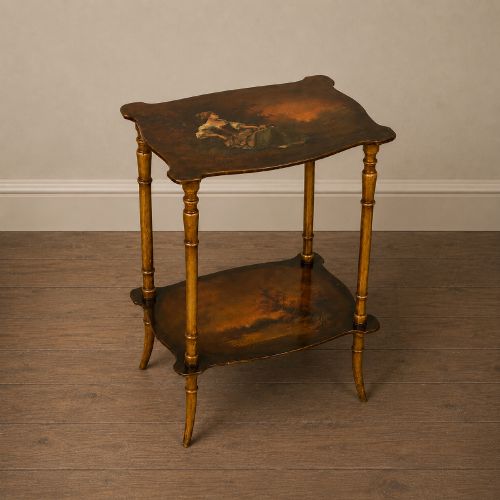
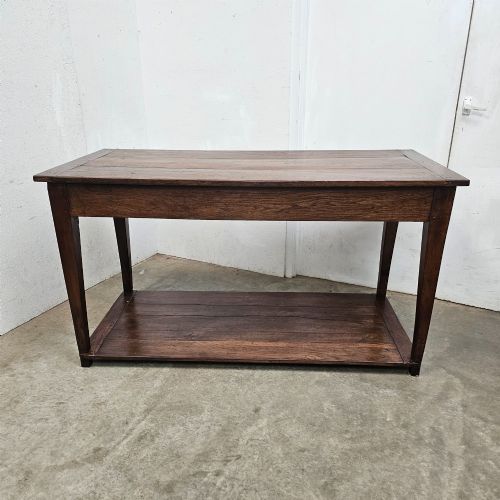
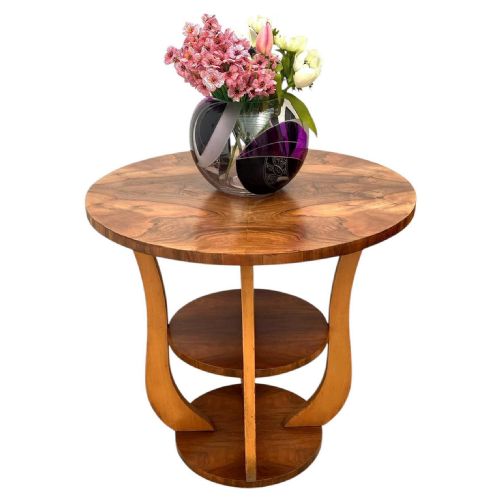
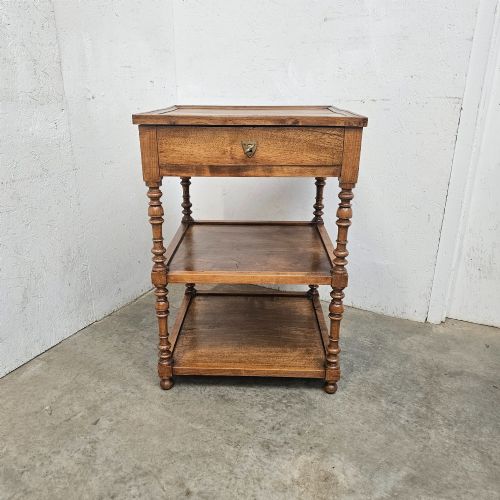
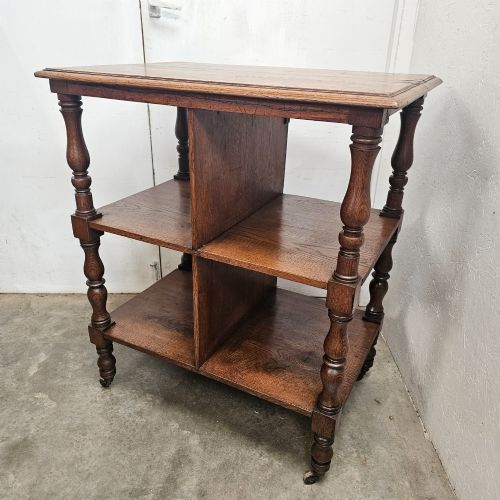
A french tiered table provides multiple surfaces arranged vertically, commonly taking the form of an etagere, occasional table or lamp table with two or three shelves. These pieces emerge in periods such as the nineteenth century, Edwardian era and nineteen-thirty, drawing on styles including Louis XV, Louis XVI, Napoleon Three and French Provincial.
Makers and workshops across France and Britain construct these multi-level surfaces in forms ranging from side tables and centre tables to plant stands and work tables. The primary function remains display and service, holding lamps, porcelain or books upon tiered platforms.
Materials and construction
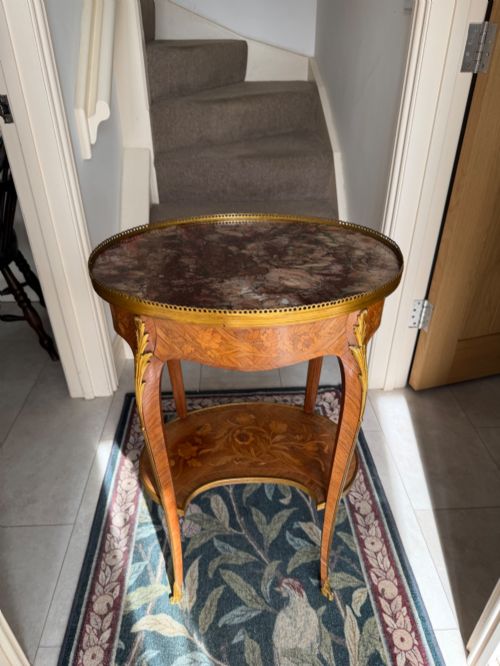
Cabinetmakers build the foundational structure using timbers like walnut, mahogany, kingwood, oak and ebonised wood, often incorporating marquetry, parquetry or inlaid decoration across the tiers. Surfaces receive polished finishes that highlight the natural grain of the wood.
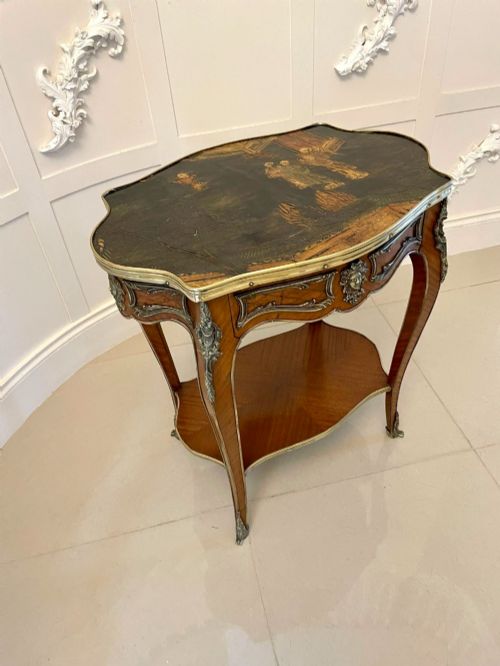
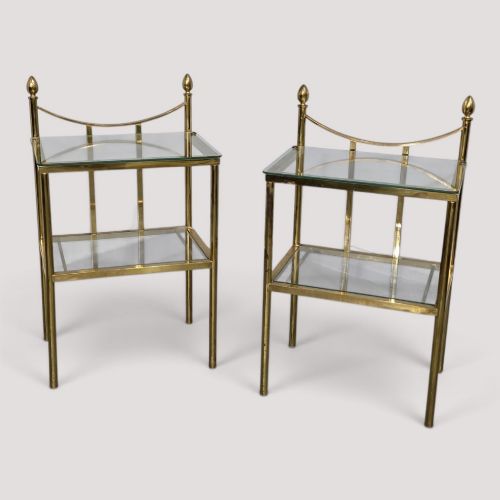
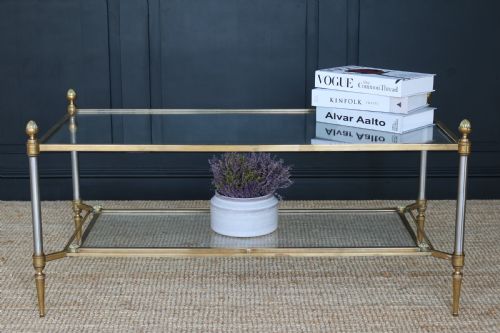
Metal mounts in brass and ormolu add structural accents and decorative borders around the edges of the tiers. Glass, mirrored panels and marble also appear as shelf inserts or top surfaces, supported by turned legs or cast metal frames.
Materials span walnut, mahogany, kingwood, oak, brass, ormolu, marble, glass and ebonised wood.
Distinctions in quality
The refinement of the marquetry inlay and the precision of the parquetry patterns set apart the finest examples from standard production pieces. Finely cast ormolu mounts with crisp chasing display superior craftsmanship compared to plain or heavily worn metal fittings.
The choice of dense hardwoods such as figured kingwood and plum pudding mahogany, combined with sturdy tier joints and balanced proportions, marks the upper tier of construction. Tables bearing attribution to known workshops demonstrate a higher degree of hand-finishing.
Maison Jansen·Tehan·Maison Giroux·François Linke·Edwards and Roberts·Gabriel Viardot
The French Tiered Table Glossary
- Etagere
- A piece of furniture consisting of several open shelves for displaying small objects. These tiers are often supported by slender uprights or columns.
- Ormolu
- Gilded bronze applied as mounts and decorative trim on furniture. This technique creates a bright metallic contrast against dark hardwoods.
- Marquetry
- Inlaid wood veneers arranged to form pictorial or geometric patterns on tabletops and shelves. Artisans use various tinted woods to achieve tonal depth.
- Parquetry
- Geometric wood inlay forming repetitive patterns such as cubes or chequers across a surface. It differs from marquetry by sticking to strict geometric grids.
- Gueridon
- A small round table supported by one or more columns, often featuring classical details like animal heads or claw feet.
French Tiered Table: Frequently Asked Questions
What is a french tiered table used for?
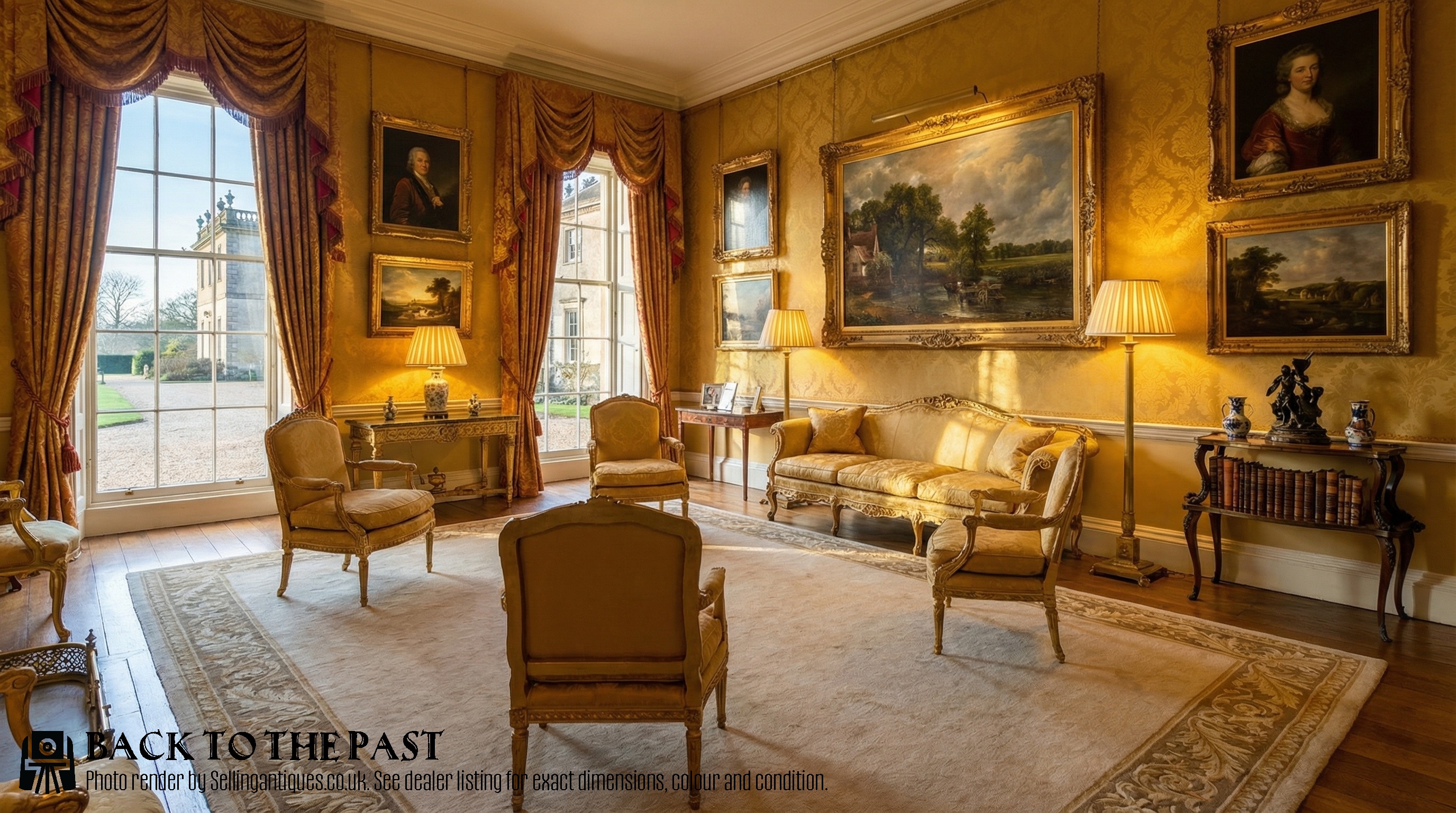
These pieces serve primarily as display stands and occasional surfaces for lamps, decorative porcelain or small books. The stacked shelves allow for vertical arrangement in compact spaces.
They function effectively beside seating or in corners where standard single-surface tables take up too much floor space while offering less display capacity.
How do I identify a louis xv style table?
Louis XV style pieces display characteristic cabriole legs, flowing asymmetrical curves and delicate floral or rococo marquetry. The overall silhouette avoids straight lines in favour of organic, serpentine contours.
Ormolu mounts on these tables typically accent the shoulders of the legs and the apron edges with scrolling foliage.
Are these tables sturdy enough for daily use?
Most antique tiered tables provide adequate stability for lamps and decorative items distributed evenly across the shelves. The multi-tiered construction relies on secure vertical supports and tight joints.
Placing heavy loads on upper tiers should be avoided to prevent strain on the slender uprights characteristic of etageres.
What woods were used in these tables?
Cabinetmakers utilised a range of timbers including walnut, mahogany, kingwood and oak. Exotic veneers often form intricate parquetry and marquetry panels on the display surfaces.
Ebonised wood and painted finishes also appear, particularly on pieces influenced by nineteenth-century revival tastes and Japonisme.