






French Terracotta Statue
A french terracotta statue brings expressive warmth to a room through fired clay modelled into figures, animals and busts.
French Terracotta Statue
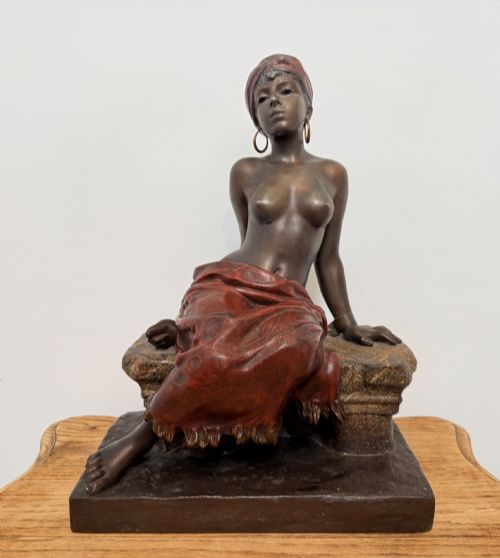
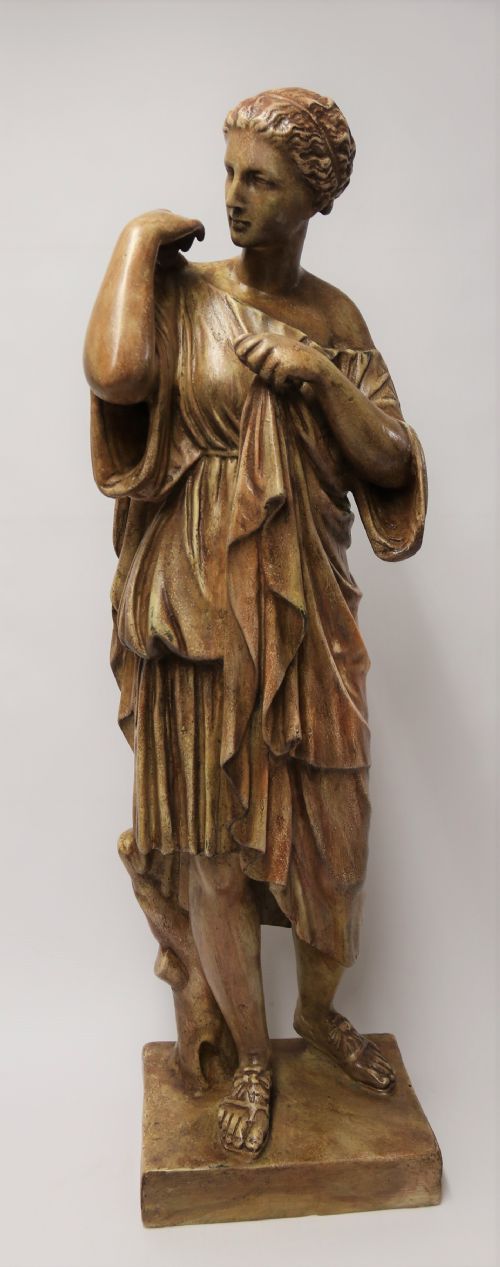
Nineteenth century examples lean towards classical or romantic subjects such as mythological figures and female busts. Pieces from the early twentieth century introduce art nouveau curves and modernist forms.
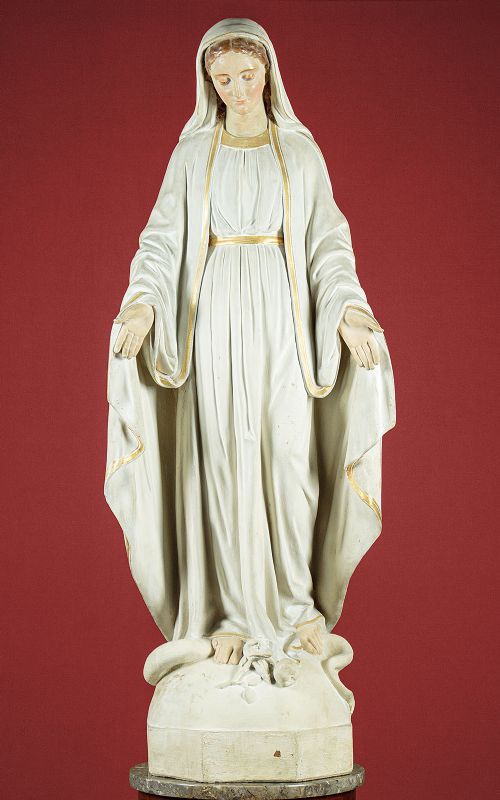
Makers utilised fired earth to capture fine detail, often finishing surfaces with paint, patination or glazes. These works range from small folk art roof tiles to large life-size animal figures and anatomical models.
How they were made
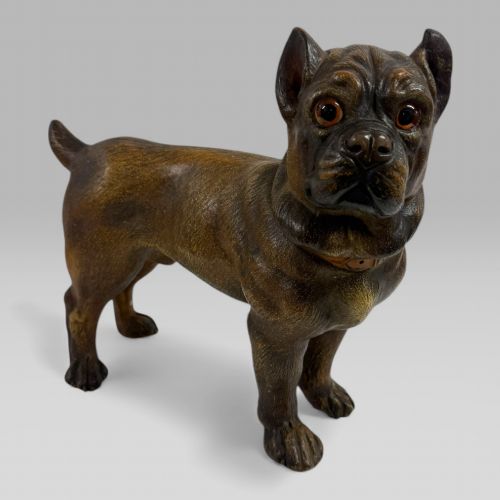
Makers applied various finishes including paint, patinated bronze effects and glazes to enhance texture and colour. Some pieces incorporated supplementary elements such as glass eyes or bronze fittings.
Materials in these listings include terracotta, plaster, paint, glass, bronze, patinated bronze, clay and glazed terracotta.
What varies in quality
The precision of the modelling distinguishes exceptional works from standard production pieces. Master modellers achieved subtle facial expressions, fluid drapery and anatomical accuracy that lesser pieces miss.
Surface finish preservation plays a major role in desirability. Original patination, untouched paint layers and intentional glazes command greater respect than later repainting or heavy surface restoration.
E Villanis·Richard Avrilli·Joseph Constant·Bavent Terracotta·Georges Morin·Octave Galliard-Sansonetti·Foucher
The French Terracotta Statue Glossary
- Terracotta
- Fired unglazed clay ranging in colour from pale buff to deep reddish-brown. This porous ceramic material forms the primary medium for these sculptures.
- Animalier
- A nineteenth-century artistic genre focusing on realistic depictions of animals. Sculptors rendered subjects like dogs, cats and bulls with close attention to natural anatomy.
- Patinated Bronze
- A surface treatment applied to terracotta to imitate aged bronze metal. Artisans layered pigments and waxes to achieve metallic tonality.
- Neoclassical
- An artistic style drawing inspiration from the classical art and culture of ancient Greece and Rome. Works in this vein emphasise restraint, proportion and mythological themes.
- Art Nouveau
- A decorative style prevalent in the late nineteenth and early twentieth centuries characterised by flowing, asymmetrical lines. Sculptures from this period often incorporate stylised plant motifs and female figures.
French Terracotta Statue: Frequently Asked Questions
How do I clean terracotta sculpture?
Dust terracotta gently with a soft dry brush to remove surface debris without disturbing the fired clay.
Avoid using water or liquid cleaners, as porous historical surfaces absorb moisture and risk damage.
Are these statues suitable for outdoor display?
Most antique terracotta sculptures are fired for interior display and lack frost resistance.
Exposing historical pieces to damp outdoor conditions causes the clay to degrade and surface finishes to flake.
What is an animalier sculpture?
An animalier sculpture depicts animals with anatomical realism rather than as mere decorative symbols.
Nineteenth and twentieth-century artists studied live subjects closely to capture natural postures in clay or bronze.
How can I tell the period of a piece?
Stylistic markers such as art nouveau curves or neoclassical proportions offer primary clues to the era of creation.
Signatures, maker stamps and the character of the surface finish further help date the work.