
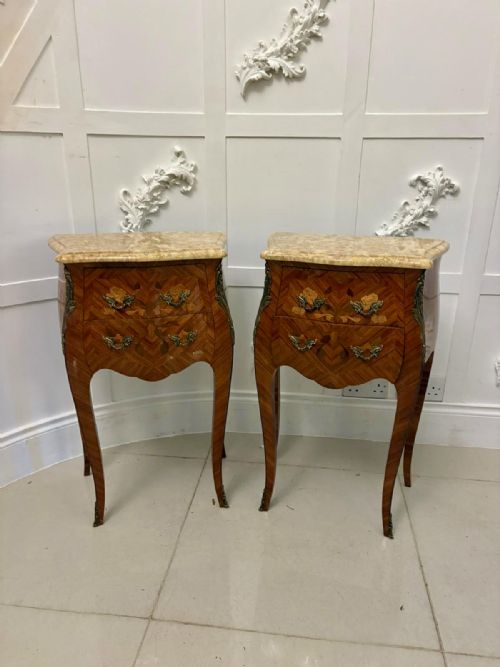


French Tables De Chevet
French tables de chevet are compact bedside companions that bring antique European elegance and practical surface space to a bedroom.
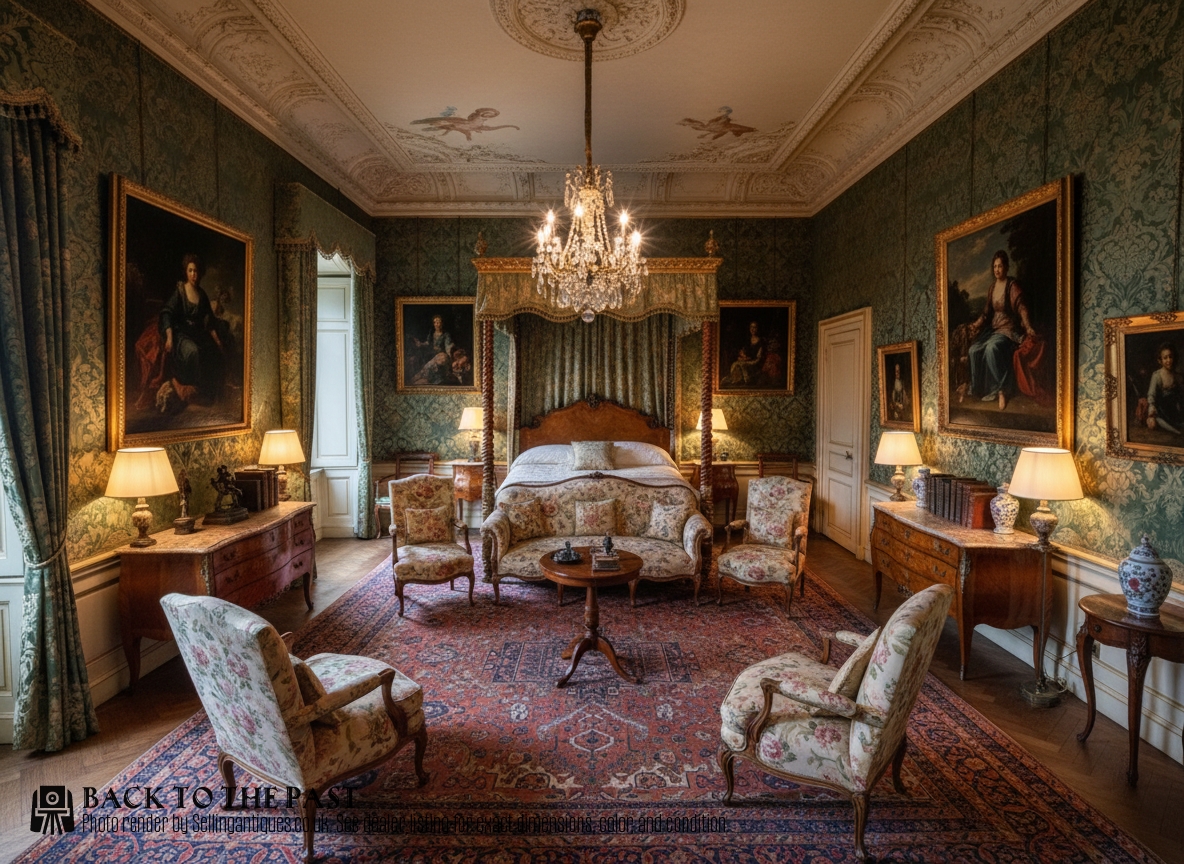
French tables de chevet
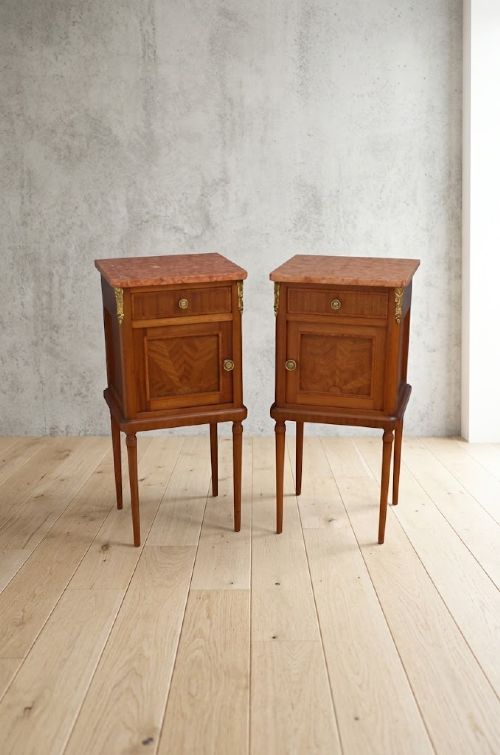
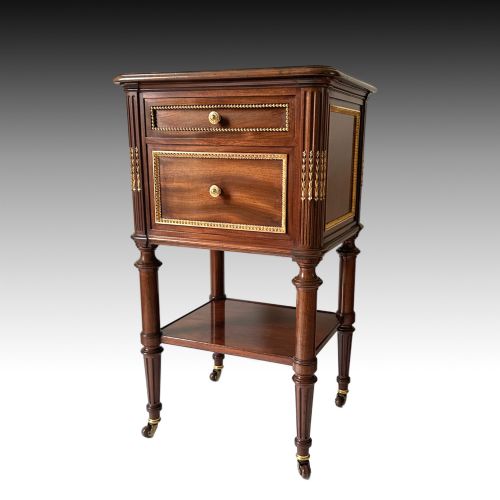
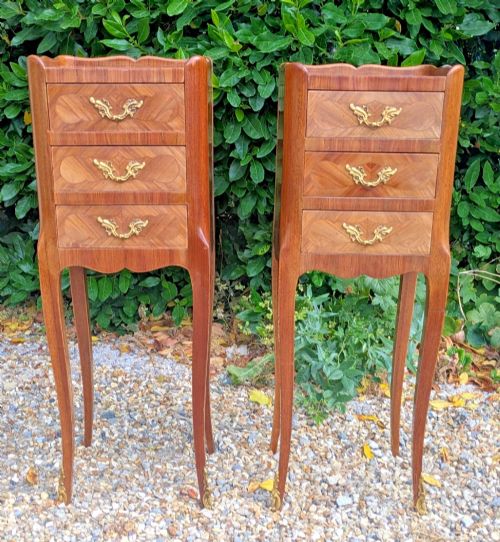
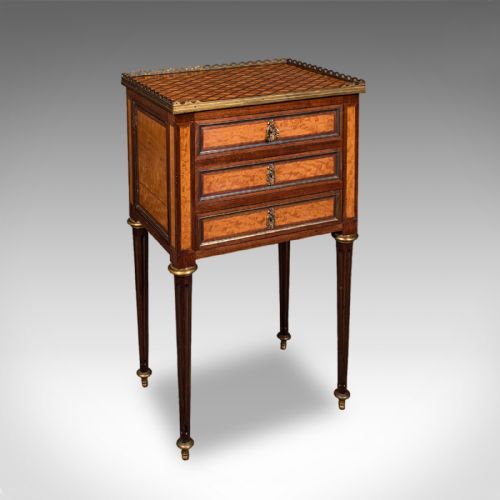
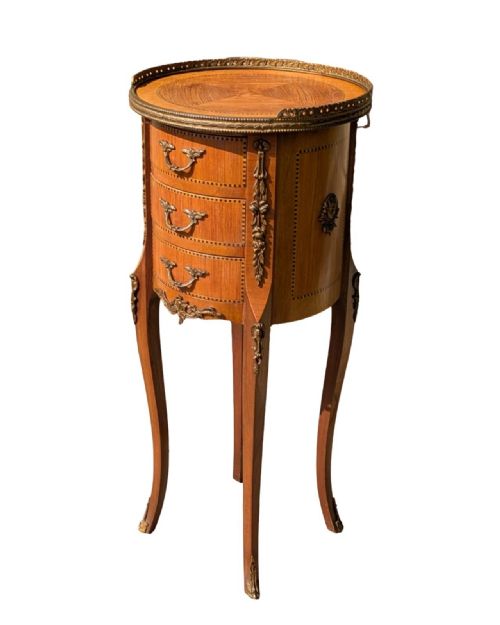
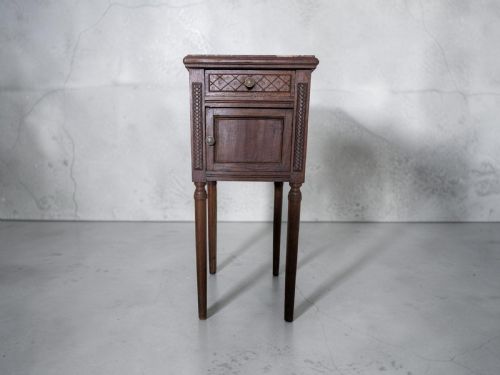
French tables de chevet are low bedside tables, cabinets and nightstands designed to sit beside a bed. When searching for French tables de chevet, buyers encounter pieces from periods spanning the late nineteenth century through to the early twentieth century.
The selections on this page appear as pairs and single items originating from the 1880s, 1890s, 1900, 1920 and 1930. Common configurations include freestanding bedside cabinets and lamp tables constructed in specific regional and revival aesthetics.
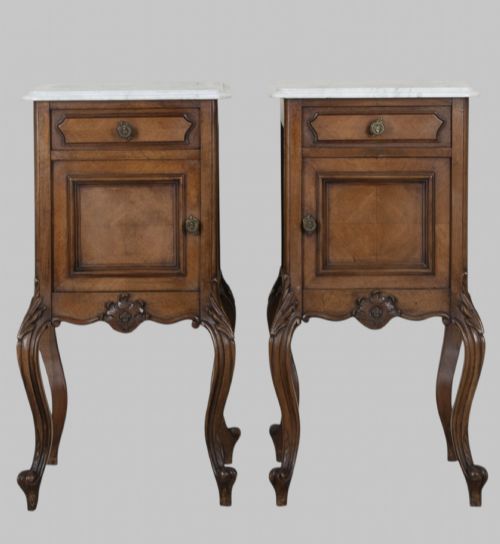
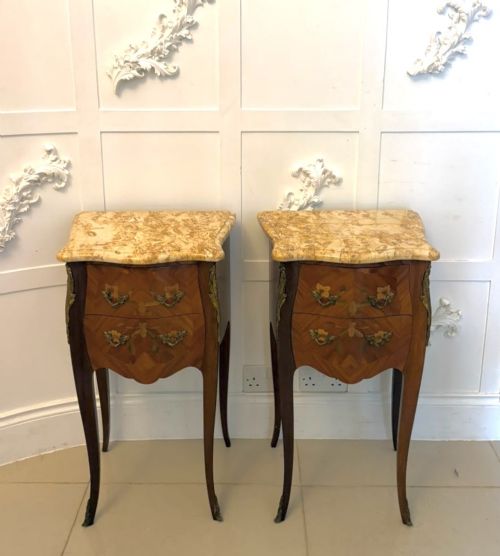
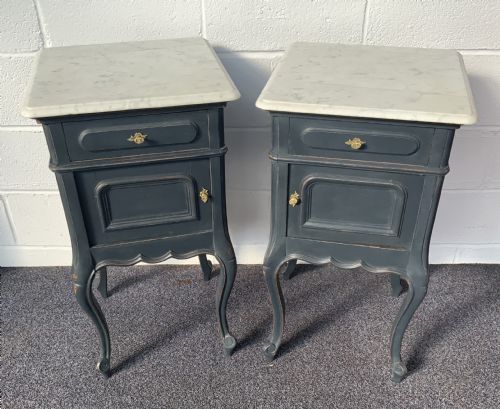
Buyers most frequently meet pieces reflecting French Louis XV style, Louis XV revival, Louis XIV revival and French provincial aesthetics. These items frequently incorporate fitted marble tops and enclosed cupboard or drawer storage beneath the surface.
How they were made
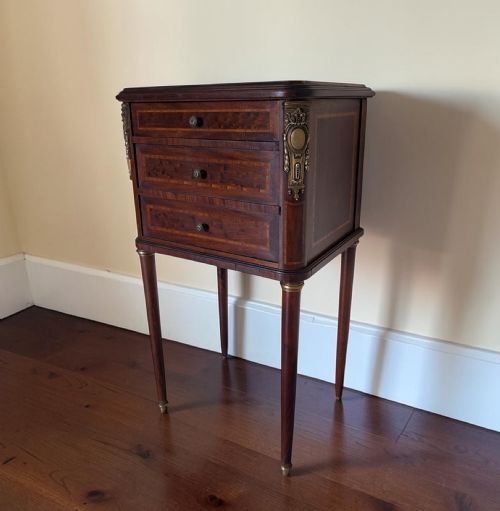
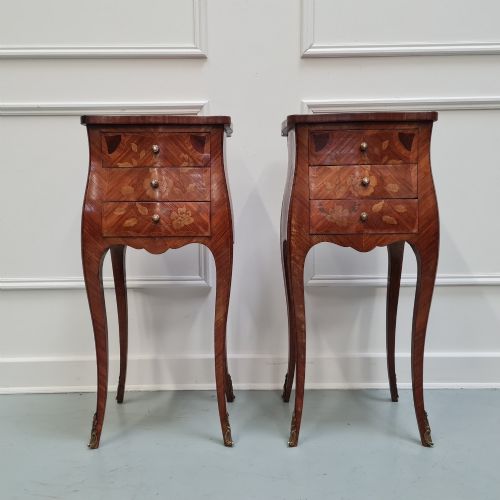
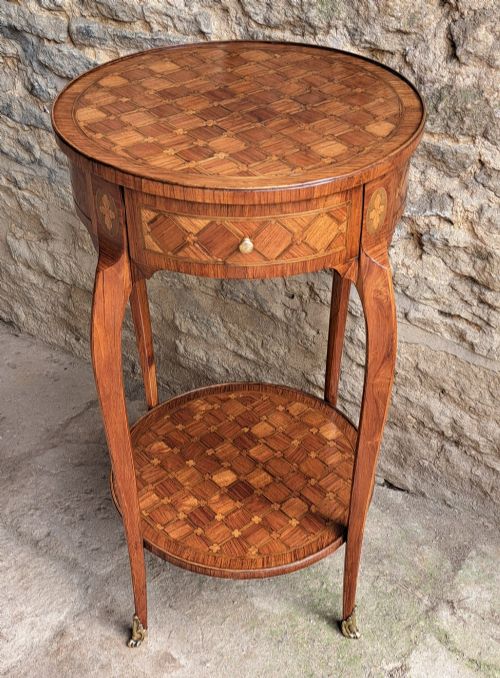
Cabinet makers utilised a variety of fine timbers including kingwood, walnut, rosewood and cherrywood for the primary frames and carcases. Surfaces often display intricate marquetry inlays and painted wood finishes.
Heavy stone tops in marble provide durable, contrasting surfaces for daily use beside the bed. Metal components in brass and bronze form decorative mounts, handles and sabots that accent the wooden structures.
Retail Price Guide 2026
Typical UK retail prices for french tables de chevet, calculated from the Sellingantiques database of over a million retail prices indexed since 2003. This retail price guide relies exclusively on Sellingantiques data; no external sources or auction records are used, so the figures do not describe the wider market.
Materials appearing across these tables include marble, kingwood, brass, walnut, bronze, rosewood, marquetry and painted wood.
What varies in quality
The standard of execution in the marquetry patterns and the selection of figured timber veneers dictate the visual refinement of each piece. Denser grain patterns and precise floral or geometric inlays elevate the cabinet work.
The choice and thickness of the marble top, alongside the weight and detail of the cast brass or bronze mounts, separate standard production from finer workshop output. Integrated proportions and balanced freestanding construction complete the distinction.
The French Tables De Chevet Glossary
- Chevet
- A French term denoting a bedside table or small cabinet designed to stand next to a bed. These compact pieces traditionally held nighttime necessities.
- Marquetry
- Decorative patterns formed by fitting together thin veneers of different coloured woods, ivory or shell. Artisans apply these designs to the exterior surfaces of furniture.
- Kingwood
- A dense, richly grained timber from South America with dark violet and brown tones. Cabinet makers prized this wood for high-status French furniture veneers.
- Ormolu
- Gilded bronze mounts and decorative hardware applied to furniture. This technique adds metallic highlights and sculptural detail to wooden cabinets and tables.
- Sabot
- A protective metal sleeve fitted to the bottom of furniture legs. These bronze or brass fittings prevent wear and complement the other metal mounts on the piece.
Frequently Asked Questions
What are French tables de chevet?
French tables de chevet are bedside tables and small cabinets originating from France or built in distinct French historical styles.
They provide compact surface and storage space next to a bed while displaying period craftsmanship.
How were these tables used?
These pieces served beside beds to hold chamber candlesticks, night lights, books and personal items.
Enclosed cupboards and drawers kept private possessions tucked away out of sight.
How do I identify the style?
Review the decorative vocabulary, such as curved cabriole legs for Louis XV pieces or heavier symmetrical mounts for Louis XIV revival items.
Materials like kingwood, marble tops and bronze hardware point directly to traditional French workshop methods.
Are they usually sold as pairs?
Many listings feature matching pairs of bedside cabinets intended to flank a double or larger bed symmetrically.
Single tables also appear for smaller bedrooms or alternative placement as accent lamp tables.