



French Style Vanity Mirror
A French style vanity mirror brings continental elegance to a dressing room, offering adjustable glass framed in ornate giltwood or polished mahogany.
French Style Vanity Mirror
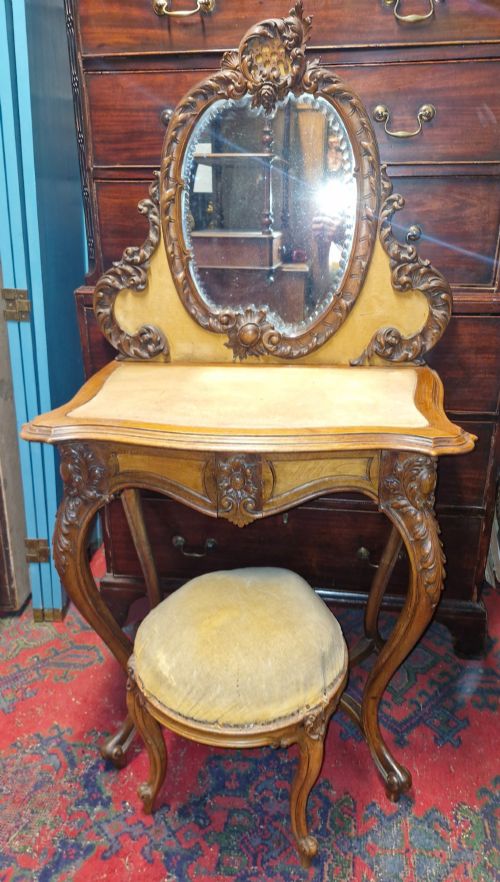
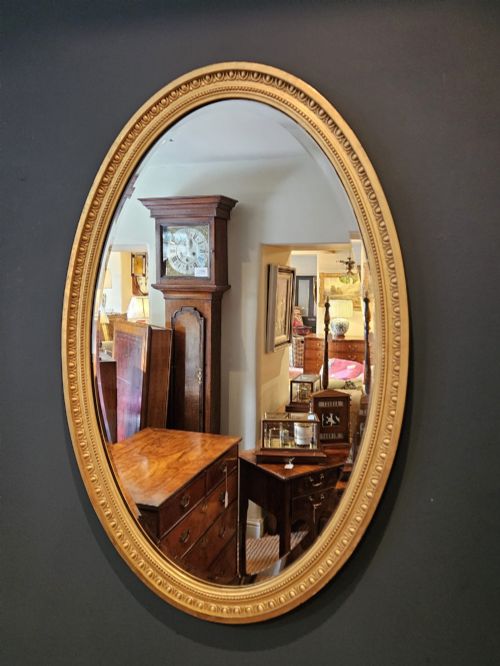
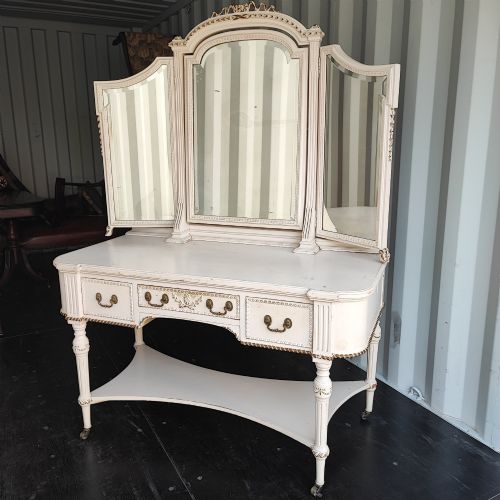
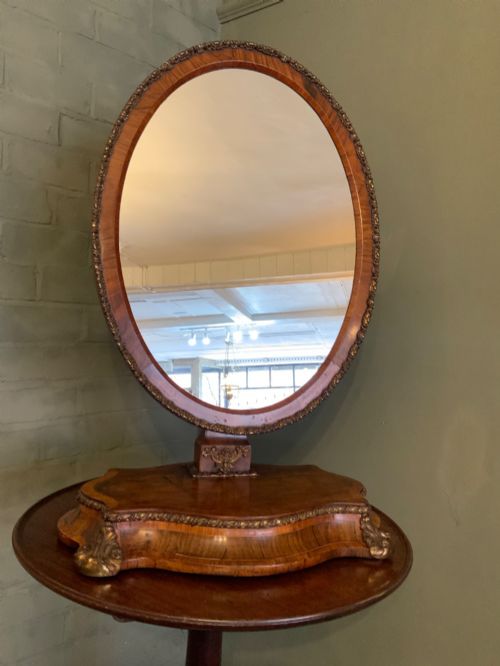
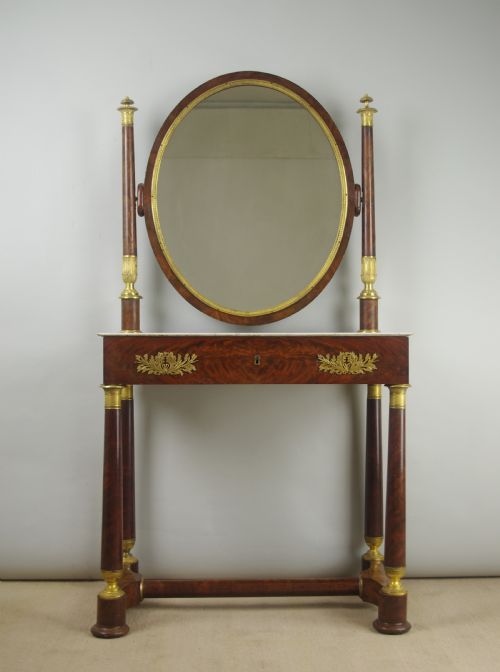
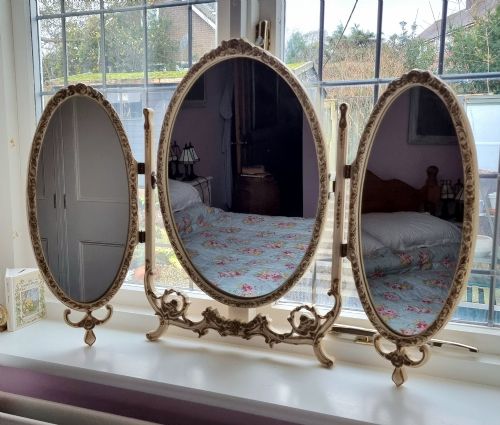
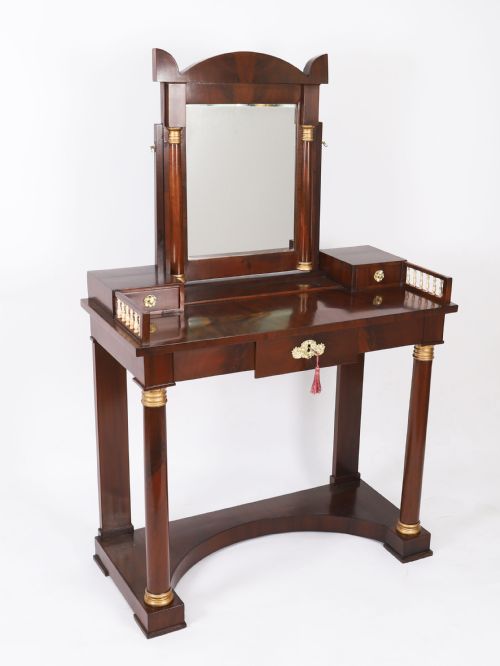
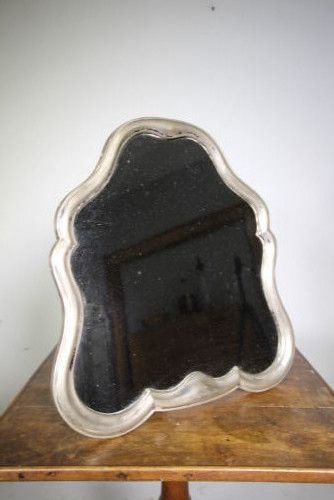
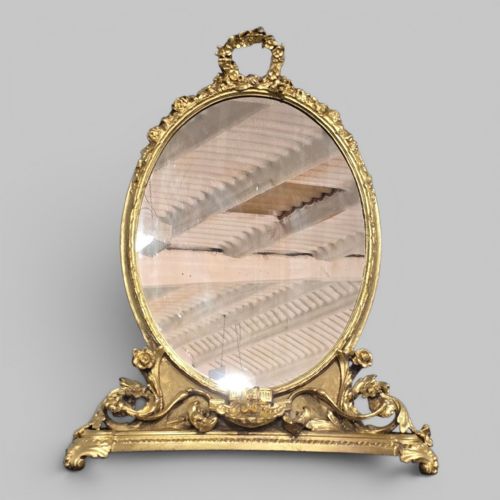
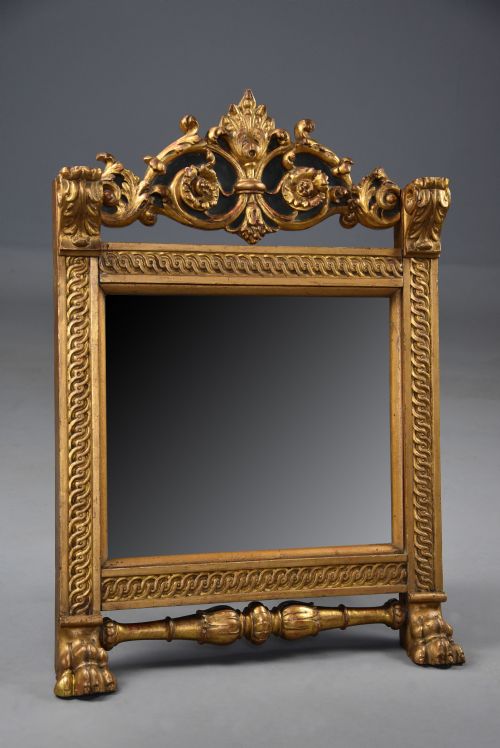
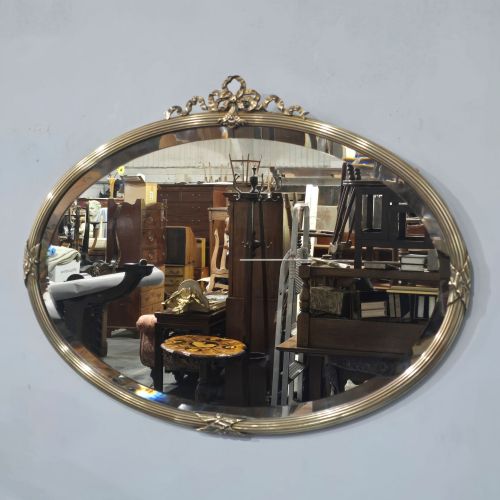
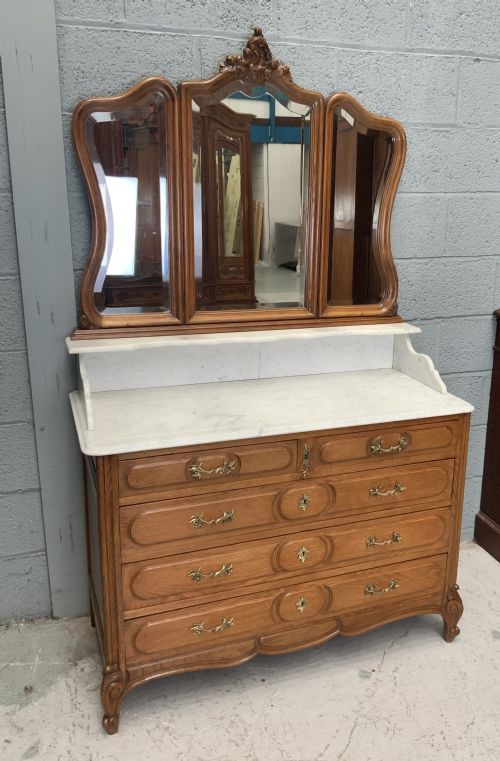
When you search for a French style vanity mirror, you encounter pieces designed for dressing tables and washstands, spanning the nineteenth and early twentieth centuries. These objects appear as tabletop dressing mirrors, folding triple mirrors, and ornate wall-mounted examples.
The selection on this page relies heavily on Victorian and early twentieth-century interpretations of classical continental aesthetics. You will find items originating from the nineteenth century alongside pieces from the 1890s, 1900s, 1910s, 1920s, and 1930s.
Many items combine mirror glass with integrated dressing furniture, such as mahogany dressing tables and oak washstands. Smaller tabletop swivel mirrors and easel-backed vanity glasses represent the most common portable formats.
Materials and construction methods
Carvers shaped solid woods including mahogany, walnut, oak, and giltwood to form the structural frames and surrounds. Artisans applied gesso and paint directly to wooden surfaces, often finishing details with silver or gold gilding.
Metal mounts in brass, bronze, and ormolu add decorative structure and mechanical function to hinges and swivel arms. Cast brass and ormolu fittings secure the mirror plates within their frames while allowing adjustable angles for daily grooming.
Some Victorian dressing tables even boasted faux bamboo paintwork to satisfy a sudden nineteenth-century passion for exotic botanical themes.
Distinctions in craftsmanship and design
Superior examples demonstrate depth and precision in hand-carved ornamentation, particularly within the gesso, giltwood, and wood elements. Crisp casting in brass and ormolu mounts separates finer workshop output from simpler commercial production.
The integration of materials dictates overall refinement, where richly figured mahogany, walnut, and heavy giltwood frames outlast lighter painted pine or faux bamboo alternatives. Original mercury or silvered glass plates with bevelled edges indicate higher period execution.
The French Style Vanity Mirror Glossary
- Giltwood
- Wood that has been coated with a thin layer of gold leaf over a prepared gesso ground. This finish creates a luminous metallic surface characteristic of ornate nineteenth-century frames.
- Ormolu
- Finely chased and gilt bronze mounts applied to furniture and mirror frames. The technique originated in France and provides rich metallic contrast against dark timbers like mahogany.
- Gesso
- A plaster-like mixture applied to wood frames and carved before gilding or painting. It provides a smooth base for intricate relief ornament.
- Easel mirror
- A tabletop mirror supported by a hinged prop at the back rather than a fixed frame stand. This design allows the glass angle to be tilted easily during use.
- Rococo Revival
- A nineteenth-century design movement drawing on eighteenth-century French asymmetrical scrolls, floral motifs, and shell work. It heavily influences the decorative framing of vanity mirrors from this era.
French Style Vanity Mirror: Frequently Asked Questions
How do I use a vanity mirror?
These mirrors sit upon dressing tables, washstands, or chests of drawers to assist with personal grooming and hair styling. Tabletop and easel models adjust manually to catch optimal natural light.
Larger triple-plate versions allow the side panels to angle inward, providing multidirectional reflection. They function as both practical dressing accessories and decorative architectural elements in a bedroom.
What periods do these mirrors represent?
The pieces span the nineteenth century through the early twentieth century, including Victorian production and items dated between 1880 and 1930. Many reflect revivals of earlier French design aesthetics.
Stylistic influences include French Empire, Louis XVI, and Rococo Revival. Craftsmen of the late 1800s and 1900s reinterpreted these continental historical periods for contemporary homes.
What materials are used in French style mirrors?
Frames are constructed from timbers such as mahogany, walnut, oak, and giltwood, occasionally utilising painted finishes or faux bamboo effects. Glass mirror plates sit within these structural surrounds.
Decorative detailing incorporates hand-carved gesso, brass hinges, bronze accents, and ormolu mounts. Marble frequently appears on associated dressing table bases rather than the mirror frames themselves.
How do I tell original pieces apart?
Examine the construction methods, such as hand-cut joinery in the wooden frames and the weight of cast brass or ormolu mounts. Period glass often shows subtle imperfections or oxidation consistent with age.
Stylistic cues like carved gesso ornament and specific revival characteristics help distinguish late nineteenth-century pieces from later reproductions. The integration with period dressing tables or washstands also confirms authenticity.