


French Style Planter Stand
These french style planter stand pieces bring botanical display indoors through ornate nineteenth century designs.
French Style Planter Stand
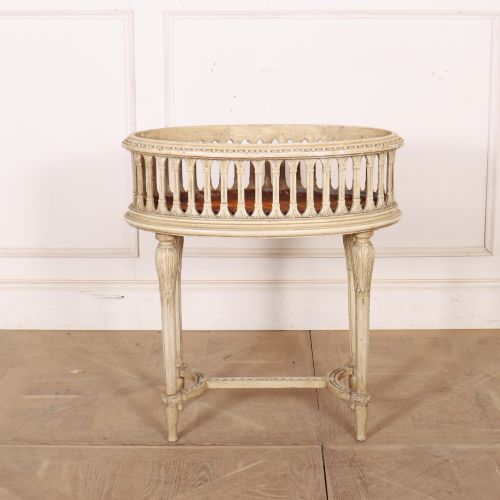
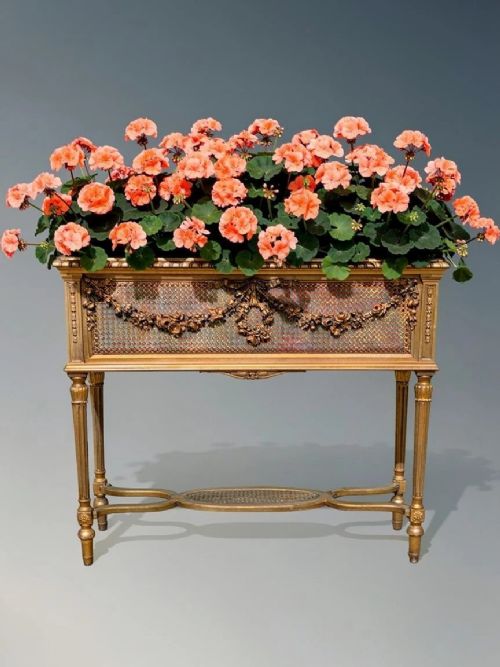
When you examine a french style planter stand, you encounter nineteenth century jardinieres, plant stands, and occasional tables designed to hold botanical displays. These pieces appear across Victorian, Napoleon III, and Louis XVI styles, alongside specific French Louis XV revivals.
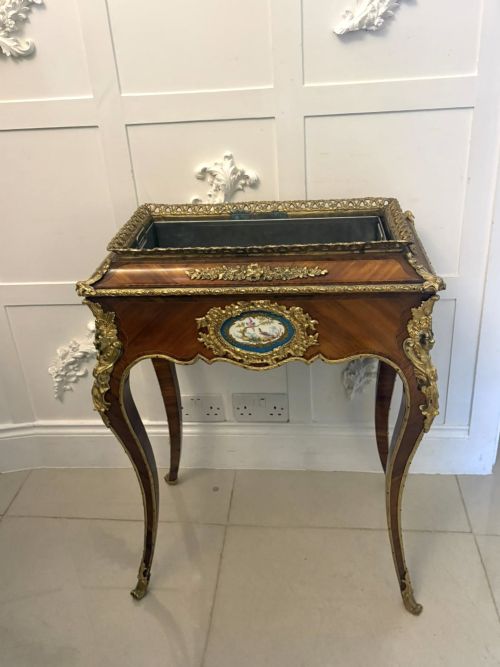
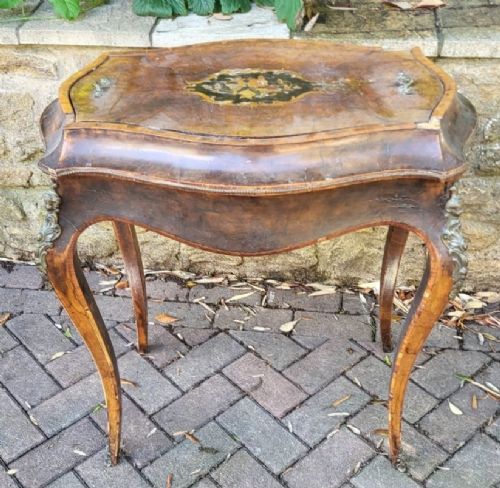
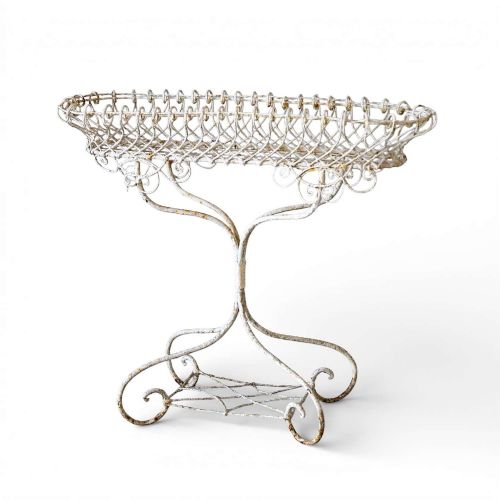
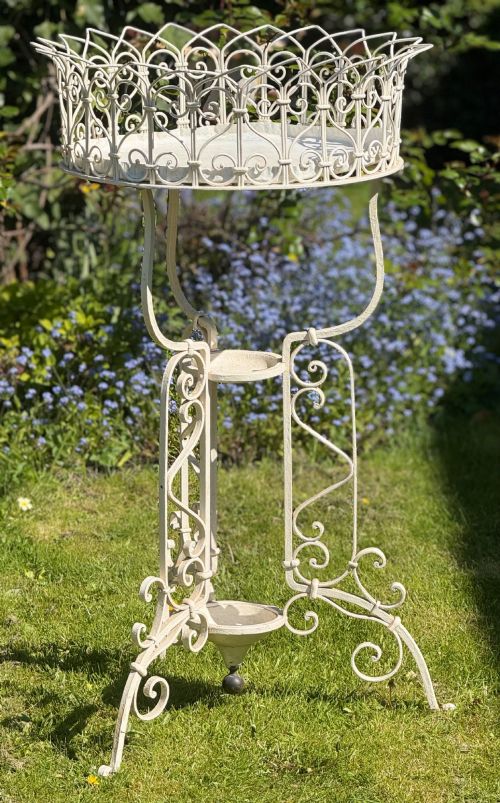
The selections on this page range from walnut and burr walnut side tables to freestanding ormolu mounted kingwood planter tables with lift off lids. You also discover wrought iron garden planters, wire work conservatory stands, and painted jardinieres dating from eighteen fifty onwards.
Materials and Construction
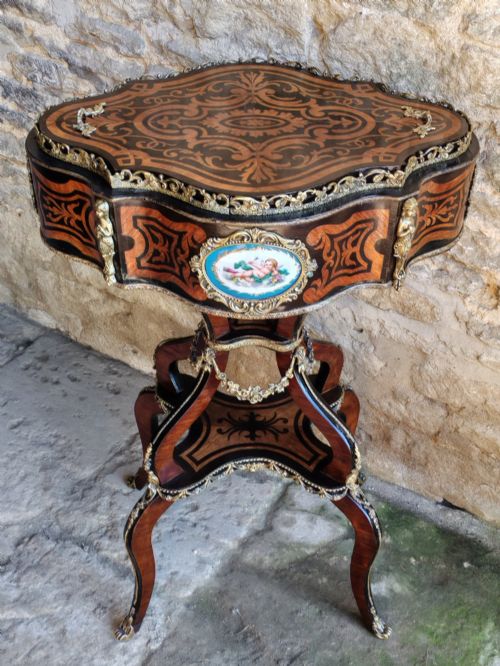
Craftsmen built these planter stands using timber frames of walnut, kingwood, burr walnut, and satinwood, frequently enhanced with marquetry inlay or ebonising. Metal elements such as brass, copper, ormolu mounts, and gilt metal provide structural framing and decorative contrast.
Other examples utilise wrought iron scrollwork, wire work, cane, terracotta, and painted finishes. Porcelain plaques, including Sevres-type decorations, are incorporated into the body of the stands for visual detail.
Some nineteenth century jardinieres doubles as wine coolers, meaning your botanical display could easily transition to chilling champagne.
Assessing Quality
Quality rests upon the execution of the timber veneers, the crispness of the ormolu or gilt metal mounts, and the integration of decorative elements like porcelain plaques. Finer examples display meticulous marquetry and substantial brass or bronze components rather than superficial ornament.
The architectural balance of the stand, the weight of the metalwork, and the preservation of original painted or polished surfaces distinguish superior items from simpler utilitarian vessels.
The French Style Planter Stand Glossary
- Jardiniere
- An ornamental pot or stand for holding plants or flowers. These items often double as wine coolers.
- Ormolu
- Gilded bronze applications mounted onto furniture pieces. This technique provides bright metallic highlights.
- Marquetry
- Decorative patterns formed by fitting together contrasting pieces of wood veneer. It creates complex surface designs on tabletops.
- Burr walnut
- Timber taken from walnut tree growths showing intricate swirling grain patterns. Cabinetmakers prize it for decorative surfaces.
French Style Planter Stand: Frequently Asked Questions
What is a French style planter stand?
A French style planter stand is a nineteenth century decorative furnishing designed to display indoor plants or flowers. These pieces often feature detailed timber veneers and metal mounts.
They take the form of jardinieres, plant stands, and occasional tables influenced by Louis XV, Louis XVI, and Napoleon III aesthetics.
How were these planter stands used?
These stands functioned as indoor garden ornaments within nineteenth century drawing rooms, conservatories, and reception spaces. They held potted plants or served as decorative display surfaces.
Some convertible designs also doubled as wine coolers or side tables during social gatherings.
How do I care for wood and ormolu planter stands?
Preserve the timber surfaces by avoiding direct sunlight and maintaining stable indoor humidity. Dust ormolu mounts gently with a soft dry cloth.
Protect the interior liners from standing water to prevent damage to the underlying wood or metal.
How can I tell periods apart?
Distinguish periods by examining the stylistic revival cues and construction methods. Victorian and Edwardian iterations often combine English domestic forms with continental motifs.
Mid nineteenth century pieces frequently showcase elaborate ormolu mounts and kingwood veneers, whereas later examples embrace lighter wire work or painted finishes.