
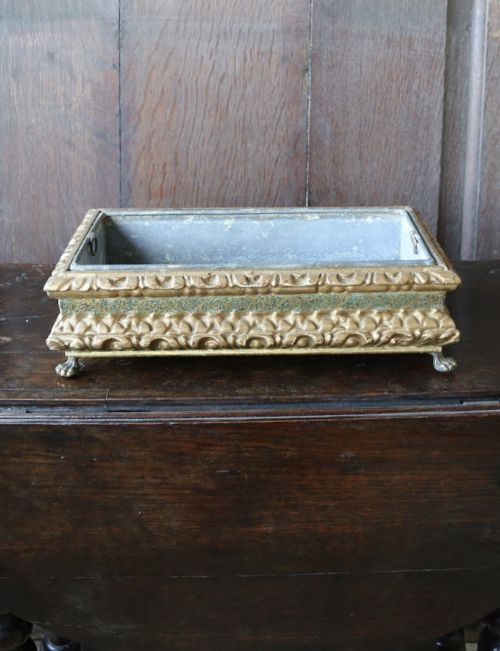


Decorative Jardiniere Table
A decorative antique jardiniere table brings living greenery indoors with architectural elegance, combining a plant container and a display table into one focal point.
Decorative Jardiniere Table
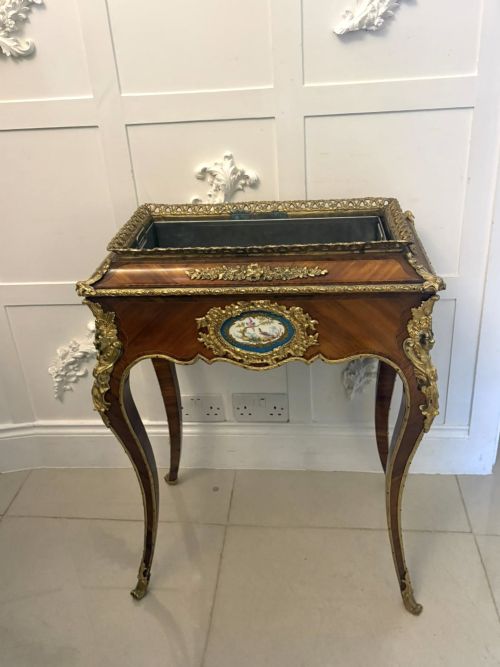
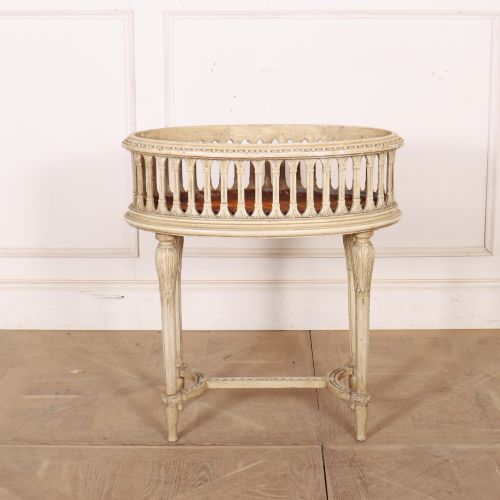
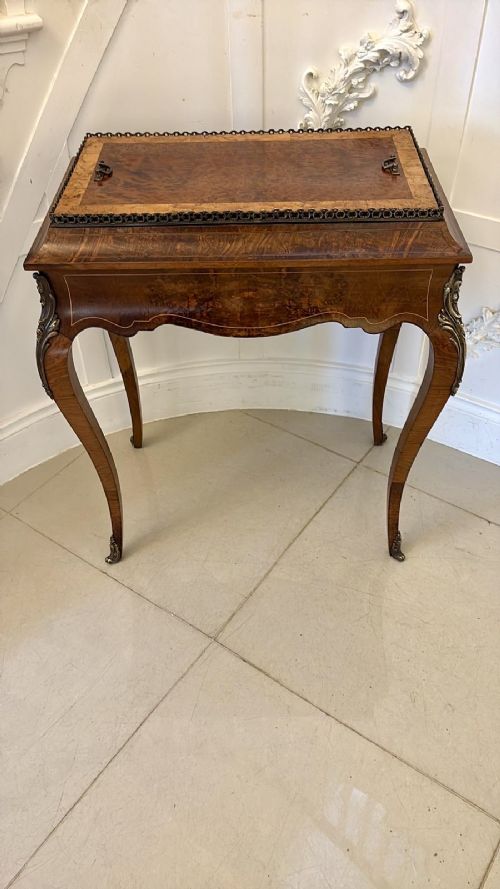
A decorative antique jardiniere table is a specialised piece designed to hold plants and flowers within domestic interiors, spanning periods from the Victorian and Edwardian eras back to the nineteenth and seventeenth centuries. These furnishings combine a table frame with an integrated planting vessel, often accompanied by related forms such as plant stands, planter stands, centrepieces, and decorative boxes.
Buyers encountering this selection will most frequently meet French walnut examples shaped in Louis XV and Louis XVI styles, alongside English walnut, rosewood, and oak iterations. Makers applied styles ranging from Italian Baroque and Neo-Classical to Edwardian country house designs, incorporating materials intended to display indoor foliage with formal grace.
Materials and construction methods
Cabinetmakers utilised timber frameworks of burr walnut, rosewood, oak, and ebonised wood, frequently enhancing surfaces with marquetry or gilt wood carving. Structural integrity relied on traditional joinery methods suited to supporting heavy damp soil and dense timber.
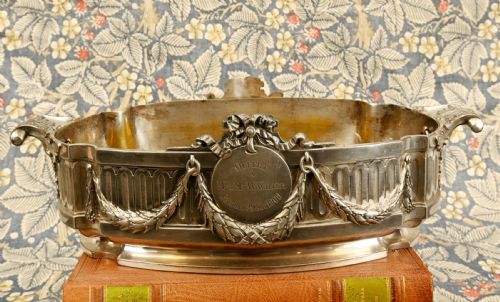
Metal components played a dual role in structure and decoration, with ormolu mounts, brass fittings, silver plate, bronze, and zinc liners protecting the timber from water damage while defining the outline. Porcelain elements and original painted finishes added further decorative contrast to the timber frames.
Current listings feature materials including burr walnut, brass, silver plate, zinc, ormolu, ebonised wood, and porcelain across the nineteenth and twentieth centuries.
Distinctions in craftsmanship
Superior examples distinguish themselves through the precision of their timber veneers, such as finely figured burr walnut and intricate marquetry work, paired with crisply chased ormolu mounts and bronze detailing. The integration of the liner, whether zinc or porcelain, indicates the original intended utility and the grade of the commission.
Design cohesion separates standard production from exceptional pieces, where stylistic vocabulary such as Louis XV curves, Neo-Classical symmetry, or Italian Baroque carving is executed with fluency across both the wooden stand and the metal vessel.
The Decorative Jardiniere Table Glossary
- Jardiniere
- A decorative pot or stand for holding plants and flowers, often taking a central position in a room or conservatory.
- Ormolu
- Gilded bronze or brass applied as ornamental mounts to furniture, adding metallic highlights to wooden surfaces.
- Marquetry
- Decorative inlay work using various coloured veneers to create pictorial or geometric patterns on timber furniture.
- Ebonised
- Wood treated with a dark finish to imitate expensive ebony, frequently used in nineteenth-century decorative pieces.
Decorative Jardiniere Table: Frequently Asked Questions
What is a jardiniere table?
A jardiniere table is a decorative piece of furniture featuring a built-in container designed specifically to display live plants or floral arrangements inside the home.
These tables combine the surface utility of a standard small table with the horticultural purpose of a plant stand, frequently incorporating metal liners to protect the surrounding timber.
How were these tables used originally?
In nineteenth-century and Edwardian interiors, these furnishings allowed households to bring outdoor greenery directly into reception rooms, drawing rooms, and conservatories.
They served as elegant centrepieces where exotic ferns and flowering plants could be displayed at eye level during social gatherings.
How do I protect the wood when using one?
Protecting the interior timber relies on ensuring the original metal, zinc, or porcelain liner remains watertight and sits correctly inside the wooden framework.
Using a secondary inner pot or saucer prevents moisture from coming into direct contact with antique veneers and prevents water rings from forming on the surface.
How can I tell the period of a piece?
Dating relies on observing the combination of timber types, such as burr walnut or rosewood, alongside prevailing stylistic influences like Louis XV, Neo-Classical, or Edwardian wire work.
Construction techniques, fastener types, and the composition of metal mounts and liners also provide reliable indicators of manufacture date.