


French Style Gilt Table
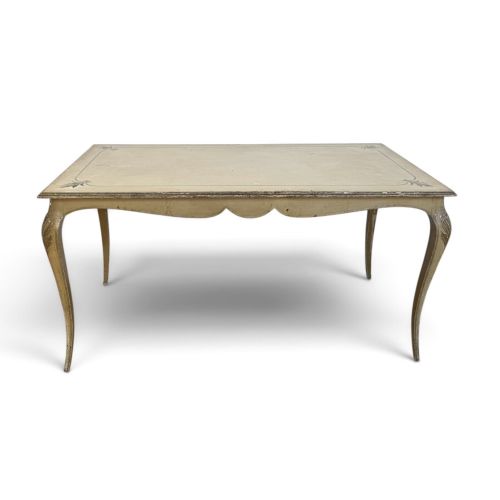
When you search for a french style gilt table, you encounter gilded console tables, occasional tables, and desks shaped by Rococo and Louis Revival aesthetics.
French Style Gilt Table
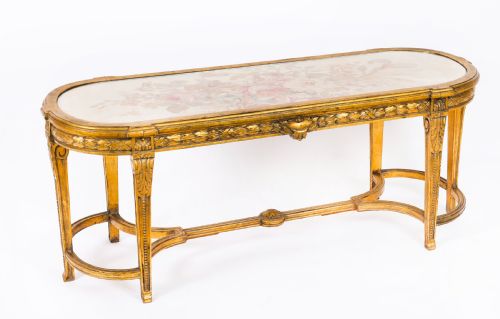
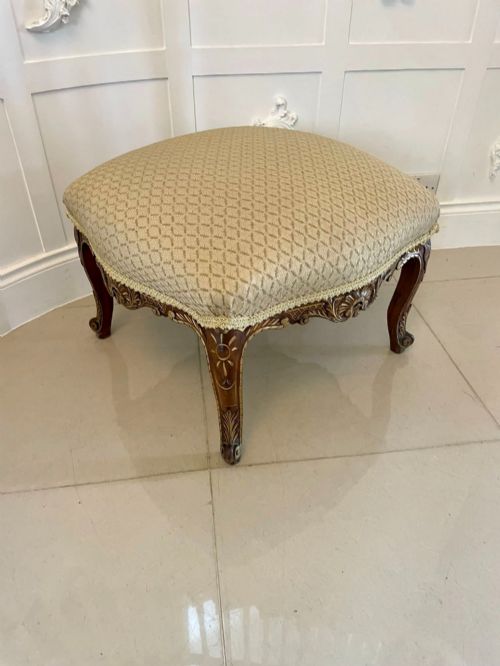
A french style gilt table encompasses console tables, coffee tables, writing desks, and occasional pieces originating largely from the nineteenth century. These objects draw heavily on historical vocabularies, notably Louis XV, Louis XVI, and French Empire styles, alongside Rococo Revival interpretations.
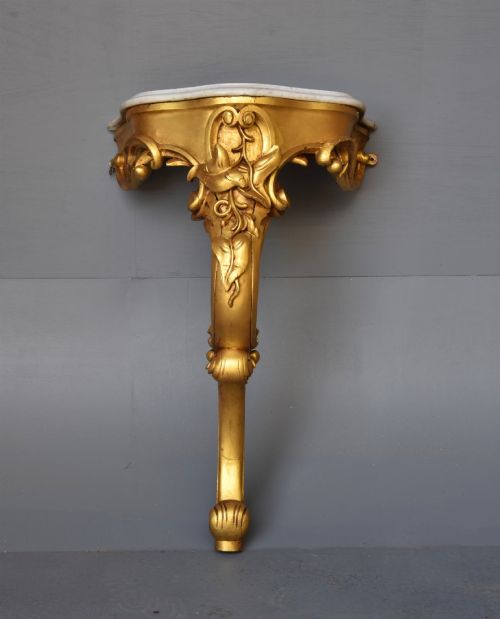
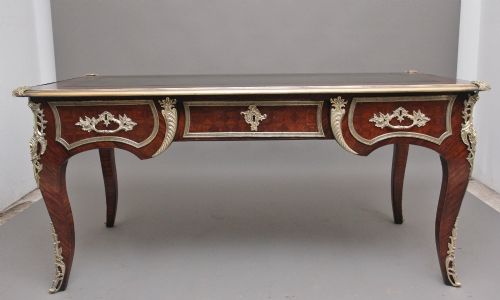
Console tables designed for placement against walls dominate the historical record, frequently topped with marble and supported by carved giltwood or gesso frames. Alongside these, smaller occasional tables, free-standing centre tables in kingwood, and desks such as the bureau plat provide functional surface space embellished with gilt mounts.
Makers and retailers historically produced these works to echo royal French courts, utilising ornate carving, applied bronze, and symmetrical or serpentine lines. Buyers today select them to anchor reception rooms or hallways with decorative historical presence.
Materials and Construction Techniques
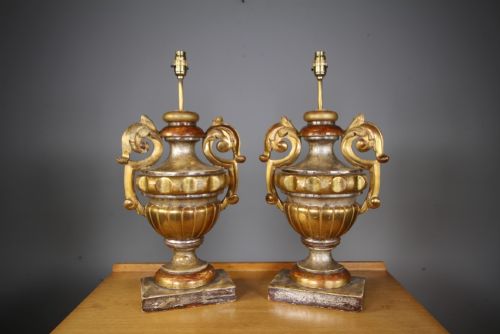
Construction relies upon dense timber carcases of pine, walnut, mahogany, or kingwood, sometimes enriched with marquetry, parquetry, or painted surfaces. Giltwood pieces employ carved timber coated in gesso and gold leaf, capturing crisp floral and scroll motifs.
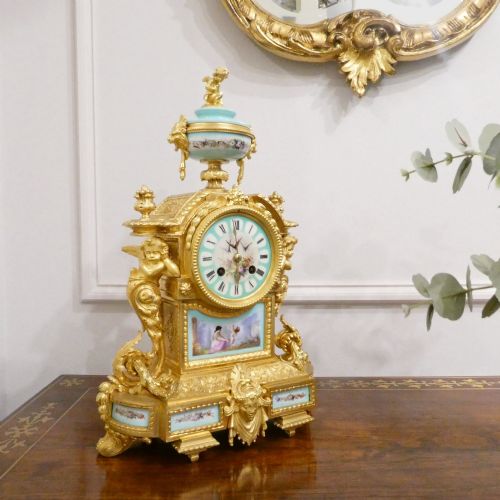
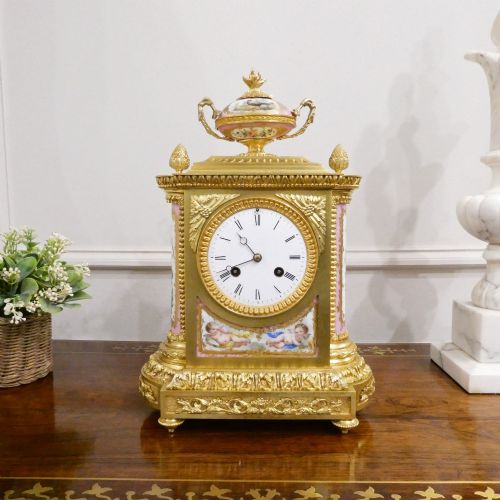
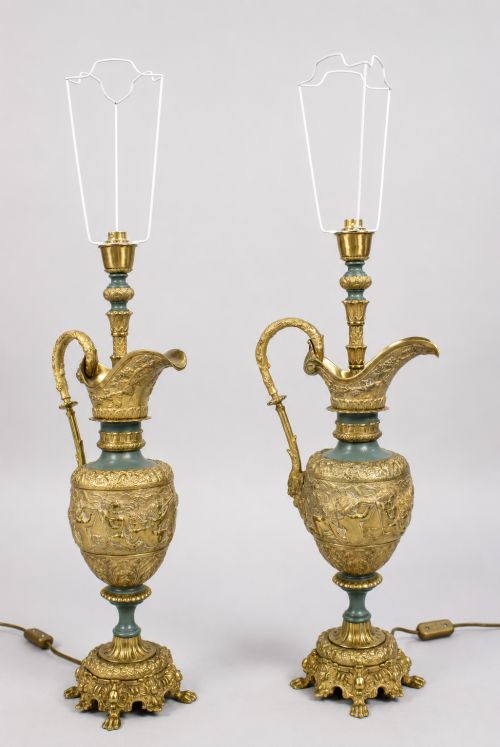
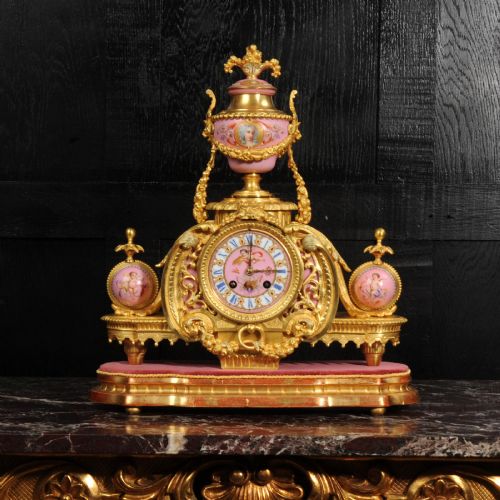
Metal ornament involves ormolu, gilt bronze, and brass cast into mounts, friezes, and caryatids before being hand-chased and fire-gilt. Marble tops in white, black, or variegated patterns are slotted precisely into recessed wooden frames.
Listings feature nineteenth-century pieces spanning the 1850s to the 1930s, utilising ormolu, kingwood, marble, and giltwood in console and desk formats.
Distinctions in Execution
Quality rests upon the crispness of the hand-carving in wood frames and the depth of chasing in bronze mounts. Superior examples exhibit fluid, dynamic lines in their gesso work and intricate casting that requires no subsequent smoothing.
The choice of secondary woods, the integration of mechanisms in desks or occasional tables, and the selection of fine marbles dictate the hierarchy of manufacture. Pieces associated with notable cabinetmakers display rigorous joinery and coherent stylistic execution across every hidden surface.
Achille Brocot·Henry Marc·Japy Freres·Francois Linke·Edwards and Roberts·Felix Alfred Ternisien·CH Jeanselme and Co·Hadrot Paris
The French Style Gilt Table Glossary
- Ormolu
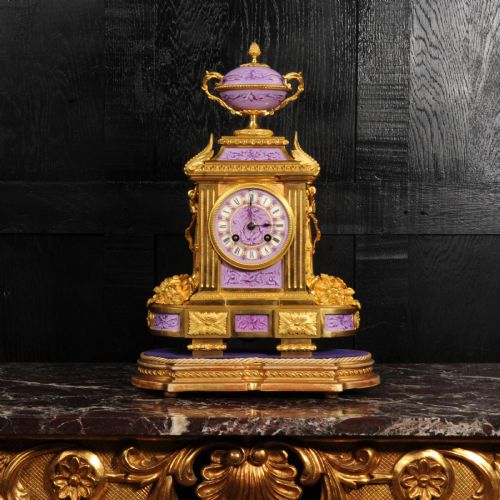
- Gilt bronze produced through a mercury gilding process, applied to mount furniture and clock cases. It provides a durable, deep metallic lustre.
- Console table
- A wall-mounted or freestanding table designed to stand against a vertical surface, frequently surmounted by marble. It serves a decorative and display function in formal interiors.
- Bureau plat
- A flat-topped freestanding writing desk, typically fitted with drawers in the frieze and mounted with gilt bronze. This form gained prominence during the Louis XV and Louis XVI periods.
- Gesso
- A plaster-like mixture applied to wood surfaces as a preparation for gilding. It allows craftsmen to carve intricate relief details before laying gold leaf.
- Kingwood
- A dense, heavily figured Brazilian timber utilised in high-end cabinetmaking for veneers and banding. Its dark grain contrasts sharply with bright ormolu mounts.
French Style Gilt Table: Frequently Asked Questions
What is a French style gilt table?
A French style gilt table is a decorative item of furniture, such as a console, desk, or occasional table, finished with gold leaf, giltwood, or bronze mounts.
These pieces reflect historical design movements like Louis XV, Louis XVI, and the Rococo Revival, prioritizing ornamentation and classical symmetry.
How were these tables used originally?
Console tables were positioned against salon walls beneath mirrors to display ornaments, while writing desks served administrative duties in private studies.
Smaller occasional tables functioned as movable surfaces for tea, reading materials, or general display in wealthy nineteenth-century domestic interiors.
How do I care for a gilt surface?
Giltwood and ormolu require gentle dusting with a soft, dry brush to prevent the accumulation of abrasive particles without disturbing the delicate gold leaf.
Moisture, chemical cleaners, and direct sunlight should be avoided to protect the underlying gesso and metallic finishes from degradation.
How can I tell the period?
Dating relies upon examining construction methods, timber species, tool marks on internal carcases, and the specific composition of the bronze mounts.
Nineteenth-century revival pieces often incorporate machine-cut elements alongside hand-finishing, distinguishing them from eighteenth-century originals.