
French Style Cresting Mirror
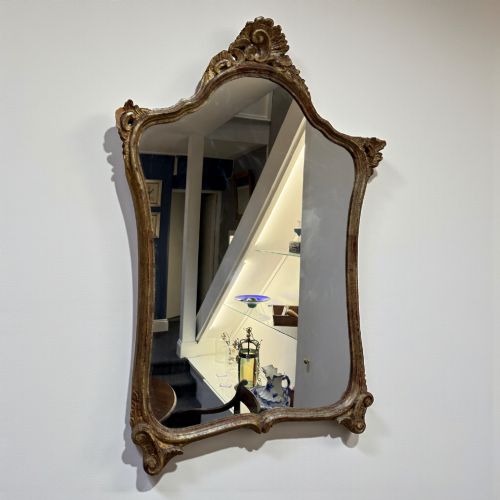
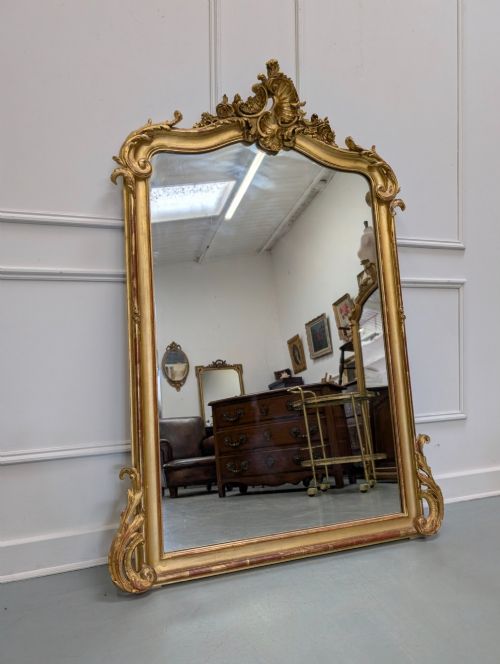
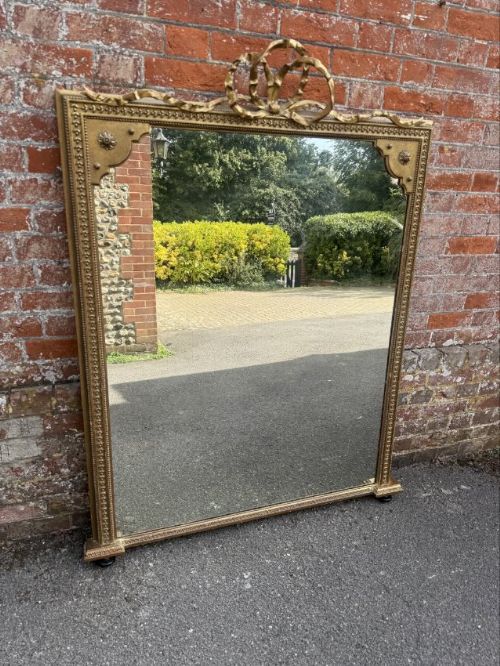
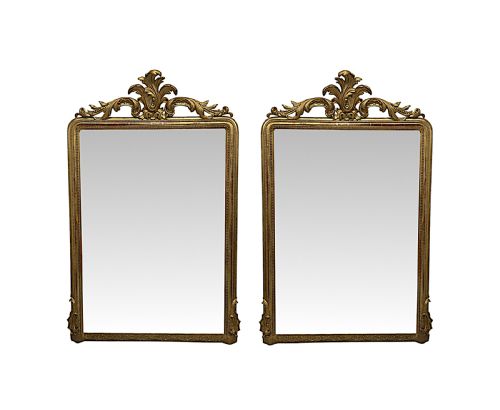
These French style cresting mirror pieces bring ornate nineteenth-century decorative forms into modern rooms.
French Style Cresting Mirror
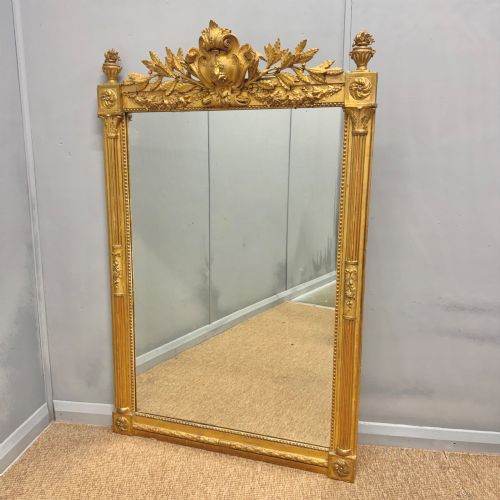
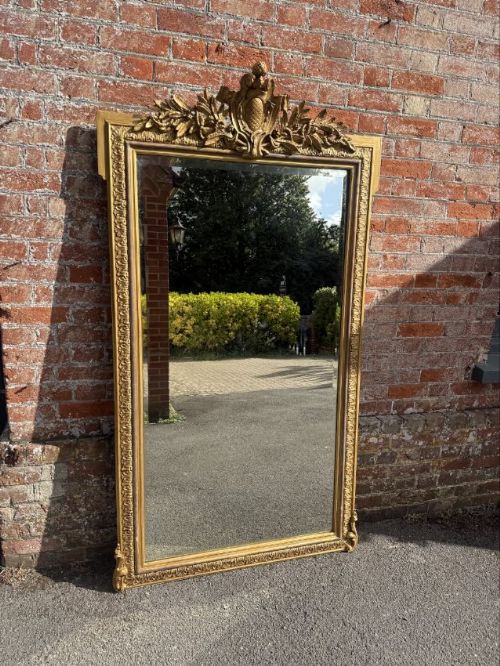
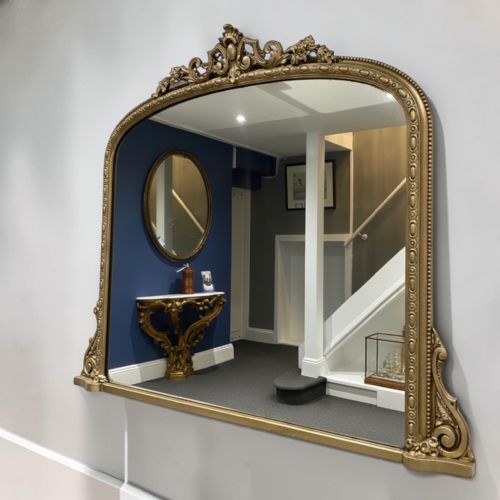
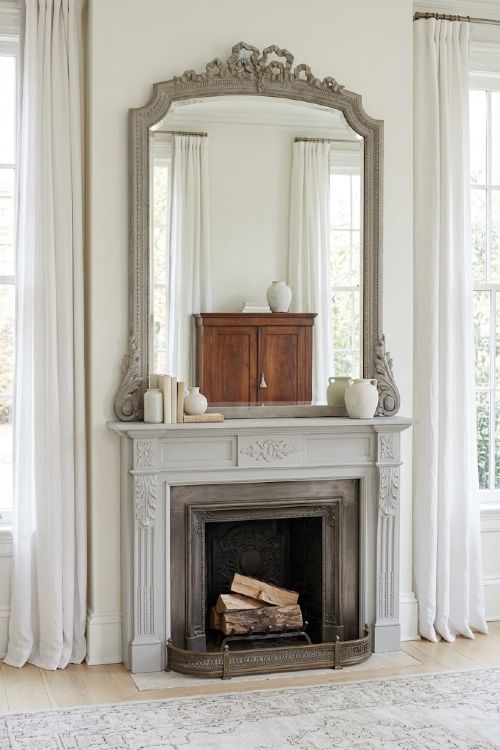
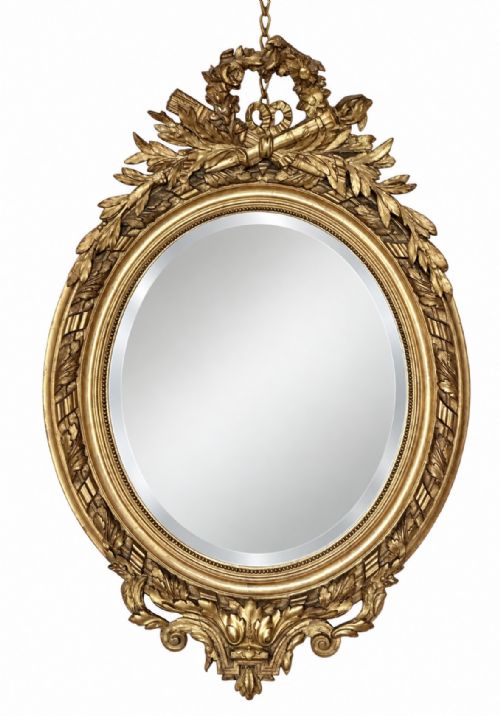
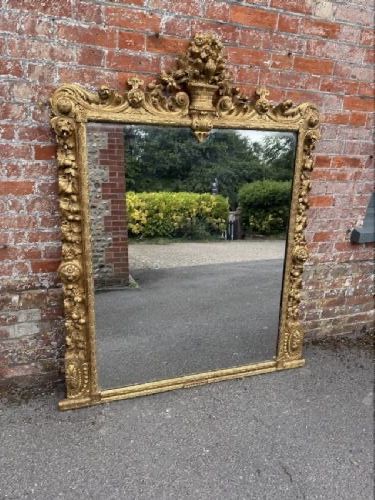
A french style cresting mirror is typically found in large wall-hanging formats, grand overmantels, or tall leaner styles suited to nineteenth-century interiors. The selection leans heavily toward nineteenth-century origins, including Victorian adaptations and specific French decorative movements.
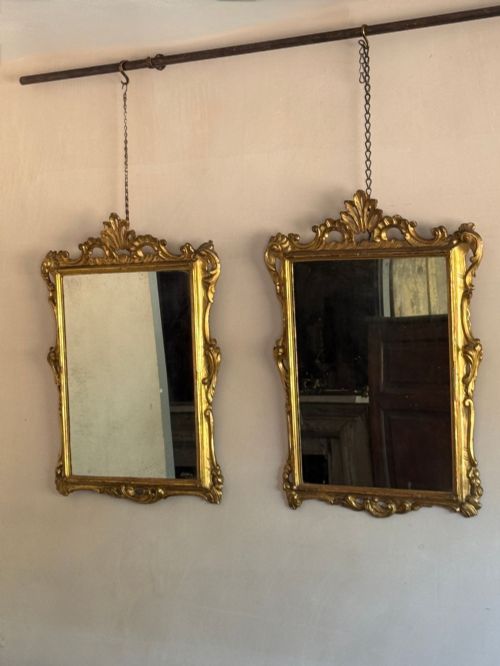
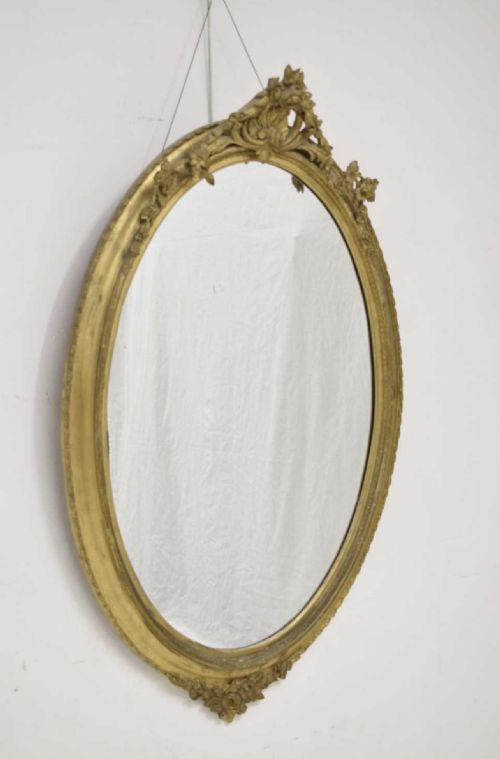
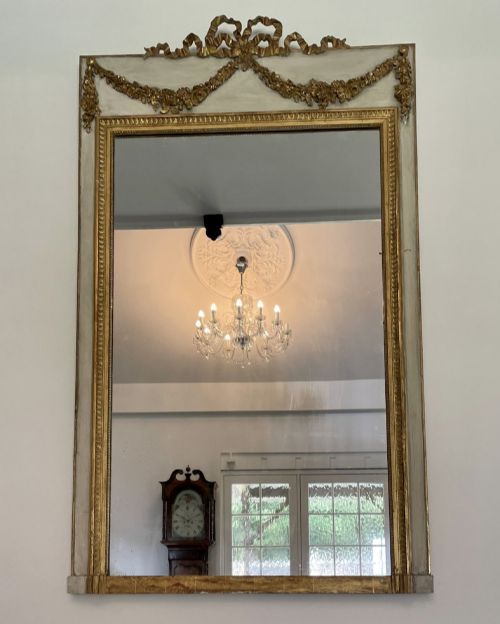
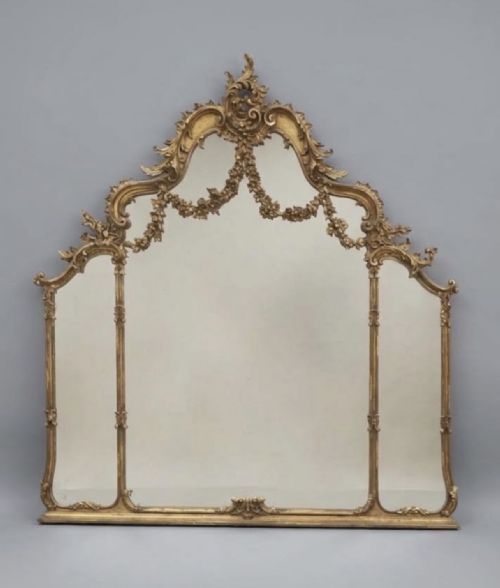
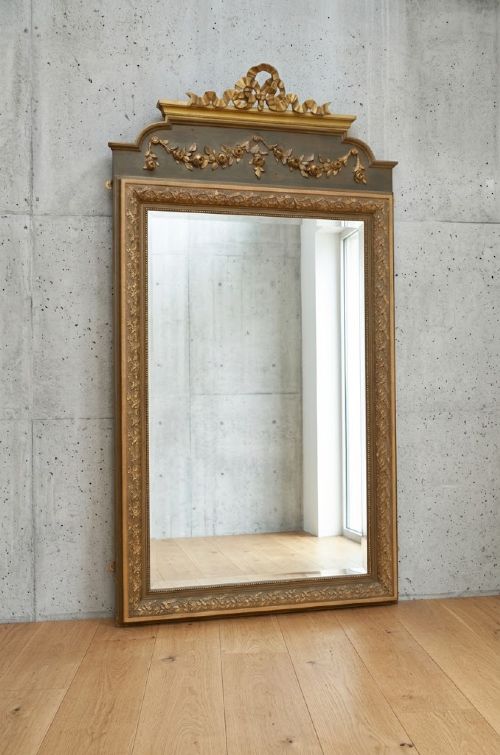
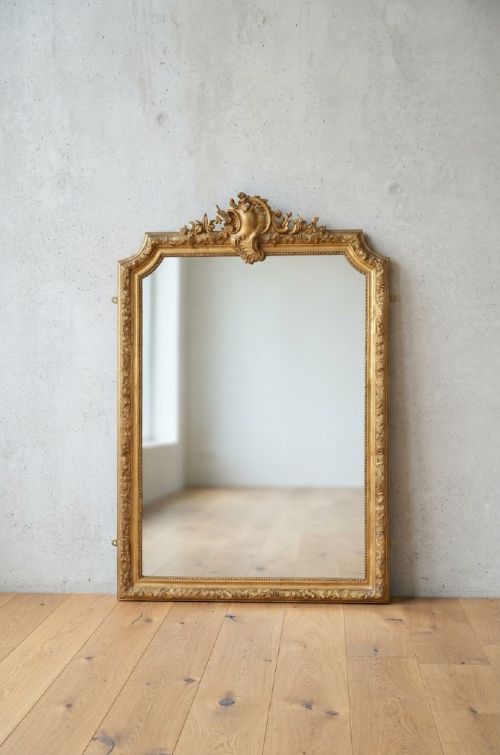
Makers and designers drew on Rococo Revival, Louis XVI style, and French Neoclassical vocabularies to create these decorative items. Common formats range from arched top designs and shaped tops to oval configurations and rectangular overmantels.
Pieces frequently display elaborate crests, ribbon motifs, or central cartouches above the main glass plate. These items served both practical reflective functions and grand decorative purposes in formal reception rooms.
How they were made
Artisans constructed the underlying frames using carved wood, often utilising pine or oak, supplemented by moulded composition or gesso layers to hold intricate decorative details. Giltwood and gold leaf were then applied over these prepared surfaces to achieve a bright, reflective finish.
Glass plates were set within the frames, sometimes utilising period mirror glass or foxed mercury glass that shows natural ageing over time. Metal elements such as gilt bronze or brass also appear on specific frames and girandole arms.
What varies in quality
The standard of carving on the wooden frames and the definition within the gesso ornaments dictate the visual impact of each piece. Superior examples exhibit deep, crisp relief work along the cresting and frame borders rather than flat or shallow moulding.
The integrity of the original gilding and the preservation state of the mirror glass distinguish higher-grade items. Pieces retaining their original mercury glass plates and undisturbed gold leaf demonstrate greater fidelity to their period of origin.
The French Style Cresting Mirror Glossary
- Giltwood
- Wood that has been coated with gold leaf or gold paint. This finish provides a luminous and durable surface common on formal nineteenth-century mirrors.
- Gesso
- A plaster-like mixture applied to wooden frames and carved or moulded into decorative motifs before gilding. It allows for sharp, intricate relief details.
- Overmantel mirror
- A large mirror designed to hang specifically above a fireplace mantelpiece. These pieces often feature wide proportions to match the width of the hearth below.
- Cartouche
- An ornamental frame or tablet resembling a scroll or unrolled parchment, often placed centrally on the crest of a mirror. It frequently bears decorative carving or heraldic details.
- Foxed mirror glass
- Glass that has developed dark spots or mottling behind the reflective silvering due to chemical oxidation over decades. Collectors value this natural ageing for its authentic period appearance.
French Style Cresting Mirror: Frequently Asked Questions
Where should I hang an overmantel mirror?
These large mirrors traditionally sit directly above a fireplace mantelpiece to reflect light and anchor the room's proportions. They also work effectively on main living room walls as a central focal point.
Ensure the wall structure and fixings can support the substantial weight of carved wood and gesso frames before mounting.
How do I identify a Louis XVI style mirror?
Louis XVI style pieces typically feature straight lines, symmetry, neoclassical motifs like urns and ribbons, and geometric framing. They contrast sharply with the asymmetrical, flowing curves of earlier Rococo designs.
Look for architectural elements such as fluting, bead reels, and classical crests at the top of the frame.
What is mercury glass?
Mercury glass refers to historic mirror plates silvered with a mixture containing mercury rather than modern aluminium or silver solutions. This technique creates a deep, slightly cloudy reflection with characteristic dark spots.
The presence of foxing and genuine mercury backing helps confirm the age of nineteenth-century French and English mirrors.
How do I clean an antique giltwood frame?
Dust the carved wooden and gesso surfaces gently with a very soft, dry brush to remove loose particles. Avoid using water, chemical sprays, or abrasive cloths that can strip the delicate gold leaf.
Professional conservation is recommended if the gilt surface is flaking or unstable.